
Last updated November 17, 2026
 Tile roofing
 Architectural shingles
 Metal roofing
 GAF
 Owens Corning
 Flat & low-slope
Free roof inspection with deck photos before we talk money - GAF and Owens Corning certified installation
Tile Roofing Warning Signs Every Homeowner Should Know
If you’re watching for cracked or slipped tiles, you’re watching for the last problem, not the first one. On a tile roof, the tiles are the armor – the underlayment underneath is the waterproofing, and that’s the layer that fails first. By the time tiles are visibly sliding or breaking, water has usually been getting in for a season or two already. This guide covers the warning signs that actually predict trouble on a Winchester tile roof: what your attic is telling you, why white mineral deposits matter, what your gutters are dropping, and how a hailstorm can wreck the part of the roof you can’t see.
Quick Answer
The most important tile roof warning signs are hidden under the tiles, not on top of them: attic staining and daylight gaps, efflorescence on tile surfaces, grit and mineral debris in gutters, and cracked or lifted ridge and hip caps. A tile roof with perfect-looking field tiles can still be leaking, because the underlayment beneath them has a shorter service life than the tile itself.
Styles & brands we work with
- Architectural shingles
- Metal roofing
- Tile roofing
- GAF
- Owens Corning
- Flat & low-slope
Table of Contents
- Why a Tile Roof’s Worst Problems Hide Underneath
- What Your Attic Reveals That No Exterior Scan Can
- Efflorescence: The White Deposits That Signal Water Entry
- Reading Your Gutters: Debris That Tells a Story
- Ridge and Hip Caps: The Failure Zone Nobody Checks
- Why a Hailstorm Can Hurt the Underlayment, Not the Tiles
- Winchester Climate and What It Does to Tile Roofs
- How to Do a Safe, Sensible Self-Check
- Common Mistakes to Avoid
- When to Call a Professional
- Frequently Asked Questions
Why a Tile Roof’s Worst Problems Hide Underneath
A clay or concrete tile roof is built in layers. The tiles shed most of the water, but the waterproof barrier is the felt or synthetic underlayment nailed to the deck beneath them. Tile can last 50 years or more. Underlayment typically lasts 20 to 30 depending on material and sun exposure. That mismatch is the heart of the problem: the part you see outlasts the part you don’t.
So when a homeowner in Winchester tells us their tile roof “still looks new,” they’re usually right about the tiles and wrong about the roof. We’ve pulled tiles off roofs that looked flawless from the driveway and found underlayment that crumbled in our hands like old newspaper. The homeowner had no idea until a ceiling stain showed up after a monsoon.
The lesson: judge a tile roof by its secondary signals, not its primary appearance. That means:
- The attic – stains, daylight, smell
- The ridge and hips – lifted caps, cracked mortar
- The gutters – what’s washing off the roof
- The tile surface – mineral deposits, not just cracks
Each of those tells you something the field tiles can’t. This guide walks through all four. If you want a hands-off assessment instead, our Roof Repair in Winchester page covers what a proper inspection looks at.
What Your Attic Reveals That No Exterior Scan Can
Your attic is the single best diagnostic tool on the property, and it’s free to use. An exterior scan from the ground can’t see through the tile and deck. Your attic sees the underside of the deck – the exact place where water first shows itself. Get up there with a flashlight after a rain if you can, and look for three things.
- Staining patterns. Brown rings, dark streaks, or water lines on the roof sheathing or rafters mean water is tracking down from above. A single small ring near a vent or chimney is often flashing. Multiple streaks spread along the deck usually mean underlayment failure across a wider area.
- Daylight gaps. Turn off the attic light on a sunny day. Any pinpoint of daylight in the roof deck is a hole – either a fastener that backed out, a cracked tile letting light through, or a gap at a penetration. Write down where it is.
- Musty smell near the ridge. A damp, earthy smell concentrated near the ridge line is a strong signal that water is sitting in the underlayment or insulation up high, even if no stain has reached the ceiling yet. In Winchester, where summer heat bakes attics, that smell can get baked in and easy to miss on a cool morning – so check on a warm afternoon too.
Also look at the insulation directly below the ridge. Compressed, dark, or clumpy insulation near the apex usually means moisture has been dripping from above and matting it down. That’s a common finding in older Winchester homes where the underlayment is past its service life. If you’d rather have trained eyes read your attic, that’s exactly what a free estimate walk-through is for.
Efflorescence: The White Deposits That Signal Water Entry
Efflorescence is a white, powdery or crusty mineral stain that shows up on tile, mortar, or masonry. Homeowners often dismiss it as cosmetic, or assume it’s paint or bird mess. It isn’t. Efflorescence means water has been moving through or sitting against the material and pushing mineral salts to the surface as it dries. On a tile roof, that’s an early water-entry indicator – not a stain to scrub off.
The pattern matters more than the presence. Reading it right:
- White crust along ridge mortar or hip caps usually points to moisture trapped in the mortar bed – the mortar is pulling away and letting water in.
- White bloom on the underside or edges of tiles near penetrations suggests water is backing up or wicking under those tiles.
- Salt staining on the fascia or a chimney chase often traces back to water running behind those surfaces from a bad flashing detail.
One more local note: in the dry Winchester air, a small patch of efflorescence can appear and clear in a season. A large, recurring patch that returns after you’ve cleaned it is telling you the moisture source is still active. That’s when it’s worth having someone look. If the trail leads to worn-out roofing material, our Roof Replacement & Installation in Winchester page explains what a proper replacement involves, deck to ridge.
Reading Your Gutters: Debris That Tells a Story
Your gutters are a diagnostic, not just a chore. What washes off the roof lands in them, and the type of debris tells you what’s breaking down up top. Learn to tell normal granule loss from underlayment grit.
- Dark, sand-like grit in the channels is normal. That’s the mineral surface of the tiles shedding slowly, same as shingles do. Expect it, especially on an older roof.
- Pale, sandy silt plus black flakes or papery bits is the warning sign. That’s underlayment breaking down and washing off. Granules look like sand; broken underlayment looks like wet paper or a silt that clumps at the downspout.
- Dark organic sludge at the bottom of the gutter tray, beyond the usual leaf muck, points to algae and moisture sitting in the channels – often a sign water isn’t draining fast enough and is pooling somewhere it shouldn’t.
- Heavy collections of small tile flakes and mortar crumbs near the ridge-side end of the gutter means the ridge caps or mortar bed are degrading.
Empty a gutter section into a bucket and look at it. If you’re finding papery flakes and silt rather than grit, that’s a strong signal it’s time for an inspection. In our experience across Winchester, gutter debris is the cheapest early-warning test there is, and almost nobody does it.
Ridge and Hip Caps: The Failure Zone Nobody Checks
Most homeowners scan the big flat field of tiles from the driveway. The trouble usually lives at the ridge and hips – the peaks and the sloped edges – where caps sit over a mortar bed or a mechanical fastener. These are the highest-stress points on a tile roof: most sun, most wind, most expansion and contraction, and the most complicated joinery.
Warning signs to look for at the ridge and hips:
- Lifted or “smiling” caps. A ridge cap that has separated from its neighbor, leaving a visible gap, is entry point number one for wind-driven rain.
- Cracked or crumbling mortar. Hairline cracks in the bed are common; chunks missing or mortar that crumbles when you press it (don’t, but it looks that way) means the bond is gone.
- Missing ridge caps. After a windy stretch in Winchester, we find caps on the ground or in the yard. Each missing cap is an open door.
- Staining at the hip-to-field transition. Water often enters at the joint where the hip caps meet the field tiles.
A failing ridge typically becomes a failing roof long before it shows up on your ceiling. The underlayment along the ridge gets saturated first, and water takes the path of least resistance down the rafters. Catch it at the ridge and you can often protect the whole roof. Miss it, and that zone becomes the first place to leak. If the ridge is bad and the field tiles are sound, this is a repair conversation, not necessarily a replacement one – our team can tell the difference during a free walk-through.
Why a Hailstorm Can Hurt the Underlayment, Not the Tiles
Here’s the counterintuitive part: a tile roof that “survived” a hailstorm with no visible damage may have taken its worst hit in the underlayment. Hail strikes the tile, the tile transfers the impact straight through to the felt or synthetic layer beneath, and that layer can crack or tear while the tile stays intact. The tile is a hard, brittle surface – it either cracks or it doesn’t. The underlayment under it is soft and can be bruised without a mark showing.
So after a hail event, don’t just count cracked tiles. Look for:
- Dark spots or “bruises” on the tile surface – sometimes hailstones leave a scuff without cracking the tile.
- Crushed or dented metal – valleys, vents, gutters, and flashing take the hit and tell you the size of the hail.
- Attic leaks in the weeks after a storm, which often point to underlayment damage the tiles concealed.
- Branch and tree debris scars on the tile, indicating impact.
- New water staining at a chimney or valley.
Storm chasers roll through after every hail event, and their pitch depends on you looking up and counting cracked tiles. A real inspection looks underneath. If you’ve had hail and want a second set of eyes, ask for a free second opinion on any written estimate from another company – we’ll tell you what we actually see, deck to ridge.
Winchester Climate and What It Does to Tile Roofs
Winchester’s climate is hard on tile in specific ways. Long, hot summers push the underlayment through constant expansion and contraction, which is the biggest single driver of early underlayment failure. The dry air and intense sun also speed up the aging of mortar at the ridge and hips. And when the rare cold snap does arrive, trapped moisture in a mortar bed can freeze, expand, and crack it open.
What this means for a Winchester homeowner: your underlayment is your most vulnerable layer, not your tiles. Check it indirectly with the attic and gutter tests above. Watch the ridge mortar after any freeze or windy stretch, since those are the events that open cracks. And don’t skip the pre-summer inspection if your roof is older than 15 years – catching underlayment wear before the heat of the year is a lot cheaper than chasing a ceiling leak in August.
For homes that have taken one too many summers, and where the tile is sound but the underlayment has aged out, replacement is often the honest call. That’s a conversation worth having. We’re happy to walk it. For homeowners considering a shift in material, our Metal Roofing in Winchester page covers how metal compares on lifespan and upkeep.
How to Do a Safe, Sensible Self-Check
You can do a lot of useful reading without ever getting on the roof. Here’s a safe sequence.
- Walk the perimeter with binoculars. Scan the ridge and hips for lifted or missing caps, cracked mortar, and slide-out. Look at the tile field for dark patches that don’t match the rest.
- Check the attic on a sunny afternoon. Look for staining on the sheathing, daylight pinholes, and a musty smell near the ridge. Photograph what you find.
- Look in the gutters. Scoop a section into a bucket. Grit is normal; papery flakes and silt are not.
- Sit in the yard after the next rain. Water pouring straight out of gutters in a sheet rather than from the downspout signals a blockage or a gutter problem worth checking.
- Note any interior ceiling or wall stains and trace them to the closest point on the roof. Water runs laterally, so the stain usually isn’t directly beneath the entry point.
There’s one place you shouldn’t go: up on a tile roof. Tile is a genuinely slippery and fragile surface, and walking on it can crack tiles and create the very leaks you’re trying to catch. It’s also a fall hazard. Leave the roof-walking to trained professionals. Call one if anything above looks off.
Common Mistakes to Avoid
- Judging the roof by the tiles alone. The most common mistake. Tiles are the armor; the underlayment underneath is the part that leaks and ages out first. Look underneath.
- Ignoring efflorescence as “just paint.” White mineral bloom on tile or mortar is a water-entry indicator, not a cosmetic issue. Watch whether it returns after a cleaning.
- Walking the tile roof yourself. It’s a real fall hazard and it breaks tiles. Use binoculars from the ground and leave the roof-walking to trained people.
- Counting cracked tiles and calling it a hail inspection. Hail can damage the underlayment without cracking a single tile. Have the underside checked.
- Skipping the attic because it’s hot or cramped. It’s the best diagnostic tool you have for your roof, and it costs nothing to look.
- Hiring someone who won’t put it in writing. Any roofer who won’t show the deck photos before talking money, or won’t hand you a written estimate with a written promise on every job, is a gamble you don’t need to take.
- Letting an unknown crew up on your roof without a second look. If a company that just rolled through town wants to walk your roof and hand you a number on the spot, get a free second opinion first. Ask anyone on your street – the name on the truck should be the name on the license.
When to Call a Professional
Call a professional tile roofer if you find any of the following: attic staining that keeps growing after a rain, daylight pinholes in your deck, a musty smell that returns after a dry spell, pale papery silt in your gutter trays, ridge caps that have lifted, gone missing, or lost their mortar, or a fresh ceiling stain after a storm. Also call if your roof is older than about 20 years and you’ve never had the underlayment checked, or if you’ve had a hailstorm – even one that left the tiles looking untouched. And if you’ve got a written estimate in hand from another company and something about it doesn’t sit right, get a second set of eyes before you sign.
Shepherd & Sons Roofing Winchester offers free estimates in Winchester – call (844) 797-8167 and a live person will pick up. No trip charge inside our own county, and no surprise numbers at the door.
Frequently Asked Questions
Look in your attic and gutters, not at the tiles. Staining on the sheathing, daylight gaps in the deck, a musty smell near the ridge, or pale papery silt in the gutter trays all signal water getting in even when the field tiles look perfect. The tiles are the armor; the underlayment underneath is what actually leaks.
Those white deposits are efflorescence, and they mean water has been moving through the material and pushing salts to the surface. It’s a water-entry indicator, not just a cosmetic stain. A patch that keeps returning after you clean it means the moisture source is still active, and it’s worth having looked at.
Once a year is a sound baseline, ideally before the heat of summer, plus after any hailstorm or hard freeze. Older roofs, or any roof past about 20 years with underlayment that hasn’t been checked, deserve a closer look more often. An annual look beats a ceiling leak you didn’t see coming.
It can. Hail can bruise or tear the underlayment beneath tiles without cracking the tile face, because the tile transfers the impact straight through to the soft layer below. Count the dents on your metal valleys, vents, and gutters to gauge the hail size, then have the underside checked.
We don’t recommend it. Walking a tile roof is a genuine fall hazard, and it’s easy to crack more tiles than you fix. Mortar and underlayment details at the ridge are also fiddly work that a trained roofer does correctly. A free estimate costs you nothing and saves the risk.
Not always. If the ridge is bad but the field tiles and underlayment are sound, that’s a repair. If the tile is fine but the underlayment has aged out, a seasoned roofer will often recommend replacement, since you can’t redo the underlayment without lifting the tiles. A good walk-through will tell you which case you’re in.
The Bottom Line
The warning signs that matter on a tile roof are mostly invisible from the ground. Tiles that look worst are often structurally fine. Tiles that look perfect can be hiding saturated underlayment underneath. Read the secondary signals instead: your attic for staining and smell, your gutters for papery silt rather than normal grit, your ridge and hips for lifted caps and cracked mortar, and your tile surfaces for white mineral bloom. Catch any of those early and you can often protect the whole roof. Catch them late and you’re chasing a ceiling leak. And if you’re not sure what you’re seeing, call Shepherd & Sons Roofing Winchester at (844) 797-8167 for a free estimate – a real person answers, the deck photos come out before the money talk, and every job is backed by our written 90-Day Done Right Promise. Learn more about who we are on our Shepherd & Sons Roofing Winchester home page.
Written by the team at Shepherd & Sons Roofing Winchester.
See the difference
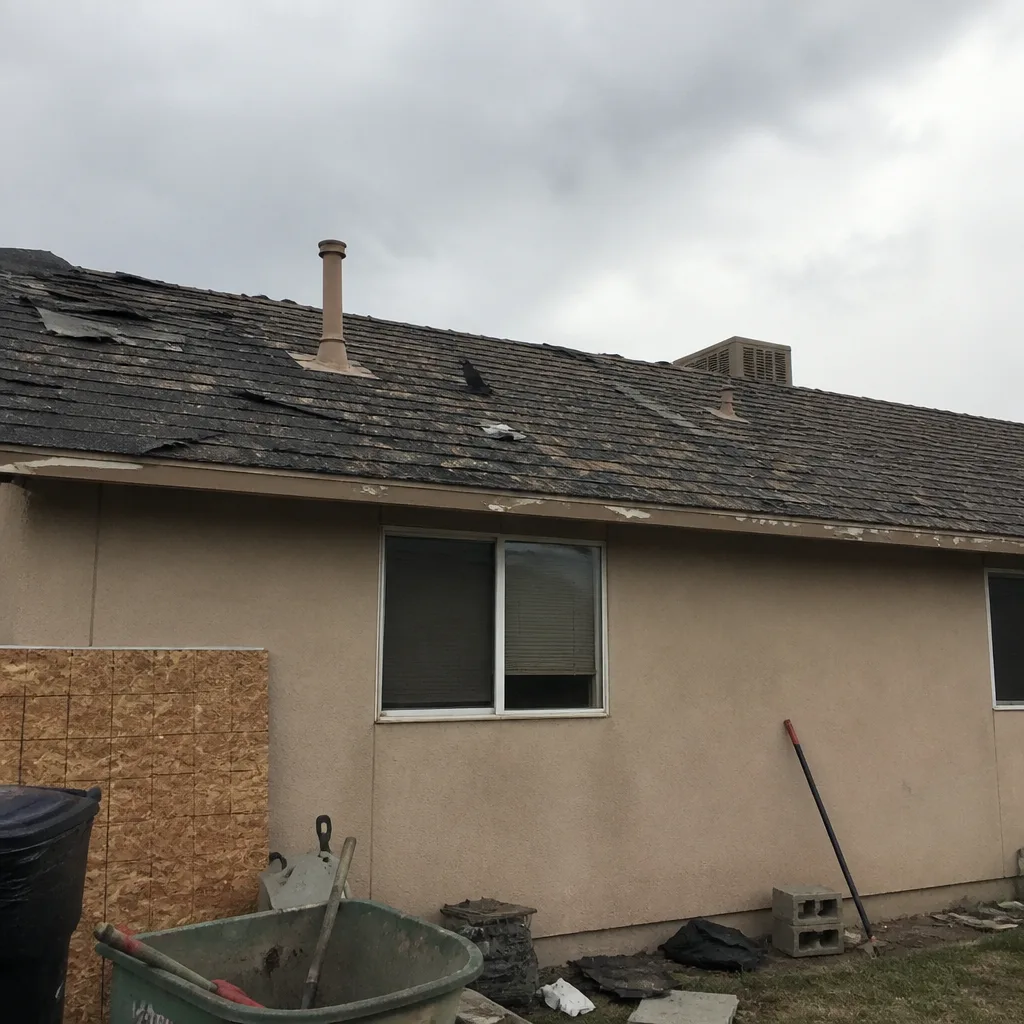 Before
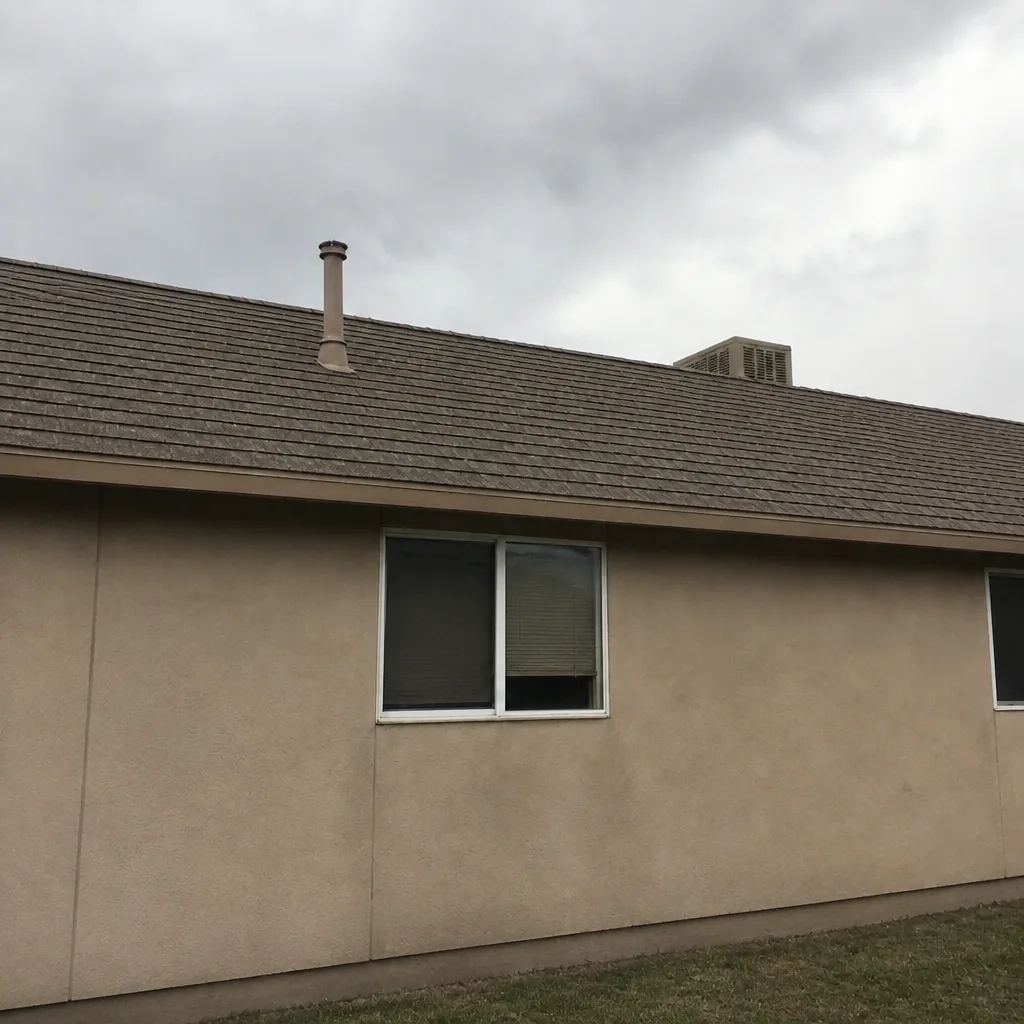 After
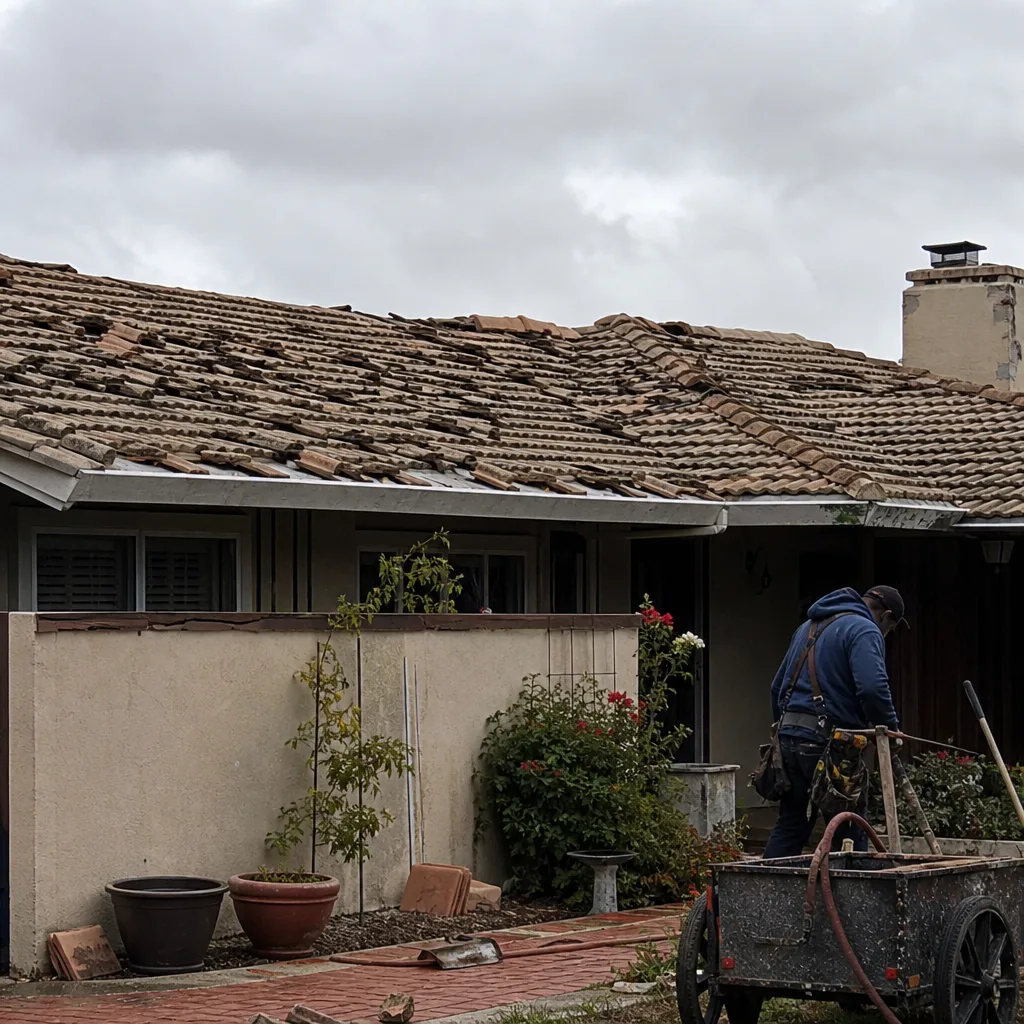 Before
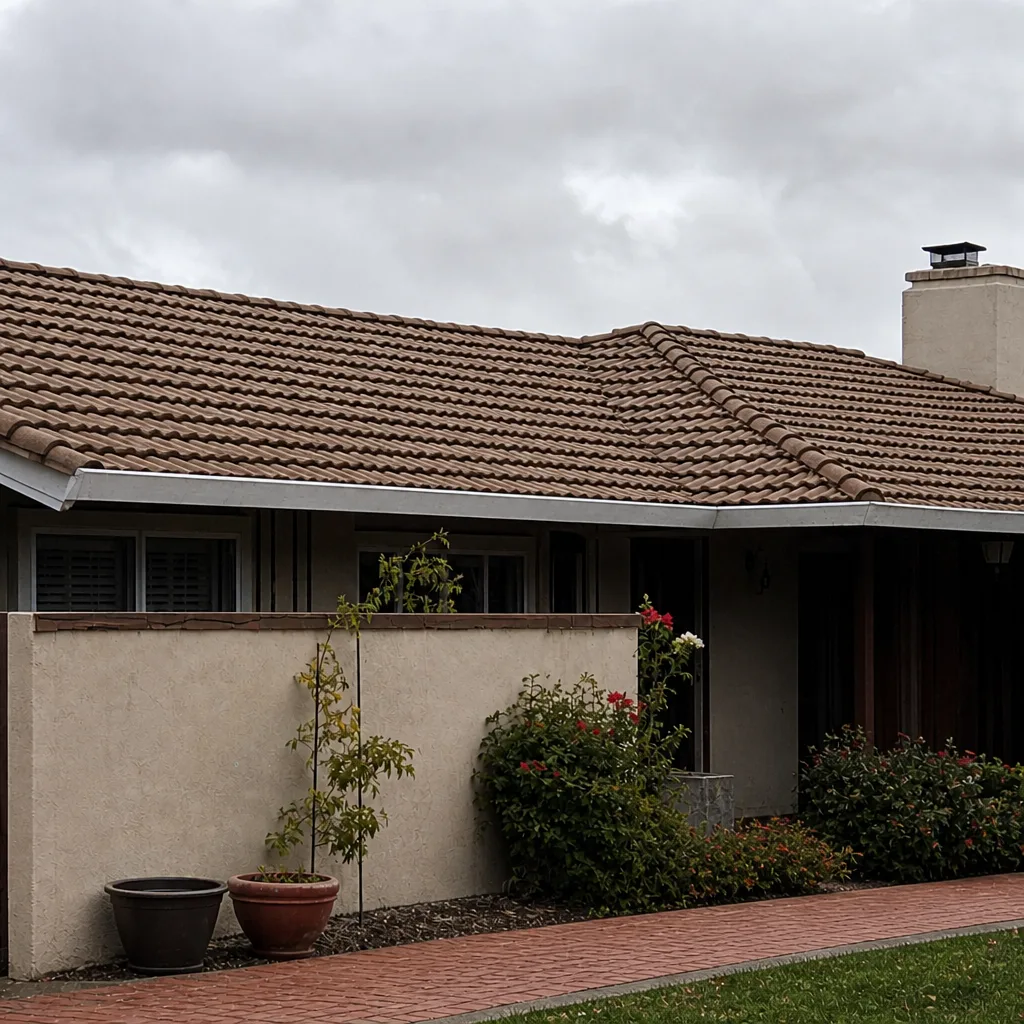 After
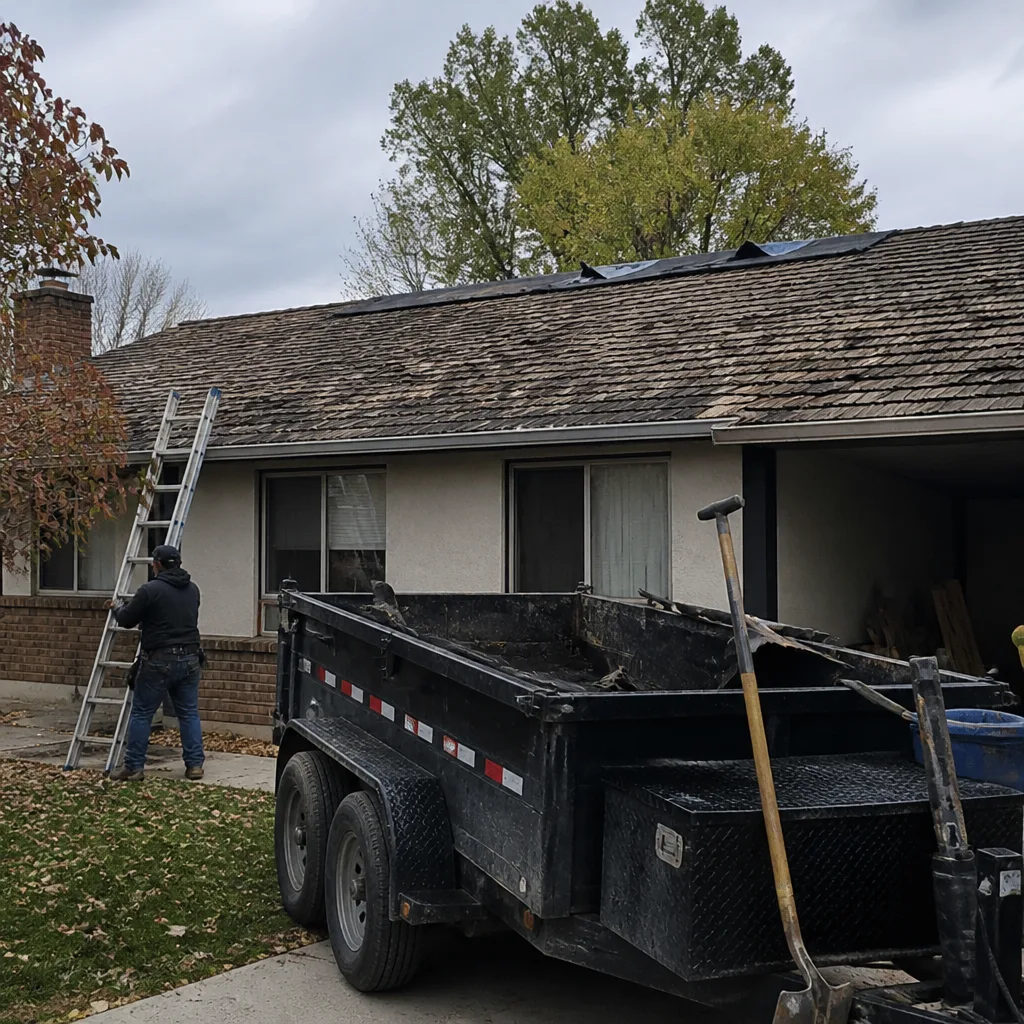 Before
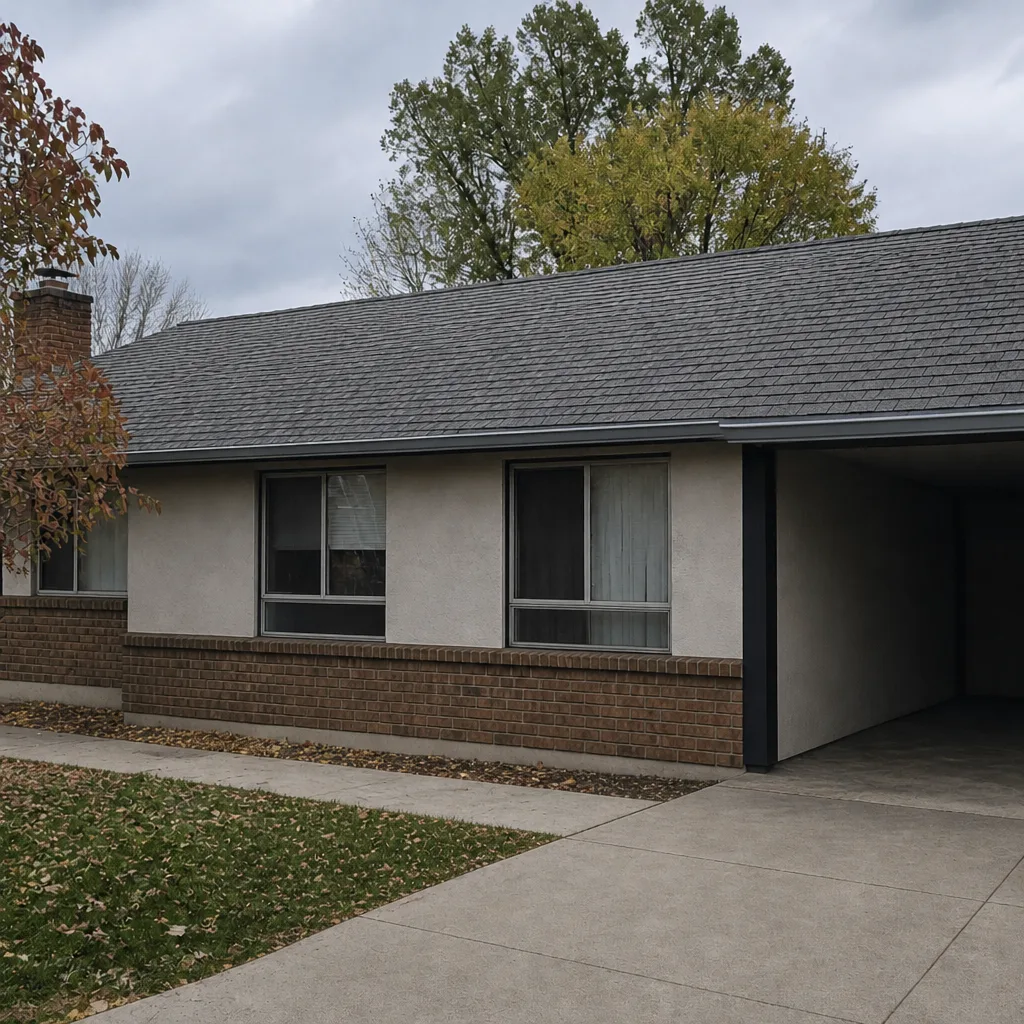 After