
Last updated November 17, 2026
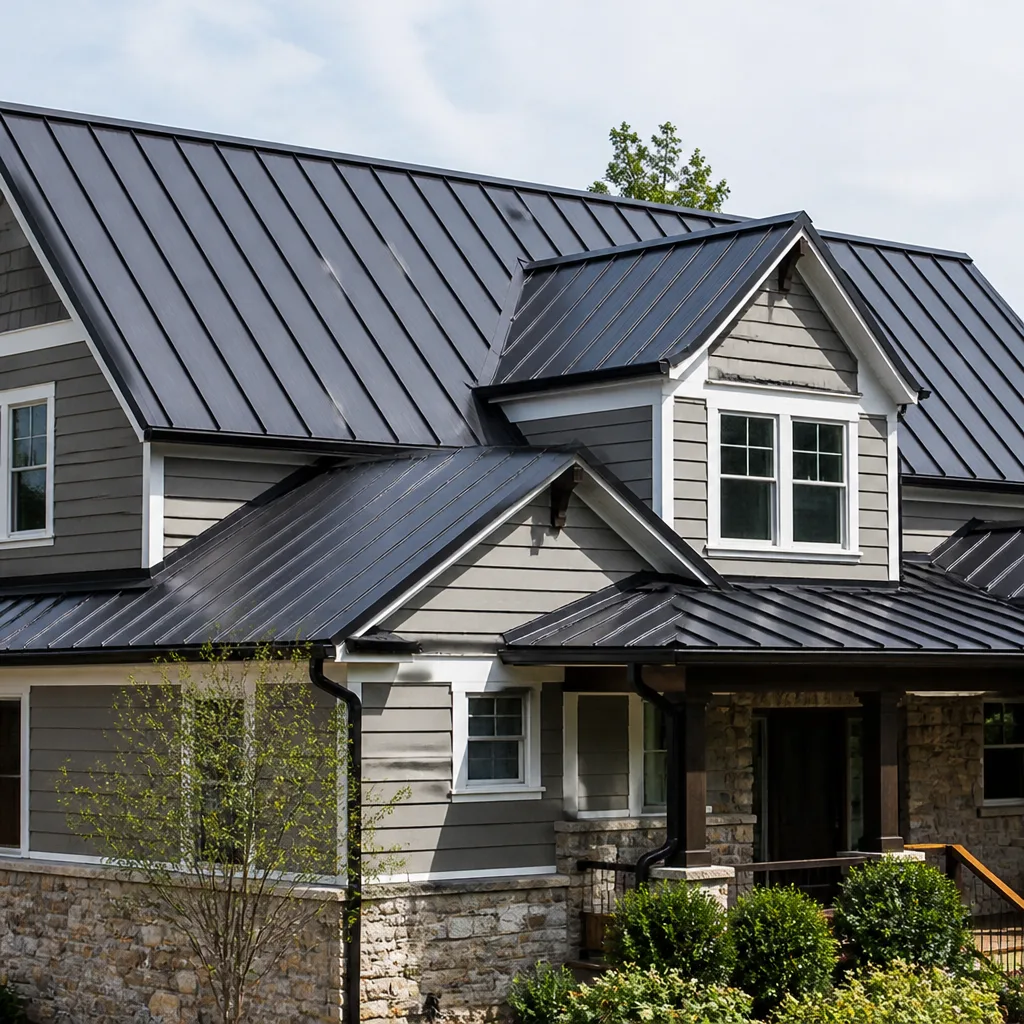 Metal roofing
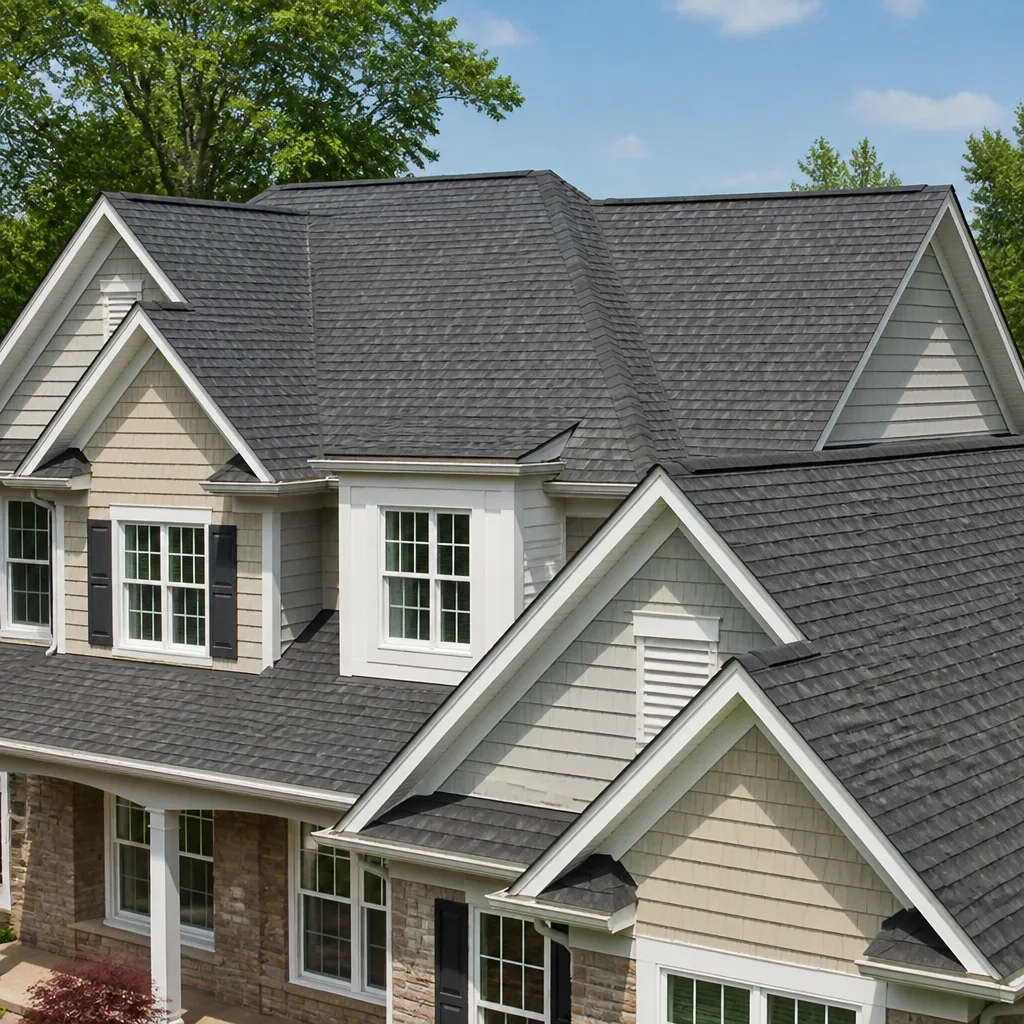 Architectural shingles
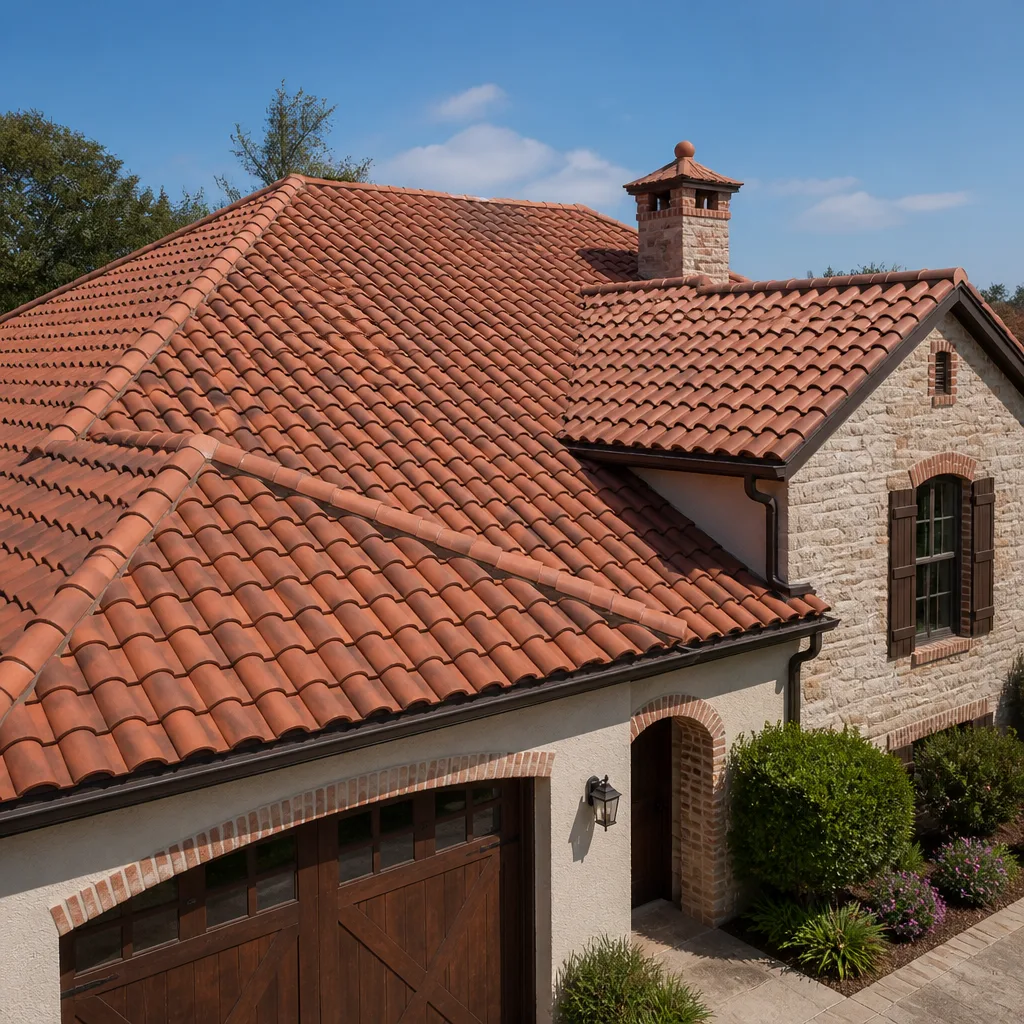 Tile roofing
 GAF
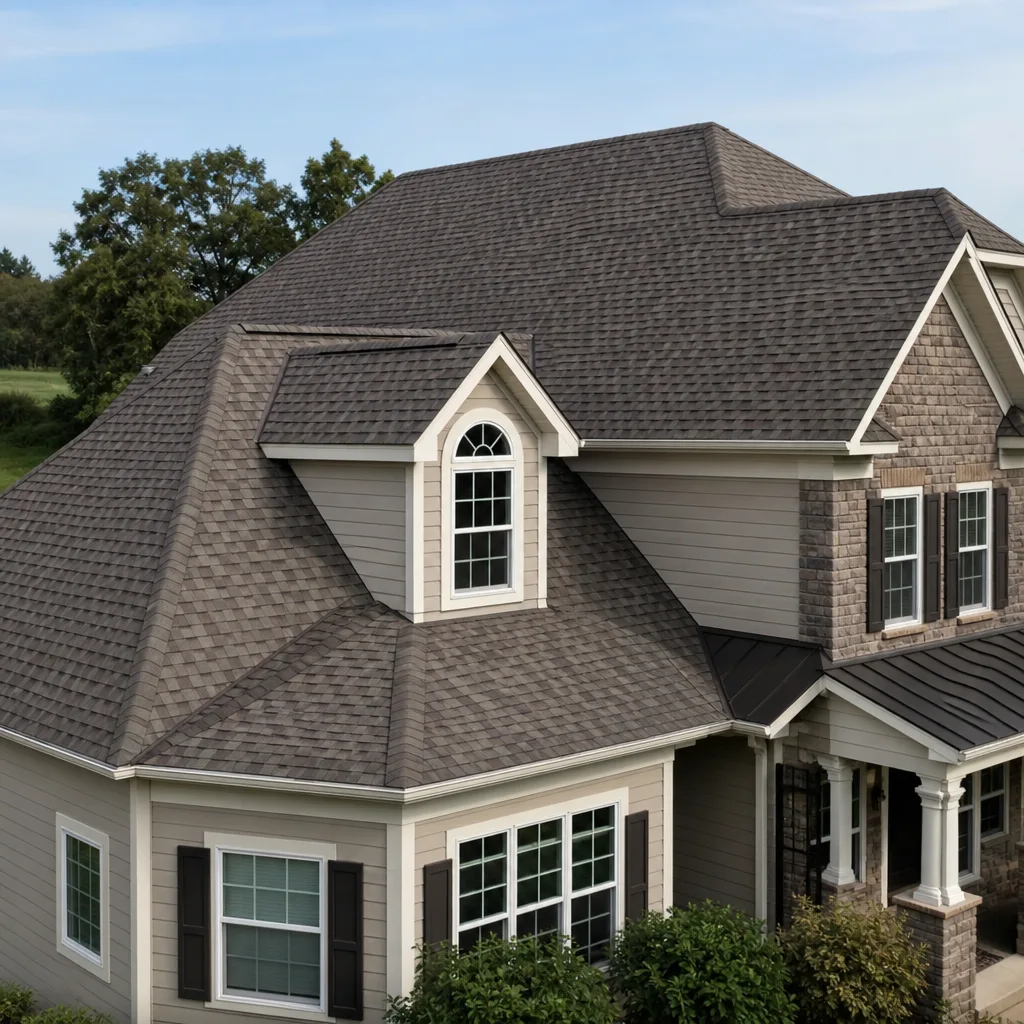 Owens Corning
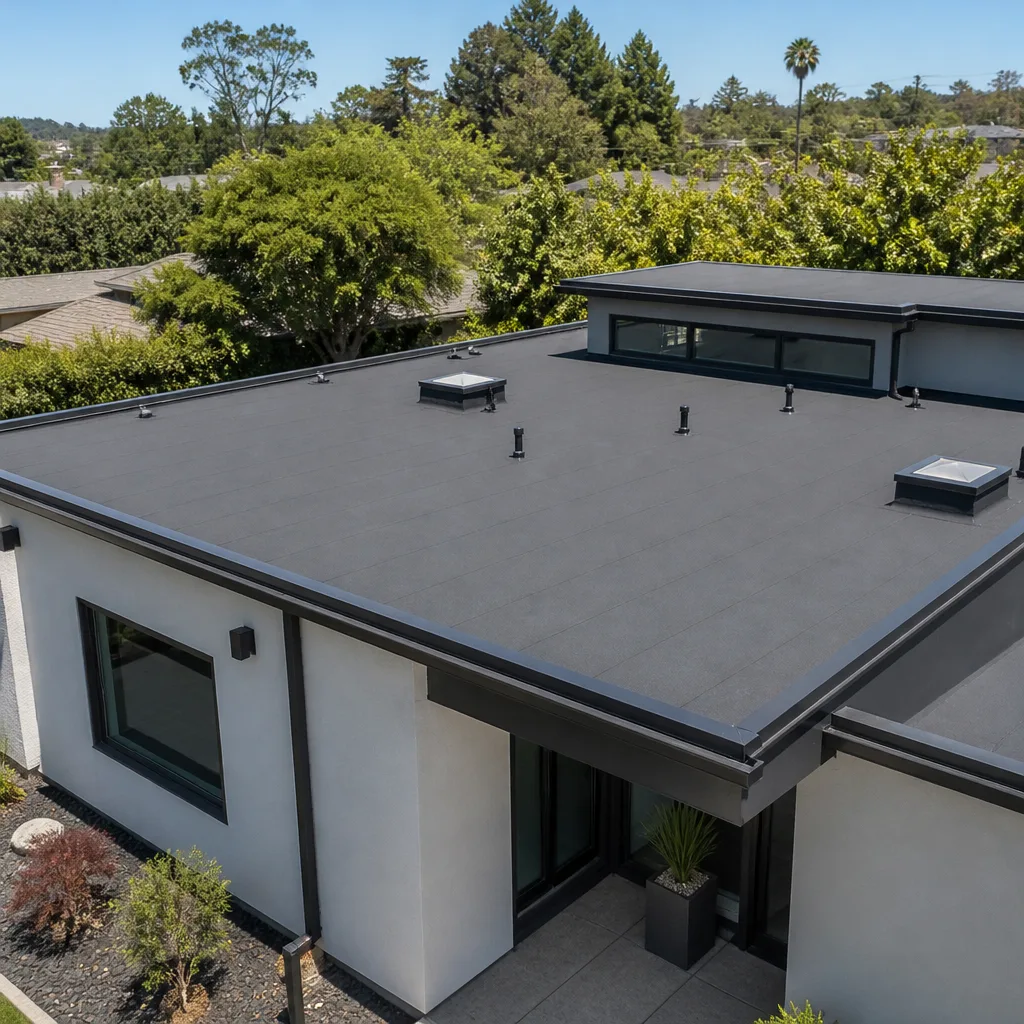 Flat & low-slope
Free roof inspection with deck photos before we talk money - GAF and Owens Corning certified installation
The Complete Guide to Roofing in Winchester
Most “complete roofing guides” are written by content farms that couldn’t find Winchester on a map. They talk about ice dams in Minnesota, moss in the Pacific Northwest, and hurricane straps in Florida, then slap a city name on top and call it local. This guide is different. It’s built from what we actually see on roofs around Winchester: shingles baked chalky by a relentless high-desert sun, ridge vents packed with fine desert dust, and slab cracks that push a familiar pattern of stress into every roof system we open up. You’ll learn why the material that lasts 30 years in Seattle can fail in 12 here, how Clark County’s permit process actually works, honest material lifespans from real job records, and how to spot a storm chaser before he’s on your roof.
Quick Answer
Roofs in Winchester, NV, age faster than manufacturer timelines suggest because of extreme UV exposure, wide day-to-night temperature swings, and dust that clogs attic ventilation. A properly installed asphalt shingle roof here realistically lasts 15 to 22 years rather than the 30 years on the wrapper, and metal or tile systems hold up substantially longer. Getting a roof right in Winchester means choosing the material for a desert, installing ventilation correctly, and using a licensed local roofer who pulls the right Clark County permits.
Styles & brands we work with
- Architectural shingles
- Metal roofing
- Tile roofing
- GAF
- Owens Corning
- Flat & low-slope
Table of Contents
- Why Winchester’s High-Desert Climate Eats Roofs Differently
- Real Material Lifespans in Winchester, From Job Records
- Dust, Ridge Vents, and Attic Heat
- The Clark County Permit Process for Roofing
- Choosing a Material for a Winchester Roof
- Storm Chasers, Hail, and How to Tell a Local
- A Winchester Roof Maintenance Calendar
- Common Mistakes to Avoid
Why Winchester’s High-Desert Climate Eats Roofs Differently
Winchester sits around 2,000 feet in the Mojave high desert, and that geography drives everything that happens to a roof here. Summer surface temperatures on a dark shingle roof routinely push past 150 degrees. Then the sun drops, the desert releases its heat fast, and by early morning the roof deck can swing 50 degrees or more cooler. Do that day after day, year after year, and the asphalt binder that holds a shingle together starts to fatigue.
The UV piece matters just as much. Winchester sees well over 280 sunny days a year, and the ultraviolet load at this elevation is stronger than at sea level. Sun damage doesn’t just fade a roof; it breaks down the surface granules and the asphalt beneath them, which is what actually lets water in. That’s the core reason national warranty timelines feel generous and land short here.
Add the wind. Spring and early summer bring gusty days that work loose fasteners, lift ridge caps, and drive sand against south- and west-facing slopes. We’ve pulled shingles off Winchester roofs that looked fine from the street but had lost a third of their granule surface on the sun-facing side. Those two slopes on the same roof are aging at completely different rates, and any roofer who quotes you without walking both of them hasn’t looked closely enough.
Real Material Lifespans in Winchester, From Job Records
Manufacturer sheets are marketing. Here’s what we actually see on Winchester roofs, based on the systems we repair and replace:
| Material | Wrapper Claim | Realistic Winchester Life |
|---|---|---|
| 3-tab asphalt shingle | 20-25 years | 12-16 years |
| Architectural asphalt shingle | 30 years | 15-22 years |
| Standing-seam metal | 40-50 years | 40+ years with proper coating |
| Clay and concrete tile | 50 years | 35-50 years, underlayment 15-20 |
| Modified bitumen (low slope) | 15-20 years | 10-14 years |
The takeaway is not that asphalt is bad. It’s that the wrapper number assumes a mild climate. In Winchester you should mentally knock off a third for asphalt. A quality architectural shingle from CertainTeed or Owens Corning, installed with the right underlayment and ventilation, is a solid choice here as long as you plan on its desert lifespan, not its brochure lifespan. Metal and tile cost more up front but stretch much further under this sun.
One thing worth saying plainly: the brand on the wrapper matters less than the install. The nailing pattern earns the wind rating, not the shingle wrapper. A premium shingle nailed high and sparse will fail long before a mid-grade shingle set correctly.
Dust, Ridge Vents, and Attic Heat
Here’s something national guides never mention: Winchester’s fine desert dust clogs ridge vents in a way that humid-climate roofers don’t think about. Those vents rely on a filter layer to keep out wind-driven rain and pests, and in wet climates they stay relatively clear. In our dust, that same filter slowly loads up with silt until the vent is doing maybe half its job. When attic ventilation drops, attic temps climb. On a July afternoon an under-vented Winchester attic can run well above 150 degrees, and that heat cooks the shingles from underneath, cuts the life of your HVAC equipment, and pushes your cooling bill up.
What to check, and what to leave to a pro:
- Look at ridge vents from the ground for visible dust buildup or sagging.
- Check soffit vents for blocked screens; they clog with dust and lint too.
- Watch for a hot attic smell or rooms that won’t cool in the afternoon. That’s a ventilation signal, not just an AC problem.
- Don’t climb up to clear a ridge vent yourself. Roofs here get brittle with age and the pitch is unforgiving. A fall off a single-story roof is a serious injury.
When we’re on a roof, we check the intake-to-exhaust balance before we recommend any material. Ventilation is cheap to fix and expensive to ignore.
The Clark County Permit Process for Roofing
Out-of-state guides describe picking a shingle and signing a contract, then getting to work. That’s not how it goes in Clark County. Certain roofing work requires a permit, and a legit local roofer handles it without making it your problem. Here’s the general shape of the process:
- Confirm whether your job needs a permit. Many full re-roofs and structural changes do; some minor repairs don’t. The rules depend on scope, so the safe move is to ask before work starts.
- Submit the permit application with the property details and the scope of work, listing materials and methods.
- Schedule and pass required inspections. County inspectors want to see the deck condition, underlayment, nailing and flashing where applicable before the job is closed out.
- Keep the permit records. They protect you at resale and prove the work was done to code.
Ask any contractor: “Will you pull the permit and meet the inspector?” A roofer who answers vaguely, or who offers to skip the permit to save you time, is telling you how the whole job will go. Get it inspected. If someone bids your Winchester roof without mentioning permits, that’s your sign.
Choosing a Material for a Winchester Roof
Material choice is where a national template really falls short, because it ignores the sun. Here’s how we frame it for Winchester homeowners:
- Architectural asphalt: the affordable middle ground. Choose a lighter color to cut attic heat, and budget for a shorter life than the wrapper says. Good value if installed right.
- Standing-seam metal: a strong match for high-desert sun. Reflective finishes keep attic temps down and the lifespan is long. Explore Metal Roofing in Winchester if you’re planning to stay in the house.
- Clay and concrete tile: excellent heat performance and a very long tile life. Remember the underlayment wears out long before the tile, so plan on replacing that layer at roughly 15-20 years.
- Modified bitumen and flat systems: common on lower-slope sections. These age faster here, so inspect them more often.
We set shingles from GAF, CertainTeed, Owens Corning, IKO, Atlas, and Tamko, and Boral tile when the job calls for it. Ask for the specific product, the color, and the underlayment in writing. If you’re thinking about a full system replacement rather than a repair, see our Roof Replacement & Installation in Winchester page for how we scope the job.
Storm Chasers, Hail, and How to Tell a Local
Hail hits Winchester and the out-of-town crews roll in within days, knocking doors with a clipboard and a “free inspection.” Most are gone within a season, and the number they gave you changes between the phone and the driveway. You can spot a local operation by a few things:
- They have a real physical address you can drive to and look up, not a P.O. box or a motel room.
- Their license number is published and checkable. Ask for it. A local roofer will show you.
- They pull the permit themselves and meet the county inspector.
- They put the price in writing, itemized, before anyone touches the roof, and the number doesn’t move after work starts.
- They’ll be around next year to honor a warranty. Ask them plainly: “Where’s your shop, and will you still be there in two years?”
Same address since 1996. Ask the storm chasers where theirs is. For a repair rather than a full roof, our Roof Repair in Winchester page lays out how we handle everything from a missing ridge cap to a hail-bruised slope.
A Winchester Roof Maintenance Calendar
Desert roofs don’t need the fall gutter-and-moss ritual that wet climates demand, but they do need their own rhythm:
- Spring: check for wind damage after gusty stretches, look at ridge caps and fasteners, clear soffit screens of dust.
- Early summer: before the heat peaks, confirm ventilation is working and look for cracked or curling shingles on south and west slopes.
- Late summer: inspect flashing and sealant joints, which dry and crack under the sun faster here.
- Fall: clear debris from valleys and gutters, check that ridge vents aren’t silted up, and look for granule loss on sun-facing shingles.
- After any hail: get a professional inspection. Hail bruises aren’t always visible from the ground and show up as leaks a year later.
You’ll notice most of these checks are observational. A trained roofer climbing safely and using photos is the right way to handle anything past a visual from the ground.
Common Mistakes to Avoid
- Trusting the wrapper lifespan. The 30-year shingle running 15 years here is the norm, not the exception. Budget for the desert timeline or you’ll be caught short.
- Ignoring ventilation. Clogged ridge vents and blocked soffits quietly cook your attic and shingles. It’s one of the cheapest fixes with the biggest effect on roof life.
- Hiring without asking about permits. A roofer who dodges the Clark County permit is dodging accountability. Insist on the permit and the inspection.
- Accepting a phone quote. A real number comes from someone who’s walked the roof and counted the squares. A roof is measured in squares, so ask any bidder how many they counted.
- Letting a storm chaser handle a hail claim. When the crew is gone next season, so is your warranty. Use a local roofer with an address you can visit.
- Skipping the second opinion. On a big job, one free second set of eyes routinely saves Winchester homeowners real money and catches bad scopes.
See the difference
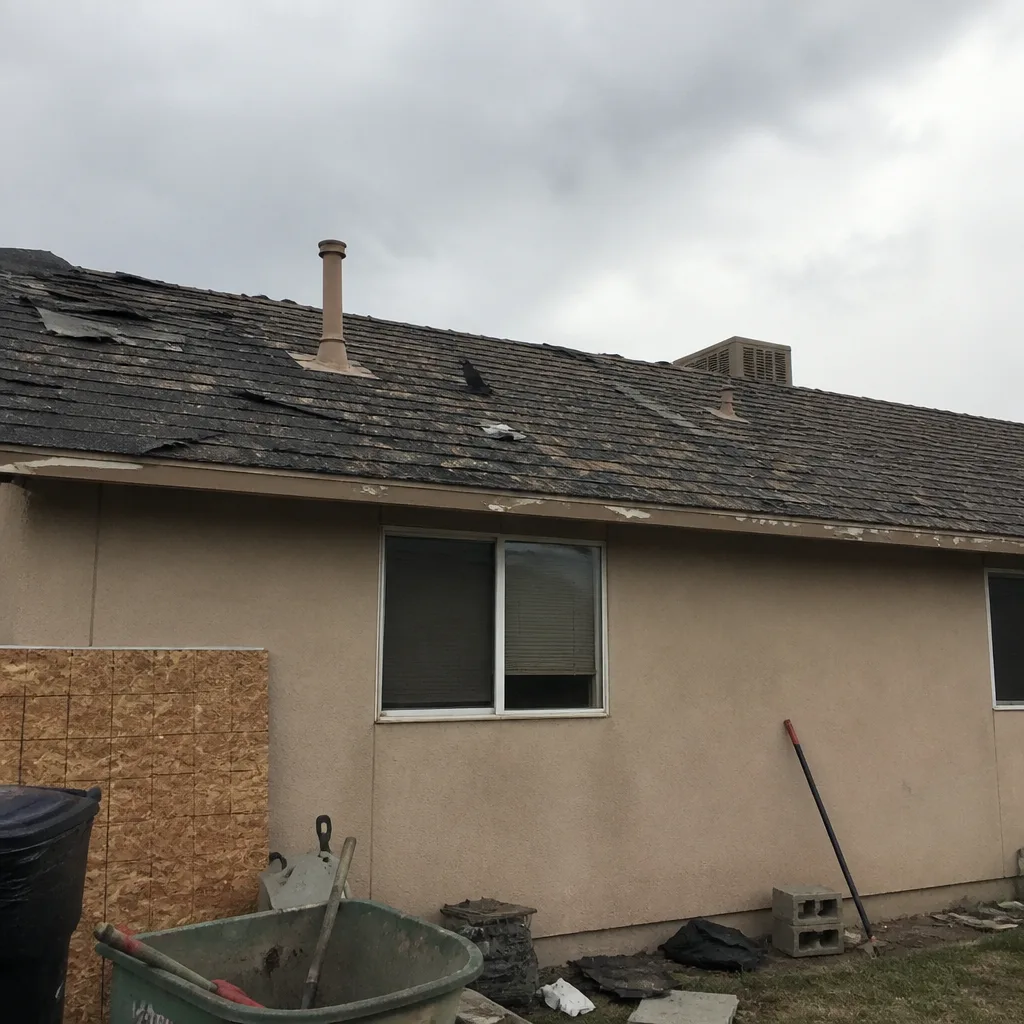 Before
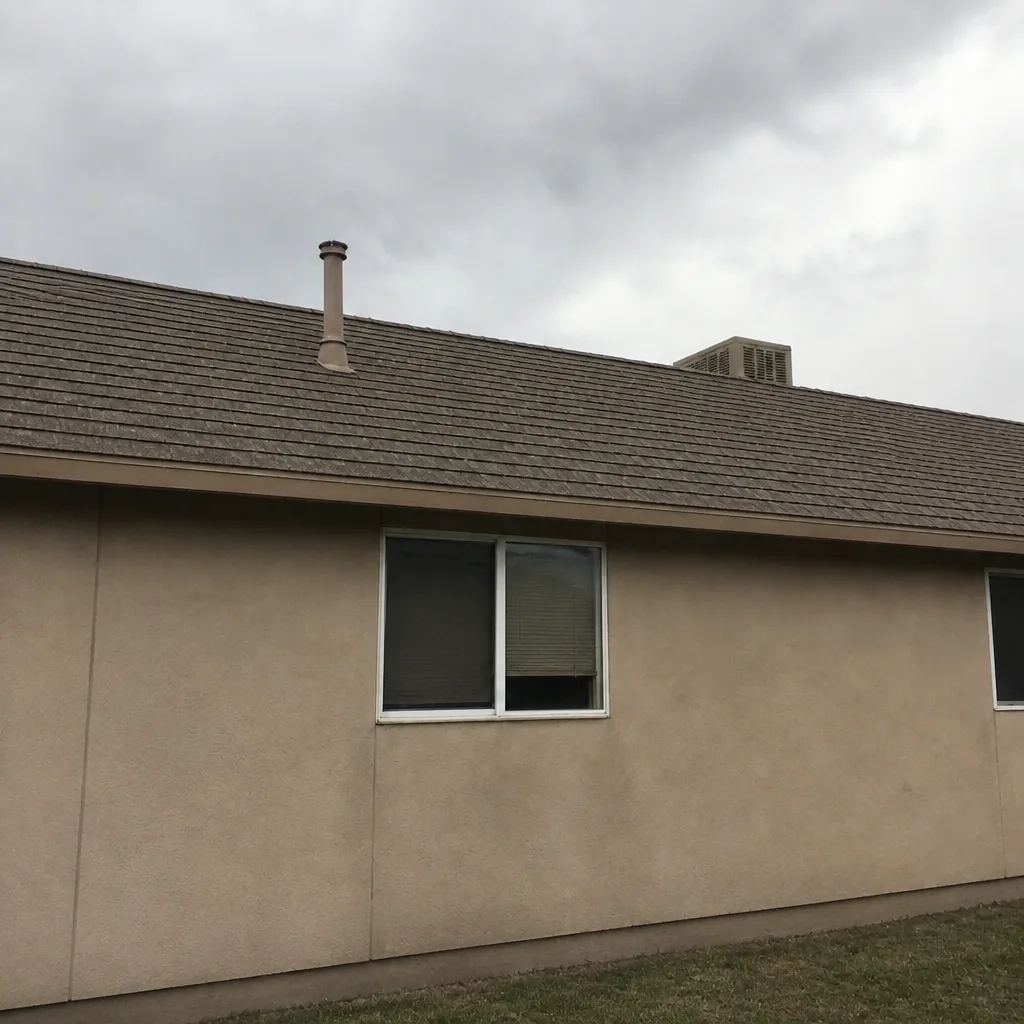 After
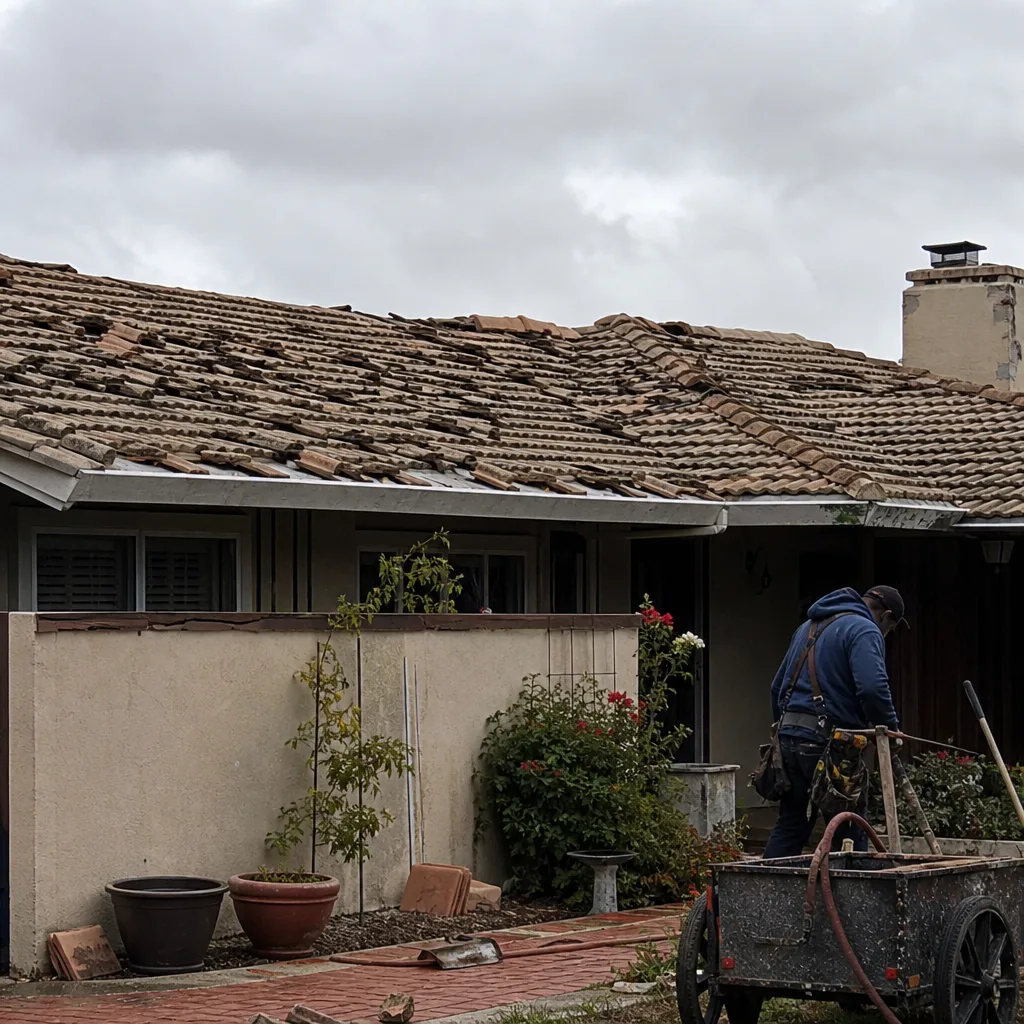 Before
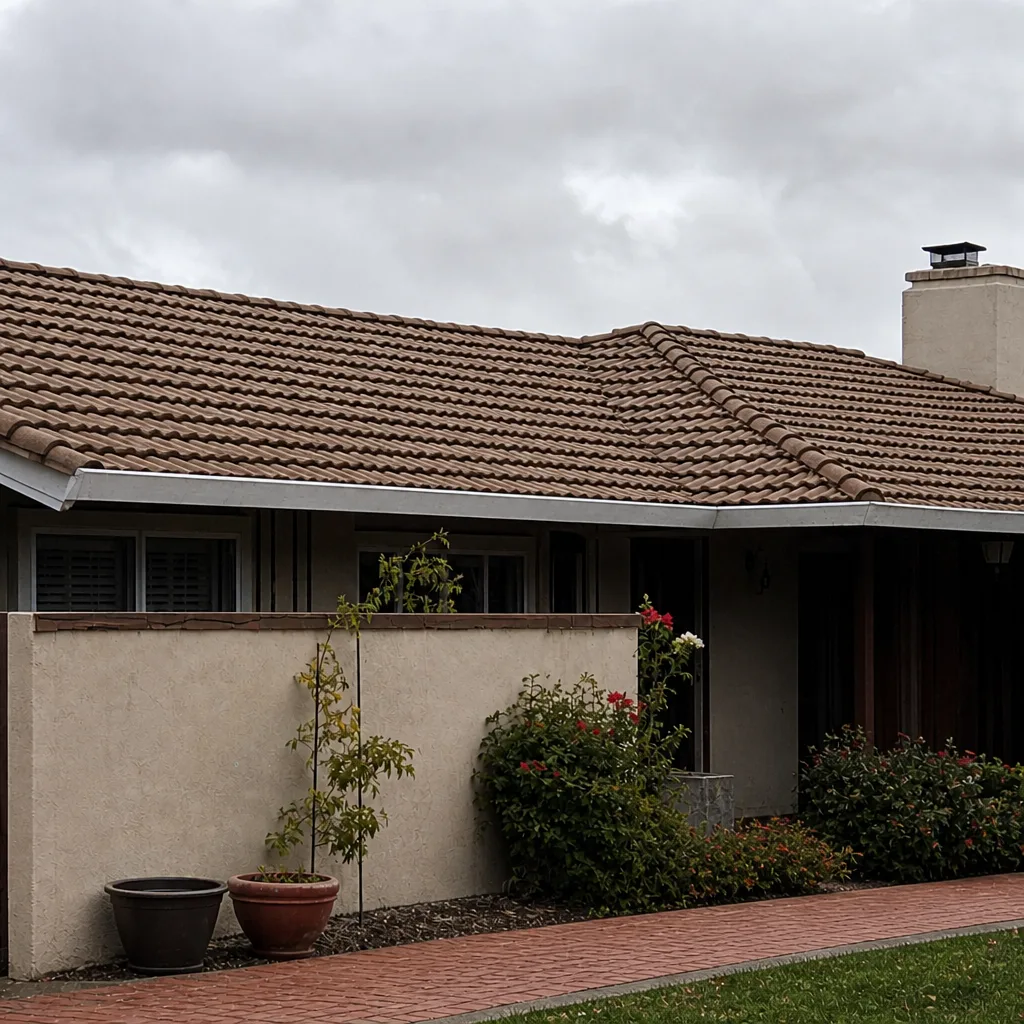 After
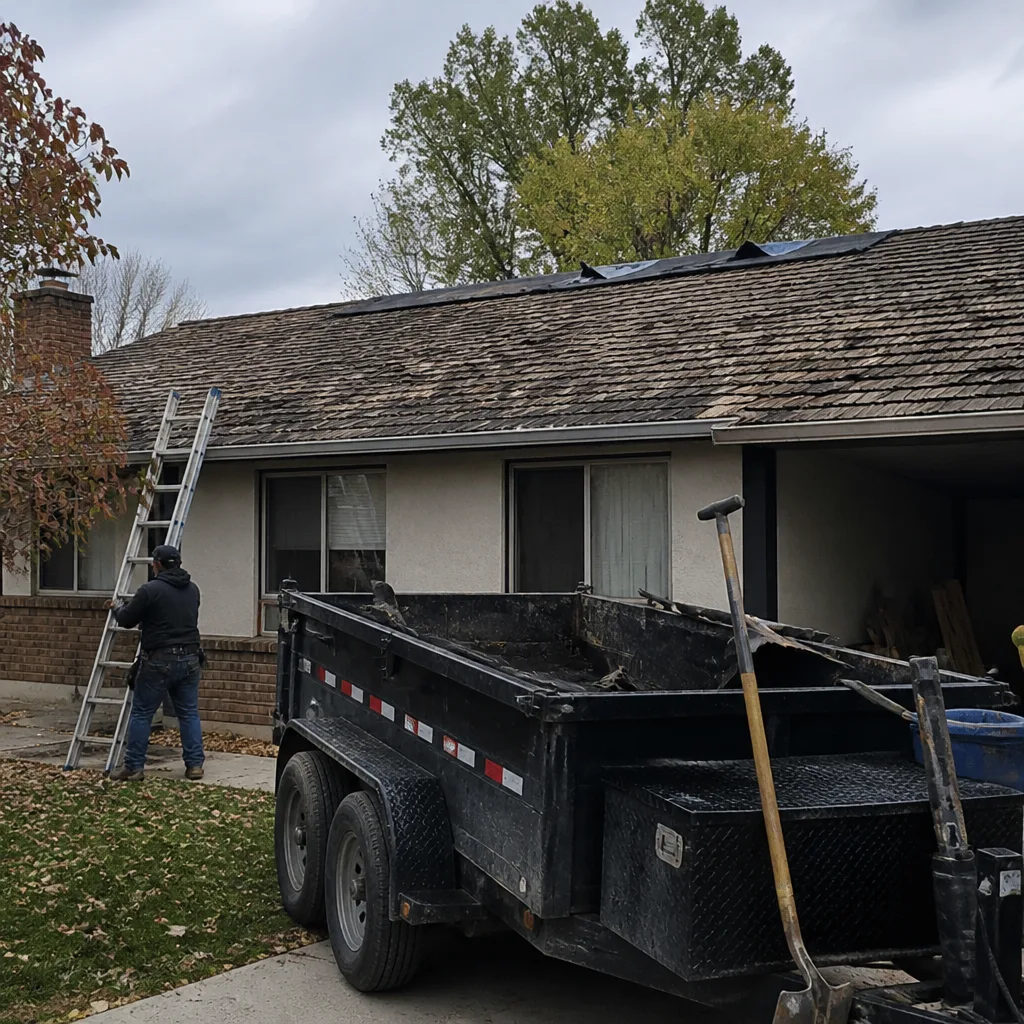 Before
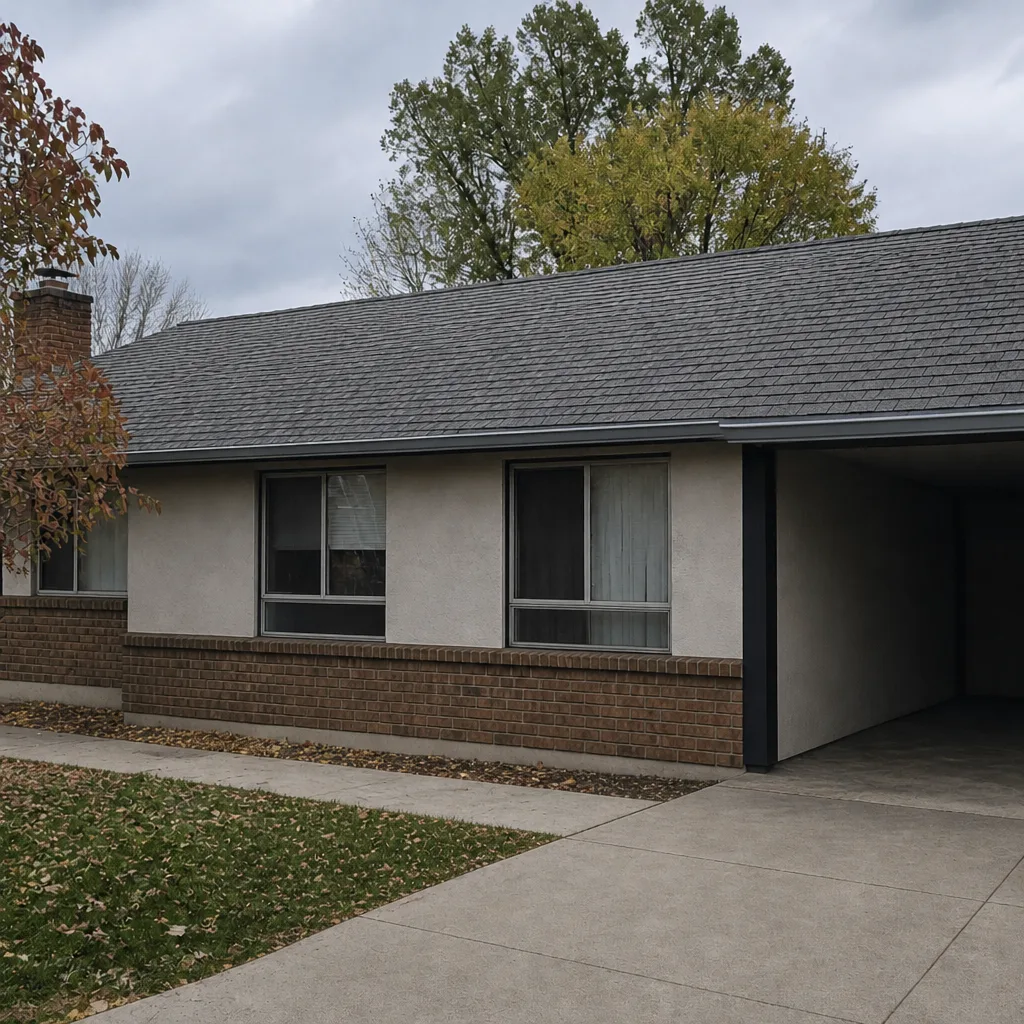 After
When to Call a Professional
Some things you check yourself; some things you don’t touch. Call a professional if you see missing, cracked or curling shingles, granules collecting at the base of downspouts, water stains on a ceiling, or daylight in the attic. Call after any hail event, and call if your attic won’t cool in the afternoon even when the AC is running fine. And never walk a pitched roof yourself. The shingles get brittle with age, the pitch is steep, and a fall is a real injury. For anything structural, or any time you’re unsure, get trained eyes on it. Shepherd & Sons Roofing Winchester offers free estimates in Winchester; to schedule yours, call (844) 797-8167.
Frequently Asked Questions
An asphalt shingle roof in Winchester realistically lasts 15 to 22 years, not the 30 years on the manufacturer wrapper, because of intense UV exposure and daily temperature swings. Metal and tile last considerably longer. Call (844) 797-8167 for a free estimate on your specific roof.
Many re-roofs and structural changes in Clark County require a permit and inspection, while some minor repairs don’t. A licensed local roofer will confirm your scope and pull the right permit. Call (844) 797-8167 to ask about your job; estimates are free.
Small repairs typically run a few hundred dollars, and full re-roofs climb from there depending on size and material. The exact number depends on the roof, so we put it in writing before work starts. Call (844) 797-8167 for a free second opinion on any estimate.
A local roofer has a real physical address and a license number you can look up, pulls the permit, and will still be around next year to honor the warranty. Same address since 1996 is the question worth asking. Call (844) 797-8167 to reach a live person.
Winchester’s fine desert dust loads the filter layer in ridge vents until airflow drops and attic temperatures climb, which ages shingles from underneath. Cleaning and rebalancing ventilation is a cheap fix. Call (844) 797-8167 to have us take a look; estimates are free.
A written, itemized estimate from a local roofer shouldn’t move after work begins. That’s why we put the number on paper and back every roofing job with a written 90-Day Done Right Promise. Call (844) 797-8167 for a free estimate.
The Bottom Line
A Winchester roof is a desert roof, and it needs to be treated like one. The sun and temperature swings shorten asphalt life well below the wrapper number, dust quietly strangles attic ventilation, and Clark County wants the permit pulled and the inspector met. Choose material for the heat, insist on correct ventilation, and hire a local roofer who’ll show a license, a real address, and a written price. That combination is what keeps a roof over your head for the long haul in this climate. When you’re ready, start with a free walk and photos before you talk money.
Ready to know what your roof actually needs? Call Shepherd & Sons Roofing Winchester at (844) 797-8167 to schedule your free estimate. A live person answers, we show you the deck photos before we talk numbers, and every job comes with our written 90-Day Done Right Promise. The name on the truck is the name on the license, and the address hasn’t changed since 1996. Roof Repair in Winchester, Roof Replacement & Installation in Winchester, and Metal Roofing in Winchester are all a phone call away.
Written by the team at Shepherd & Sons Roofing Winchester.