
Last updated November 17, 2026
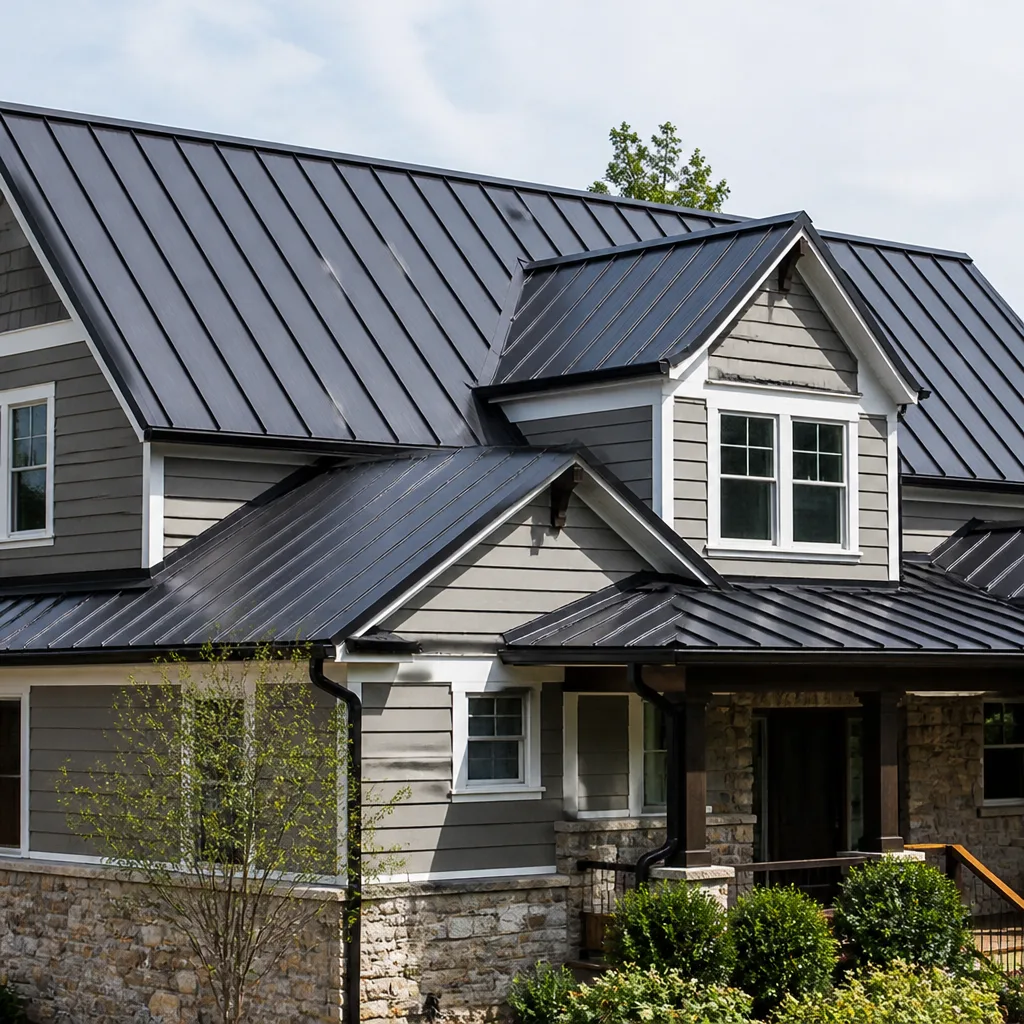 Metal roofing
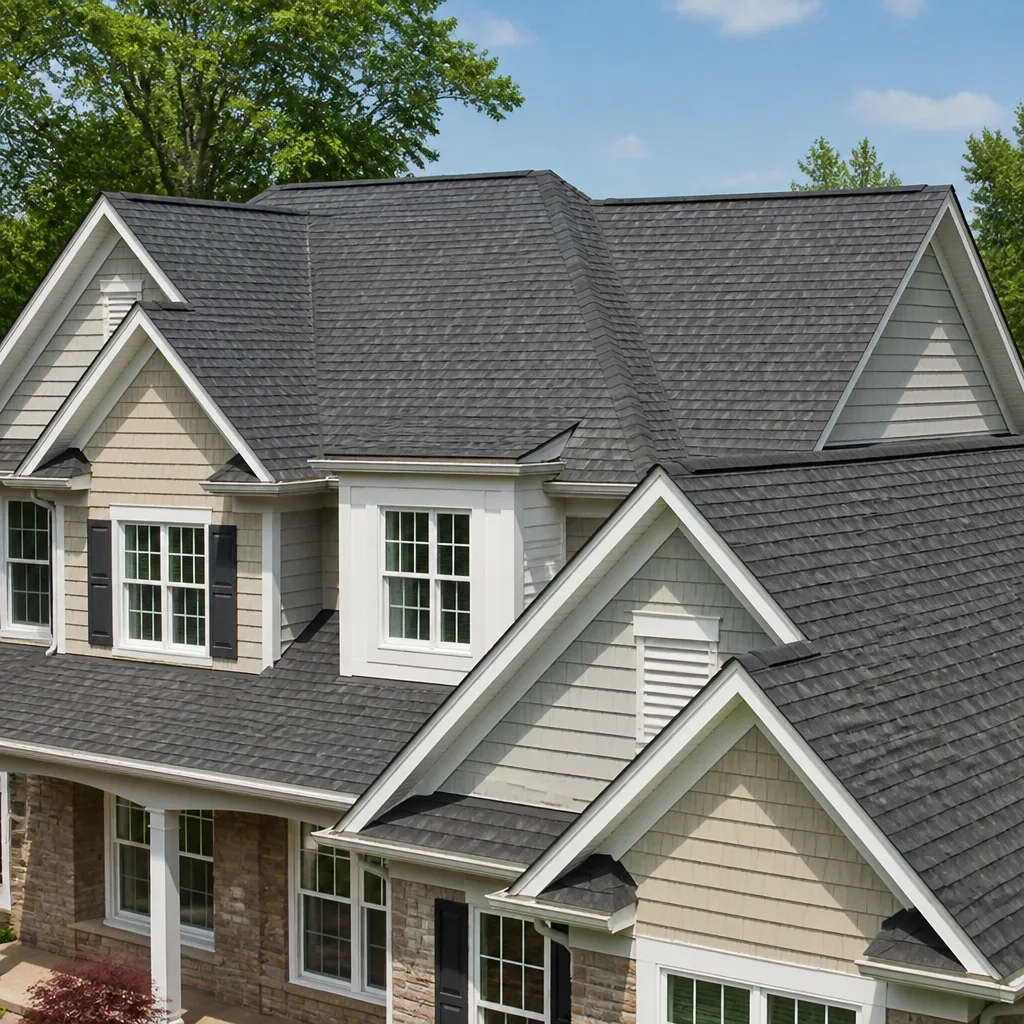 Architectural shingles
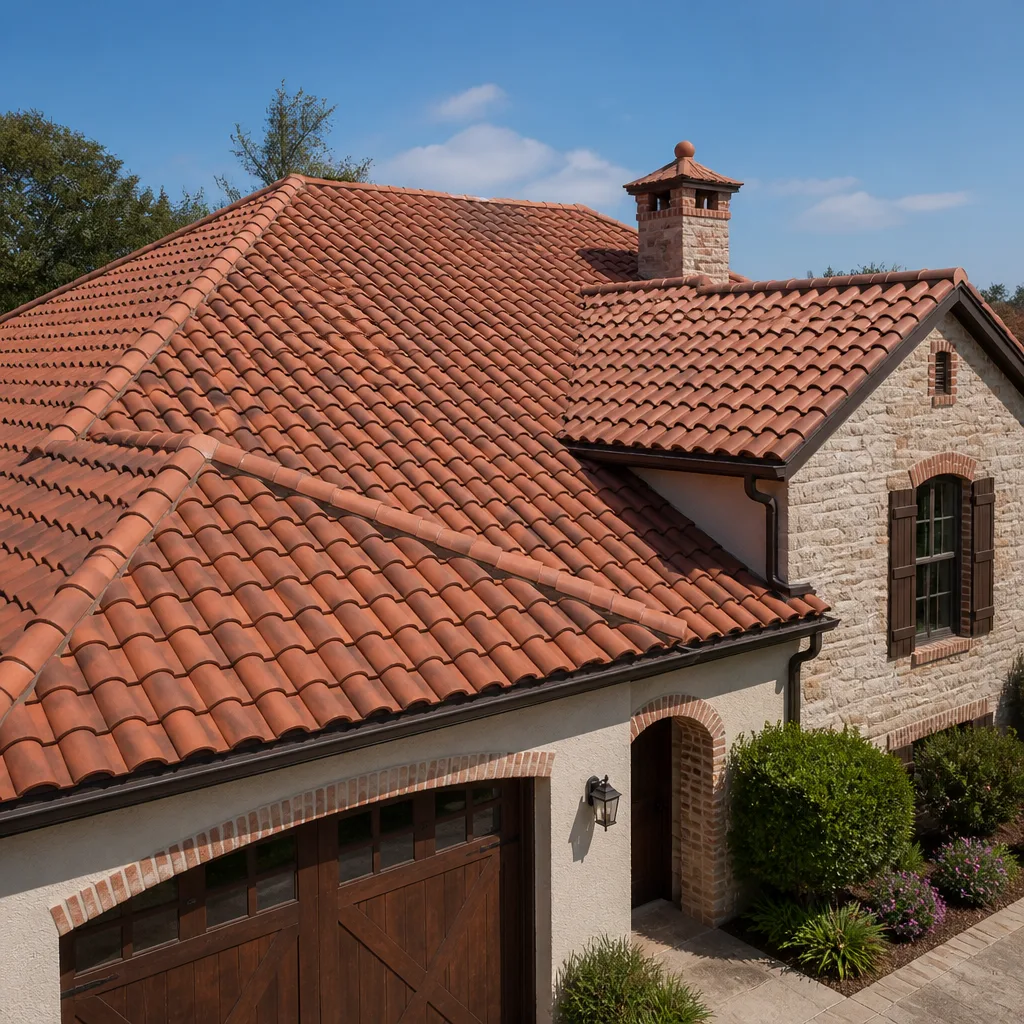 Tile roofing
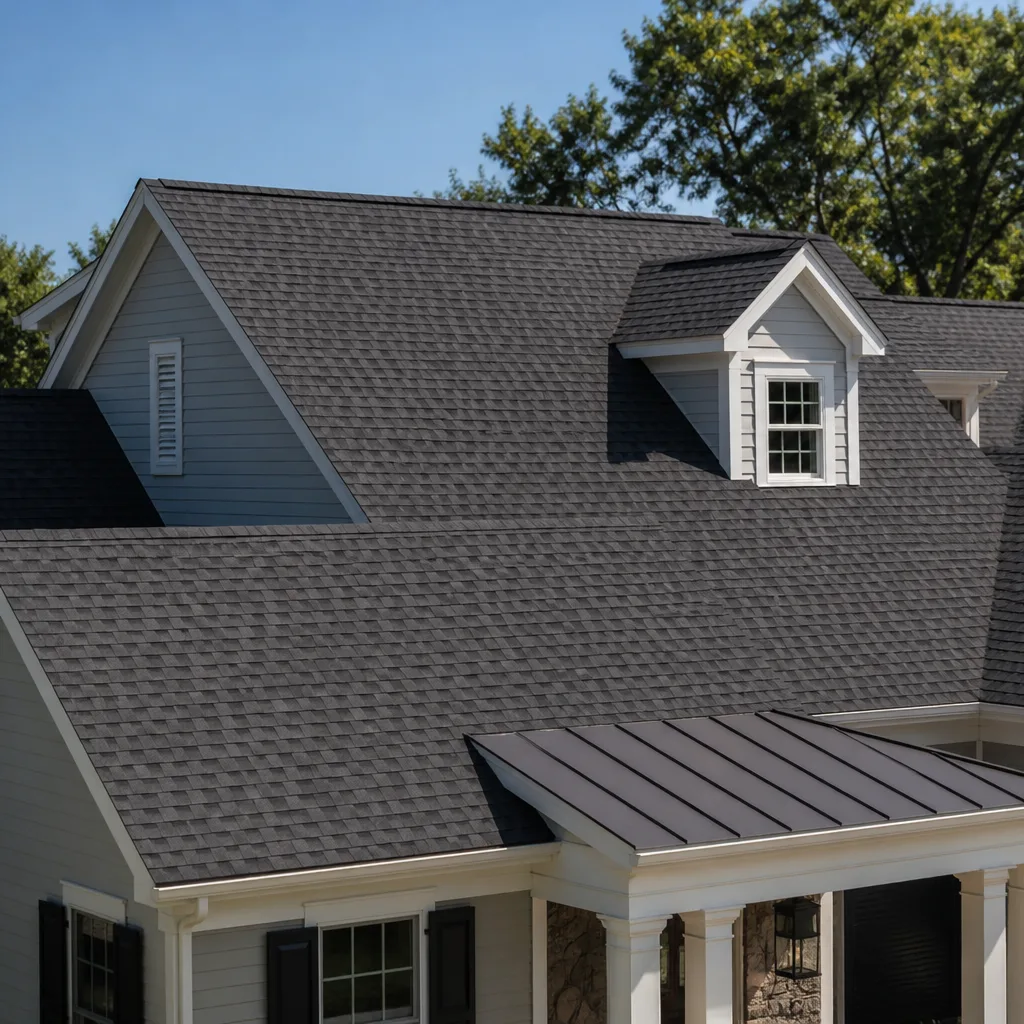 GAF
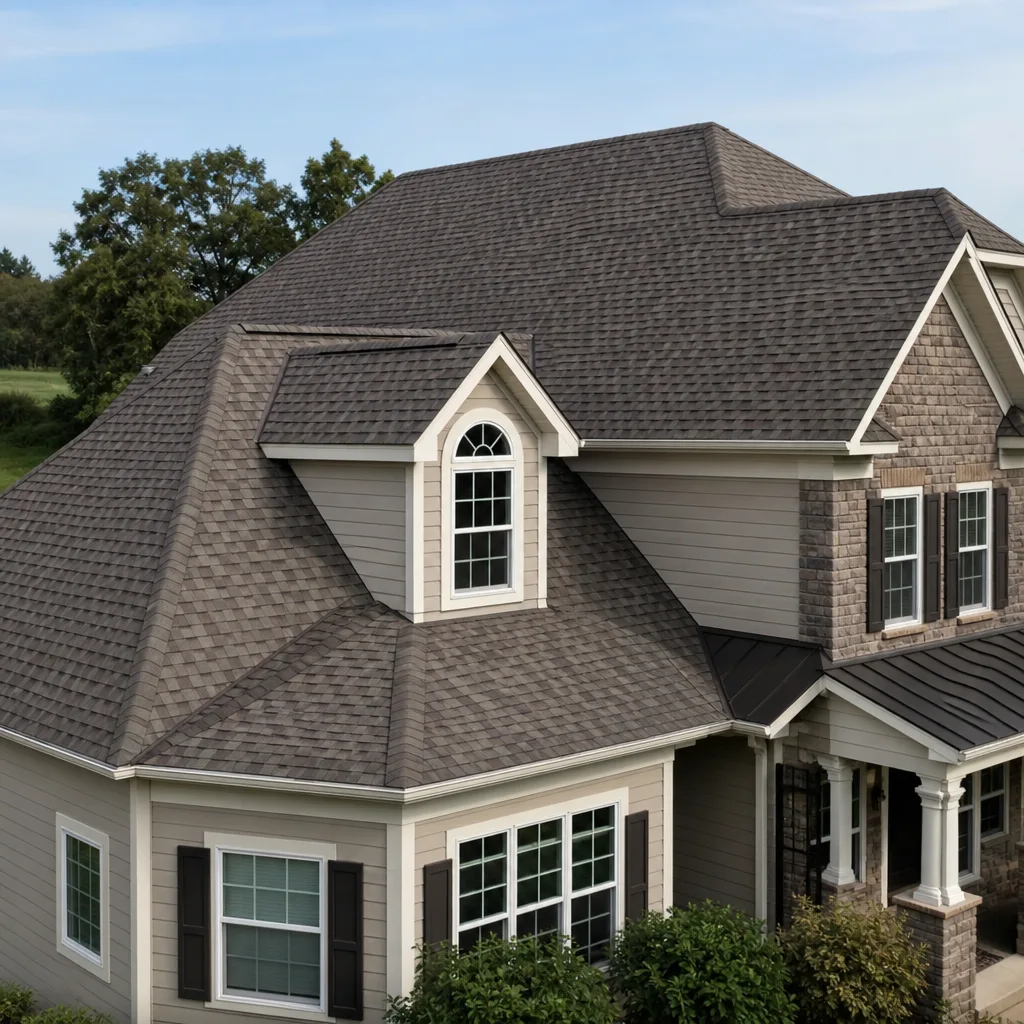 Owens Corning
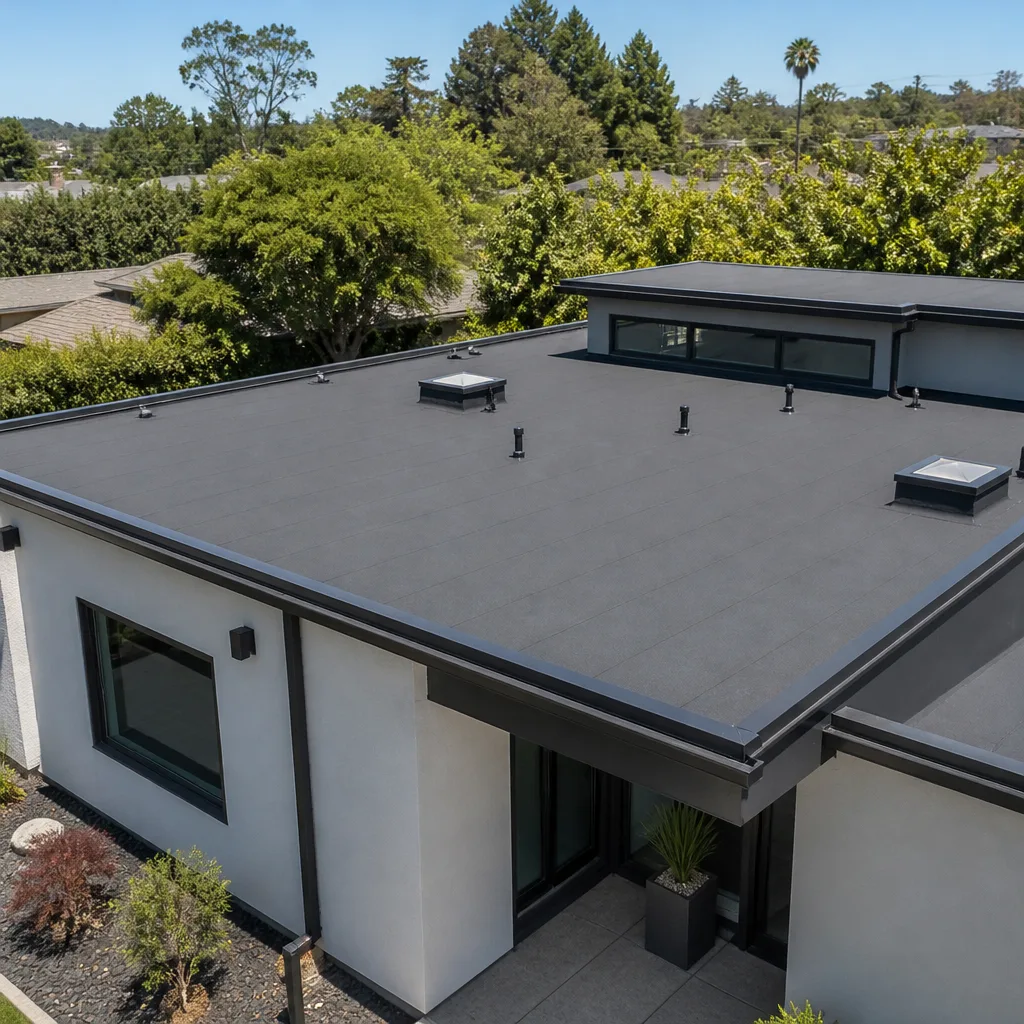 Flat & low-slope
Free roof inspection with deck photos before we talk money - GAF and Owens Corning certified installation
Choosing the Right Roofing Brand: A Buyer’s Guide for Winchester
Three of the four major shingle brands sold in Southern Nevada advertise a “lifetime” warranty. Read the fine print on the wrong product tier and you’ll find the algae-resistance clause voided by UV degradation in as little as seven years in a climate like Winchester’s. That’s the part of the pitch nobody puts in the brochure. This guide is about the two spec-sheet numbers that actually decide how long your roof lasts here, how the big brands really compare on those numbers, and which questions to ask before you sign. If you’ve ever felt like “preferred installer” was doing more for the contractor than for you, you’re not wrong, and Winchester homeowners deserve a straighter answer.
Quick Answer
The best roofing brand for a Winchester home is the one whose specification sheet shows the highest solar reflectance index (SRI) and thermal emittance for your budget tier, not the one your contractor gets a rebate on. In our high-desert climate, a mid-grade asphalt shingle with strong UV ratings will often outlast a premium shingle with poor thermal performance. Match the product to the climate first, then compare brands.
Styles & brands we work with
- Architectural shingles
- Metal roofing
- Tile roofing
- GAF
- Owens Corning
- Flat & low-slope
Table of Contents
- Why Winchester’s Climate Changes the Brand Conversation
- How to Read a Shingle Spec Sheet: SRI and Thermal Emittance
- Brand-by-Brand Comparison for High-UV Environments
- What “Preferred Installer” Status Really Means
- Tile and Metal vs. Asphalt: The 20-Year Math
- What a Warranty Actually Covers (And What It Doesn’t)
- Common Mistakes to Avoid
- Frequently Asked Questions
Why Winchester’s Climate Changes the Brand Conversation
Winchester sits on the eastern edge of the Las Vegas Valley, which means it shares the same brutal combination: around 4,500 to 5,000 cooling degree days a year, summer roof-deck surface temperatures that regularly push past 160°F, and a freeze-thaw cycle in January and February that’s short but real. Roofs here don’t fail from snow load or constant rain. They fail from UV breakdown, thermal expansion, and the daily swing between a 75°F night and a 160°F afternoon deck.
That daily swing is the thing every homeowner should understand. Asphalt shingles expand when they’re hot and contract when they cool. Over ten or fifteen years, that flexing works on the seals, the mat, and the granules. A shingle that performs beautifully in a mild coastal market may crack at the seal strip in Winchester after eight summers. Manufacturers know this. That’s why the same brand sells different product tiers for different regions, and why the tier you buy matters more than the logo on the wrapper.
Winchester also has a specific code detail worth knowing. Because the valley gets monsoon-season wind gusts that have reached 70 mph in recent storms, roof assemblies here should be installed to the higher wind-uplift requirements in the Clark County building code – typically a minimum of six nails per shingle in the field and eight on the perimeter, not the four-nail pattern you’ll see in older work. Ask any bidder how many nails they’ll drive and where. The nailing pattern earns the wind rating, not the shingle wrapper.
How to Read a Shingle Spec Sheet: SRI and Thermal Emittance
Most homeowners never see a specification sheet. They see a color sample and a price. But two numbers on that sheet – solar reflectance index and thermal emittance – tell you more about how a shingle will survive in Winchester than any warranty brochure ever will.
Solar Reflectance Index (SRI) measures how well a surface reflects solar heat. It runs from 0 (black asphalt, absorbs everything) to 100 (bright white, reflects most of it). In a city with Winchester’s heat profile, an SRI of 20 or higher on a shingle is worth having. An SRI under 10 means your roof is soaking up nearly all the sun that hits it, and your attic is paying for it every afternoon from May through September.
Thermal Emittance measures how quickly a surface sheds the heat it has absorbed once the sun goes down. A high-emittance surface cools faster at night, which reduces the thermal shock that cracks shingle mats. Look for an emittance of 0.75 or higher.
- Ask every bidder for the manufacturer’s spec sheet, not just the product brochure.
- Find the solar reflectance index (sometimes listed as “SRI” or “initial reflectance”).
- Find the thermal emittance value.
- Compare those two numbers across every bid, not the price alone.
- Ask how many squares the bidder counted. A roof is measured in squares – ask any bidder how many they counted, and compare the count line by line.
If your bidder can’t produce a spec sheet, that tells you something about how seriously they take the material. In our experience across Winchester, the bids that show you the numbers up front are almost always the ones that hold their price when work starts.
Brand-by-Brand Comparison for High-UV Environments
This isn’t a star-rating exercise. It’s an honest read of what the major brands available through Clark County distributors actually do well in a high-UV market like Winchester, based on how their products are built and specified. We install and have installed all of the brands below, and we set every one of them the same way.
- GAF. The Timberline HDZ line carries a strong granule adhesion system and a modest SRI on the lighter colorways. GAF’s UV-protective mat technology is legitimately good, and the product is widely stocked locally. The top-tier warranty, however, requires a GAF-certified installer to file the paperwork correctly. Ask who is filing it.
- CertainTeed. The Landmark series performs well on thermal cycling because of a slightly heavier mat. CertainTeed’s spec sheets are the most transparent of the majors on reflectance and emittance, which makes comparison shopping easier.
- Owens Corning. The Duration line uses a SureNail strip that improves nail placement consistency on the deck. Good for wind, decent on thermal performance, and the lighter colors hit meaningful SRI numbers.
- Atlas. Atlas shingles include a built-in scotchguard algae-resistant coating on several tiers, which matters in Winchester if you have a north-facing slope that stays damp longer after monsoon storms. Their spec sheets list SRI clearly.
What you won’t see advertised: all four brands sell a “builder grade” or “contractor grade” tier that looks similar in a photo and performs noticeably worse on UV exposure than the mid-tier product. If a bid comes in dramatically lower than others for the same brand, that’s usually why. Ask which tier is being quoted, in writing.
What “Preferred Installer” Status Really Means
Here’s the part the sales pitch leaves out. When a manufacturer designates a roofer as a “preferred installer,” that company has agreed to buy a certain volume of that manufacturer’s product, to market the brand in a certain way, and often to use the manufacturer’s own financing or warranty registration portal. In exchange, the contractor gets better pricing, marketing support, and the ability to register customers for the manufacturer’s top-tier warranty. None of that is dishonest. But none of it changes the shingle itself.
What it means for you: the product quality is identical to any other contractor buying the same product tier. The warranty coverage may actually be easier to activate because the paperwork gets filed correctly. But a preferred installer can still quote you the bottom-tier product, still count squares short, and still install with a four-nail pattern.
What it doesn’t mean: a preferred installer has been independently validated by the manufacturer as the best roofer in Winchester, or that the shingles they install on your roof are any better than the ones another contractor installs. That question is answered by the spec sheet and the workmanship, not the badge on the website. When someone’s whole pitch is the badge, ask what tier they’re quoting and how many squares they counted.
Tile and Metal vs. Asphalt: The 20-Year Math
Asphalt is the default in Winchester because it’s the cheapest to install. But the brand conversation changes entirely when you run the cost per year instead of the cost up front. Tile and metal both cost more to install and last dramatically longer in this climate, where UV exposure and thermal cycling are the primary killers of a roof.
Concrete tile and clay tile both handle UV exposure almost indefinitely – the surface reflects heat rather than breaking down, and tile doesn’t have an adhesive mat to fail after fourteen summers. Metal roofing, particularly standing-seam or stone-coated steel, reflects solar radiation back and sheds it fast, which is why metal is one of the few roofing materials that actually delivers lower cooling bills in Winchester’s summers. Both materials are also far less vulnerable to wind uplift when installed to Clark County code.
Run the math over twenty years. A mid-grade asphalt roof will need to be replaced or significantly repaired within fifteen to twenty years in Winchester’s heat profile. A tile or metal roof will typically still be performing at that point with routine maintenance. The higher up-front cost on tile or metal often lands at a lower cost-per-year by year fifteen, and the gap widens from there. If you’re staying in the home, or you’re handing it to family, the math is worth running before you default to asphalt.
This is exactly the conversation we have before quoting a metal roofing or tile project, and one of the reasons we walk homeowners through the deck photos and the spec sheets before we talk money. A replacement is one of the biggest checks a homeowner writes. It should be an informed one.
What a Warranty Actually Covers (And What It Doesn’t)
This is where most buyers get burned, and it has nothing to do with the brand’s reputation. Every major shingle warranty in the country, from GAF and CertainTeed to Owens Corning and Atlas, works the same way at the top. What differs is the fine print at the bottom.
What most manufacturers cover: the shingle against a defined list of manufacturing defects, typically prorated on a sliding scale that decreases the payout every year after the first decade. Some cover tear-off labor on a separate, shorter schedule, or only on the top-tier “system” warranty that requires certification and registration by a preferred installer.
What most manufacturers do not cover:
- Installation error – the most common cause of premature failure. Nail too few, nail too high, or nail through the seal strip and the warranty won’t touch it.
- UV degradation past a certain threshold at low product tiers, especially the algae-resistance clause that gets voided on the builder-grade tiers.
- Ventilation-related failures – a roof installed over an under-vented attic can overheat and fail, and the manufacturer will exclude it.
- Damage from hail over the impact-resistance rating, or wind over the wind-speed rating, as documented by an adjuster.
- Proration: a “50-year warranty” almost never pays 50 years of coverage. It usually pays a percentage that shrinks every year you own the roof.
The exclusion language to look for before you sign: “void if installed in a manner inconsistent with published application instructions,” or “excluded where attic ventilation is below the manufacturer’s minimum requirement.” Those two phrases are the most common warranty killers. Ask your bidder, in writing, which of them applies to your roof.
Which is why we back every job with the 90-Day Done Right Promise – if it’s not done right, we make it right, in writing. One call brings the crew back, and because it’s our name on the work, we have real skin in the game. A manufacturer’s warranty is a backstop. The workmanship warranty is what actually protects your roof after the first year.
Common Mistakes to Avoid
- Buying the brand instead of the tier. Two quotes for the “same” GAF or CertainTeed shingle can be a $2,000 to $4,000 difference if one is builder-grade and the other is mid-tier. Ask which tier is quoted, in writing.
- Never asking for a spec sheet. In a Winchest
er climate this hot, the solar reflectance index and thermal emittance numbers are the actual product. If the bidder can’t produce them, they’re guessing. - Assuming “preferred installer” means better shingles. It means the contractor gets a rebate and can register the top warranty tier. It doesn’t change what arrives on the truck. Ask what tier is going on the roof.
- Signing off on a verbal square count. A roof is measured in squares – ask any bidder how many they counted, and get it in writing next to the material line.
- Ignoring the nailing pattern. A six-nail field pattern and eight-nail perimeter are what earn the wind rating in Clark County. Four nails voids the wind coverage and will lift in a Winchester monsoon gust.
- Treating the manufacturer warranty as the whole protection. Read the exclusion language first, especially on ventilation and installation. A manufacturer’s warranty is a backstop, not a guarantee.
- Defaulting to asphalt because it’s cheapest up front. Tile and metal cost more today and often show a lower cost-per-year by year fifteen in Winchester’s UV profile. At least run the math before you skip the conversation.
See the difference
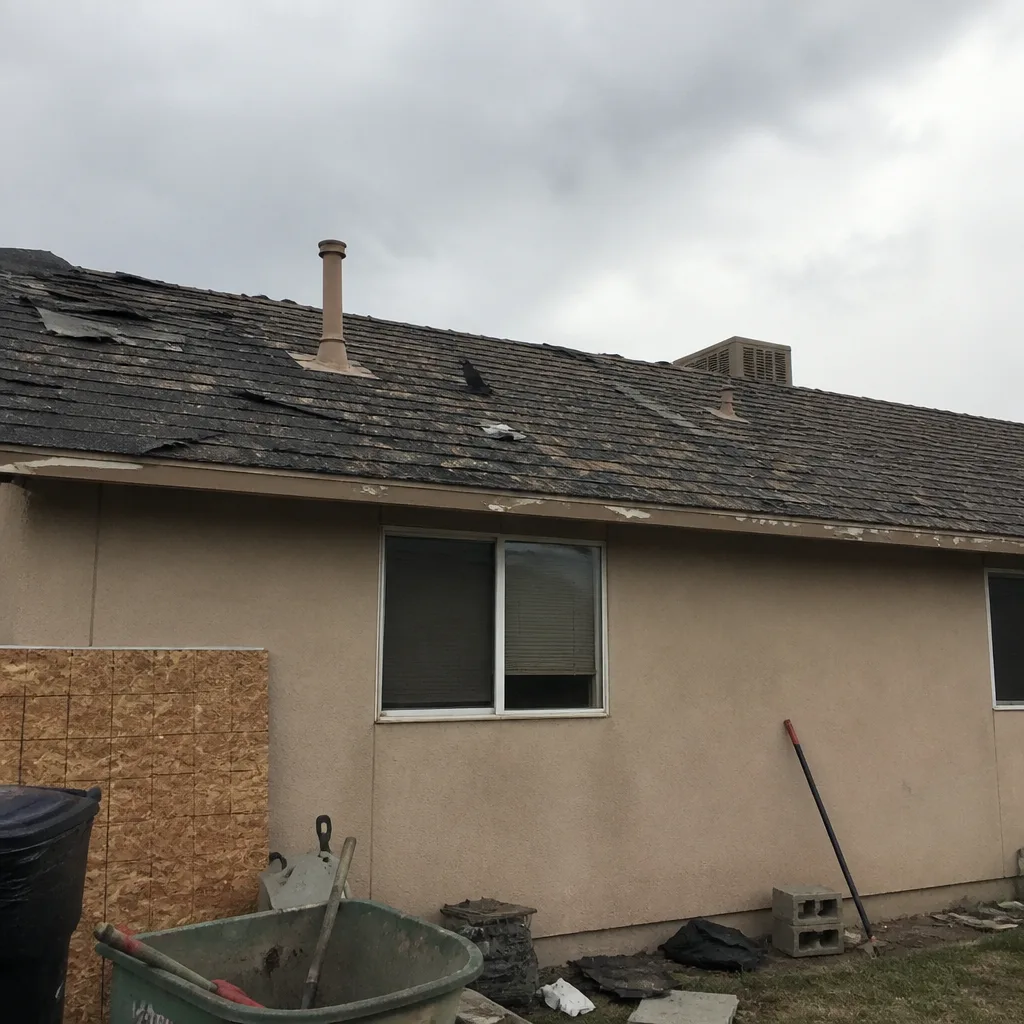 Before
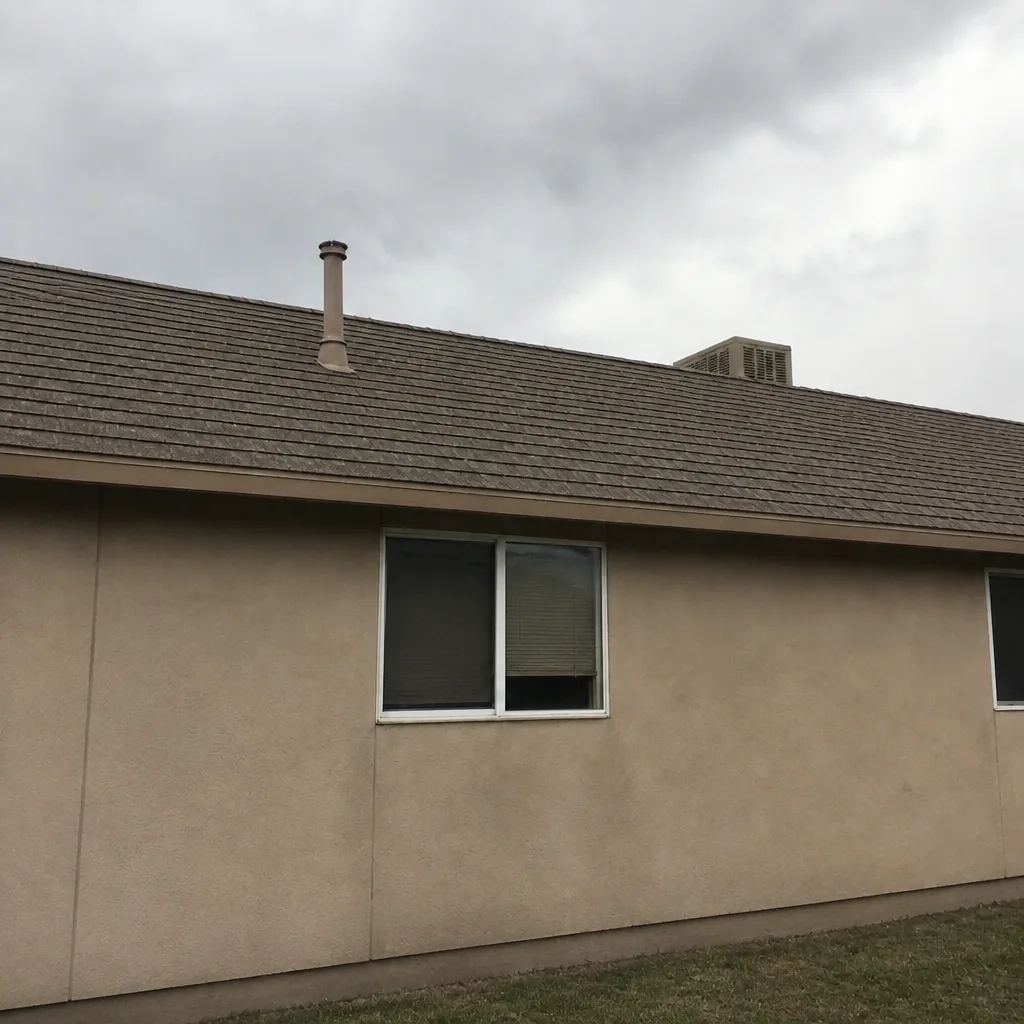 After
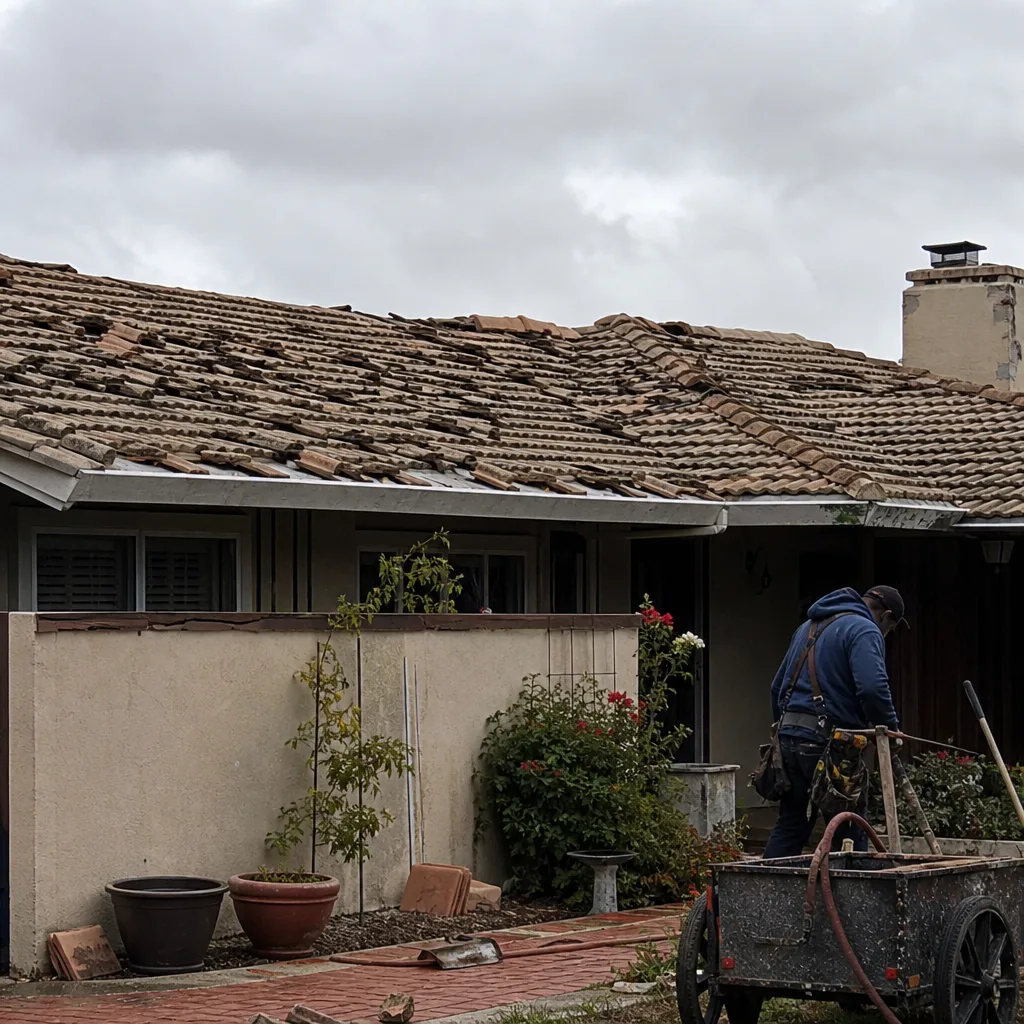 Before
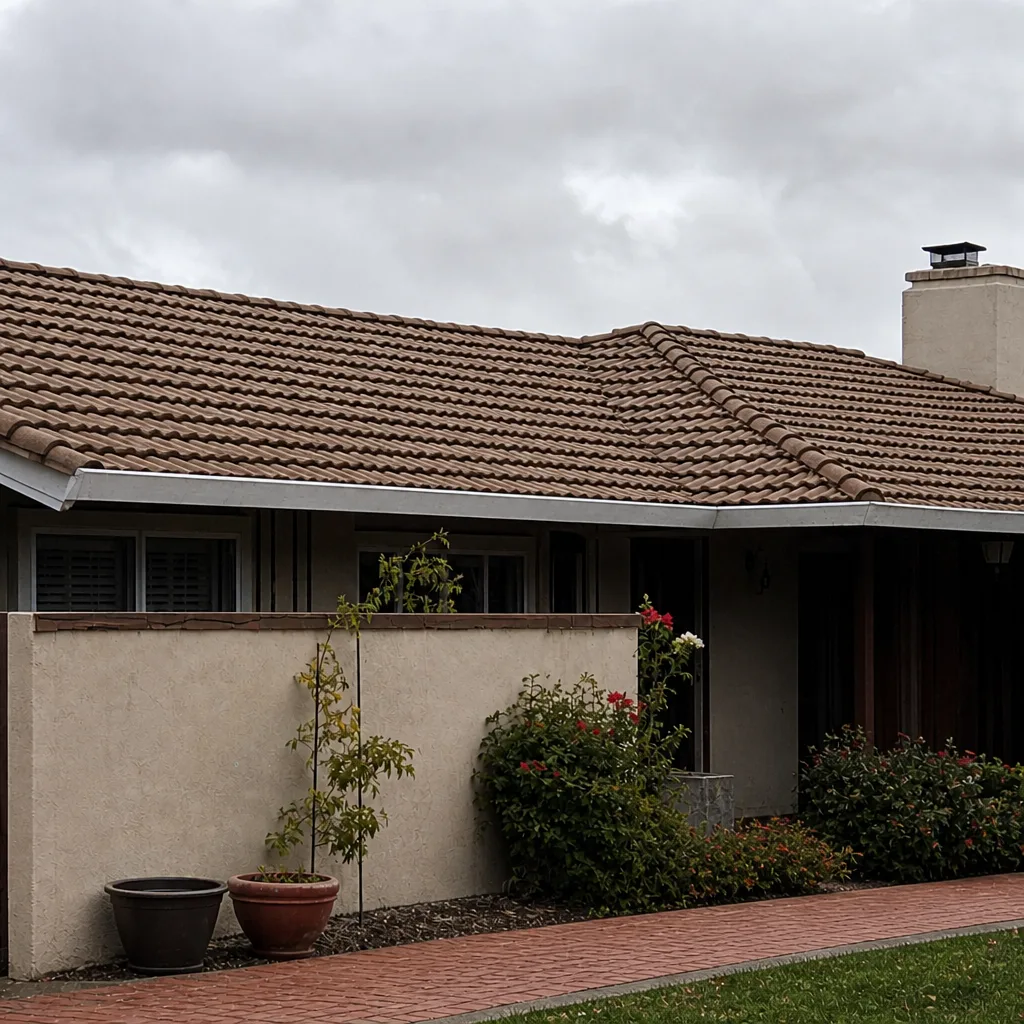 After
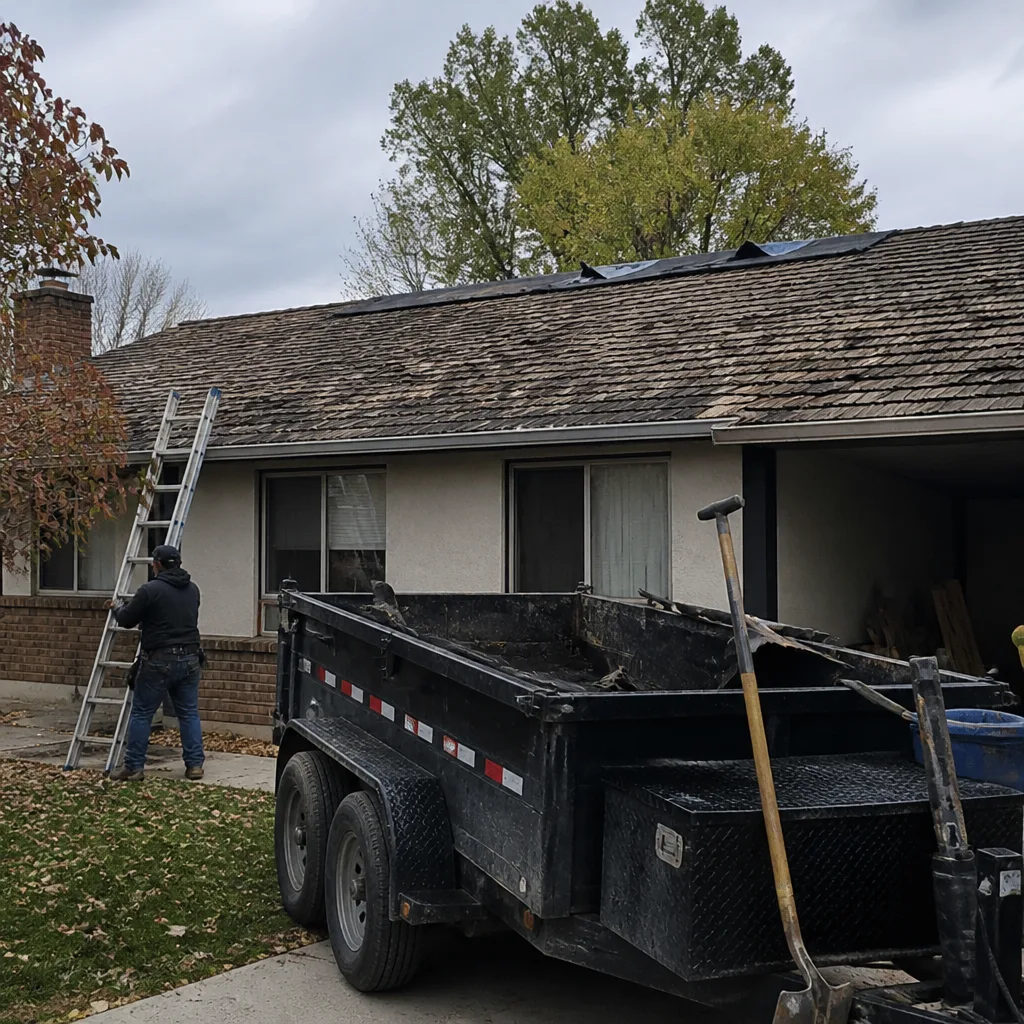 Before
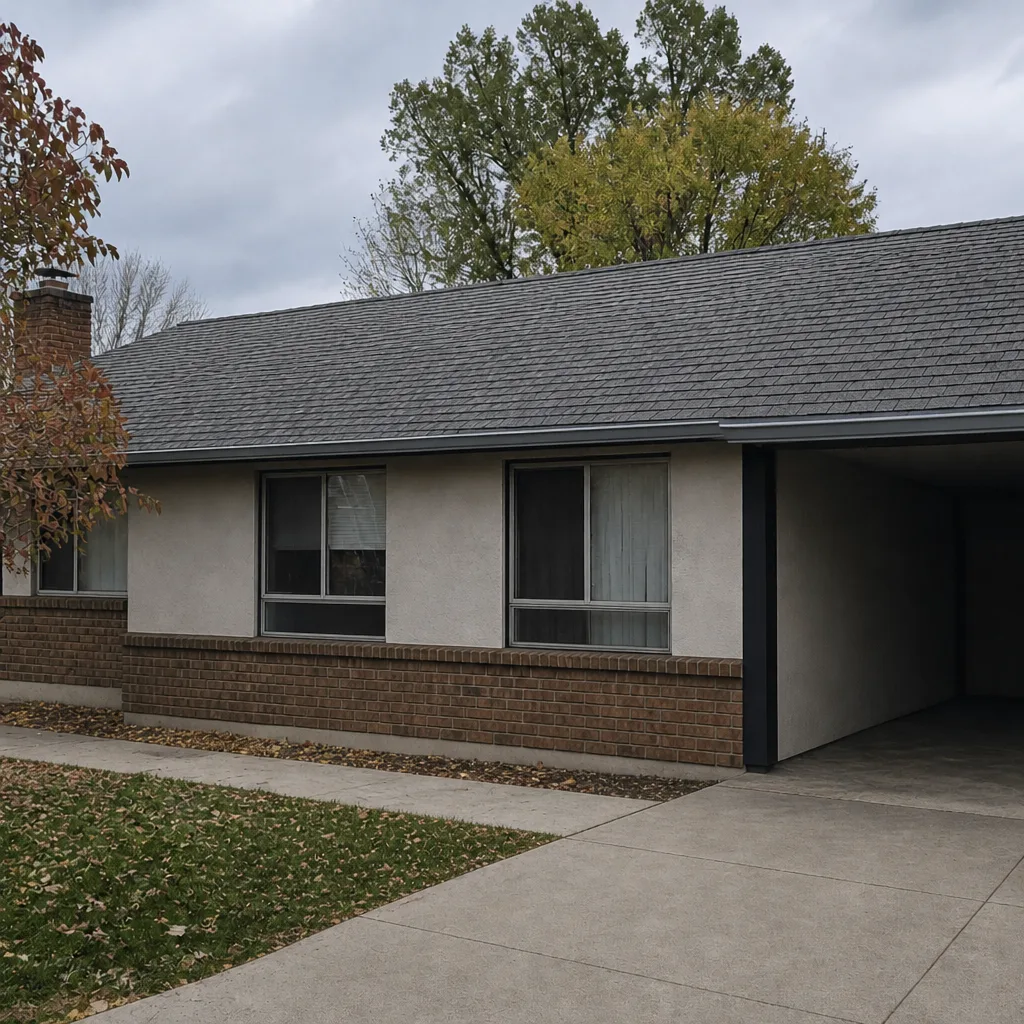 After
When to Call a Professional
Roofing is not a weekend project for a homeowner with a ladder and a cordless drill. Asphalt is a straightforward material to work with, but the work happens fifteen to thirty feet up, on a surface that’s often over 140°F, and the failure modes of a bad install – water intrusion, wind uplift, failed warranty – don’t show up for months. If you’re seeing granules in the gutter after every windstorm, if the deck feels soft underfoot, if you have a leak after a monsoon, or if you’re facing a full replacement on a home older than 1996, it’s time to get a professional on the roof. Our team at Shepherd & Sons Roofing Winchester offers free estimates in Winchester, and we show you the deck photos before we talk money. Call (844) 797-8167 to schedule yours.
Frequently Asked Questions
There isn’t a single “best” brand – the best shingle is the one whose spec sheet shows the highest solar reflectance index and thermal emittance at your budget tier. GAF, CertainTeed, Owens Corning, and Atlas all make mid-tier products that perform well in high-UV climates. The tier matters more than the logo. Call (844) 797-8167 for a free second opinion on any written estimate before you buy.
A full asphalt shingle roof replacement in Winchester typically runs in the mid-thousands to mid-teens depending on square footage, pitch, and material tier, while tile and metal run higher up front and lower on cost-per-year over the long haul. We quote line item by line item with no trip charge inside our own county, so you know the number before anyone touches your roof. Call (844) 797-8167 to schedule your free estimate.
It shouldn’t if the bid was done properly, and at Shepherd & Sons we quote the deck count, the material tier, and the nailing pattern in writing before any work begins. If rot or a change in deck condition turns up after tear-off – and it does happen in older Winchester homes – we show you the photos and get approval before the price changes. Ask any bidder up front what could change the price. Then call us at (844) 797-8167 for a free second opinion.
Yes – a full replacement in Clark County requires a permit, and the work should be inspected before final sign-off. Ask any roofing bidder who is pulling the permit and whether they’ll show you the inspection card. If a roofer tells you permits aren’t needed, that’s a red flag. Call (844) 797-8167 and we’ll walk you through what Winchester requires.
Tile and metal both cost more to install because the material and the fastening system are more expensive and take longer to set. But in Winchester’s climate, where asphalt shingles wear out from UV and thermal cycling, tile and metal often cost less per year over a twenty-year window and reduce cooling costs. If you’re planning to stay in the home, it’s worth running the math. Call (844) 797-8167 for a free breakdown.
No. Nearly every manufacturer warranty excludes installation error, which is the single most common cause of a roof failing early. That’s why workmanship matters as much as the brand – and why we back every job with the 90-Day Done Right Promise in writing. Call (844) 797-8167 for a free estimate on any Winchester roofing project.
The Bottom Line
Choose the roof by the spec sheet, not the badge. In Winchester’s high-UV climate, solar reflectance index and thermal emittance decide how many summers a shingle survives, and the product tier matters more than the manufacturer’s name. “Preferred installer” status is a business arrangement that helps the contractor and can help you register the top warranty tier, but it doesn’t change what arrives on your roof. Run the cost-per-year on tile and metal before you default to asphalt, and read the warranty exclusion language before you sign. For a straight, informed quote from a locally owned and owner-operated shop, call Shepherd & Sons Roofing Winchester at (844) 797-8167 to schedule your free estimate.
Written by the team at Shepherd & Sons Roofing Winchester.