
Last updated November 17, 2026
 Architectural shingles
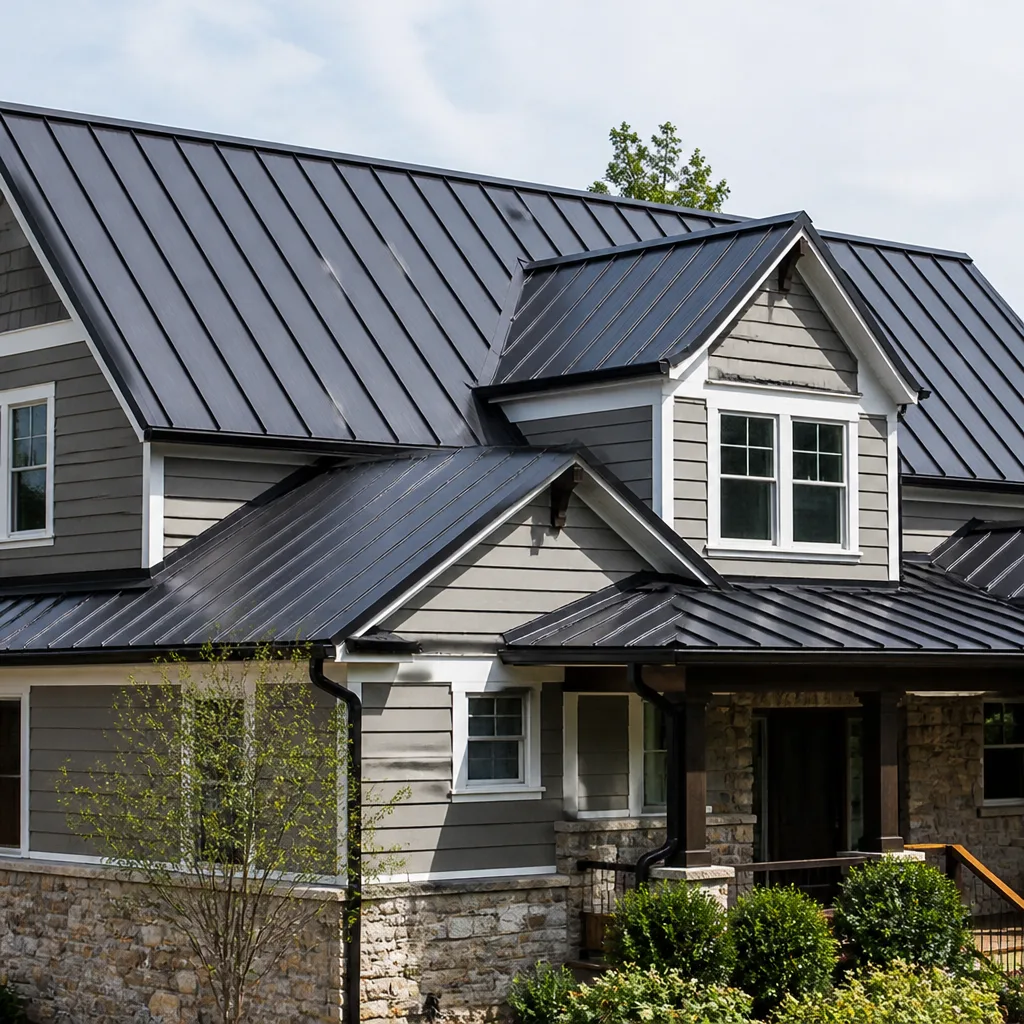 Metal roofing
 Tile roofing
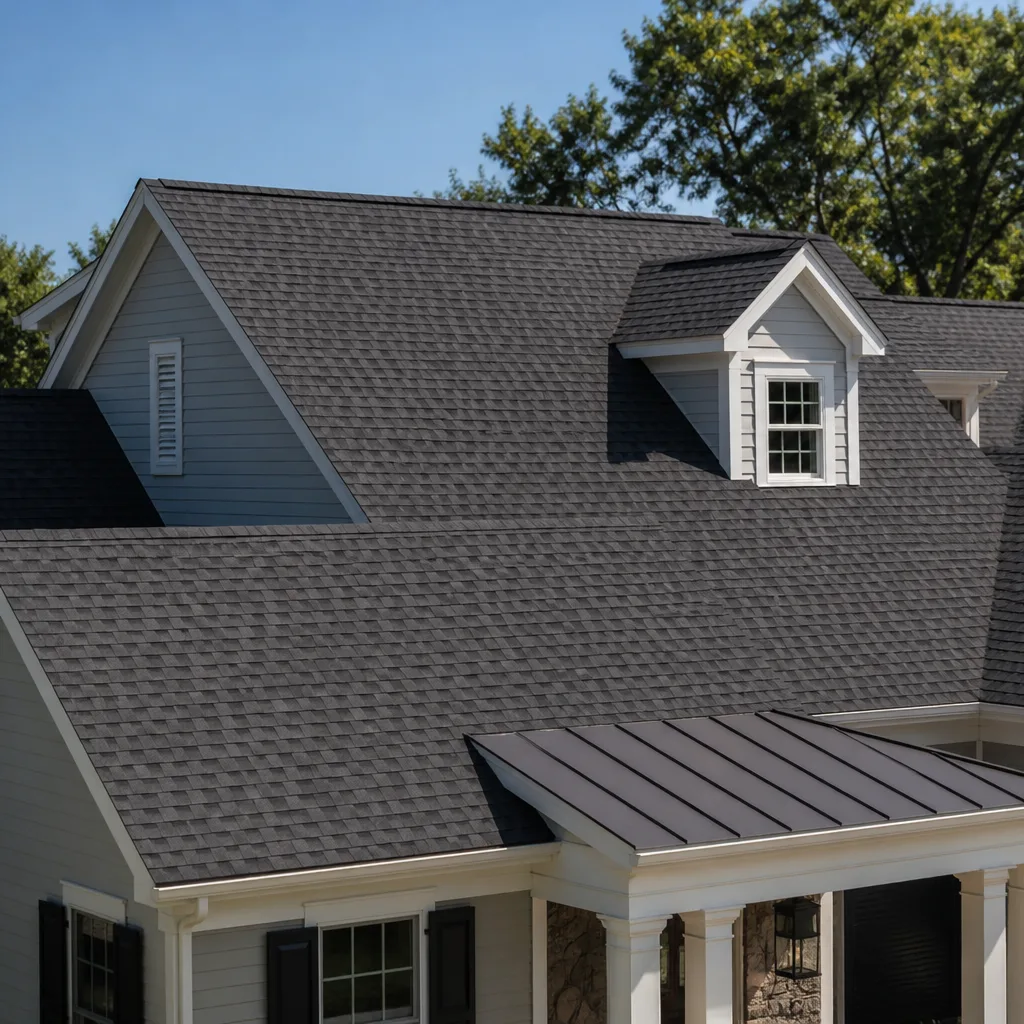 GAF
 Owens Corning
 Flat & low-slope
Free roof inspection with deck photos before we talk money - GAF and Owens Corning certified installation
Roof Replacement & Installation Warning Signs Every Homeowner Should Know
By the time you spot a brown ring on the ceiling, the plywood above it has likely been wet for months. That stain isn’t the problem, it’s the receipt. In our experience across Winchester, the roof failures that cost the most were visible in the attic long before they showed up in the living room. This guide flips the usual inspection: instead of staring at shingles from the curb, we start inside your attic and work outward. You’ll learn the quiet signs, the ones that separate a repair from a replacement, and how to spot the storm-chaser pitch before it costs you.
Quick Answer
The clearest warning signs you need a roof replacement are daylight showing through the roof deck, dark staining or damp decking in the attic, insulation that’s matted flat from water, and more than two leak repairs in two years. Curling shingles and granules in the gutters matter, but they show up late. When the damage has moved past the surface and into the structure, patching stops making sense.
Styles & brands we work with
- Architectural shingles
- Metal roofing
- Tile roofing
- GAF
- Owens Corning
- Flat & low-slope
Table of Contents
- Start In the Attic: The Inspection We Run Before the Ladder
- What Daylight Gaps, Staining Patterns, and Squashed Insulation Actually Tell You
- Why Granule Loss in the Gutters Is a Trailing Sign
- Repair or Replace? Reading the Same Damage Two Ways
- The Two-Year Rule: When Another Patch Stops Penciling Out
- Storm-Chaser Tactics in the Winchester Valley Market
- Age, Sun, and Wind: What Winchester Weather Does to a Roof
- The Homeowner’s Warning-Sign Checklist
Start In the Attic: The Inspection We Run Before the Ladder
Before anyone climbs on a roof in Winchester, we go up in the attic with a flashlight. That sounds backward. It isn’t. The attic tells you what the outside can only hint at, because water travels. It comes in at one spot and shows up three rafters over. By the time it reaches your ceiling, it’s done the rounds.
Here’s the order we follow, and it’s the same order you can walk yourself:
- Look up at the roof deck for daylight. Pinholes of light mean the shingles and underlayment have opened up.
- Scan the decking and rafters for dark streaks or rings. That discoloration is old moisture, not fresh.
- Rain your flashlight along the tops of the joists where they meet the roof line, checking for white crusty residue, which points to water that has dried and left minerals behind.
- Check the insulation. Lay your hand on it. If it’s damp, compacted, or smells like a wet basement, water’s been sitting.
- Sniff. A musty attic smell with no visible leak is still worth taking seriously, since mold can take hold long before a stain appears on drywall.
When we’re up there, we’re not just checking for leaks. We’re checking whether the structure is sound enough for a new roof to sit on. If the decking has gone soft, a shingle replacement over it is money thrown at a problem that will come right back. A proper Shepherd & Sons Roofing Winchester home walk-through starts with the deck for that reason.
What Daylight Gaps, Staining Patterns, and Squashed Insulation Actually Tell You
The three quiet signals in the attic each point to a different stage of trouble.
Daylight gaps
If you can see through the roof deck, the shingles above have lost their seal and the underlayment has failed. This is the most urgent of the three. A gap that small still lets in wind-driven rain during a valley storm.
Staining patterns
Streaks that run in one direction tell you where water is traveling. Rings around nail heads tell you the fasteners have backed out or corroded. Broad dark patches on the deck mean the problem has been there a while. Staining matters because it’s the fingerprint of the leak, the map that shows where the roof failed, and a roofer who skips this step is guessing.
Compressed insulation
Insulation works because it’s fluffy. When it gets wet and stays wet, it mats down and stops doing its job. Squashed insulation in a Winchester attic is often the first thing that tells us the roof above it has been leaking for a season or more. It also drives up your cooling bill in the summer, since a hot attic pushes heat straight down into the house.
These signs are why we say the visible ceiling stain is a lagging indicator. It’s the last domino, not the first. If you’re seeing attic staining and squashed insulation together, a Roof Repair in Winchester visit should come before you spend money on anything else, because the source needs to be found first.
Why Granule Loss in the Gutters Is a Trailing Sign
You’ve heard the advice: if you find sand-like granules in your gutters, your shingles are dying. That’s true, but it’s late news. Granules are the mineral surface that protects the asphalt underneath. They wear off a little every year, and finding a few in the gutter after ten years is normal.
When you find a thick layer, or granules piling at the base of a downspout, the shingle has lost the shield that kept the sun off it. In the Winchester valley, with our harsh summers, an unprotected shingle bakes and cracks fast. That means granules aren’t your early warning, they’re your post-mortem.
What to check before you reach the granule stage:
- Look for shingles that have started to curl at the edges or lift from the roof plane.
- Check for a shingle surface that feels gritty when you touch it, since bare asphalt means the granules are already gone.
- Look at the shadow lines of the roof, where broken or missing pieces show up as uneven dark patches.
- Ask how many squares a bidder counted. A roof is measured in squares, and the count matters for the price. If two bids show wildly different square counts, one of them didn’t measure.
If you’re seeing granules by the handful and curled shingles, the conversation has moved from repair to Roof Replacement & Installation in Winchester. Even then, the deck check comes first.
Repair or Replace? Reading the Same Damage Two Ways
The hardest call in roofing is standing in front of one damaged area and deciding whether it’s a patch or a full job. It comes down to four questions. If two or more go the wrong way, a replacement usually makes more sense.
- How big is the affected area? A few shingles around a vent or a chimney is a repair. Large sections across the whole slope point to replacement.
- How old is the roof? An 18-year-old roof with one leak is a repair. A 25-year-old roof with several leaks is a different conversation.
- Is the deck sound? Spot repairs work only if the wood underneath will hold new fasteners. Soft decking calls for replacement.
- How many times have you had it fixed? This is the one most homeowners skip, and it’s the one we weigh heaviest. More on the two-year rule below.
Our rule of thumb: if the damage is isolated, and the rest of the roof looks intact, we’ll tell you to repair it. It’s not in your interest for us to sell a new roof over a $40 patch. When we do recommend replacement, we show you the deck photos first, so you see what we’re seeing before we talk money.
If you’re leaning toward metal instead of a full tear-off, that’s a whole conversation of its own, and our page on Metal Roofing in Winchester walks through where it makes sense.
The Two-Year Rule: When Another Patch Stops Penciling Out
This is the single most useful test we can hand a homeowner. If a roof has had more than two leak repairs in 24 months, it’s time to talk about replacement. That’s it. Two repairs in two years is the line.
Why that number? Because each repair is a symptom. It’s the shingles showing you where the failure is on that spot, not the cause. When two or three spots fail in quick succession, the material across the whole roof is aging at the same rate. Patching one leak just delays the next. You end up paying for repairs three and four times, and after two years of that, you’ve spent a good chunk of what a new roof would have cost. You still have the old roof.
Add it up. A few hundred dollars per repair, a few repairs, and the math tips. We’d rather tell you straight on the first call than take your money for a patch that we know will bring you back next spring.
The two-year rule isn’t ironclad. It’s a guide. If you’ve got an old roof, water coming in, and you’ve patched it twice, replacement pencils out. If you’ve got a young roof and one stubborn leak, the repair still wins. The point is to look at the history, not the single repair in front of you.
Storm-Chaser Tactics in the Winchester Valley Market
After a good hailstorm in Winchester, they come to town. Out-of-state crews with clipboards, knocking on doors, offering a free inspection and a “we’re working your neighborhood this week” discount. Some are honest. Many aren’t. The pattern is old and it’s worth knowing.
- The blanket replacement pitch. A hailstorm moves through, and suddenly every house on the block needs a full roof. The truth: a hailstone that leaves a soft mark isn’t always damage a shingle won’t recover from. Some roofers want you to believe any hail justifies a full replacement because the insurance pays. Slow down. Get a second opinion.
- The pressure to sign now. If someone tells you the offer expires today, that’s a sales tactic, not a roof condition.
- The phone price that changes at the door. A quote on the phone that turns into something else when the ladder is up is the oldest trick there is. Get it in writing, with the square count and the line items.
- No local address. Same address since 1996. Ask the storm chasers where theirs is. A written 90-Day Done Right Promise with a real address behind it is a different animal from a flyer.
Our answer to the pressure is simple. One call brings Bill back, and the name on the truck is the name on the license. A live person answers the phone, day or night, after a storm or in the middle of a workday. That’s the check that matters in Winchester.
Age, Sun, and Wind: What Winchester Weather Does to a Roof
Roofs in Winchester age against a hard sun and the occasional valley wind event. Our summers push shingles toward premature cracking, and heat cycling, the daily bake-and-cool, works on the seal strips around the edges. That’s why we look at the deck first: the surface takes the sun, but the deck is what holds everything up.
Age isn’t a number on the wrapper. It’s the age of the roof plus the age of the conditions it survived. A roof rated for 25 years in a mild climate might see less. In the valley, 15 to 20 years on an asphalt shingle is common. When we’re up there, we check how the shingles were installed as much as what brand they are. The nailing pattern earns the wind rating, not the shingle wrapper. A high-wind-rated shingle put down poorly won’t hold any better than a standard one installed right.
If the age and condition point to replacement, that’s where brand choice enters. We install IKO, Atlas, and Tamko among others, and the right pick depends on your roof pitch, your sun exposure, and your budget. Name the shingle and we’ve likely set it.
We’re happy to show you the deck and the nailing pattern when we’re up there, so you’re not taking our word for it. Photos first, price after.
The Homeowner’s Warning-Sign Checklist
Run this list twice a year, once before summer and once after the storm season. It takes 20 minutes and saves the kind of damage that no repair budget can undo.
- Ceiling stains or bubbling paint anywhere in the house.
- Daylight visible through the attic roof deck.
- Dark streaking or rings on rafters and decking.
- Matted, damp, or musty-smelling insulation.
- Shingles that curl, lift, or feel bare to the touch.
- Granules piled at the bottom of a downspout.
- Two or more repairs in the last 24 months.
- Sagging roof lines or a sag between rafters.
- Loose or rusted fasteners around vents and the chimney.
Two or more checked boxes sent us a message. You can send us one too, and we’ll take a look.
Common Mistakes to Avoid
- Trusting the curb view. The shingle you can see from the driveway is the least reliable sign on the roof. Start in the attic and work out.
- Patching the same area three times. The third patch is the one that costs you more than the diagnosis would have.
- Hiring on the phone price. In and around Winchester, the reliable roofer puts the square count and the line items in writing before anyone touches the roof.
- Assuming hail means replacement. Not every hailstorm means a full tear-off. Get a free second opinion before a stranger’s inspection becomes your emergency.
- Skipping the deck check. If the deck is soft, a new layer of shingles over it is a promise the roof can’t keep.
- Ignoring a musty attic. The smell is the first report of a leak that hasn’t reached the ceiling yet.
- Letting the storm chasers measure twice and quote once. Ask for the address behind the name. Same address since 1996 is a check that takes one question.
See the difference
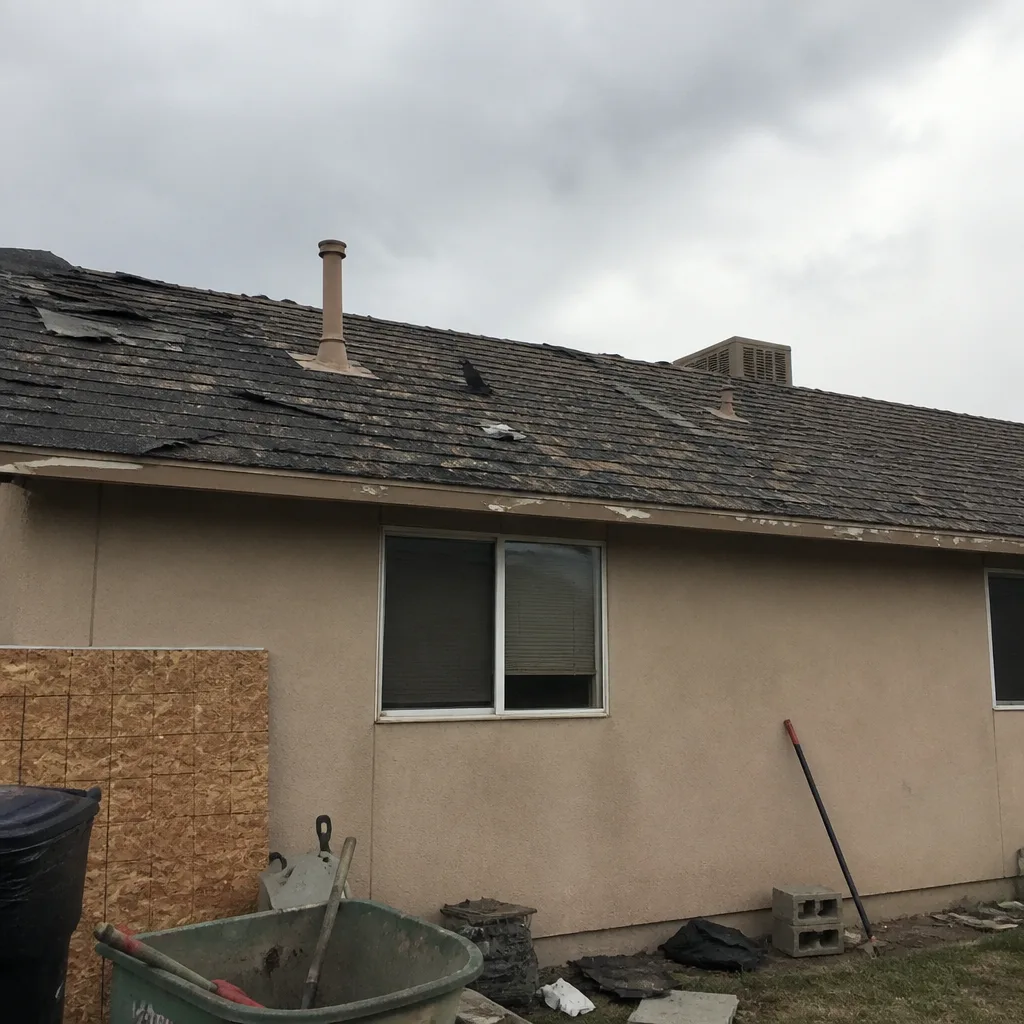 Before
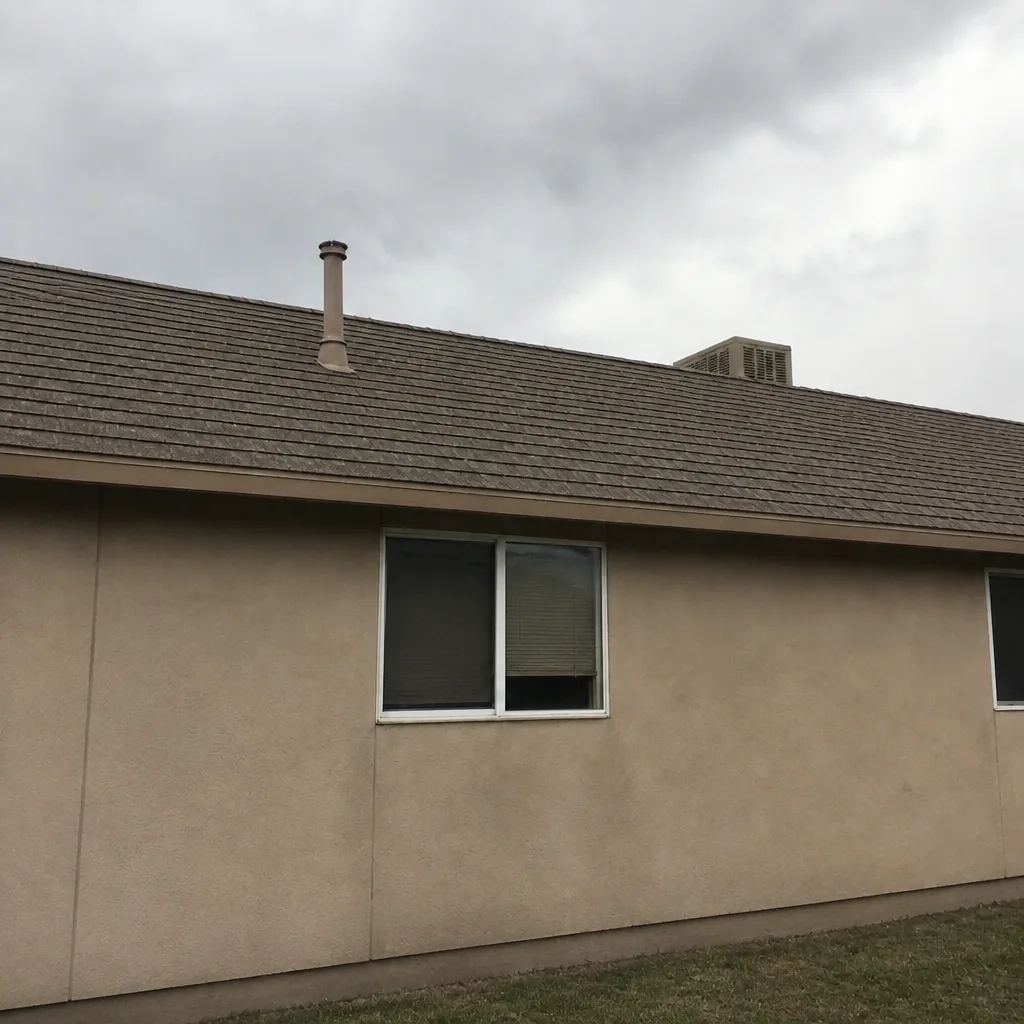 After
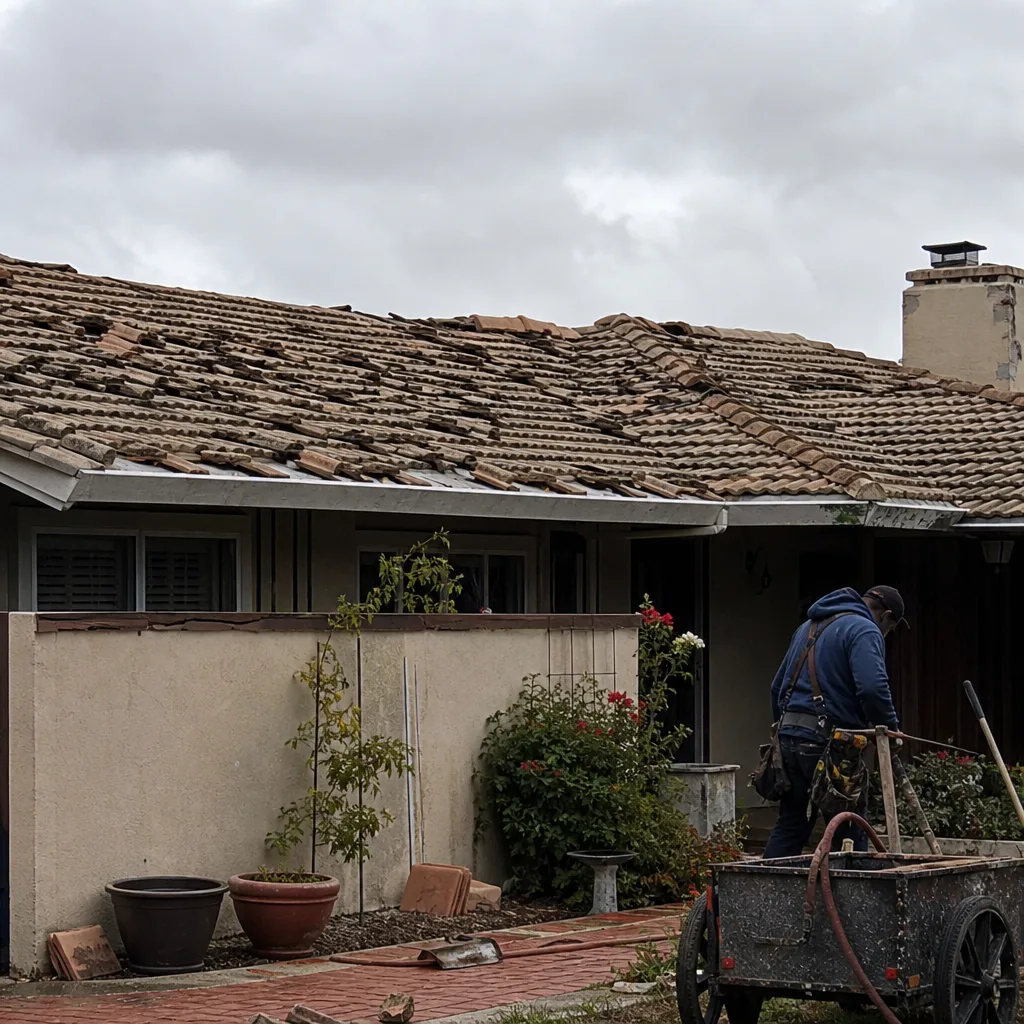 Before
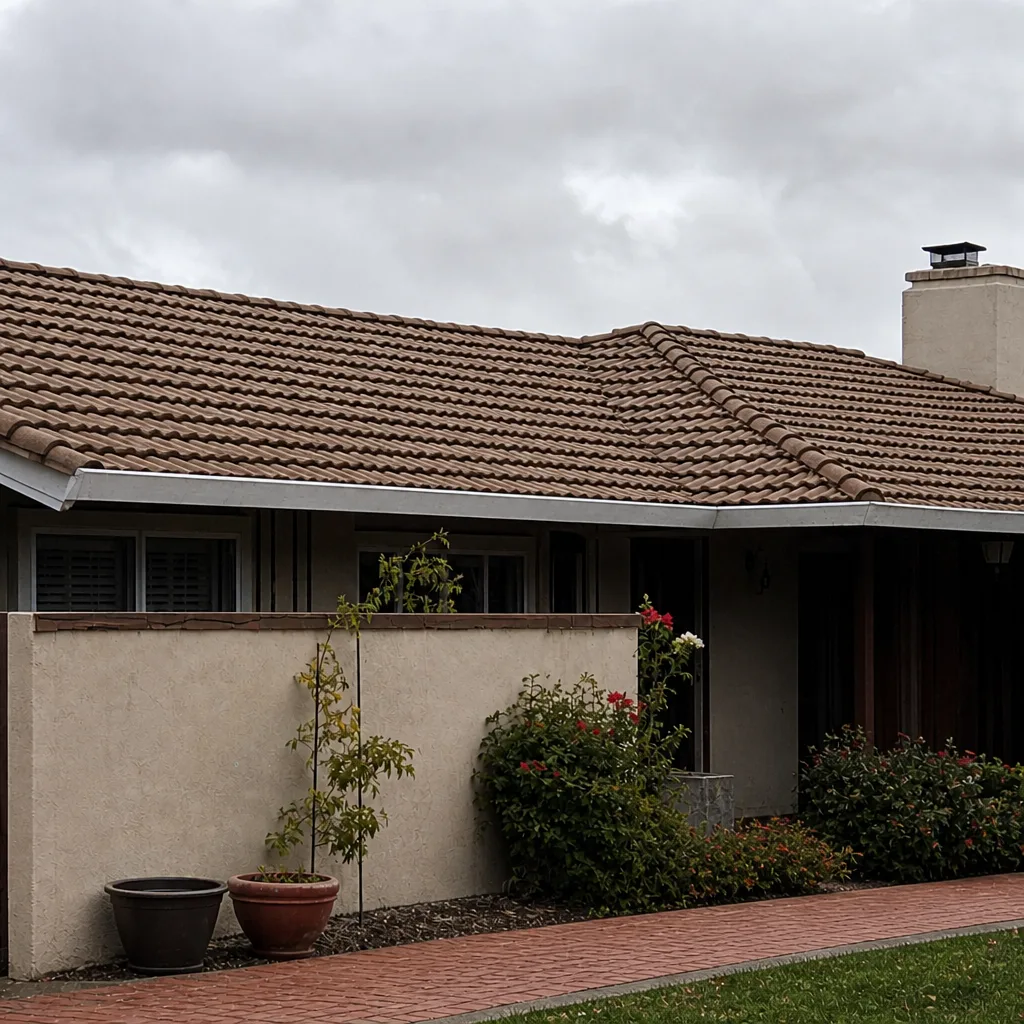 After
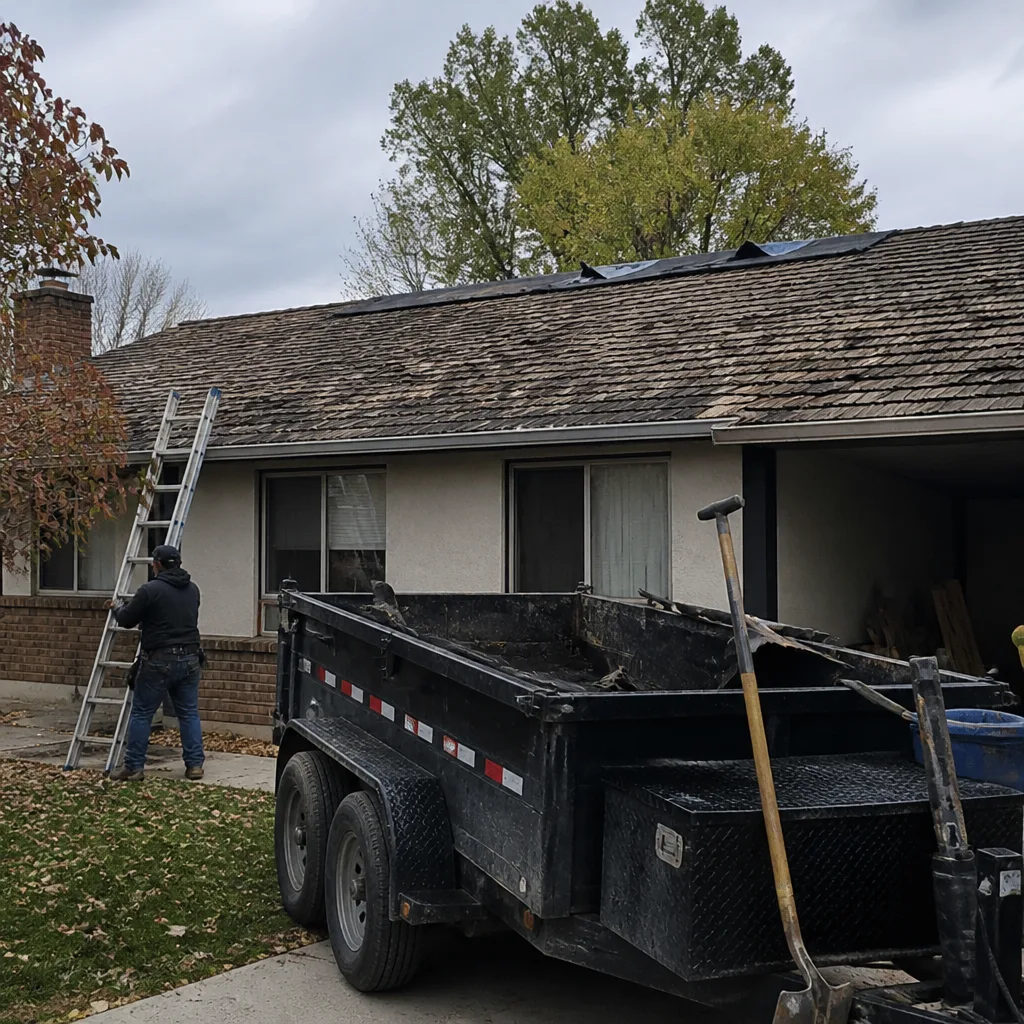 Before
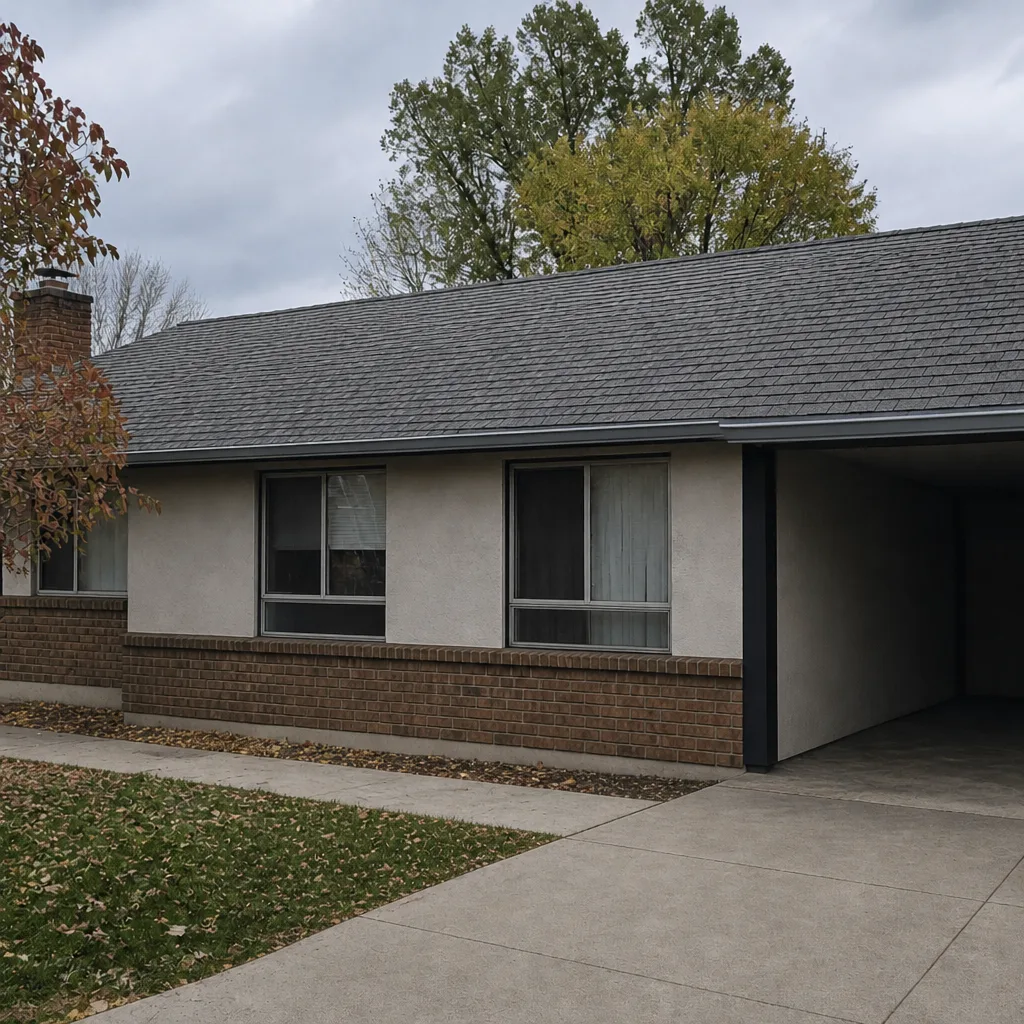 After
When to Call a Professional
Call when you find daylight in the attic, when a stain on the ceiling is spreading or bubbling, when your insulation is damp or squashed, when shingles are curling across a whole slope, or when you’ve had two repairs in the last two years. Roof work at height isn’t a do-it-yourself job, and the deck and fasteners underneath are the safety-critical parts that fail without warning. We’d rather tell you the truth from the ground than have you find it from the attic a season too late. Shepherd & Sons Roofing Winchester offers free estimates in Winchester, and a second opinion on any written bid is free. Call (844) 797-8167.
Frequently Asked Questions
The first signs are usually inside, in the attic: daylight showing through the deck, dark staining on rafters, or insulation that’s matted and damp. Curling shingles and granules in the gutters come later. If you see the inside signs, get the deck checked before the ceiling tells you.
Size, age, deck condition, and repair history decide it. An isolated leak on a younger roof with a sound deck is a repair. Wide damage, an aging roof, soft decking, or more than two repairs in 24 months point to a replacement. We’ll show you the deck photos and be straight about which it is.
Not by itself. A few granules after 10 or 15 years is normal wear. A thick layer of granules plus curled shingles and bare spots is the late stage. For a real answer, look at the deck first.
No. Some hail leaves damage that a shingle can live with, and some roofers want you to believe every hailstorm means a tear-off. Get a free second opinion before you sign anything. In Winchester and the valley, the honest call comes from the deck, not the sales pitch.
For asphalt shingles, 15 to 20 years is common in our sun and wind. That estimate moves with the shingle grade and how well it was installed. The nailing pattern matters as much as the brand name.
Sometimes, yes. A small, isolated leak on a sound roof can be patched and last. But once you’ve had two repairs in two years, the math starts to favor a replacement. We’ll tell you which one pencils out for your roof.
The Bottom Line
The warning signs that matter aren’t the ones you see from the curb. They’re in the attic: daylight, staining, damp insulation, a musty smell. Granules and curling shingles are the trailing signs, not the early ones. The two-year rule is the simplest test you can run: more than two repairs in two years, and a replacement starts to pencil out. In Winchester, get the deck checked and the bid in writing. We’ve been at the same address since 1996, and our 90-Day Done Right Promise is in writing on every job.
Call (844) 797-8167 for a free estimate. A live person answers, day or night. If you’ve got a written bid from someone else, we’ll take a look for free. Same roof, same weather, same valley. The name on the truck is the name on the license.
Written by the team at Shepherd & Sons Roofing Winchester.