
Last updated November 17, 2026
 Metal roofing
 Architectural shingles
 Tile roofing
 GAF
 Owens Corning
 Flat & low-slope
Free roof inspection with deck photos before we talk money - GAF and Owens Corning certified installation
Roofing Permits, Codes & Inspections in NV: What You Need to Know
A Winchester homeowner recently found out at closing that an unpermitted roof replacement done by a previous owner flagged a title issue. The deal nearly fell apart over a permit that would have cost about $180. That’s the part most homeowners never hear about until it costs them. Skipping a permit in Clark County doesn’t just risk a small fine. It can void the insurance claim you file after the next windstorm and create a title problem you won’t discover for years. This guide covers exactly when Nevada requires a roofing permit, how the inspection actually works, and how to check the permit history on your own house.
Quick Answer
In Clark County, a full roof replacement, a re-roof, or any structural roof work requires a building permit and at least one inspection. Most minor repairs under a few squares, like patching a leak or replacing a handful of shingles, fall under the repair exemption and don’t need one. The rule of thumb: if the job changes the roof covering across a large area or touches the roof structure, it needs a permit.
Styles & brands we work with
- Architectural shingles
- Metal roofing
- Tile roofing
- GAF
- Owens Corning
- Flat & low-slope
Table of Contents
- When does a roofing job in Nevada need a permit?
- What counts as a repair exemption?
- How the Clark County inspection process works
- What happens to your insurance if the work was unpermitted
- The HOA approval layer on top of county code
- How to look up your roof’s permit history
- Common mistakes to avoid
When Does a Roofing Job in Nevada Need a Permit?
A roofing permit is required whenever the work involves replacing or recovering the roof covering across a substantial area, altering the roof structure, or changing the roof’s profile. In practical terms, that means full replacements, tear-offs, re-roofs over existing material, and any framing repair all require a permit from Clark County’s building department before the first shingle comes off.
The threshold isn’t a single number the county publishes as a bright line, but the working rule most contractors and inspectors use comes down to square footage and scope. A repair that stays small and local usually qualifies for the exemption. A job that covers the whole roof, or most of it, does not.
Here’s what typically requires a permit:
- Full tear-off and replacement of the roof covering
- Re-roofing over existing shingles or underlayment
- Any repair to rafters, sheathing beyond a small patch, or roof framing
- Adding, removing, or relocating skylights and roof-mounted equipment
- Changing roof pitch or adding a new roof plane
- Installing a new roof on a structure that never had one
In our experience across Winchester and the surrounding neighborhoods, the jobs that get homeowners in trouble are rarely the obvious replacements. They’re the “while we’re up there” jobs, where a roofer replaces half the back slope without pulling a permit because it felt like a repair. If the scope grows, the permit needs to grow with it.
What Counts as a Repair Exemption?
Nevada’s building code allows minor roof repairs without a permit when the work is limited in scope and doesn’t affect the structural integrity of the roof. Replacing a few damaged shingles, sealing a flashing detail, patching a small leak, or re-caulking a vent boot generally falls under this exemption.
The repair exemption is narrower than most homeowners assume. A roofer can replace a section of shingles after a wind event and skip the permit. But if that section is large enough that the roofer is essentially re-covering a slope, the county treats it as a re-roof, and a permit becomes required.
What typically does not require a permit:
- Replacing individual shingles or tiles damaged by wind or hail
- Sealing or repairing flashing around chimneys and vents
- Patching small leaks in the underlayment
- Replacing a vent boot or pipe collar
- Minor gutter repairs that don’t involve roof structure
One thing we always tell homeowners in Winchester: get the exemption call in writing from your roofer before work starts. If a dispute comes up later, whether at insurance or at resale, a written scope that clearly describes the work as a repair is worth keeping in your file. When in doubt, it’s worth a call to the county to confirm.
How the Clark County Inspection Process Works
The inspection is the part of the process homeowners understand least, and it’s the part that matters most. Clark County inspections for roofing jobs typically happen in stages, and each stage has to pass before the next phase of work continues.
Here’s how the process usually unfolds:
- Permit application. Your roofer submits the application, usually with a scope of work, product spec sheets, and often a site plan. Clark County reviews and issues the permit before work begins.
- Pre-roof inspection (when applicable). For tear-offs, some jobs require an inspector to look at the sheathing and underlayment before the new covering goes down. Not every job triggers this, but tear-offs often do.
- Rough-in or underlayment inspection. The inspector checks the decking, fastening, flashing details, and underlayment installation.
- Final inspection. After the roof covering is complete, the inspector verifies the finished work, product labels, nailing pattern, and that the job matches the permitted scope.
- Permit close-out. Once the final passes, the county closes the permit. This is the record that proves the work was done legally.
Who schedules the inspection? Your roofer does. A reputable contractor builds the inspection into the job timeline and coordinates with the county, and won’t call a job finished until the final has passed. If a roofer tells you the inspection is your responsibility, that’s a warning sign. Calls answered by a live person, not a call center, make this coordination a lot less painful. When you reach us at Shepherd & Sons Roofing Winchester, the person on the phone knows where the inspection stands on every job we run.
What Happens to Your Insurance if the Work Was Unpermitted
This is where the missing permit gets expensive. If your roof was installed without a permit, there’s no inspection record proving it was done to code. When you file a storm claim months or years later, the adjuster may deny or reduce the claim because the work that failed wasn’t code-compliant to begin with.
Insurance carriers in Nevada care about the paper trail. They want to see:
- A permit on record for the replacement
- An inspection sign-off from the county
- A contractor invoice that matches the permitted scope
When any of those is missing, the carrier has a defensible reason to push back. And in Clark County, where wind and summer heat cycles do real damage to roofs, that’s a claim you don’t want to lose on a technicality.
The insurance risk is only half of it. A permit issue can surface at resale. Buyers’ agents pull permit history as part of due diligence, and an unpermitted replacement can drag a closing to a halt or force a price reduction. The $180 or so a permit costs is a rounding error next to the deal you lose at closing. Call (844) 797-8167 if you’re not sure where your roof stands and want a straight answer before it becomes a problem.
The HOA Approval Layer on Top of County Code
Many Winchester neighborhoods sit inside HOAs, and HOA rules are a separate layer entirely from county code. The county cares about structural and safety compliance. The HOA cares about appearance, materials, and consistency with the neighborhood.
That means a job can be fully compliant with Clark County and still get you a letter from your HOA if you don’t get their approval first. Common HOA requirements include:
- Approved shingle color and profile
- Specific material restrictions (some HOAs prohibit certain metal roof styles)
- Approval of any change in roof pitch or visible profile
- A defined completion timeline once work starts
HOA approval usually happens before the permit application, because the county wants to see the approved scope and the HOA wants to sign off on the look. We’ve watched homeowners in Winchester pick a shingle color they loved, order materials, and then find out their HOA required a different line in the same brand. I’ll show you the deck photos before we talk money, but I’ll also ask about your HOA before we talk materials. It saves everyone a headache.
Products from IKO, Atlas, Tamko, and Boral all come in palettes that satisfy most HOA specs, but the specific line and color need to be confirmed with your board first.
How to Look Up Your Roof’s Permit History
You can check the permit history on your own house through Clark County’s public records portal. It’s free, it takes about five minutes, and it’s the single most useful thing you can do before planning a roof project or buying a home.
Here’s the process:
- Go to the Clark County building department’s online permit portal.
- Search by property address or parcel number (your tax bill has the parcel number on it).
- Review every permit record attached to the address, not just the most recent one.
- Look for the status of any roof-related permit: open, closed, expired, or finaled.
- If a permit is open, find out what’s outstanding. If it’s closed, verify the inspection was finaled and the date.
- Note anything missing. No permit on a roof replacement from a previous owner is a red flag you want to see before closing.
An expired permit is a problem. If a roofer pulled a permit and never finaled the inspection, the record stays open, and it can come back at resale. The fix is to have a licensed roofer evaluate the work and either complete the job properly through the county or remediate what was missed.
If you’re looking at a roof in Winchester and the permit history is murky, we’re happy to walk it with you. What does a proper roof replacement actually look like on the paper side? Our guide to Roof Replacement & Installation in Winchester lays out the full sequence. And if you’re deciding between repair and replacement, our Roof Repair in Winchester page goes into what a real repair scope looks like versus a replacement. Metal roofs have their own permit and inspection considerations, covered on our Metal Roofing in Winchester page.
Nevada Codes That Affect Roofing in Clark County
Nevada follows the International Building Code and the International Residential Code, adopted with state and local amendments. Clark County’s amendments include specific requirements for wind uplift, fire rating, and underlayment in the desert climate. Understanding the basics helps you ask better questions of any bidder.
The requirements that come up most often:
- Wind uplift rating. The nailing pattern earns the wind rating, not the shingle wrapper. Inspectors verify the nail count and placement per the manufacturer’s spec for the specific wind zone.
- Underlayment requirements. Clark County requires specific underlayment for the climate, and the inspector checks that the installed product matches the permit spec sheet.
- Flashing details. Valley and penetration flashings are inspected for correct installation, which is where most leaks start.
- Fire rating. Class A fire rating is required on most residential roofs, and the permit spec must show it.
- Re-roof limitations. Some re-roofs over existing material require an evaluation of the existing layers. Tear-off is often required where the existing covering has failed or exceeds allowed layers.
The desert climate matters here. Our summer heat cycling, plus the occasional monsoon wind event, is what stresses a roof most in Clark County. A properly permitted and inspected roof is built to those local conditions, and the inspection record is the proof. If you want to understand how the roofing assembly gets checked on a job, our Shepherd & Sons Roofing Winchester home page covers the process from first visit to final walkthrough.
Why Unpermitted Work Hurts at Resale
In Nevada, sellers are required to disclose known material defects, and many real estate contracts ask specifically about permits and unpermitted work. When an unpermitted roof replacement surfaces during due diligence, the buyer’s leverage goes up and the seller’s price goes down. Sometimes the whole deal does fall apart over it.
Title companies and lenders are increasingly thorough on this. A lender may require proof of a permitted and inspected roof on an FHA or VA loan, and the loan can be held up until it’s resolved. The fix usually starts with a licensed roofer documenting the current condition and pulling a permit retroactively where the county allows it. That process is slower and costlier than doing it right the first time.
That’s the part that doesn’t get said often enough: the permit is cheap. The cascade of problems it prevents, at insurance and at resale, is the expensive part. Ask any bidder how many squares they counted on your roof, and also ask for the permit number. Both questions separate the real roofer from the storm chaser.
See the difference
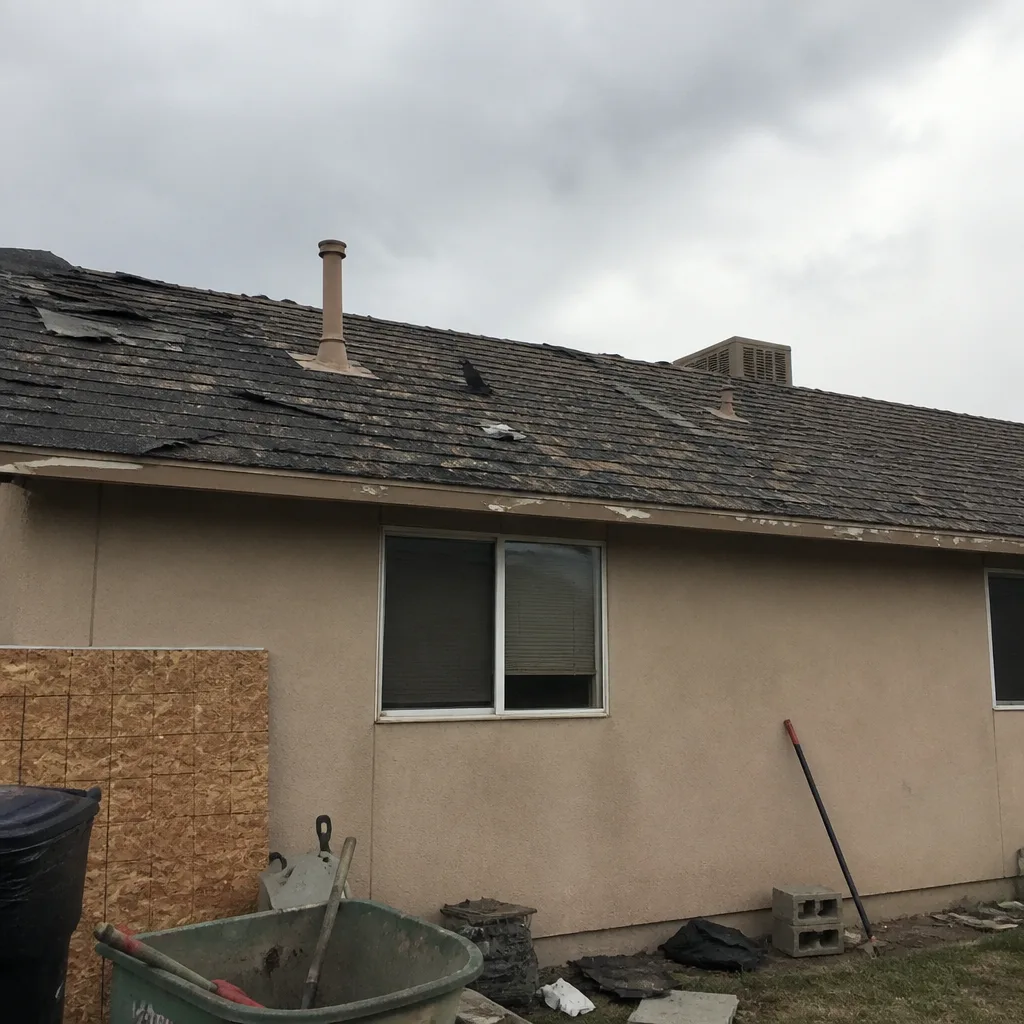 Before
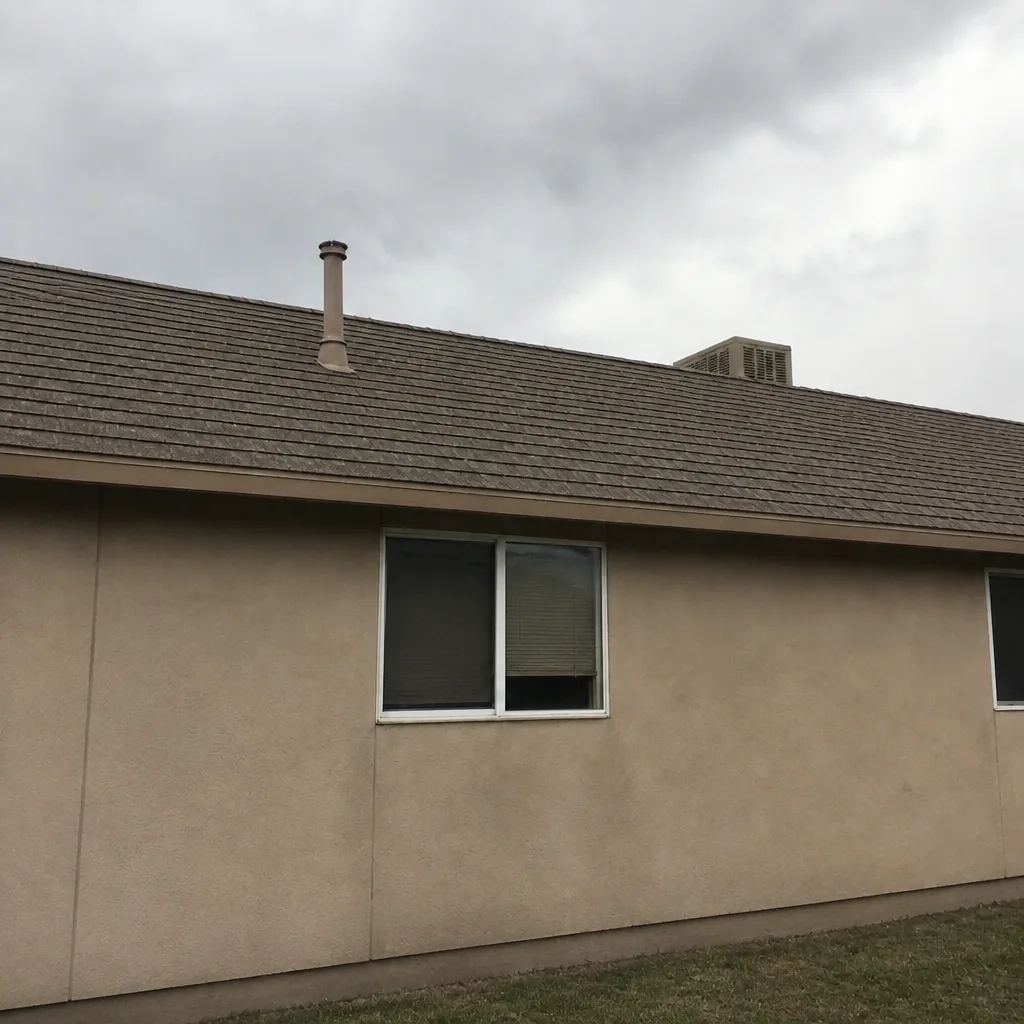 After
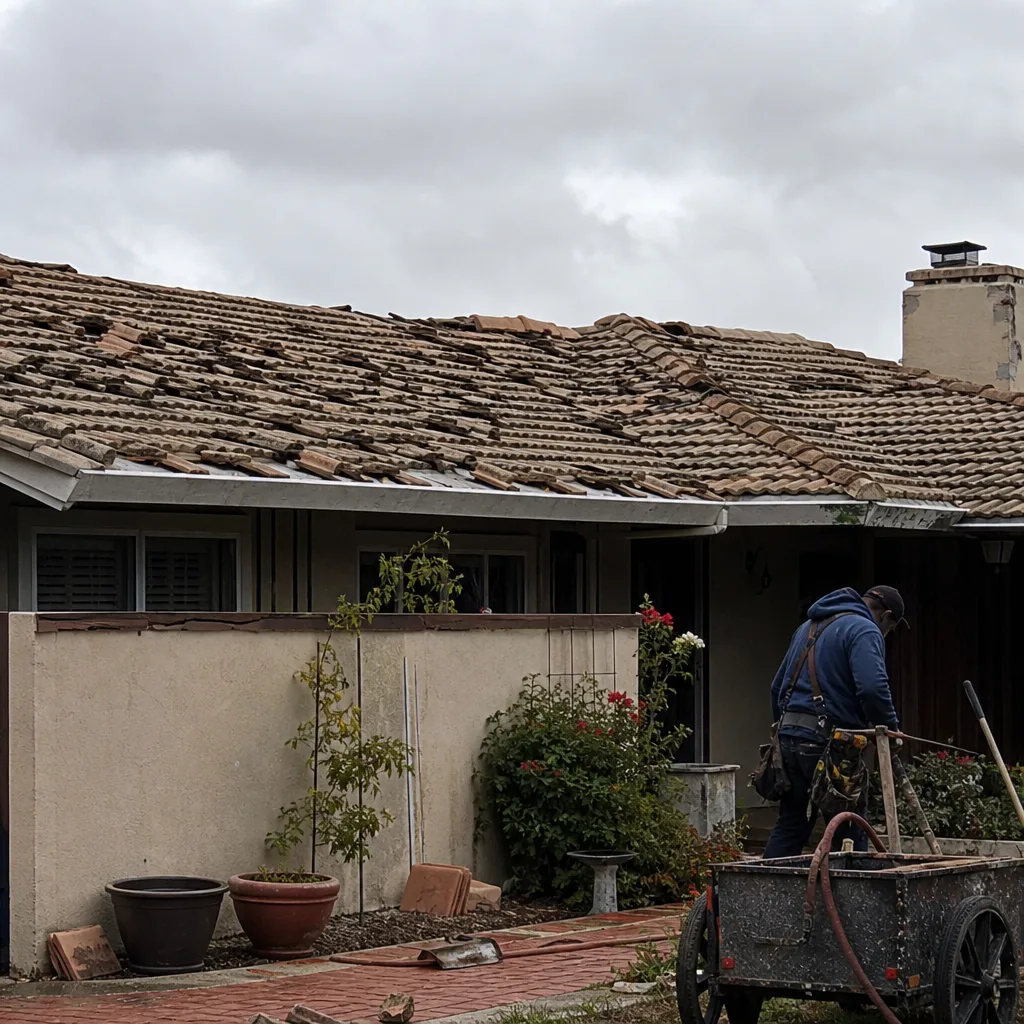 Before
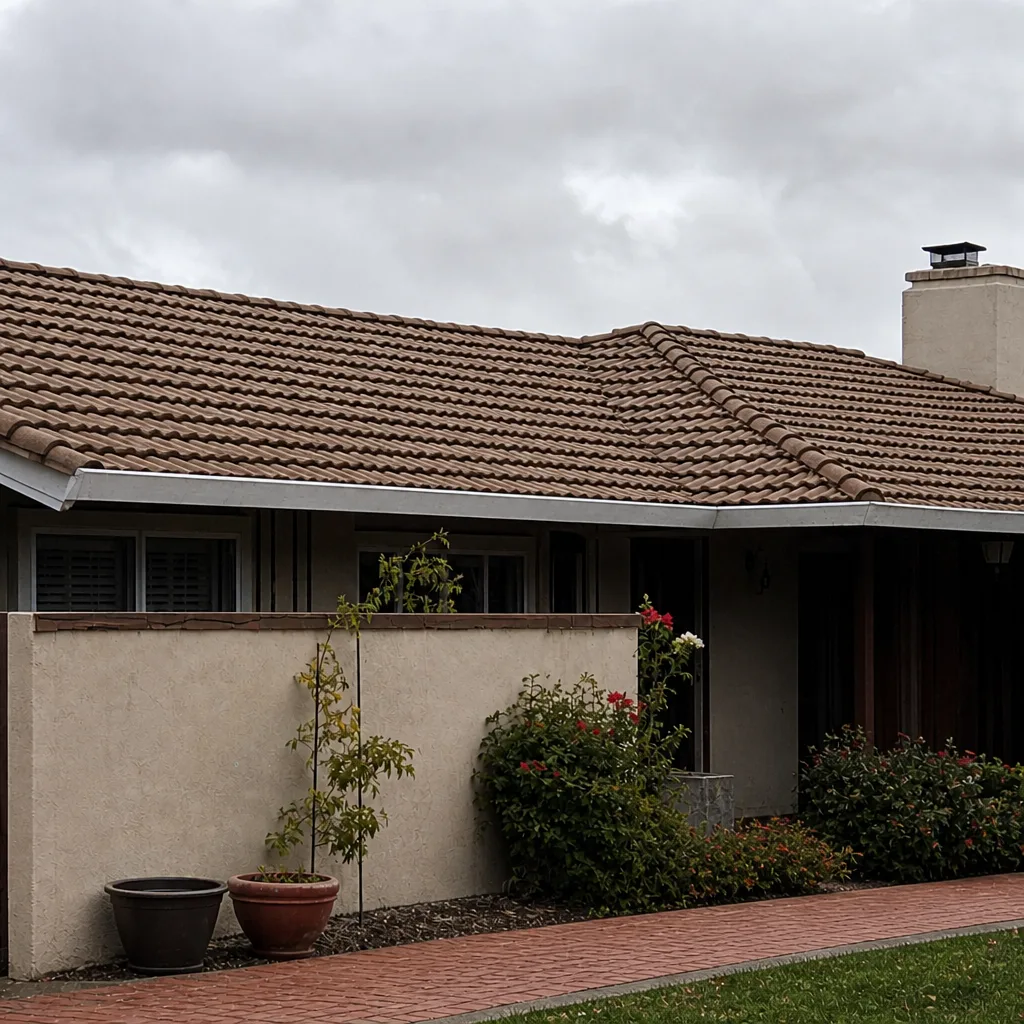 After
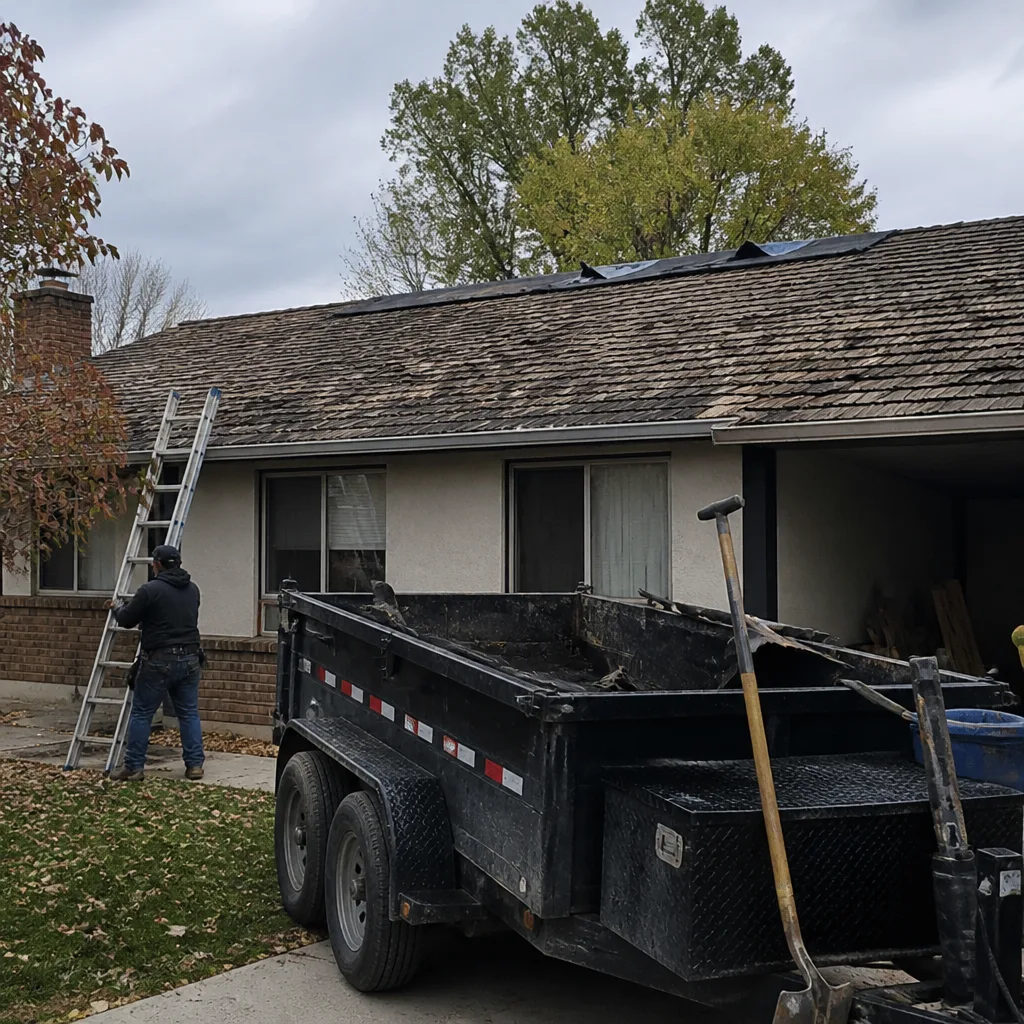 Before
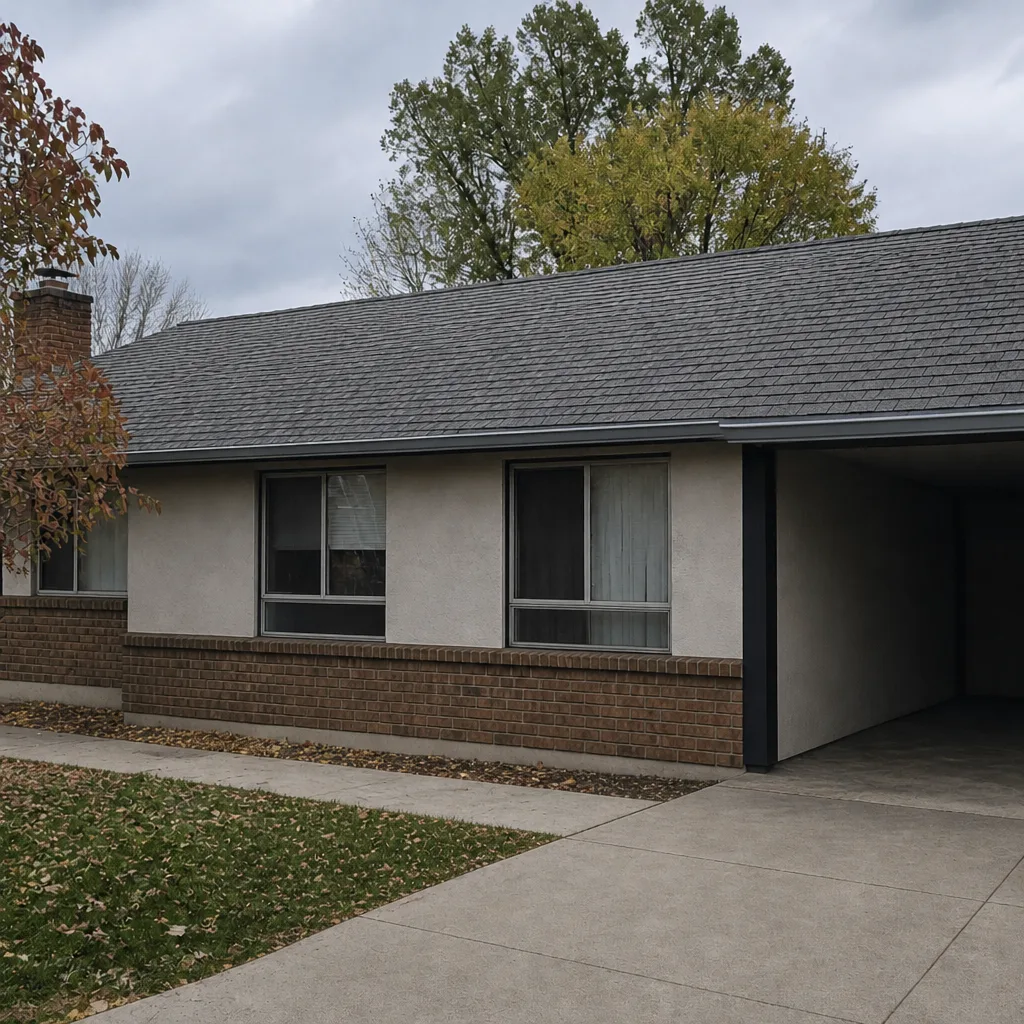 After
Common Mistakes to Avoid
- Accepting a “repair” label on a job that’s really a replacement. If the roofer is replacing most of the roof, it needs a permit. Get the scope written down and match it against what actually happens.
- Skipping the HOA approval. County-permitted work can still violate HOA rules. Get both approvals before materials are ordered, or you may be tearing off a brand new roof at your own cost.
- Not checking permit history before buying a Winchester home. That five-minute search on the county portal can save a closing. Homeowners in Winchester regularly discover an unpermitted replacement from a previous owner this way.
- Assuming the permit is optional for “small” jobs. The repair exemption is narrower than people think. If a job is on the edge, call the county and get it in writing.
- Letting the roofer skip the final inspection. An unclosed permit is an open liability. Make sure the final is scheduled, passed, and the permit is closed out before you write the last check.
- Using a storm chaser who doesn’t pull permits. After a hail event in Clark County, out-of-state crews move in and offer to skip the permit “to save you time.” That saving costs you an insurance claim and a title problem later.
- Not keeping the paperwork. Keep the permit number, inspection records, and the contractor invoice together. You’ll need all three if you file a claim or sell the house.
When to Call a Professional
Call a licensed roofer when the scope of work is unclear, when the permit history on your house has an open or missing record, or when you’re looking at any roof work beyond a handful of damaged shingles. Roofing is one of the trades where the danger is real: falls, structural mistakes, and code failures that only show up after the first monsoon. A trained, licensed roofer handles the permit, coordinates the inspection, and takes responsibility for the final sign-off.
If you’re in Winchester and not sure where to start, Shepherd & Sons Roofing Winchester offers free estimates. We’ll look at the deck before we talk money, check your permit history, and tell you plainly whether your job needs a permit or falls under the exemption. Call (844) 797-8167 and we’ll get you a straight answer.
Frequently Asked Questions
Yes, a full roof replacement or re-roof in Clark County requires a building permit and at least one inspection. The repair exemption covers minor work only. If the job touches the roof structure or covers most of the roof, treat it as a permitted replacement. Call (844) 797-8167 if you’re not sure which side of the line your job falls on.
Residential roofing permits in Clark County typically fall in the low hundreds of dollars, often around $150 to $250 for a standard replacement, though fees vary with the scope and valuation of the job. Compare that to the cost of a denied insurance claim or a stalled closing. The permit is the cheapest part of the project.
Your carrier can deny or reduce the claim because the work that failed wasn’t done to code and there’s no inspection record proving it was. This is the most common way homeowners in Winchester get burned by skipping the permit. A licensed roofer can usually help you resolve it, but the process is slower and costlier than pulling the permit in the first place. Call (844) 797-8167 for a second opinion on any written estimate.
Yes. Clark County’s public permit portal lets you search by address or parcel number and see every permit record attached to your property. Look for the status: open, closed, expired, or finaled. Any open permit that should have been closed after a previous roof job is worth resolving before you list the house or file a claim.
In most Winchester communities with an HOA, yes. HOA approval is a separate layer from the county permit and usually happens before the permit application, because the HOA has to sign off on materials, color, and profile. A county-approved job that violates HOA rules can force you to redo the work at your own cost. Call (844) 797-8167 and we’ll help you line up both approvals before materials are ordered.
It shouldn’t, and we don’t do change-order surprises. A proper bid shows the square count, the material line, the permit cost, and the inspection schedule upfront. If a bidder won’t put the square count in writing, that’s your signal to get another bid. Same address since 1996. Ask the storm chasers where theirs is.
The Bottom Line
Skipping a roofing permit in Clark County isn’t a small shortcut. It exposes you to a denied insurance claim, an open liability on the county’s records, and a title problem at resale that can cost far more than the permit itself. The fix is simple: know the scope, confirm the exemption if the job is small, pull the permit if it’s not, and keep the paperwork. Check your permit history before you buy a house in Winchester, before you sell, and before you let anyone start work on your roof. And ask the bidder for the permit number alongside the square count.
Shepherd & Sons Roofing Winchester is locally owned and owner-operated, with the same address since 1996. Every roofing job is backed by our written 90-Day Done Right Promise, and a live person answers the phone 24/7. Standing offers include $40 Off Any Repair Over $200, a Free Second Opinion on any written estimate, No Trip Charge Inside Our Own County, and a 10% Senior and Veteran discount. Call (844) 797-8167 for a free estimate, and we’ll tell you straight whether your job needs a permit and how we’ll coordinate the inspection.
Written by the team at Shepherd & Sons Roofing Winchester.