
Last updated November 17, 2026
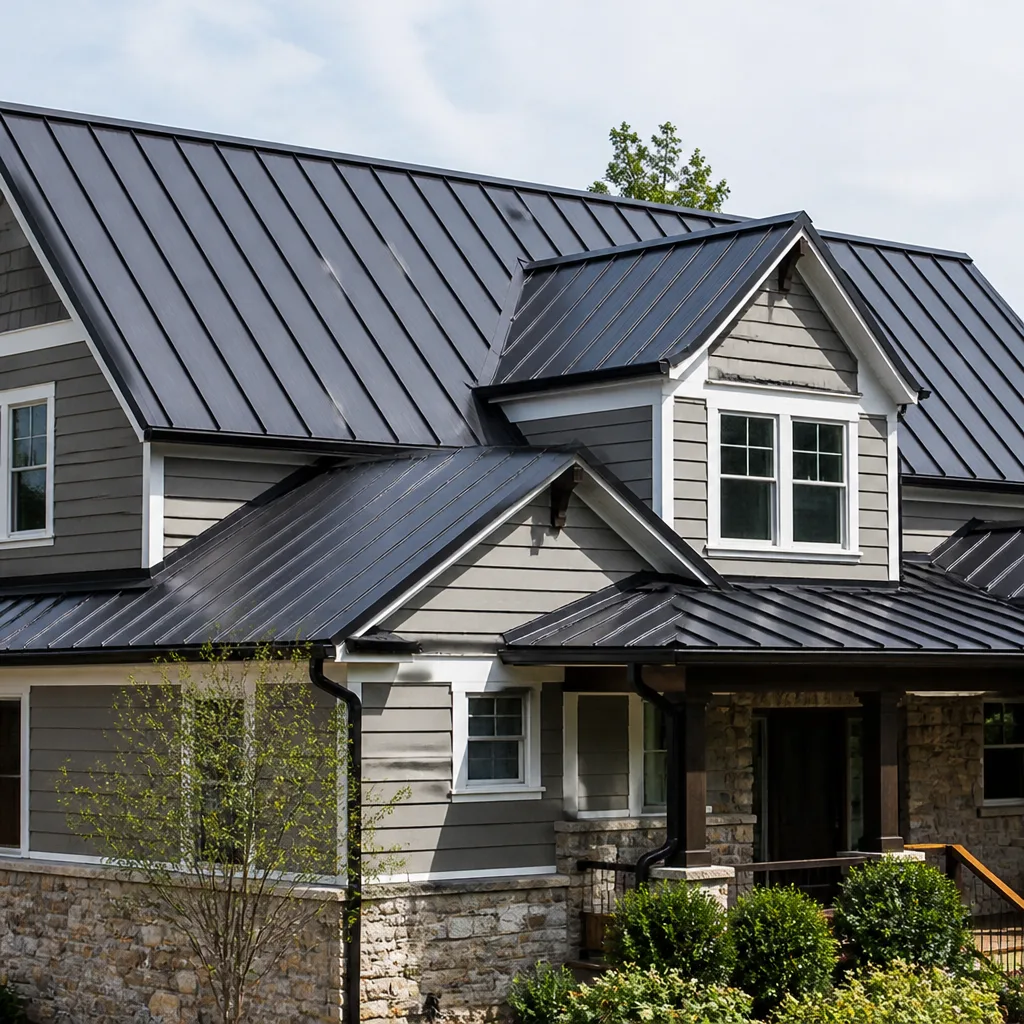 Metal roofing
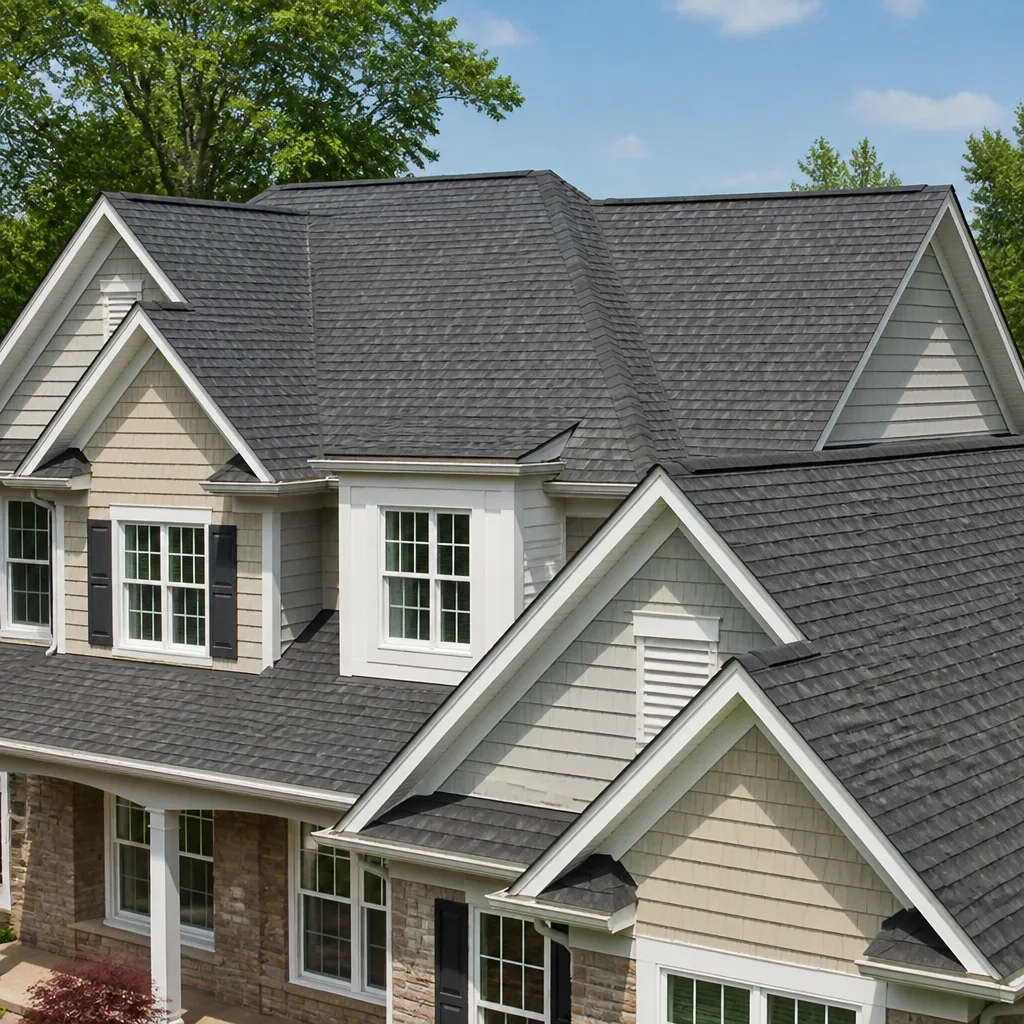 Architectural shingles
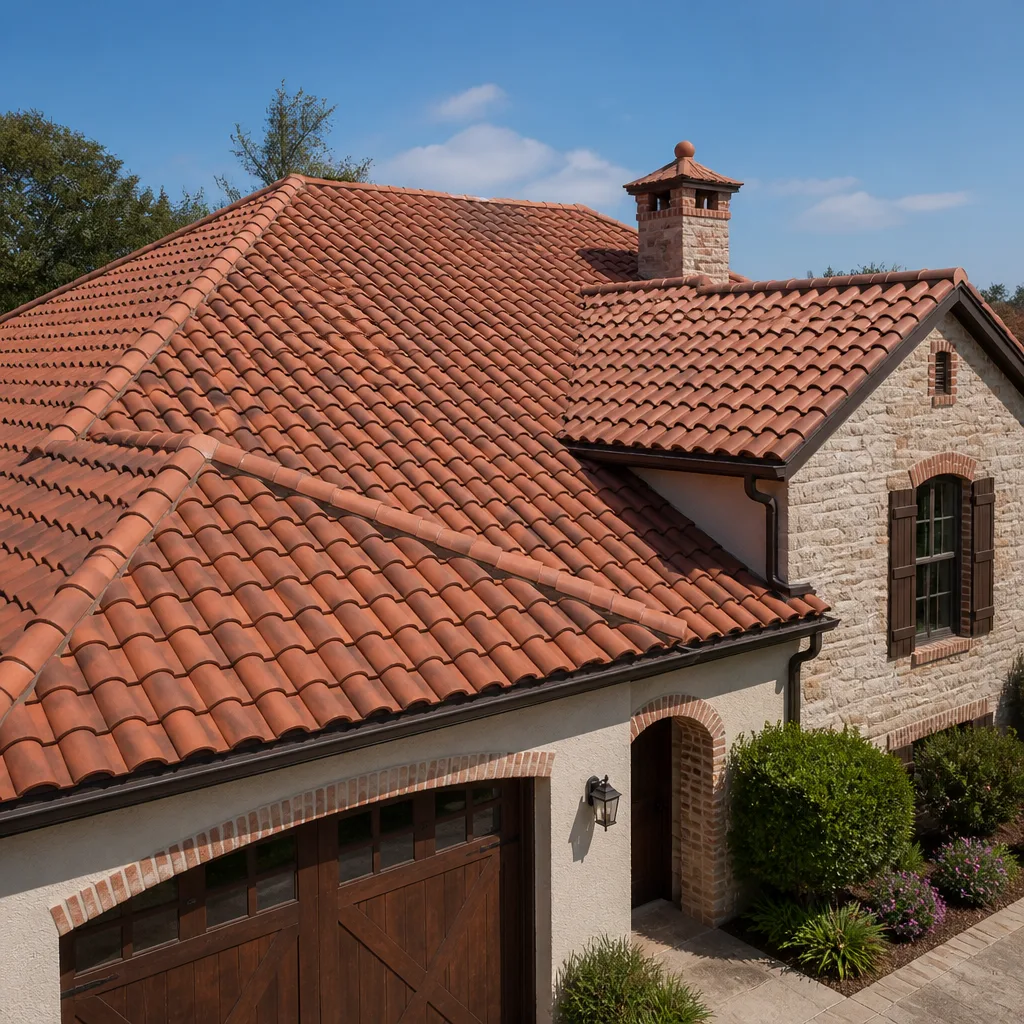 Tile roofing
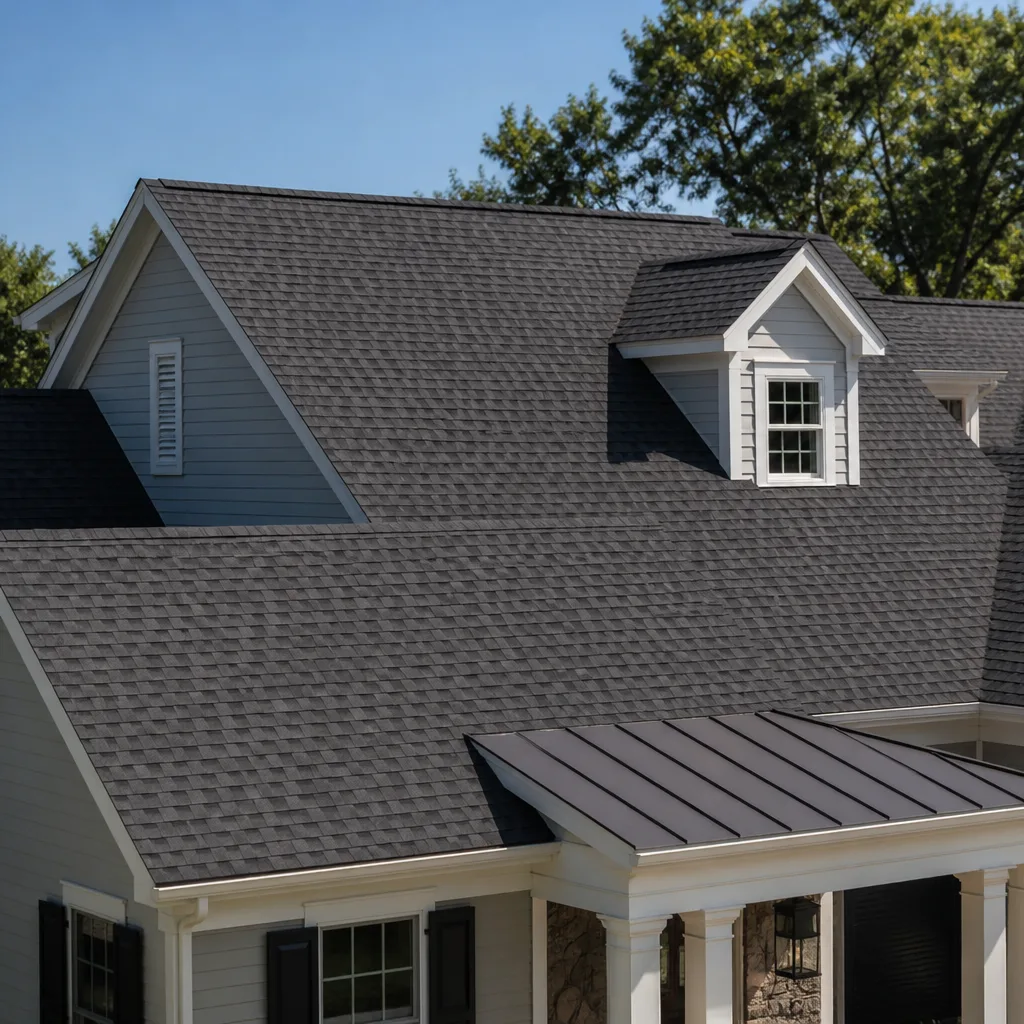 GAF
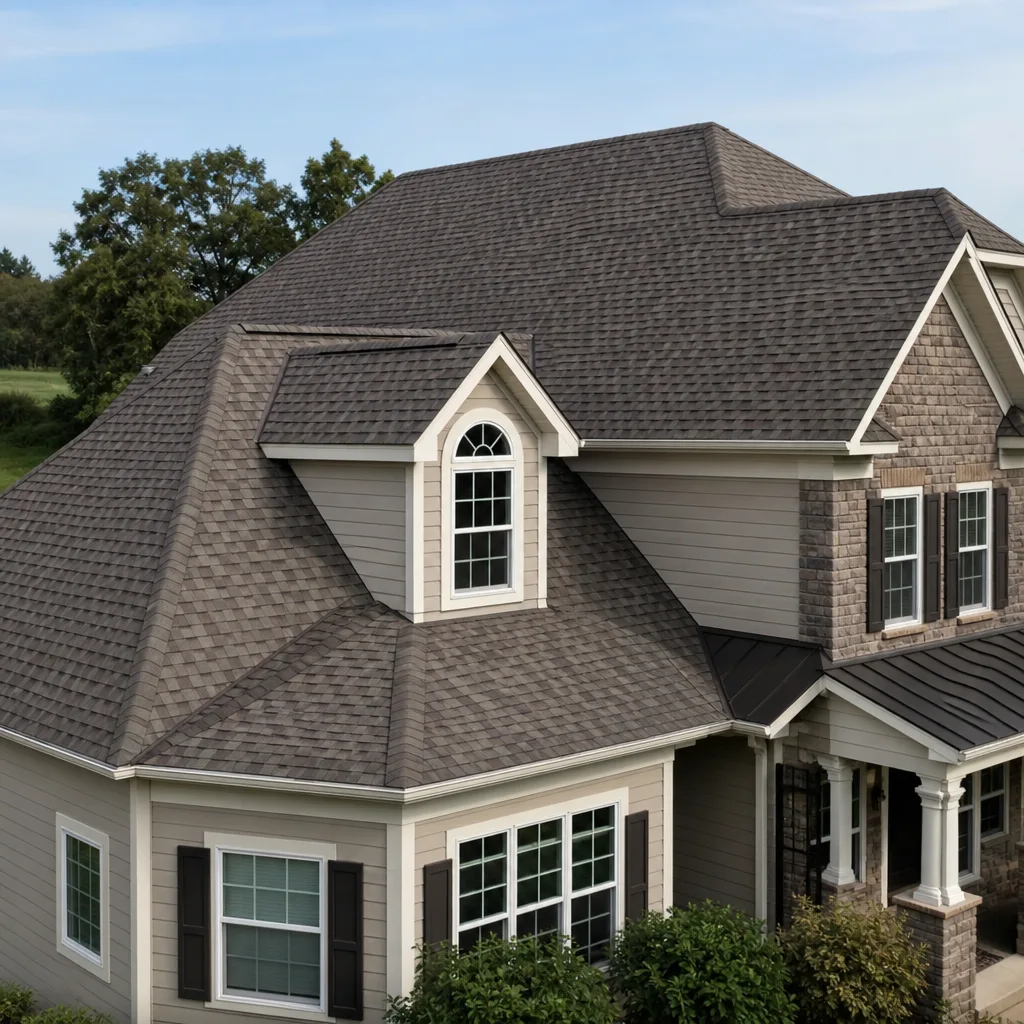 Owens Corning
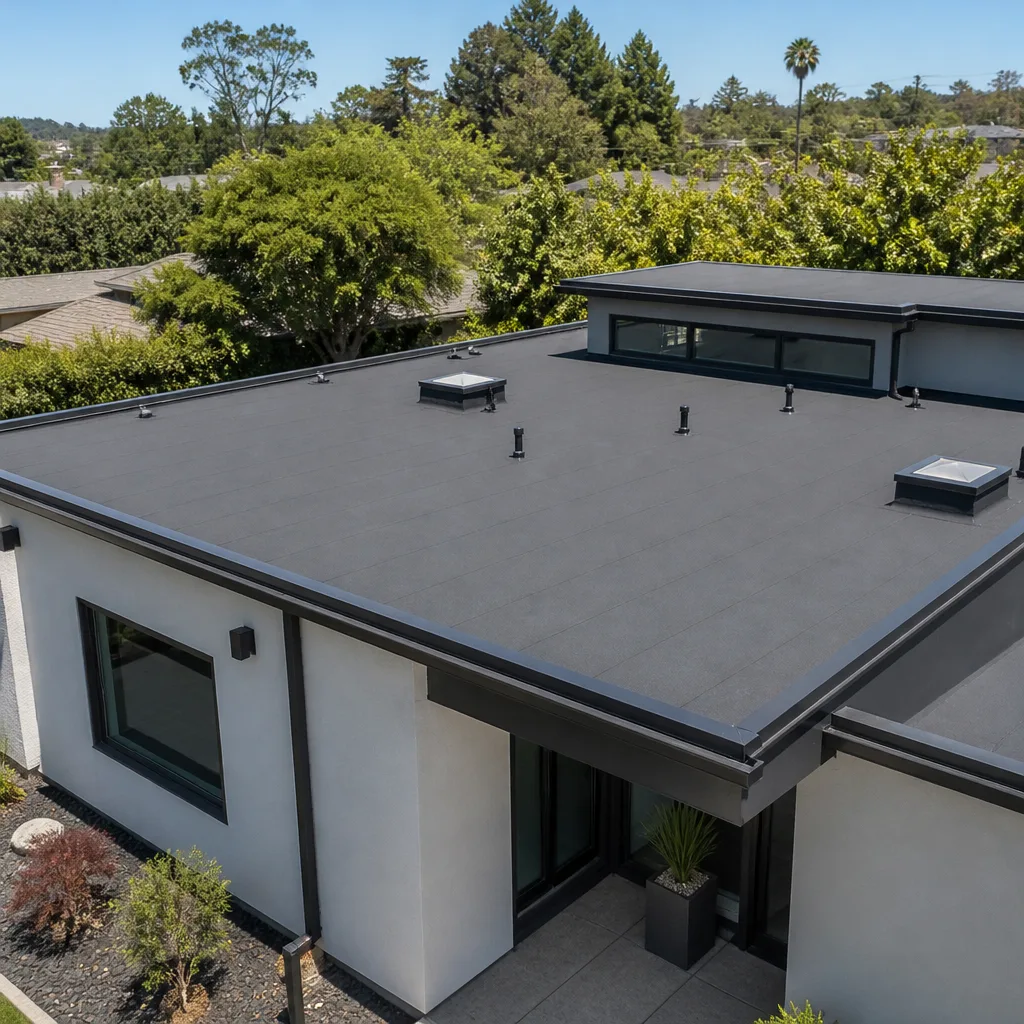 Flat & low-slope
Free roof inspection with deck photos before we talk money - GAF and Owens Corning certified installation
DIY vs Professional Metal Roofing: What’s Safe to Do Yourself
A flat metal panel is surprisingly forgiving. A valley is not. Bill has re-done the valleys on three DIY metal roofs in the last two years. All three homeowners were capable people who installed the panels correctly and got the detail work wrong. That’s exactly where a metal roof punishes you: not at the middle of the panel where everyone looks, but at the seams, the penetrations, and the water-shedding geometry you can’t eyeball. This guide breaks down which metal roofing tasks a homeowner in Winchester can genuinely handle and which ones carry consequences that don’t show up for 18 months. By the end you’ll know where to stop, and why stopping there is the smart move.
Styles & brands we work with
- Architectural shingles
- Metal roofing
- Tile roofing
- GAF
- Owens Corning
- Flat & low-slope
Quick Answer
Homeowners can safely handle sealant touch-ups on exposed fasteners, debris clearing, gutter checks, and visual inspections. Everything involving panel cutting, seaming, valley transitions, ridge caps, or penetrations should go to a professional. The physical work isn’t what makes those tasks dangerous. Getting the geometry 1/8 inch wrong is what creates leaks, wind uplift, and voided warranties that don’t show themselves until the damage is already done.
Table of Contents
- Why Metal Roofing Punishes Small Mistakes
- What’s Actually Safe to Do Yourself
- The Line Most DIYers Shouldn’t Cross
- What DIY Does to Your Warranty
- The Partial DIY Approach That Works
- Heat, Ladders, and Fall Risk in Nevada
- Common Mistakes to Avoid
- When to Call a Professional
Why Metal Roofing Punishes Small Mistakes
A metal roof is a system, not a stack of panels. Every piece has a tolerance, and those tolerances are tighter than asphalt shingles in ways that matter in Winchester’s desert climate. Shingles lap over each other and forgive a 1/4 inch gap. Standing seam panels expand and contract with temperature swings, and the clips, fasteners, and seam geometry have to absorb that motion without opening a gap. If the installer cut the panel to the wrong length and the seam doesn’t capture the minimum overlap, the panel will look perfect for a year. Then the first hard wind event pulls the seam and you’ve got a leak you can’t locate.
The same logic applies to fasteners. Under-driven fasteners leave the washer hovering above the metal. That gap becomes an entry point for wind-driven rain. Over-driven fasteners compress the washer to nothing, and the seal fails within a couple of seasons. The correct depth is measured, not guessed. It’s a specific number the manufacturer publishes for each panel profile, and if you don’t own the right depth-sensing screw gun, you can’t hit it consistently.
Winchester sits in a high-wind, high-sun, low-humidity zone. That combination is hard on any roof, but metal roofs take it in a different way than shingles. The sun side of the roof can see surface temps that cook sealant faster than wetter climates, and the wind finds every under-driven fastener. We’ve pulled panels off roofs in Winchester where the homeowner did everything right except the last two panels near the ridge. That’s where the failure lived.
The wider point: metal roofing isn’t just more expensive up front. It’s less forgiving of the mistakes that don’t announce themselves. If you’re replacing asphalt with metal on a home in Winchester, that change is worth getting right the first time. You can see the full range of what we install on our Metal Roofing in Winchester page.
What’s Actually Safe to Do Yourself
Here’s where we’ll be honest with you. A lot of metal roof maintenance is entirely reasonable for a homeowner to do. It’s the same skills as maintaining the exterior of any home. The line isn’t about skill. It’s about consequence.
Tasks a homeowner can handle
- Sealant touch-ups on exposed fasteners. Metal roofs with exposed fasteners need re-sealing every few years as the washers age. Use a neutral-cure silicone sealant rated for metal roofing, not the hardware-store general-purpose silicone that dries brittle in Winchester’s sun. Apply a small bead over the fastener head, smooth it, and replace any washer that’s cracking or missing.
- Debris clearing from valleys and gutters. Palm fronds, tumbleweed, and cottonwood fluff all collect in Winchester valleys. Clearing them once a season with a soft-bristle broom (never a metal rake) is fine and it extends roof life.
- Visual inspection from the ground and safely-set ladder. Walk the perimeter twice a year, once after spring winds and once in fall. Look for lifted fasteners, sealant cracks, dented panels, or anything pooling water where it shouldn’t.
- Gutter and downspout cleaning. If the gutters are attached to a metal roof, clear them from the ground with a gutter scoop or a wet/dry vac extension. Don’t climb on the metal panels to reach them.
- Washing the roof surface. A low-pressure garden hose with a mild detergent is fine once a year. Never a pressure washer on metal. It strips the paint and forces water under seams.
Those tasks genuinely save money over a service call, and we have no problem telling homeowners to do them. The Roof Repair in Winchester work that needs a call is the stuff that changes the geometry of the roof, and that’s where the next section comes in.
The Line Most DIYers Shouldn’t Cross
Homeowners ask us all the time if they can install a metal roof themselves. Often the answer is “you probably could, but you shouldn’t.” Here’s why: cutting and seaming panels is where a metal roof either sheds water for 40 years or leaks for four. The skill required is not superhuman. The precision tolerance is.
A metal roof sheds water by directing it down the panel, over the seam, and off the edge. A standing seam has a folded ridge that the next panel locks over. The fold has to be consistent from eave to ridge for the panel to perform. A hand-seaming tool that wavers by a few degrees leaves a seam that’s tight at the bottom and open at the top. Water tracks under it during a wind-driven rain and gets into the deck. The homeowner never sees it because the top of the seam looks fine from the ladder.
Cutting is the same story. Panel cutting produces hot metal shavings. If those shavings land on a panel and don’t get swept up immediately, they rust into the finish and leave pinholes. The correct approach is to cut panels on the ground, cut them upside down, and use a shear instead of an abrasive saw. Most DIYers use a circular saw because that’s what’s in the garage. Every one of those cuts leaves shavings that damage the coating.
Valleys, penetrations, and ridge caps are worse. A valley has to be cut to install a pre-formed W-valley or an open valley with correct overlap. The wrong cut means water runs sideways instead of down. A chimney or vent pipe penetration has to receive a boot or collar that laps correctly with the panel. On a metal roof, “close enough” isn’t close enough.
The line, then: if the task changes the roof’s shape, performs a cut, or creates a seam, it goes to a professional. If the task is maintenance on a roof that’s already installed and working, it’s fair game for the homeowner. That’s the split.
What DIY Does to Your Warranty
This is the part most homeowners don’t hear until it’s too late. The manufacturer’s warranty on a metal roof is often the single biggest asset in the investment, and most panel warranties (GAF, CertainTeed, and the factory finishes on Boral panels are common examples) require installation by a licensed contractor. Those aren’t suggestions. They’re written conditions in the warranty text.
Here’s how it plays out. A homeowner installs panels, a leak develops two years later, and they file a warranty claim. The manufacturer asks for the installation documentation. If the installer was unlicensed, the claim is void. If the installer was licensed but not certified by the manufacturer, some claims go through and some don’t, and the slow fight is on. If the failure was caused by what the warranty text calls “improper installation,” the claim is denied, and the homeowner is on the hook for tear-off and re-install on a roof that’s two years old.
Common items that fall under the manufacturer’s “improper installation” definition:
- Fastener depth outside the specified range (including under-driven washers)
- Panel overhang or end-lap outside the published tolerance
- Missing or incorrectly installed closure strips at the eave and ridge
- Panels cut with abrasive saws that leave shavings on the surface
- Fasteners not approved for the specific panel and substrate
- Inadequate underlayment or missing ice-and-water shield in valleys
Every one of those is a common DIY mistake. We’ve seen roofers in Winchester fix this problem on roofs less than five years old. The right move is to have the original installation documented by a licensed, manufacturer-recognized crew so the warranty stays whole. That’s part of what our Roof Replacement & Installation in Winchester service is for.
The Partial DIY Approach That Works
There’s a middle path that’s genuinely smart for a homeowner with time on their hands and a reasonable comfort level on ladders. It’s not “install some of your own roof.” It’s “own the parts of the project that don’t carry hidden consequences.”
Here’s how a partial DIY re-roof looks in Winchester:
- Homeowner handles materials procurement and delivery. You can measure with the bidder (a roof is measured in squares, and you should ask any bidder how many squares they counted), place the order, and coordinate delivery. Saves the contractor markup if you want to go that route.
- Homeowner tears off the old roof and stages materials. Tear-off is physical work, not precise work. If you’re comfortable on a ladder and have the disposal handled, it’s a fair swap.
- Professional installs panel runs and all detail work. The main field of the roof goes up by a licensed crew. Panels get cut correctly, seamed correctly, and the underlayments get installed per spec.
- Professional handles valleys, ridge, and all penetrations. This is the whole point of partial DIY. Detail work is where the leak risk lives, so that’s exactly where the crew should be.
- Homeowner handles cleanup and final walkthrough. Magnet sweeps for shavings, debris haul-off, and a visual pass with the crew before final payment.
The result: the homeowner saves on the labor where the consequence of an error is small, and the licensed crew handles the parts that determine whether the roof holds. That arrangement speaks the manufacturer’s language on warranty too, because the installation is documented by a licensed contractor. We’ve done this split with homeowners around Winchester and it works fine as long as the scope is clear before demolition starts.
Heat, Ladders, and Fall Risk in Nevada
This part isn’t about skill at all. Metal roofing in Winchester during summer is genuinely dangerous in a way asphalt shingles aren’t, because the surface temperature gets high enough to change how your body and your footwear behave.
Untreated metal panels in direct Nevada sun routinely reach surface temps that exceed 150°F by mid-morning in July. The panels on a Winchester roof can get hot enough to cause contact burns through thin-soled shoes, and the heat radiates back up at your face and torso. Combine that with a low-slope pitch that doesn’t warn your inner ear the way a steep roof does, and you get a fall risk that looks moderate but isn’t.
Add the wind. Winchester has afternoon gusts that would surprise anyone who hasn’t worked on a roof here. A 4×8 or 4×10 metal panel is a sail. Lifting one on a flat surface is manageable; getting one up a ladder on a bare deck in a wind is a two-person job at minimum, and on some days it’s a no-go.
The ladder matters too. A ladder that leans against the edge of a metal roof has almost nothing to grip except the panel edge or the fascia. If the ladder slides, you’re on the ground before you know what happened, and the panel edge is right there to cut you on the way down. This is a real risk that we don’t take lightly on our own crews. Metal roofing is one of the categories where we tell homeowners to skip the DIY entirely, no matter how handy they are.
Before you climb onto any roof in Winchester, do three things: check the forecast for wind, feel the panel with the back of your hand at the eave before you commit, and make sure someone knows you’re up there and can see you. If any of those fail the check, the job moves to the crew.
Common Mistakes to Avoid
- Cutting panels with an abrasive saw. The shavings weld themselves into the finish and rust within a season. Only a shear or a nibbler, and only on the ground.
- Over-driving fasteners by “feel.” Depth-sensing screw guns exist because feel is unreliable. On a Winchester roof with temperature swings, an over-driven washer is a leak waiting for the first cold snap.
- Skipping the closure strips at the eave and ridge. Closure strips seal the space between the panel and the substrate. Without them, wind-driven rain and insects get under the panel and nobody sees the gap until the deck shows water damage.
- Using general-purpose silicone instead of metal-roof-rated sealant. The hardware-store tube dries brittle in Winchester’s UV load and fails within a couple of years. Neutral-cure silicone rated for metal roofing is the correct product.
- Walking on the panel flats instead of the ribs. It feels safer to walk the flat section between seams. It’s not. The ribs carry the load. Walking the flats dents the panel and breaks the sealant bond at the seam.
- Ordering panels to the final length without a variance allowance. Metal expands with heat. Panels cut exactly to length with no allowance for movement will buckle at the ridge on the first hot day.
- Skipping the manufacturer’s installation manual. Every panel profile has one. Every one of them is online free. Read it before you buy the panel, not after.
When to Call a Professional
Call a professional for any of the following: panel cutting, seaming, valley installation, ridge caps, chimney or vent penetrations, underlayment installation, or any repair where you’re not sure what’s underneath the panel. Call if the roof is over 10 years old and you’re considering a repair rather than a re-roof, because the underlying deck inspection is what determines whether a repair holds. Call if the damage happened during a storm and you’re not sure whether the panel edge lifted or the fastener failed, because the two repairs look identical from the ground but require different fixes.
And call if you’re partway through a DIY install and something doesn’t look right. Shepherd & Sons Roofing Winchester offers free estimates in Winchester, and we do free second opinions on any written estimate. If you’ve got a DIY metal roof and a leak you can’t locate, we’ll come look at it. Call (844) 797-8167 to schedule yours.
Frequently Asked Questions
Rarely, once you count the real number. Panels and trim run only slightly less than a contractor’s material cost, and the mistakes that void the manufacturer warranty lead to a full tear-off and re-install within a couple of years. On a 30-square metal roof in Winchester, that extra install runs more than the labor savings. Call (844) 797-8167 for a free estimate on what the professional install actually costs before you decide.
Sometimes. Building code and the panel manufacturer both have opinions, and they sometimes disagree. Re-roofing over shingles adds dead load to the structure and can void panel warranties if the deck isn’t prepared correctly. In most Winchester cases we recommend a full tear-off so we can inspect the deck, replace any rotten sheathing, and install new underlayment. Call (844) 797-8167 and we’ll come look at what you’ve got before you commit to a plan.
Use a neutral-cure silicone sealant labeled for metal roofing, not general-purpose silicone. The general-purpose product dries brittle under UV and fails within a couple of years in Winchester’s sun. Apply a small bead over each fastener head, tool it smooth, and replace any washer that’s cracked or missing. If you’re not sure what product is on the roof now, call (844) 797-8167 and we can tell you what’s compatible.
In most cases, yes. GAF, CertainTeed, and most other panel manufacturers require installation by a licensed contractor, and the warranty specifically defines “improper installation” to include common DIY mistakes like over-driven fasteners and panels cut with abrasive saws. A denied claim after a failure means the homeowner covers full tear-off and re-install out of pocket. Call (844) 797-8167 for a free estimate that keeps the warranty intact.
Untreated metal panels in direct Nevada sun routinely exceed 150°F by mid-morning in July. That’s hot enough to cause contact burns through thin-soled shoes and to make standing and balancing significantly harder. It’s one of the reasons we recommend professional installation of metal in Winchester, even for homeowners who are comfortable on asphalt. Call (844) 797-8167 to talk through the safest option for your roof.
Yes, we do it. Homeowners get stuck at the detail work more often than you’d think, because the panel field goes up easy and the valleys, ridge, and penetrations don’t. We’ll inspect what’s installed, tell you what’s salvageable, and give you a written estimate for finishing the job properly. Call (844) 797-8167 to set up a free second opinion.
The Bottom Line
The DIY metal roofing question isn’t about whether you’re skilled enough. It’s about whether the specific task you’re considering has a hidden failure mode that won’t show itself until it’s too late to fix cheaply. Sealant touch-ups, debris clearing, gutter checks, and visual inspections are all fair game. Panel cutting, seaming, valley work, ridge caps, and penetrations stay with a professional, because those are the tasks that determine whether the roof sheds water for the next 40 years. If you’re weighing the options on a home in Winchester, the smartest play is often partial DIY: you handle materials and cleanup, the licensed crew handles the detail work. You can start at the Shepherd & Sons Roofing Winchester home page, or call (844) 797-8167 for a free estimate and a second opinion on whatever the last bidder told you.
Written by the team at Shepherd & Sons Roofing Winchester.
See the difference
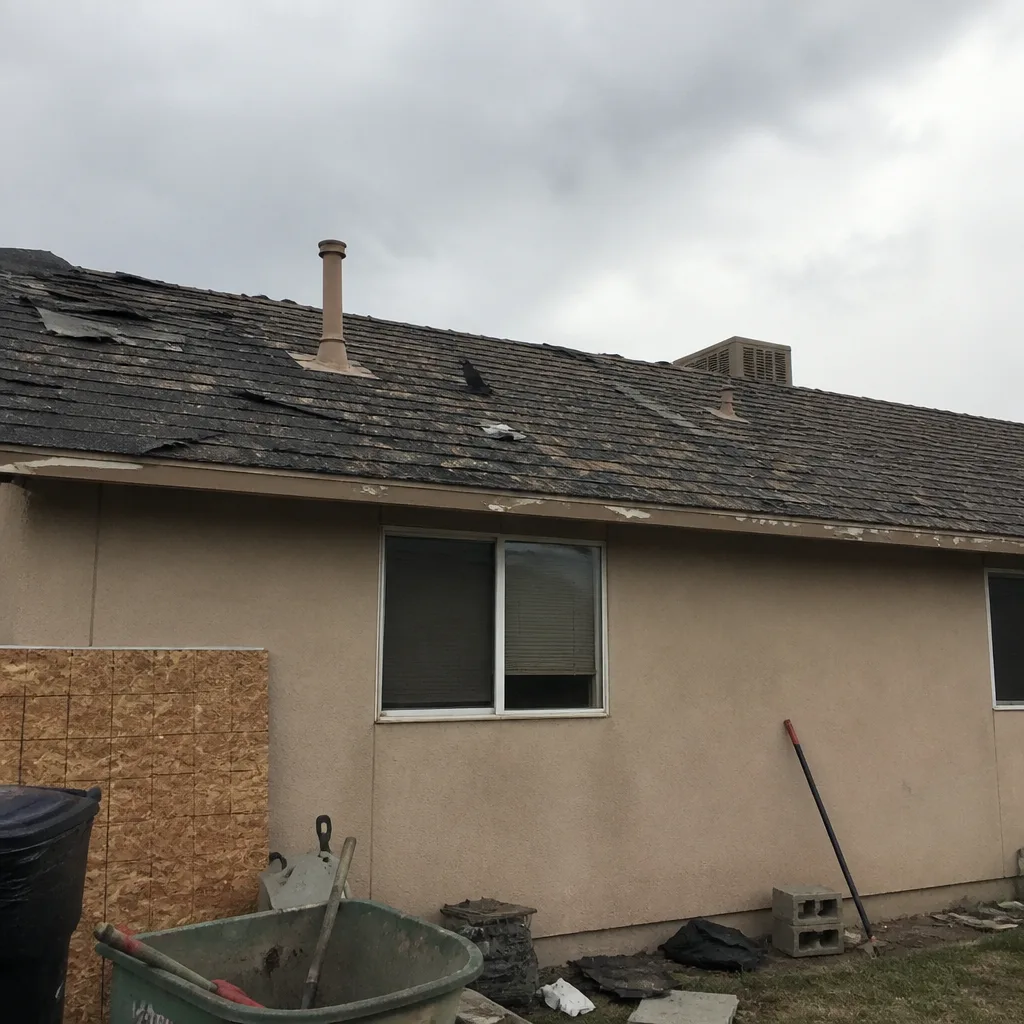 Before
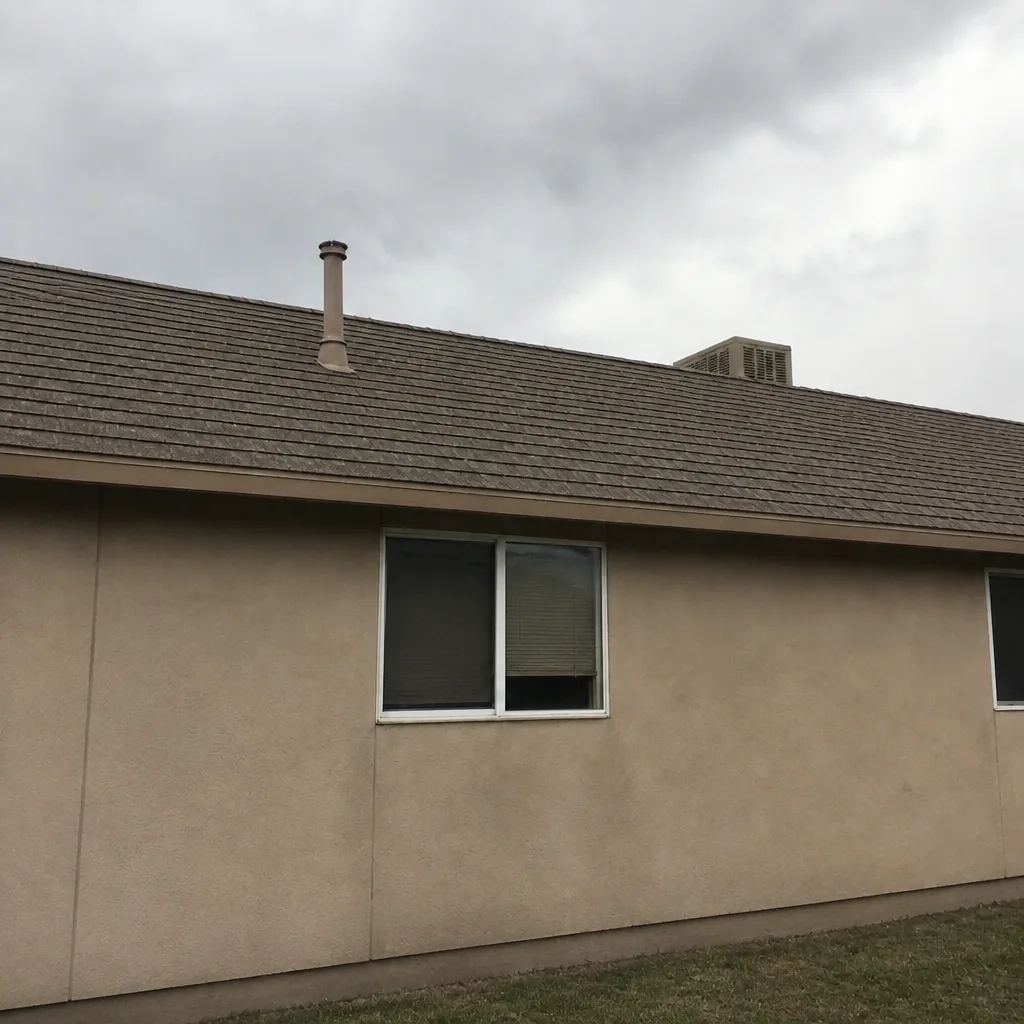 After
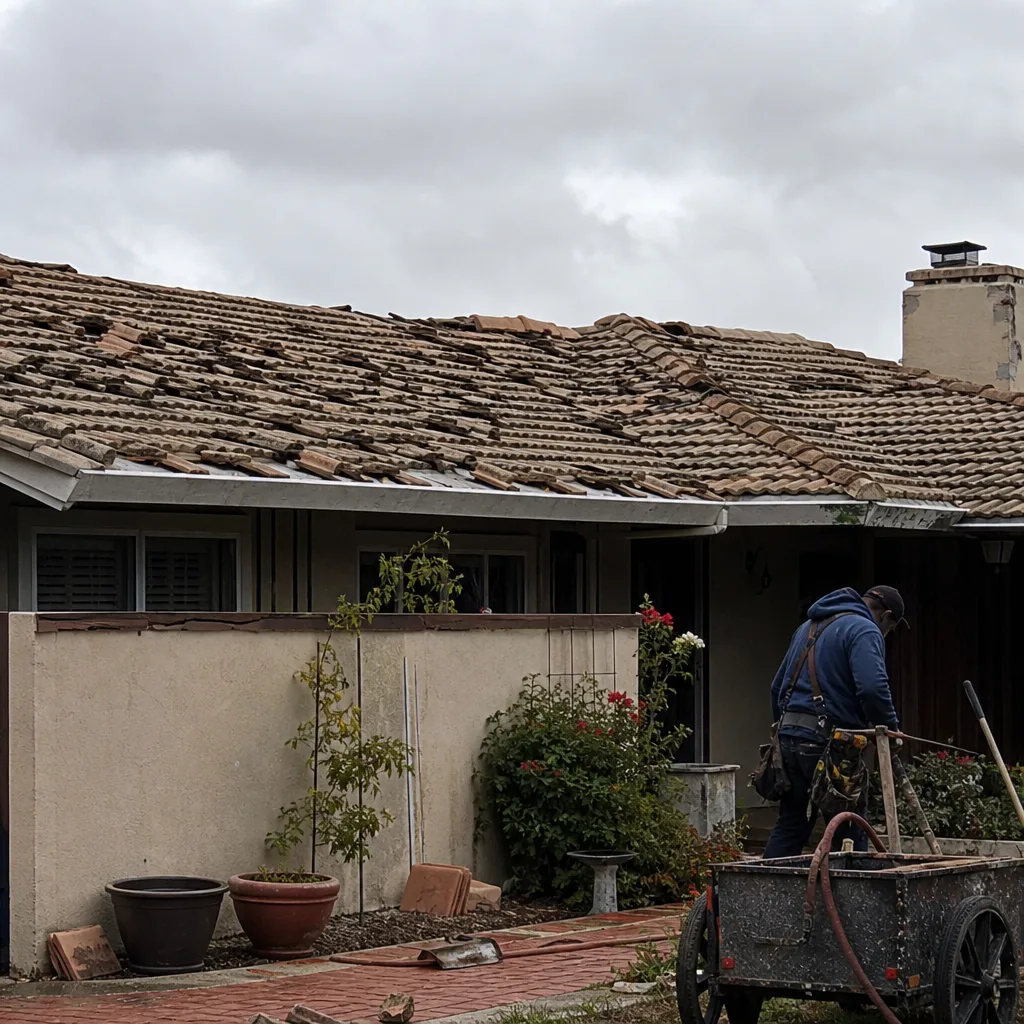 Before
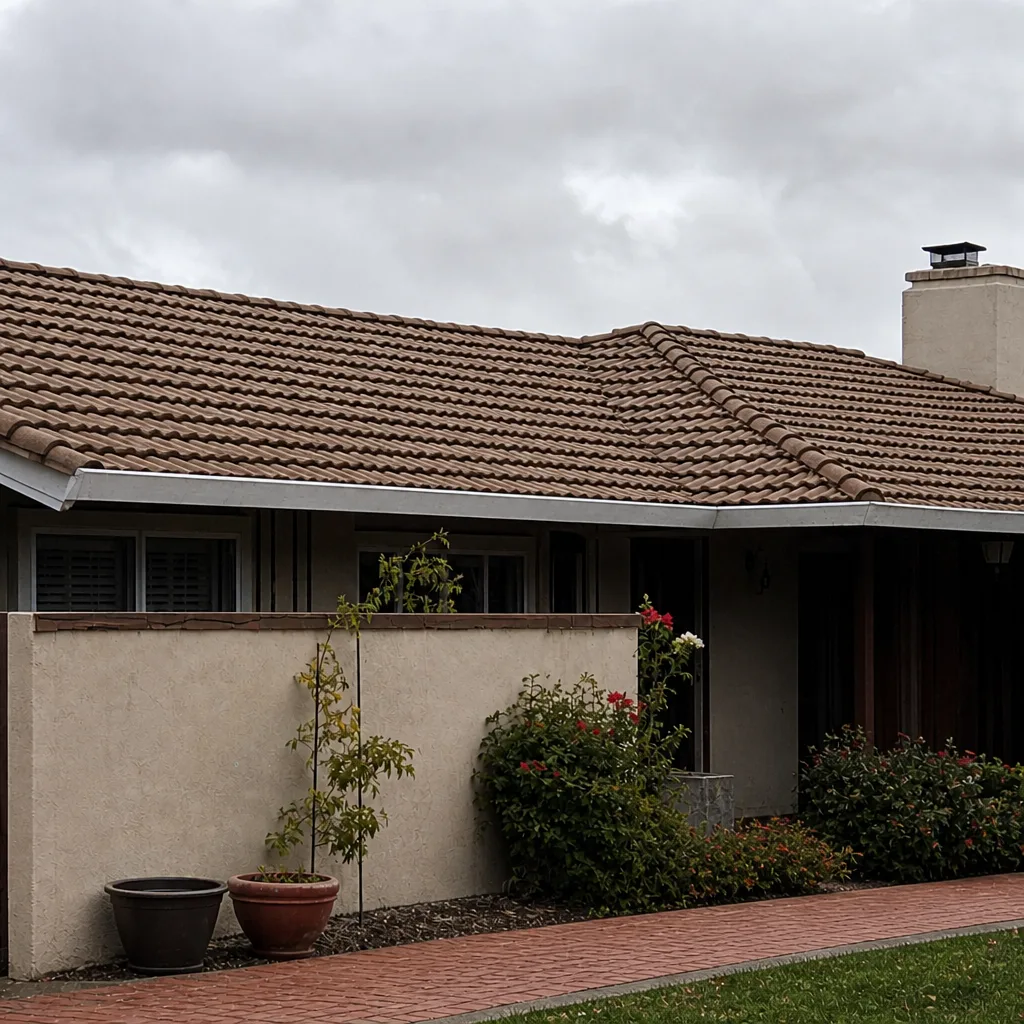 After
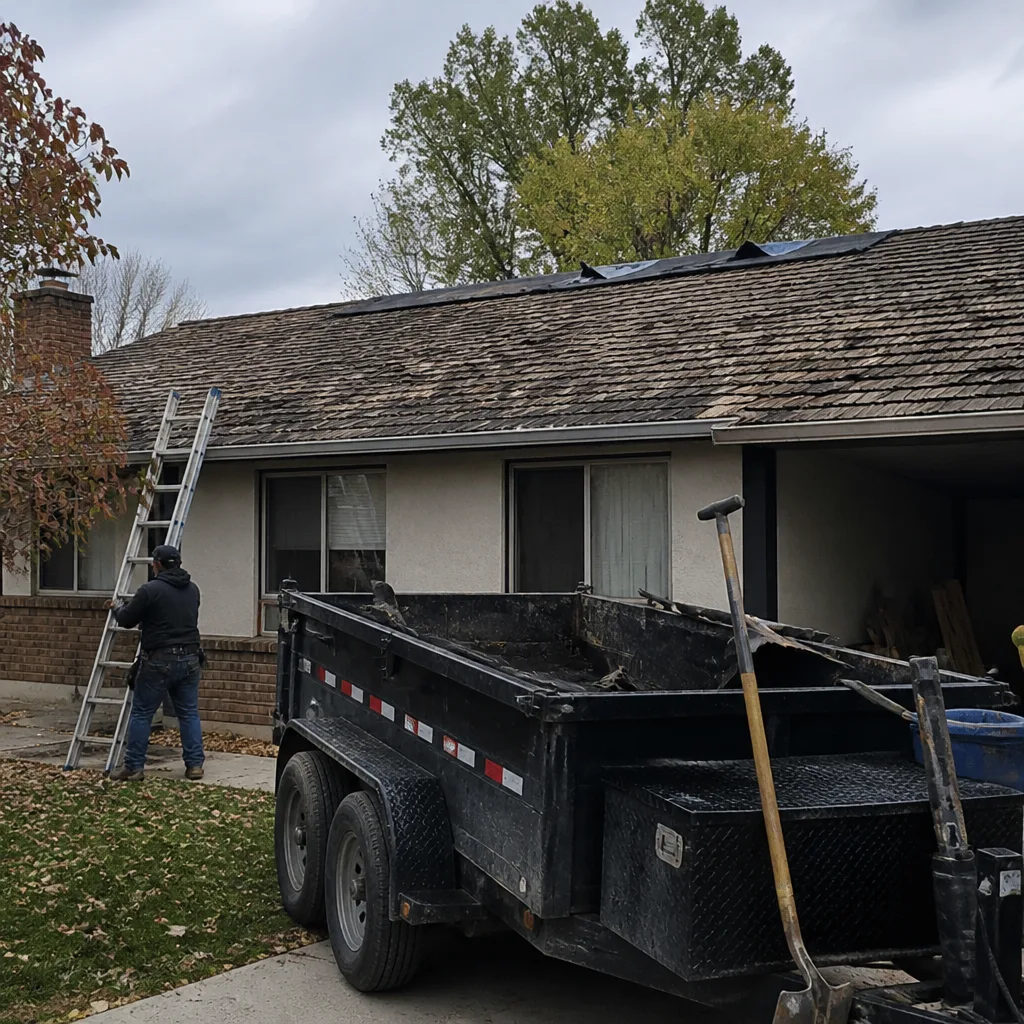 Before
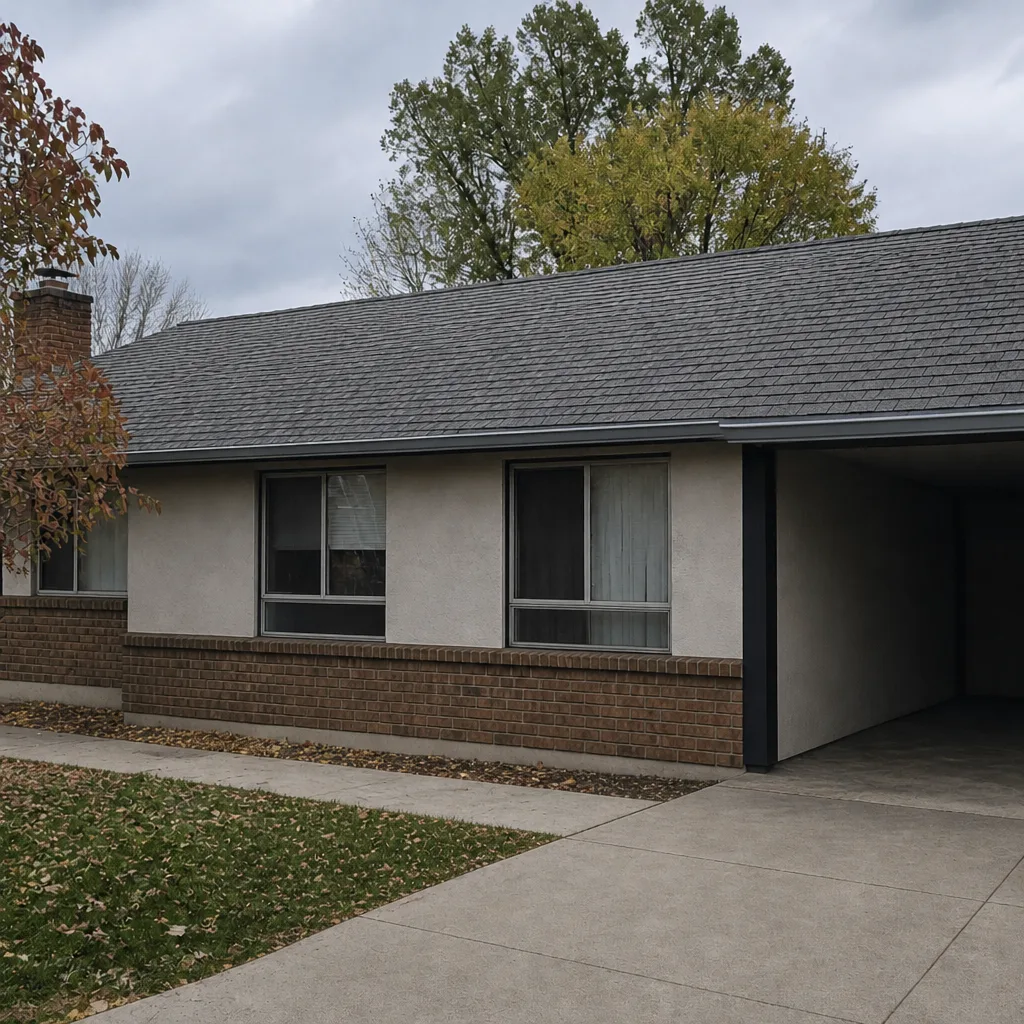 After