
Last updated November 17, 2026
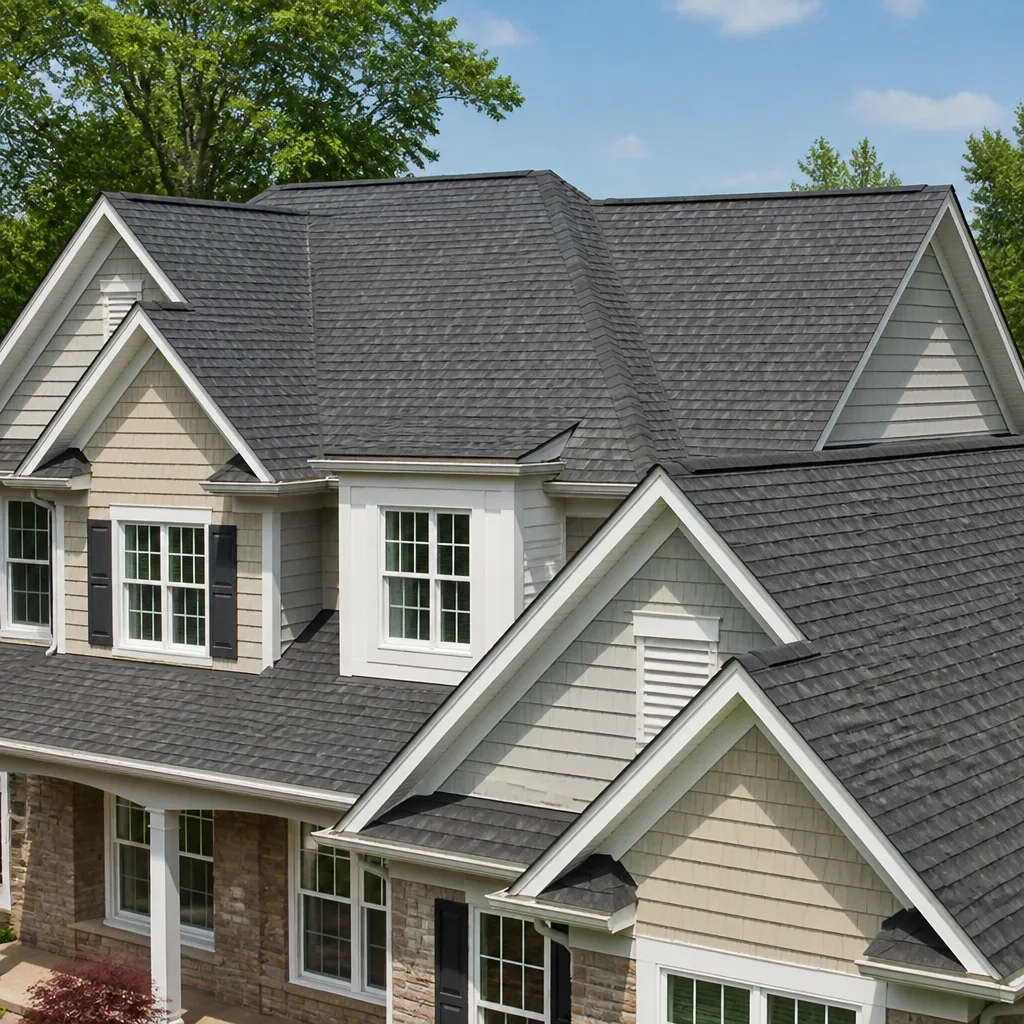 Architectural shingles
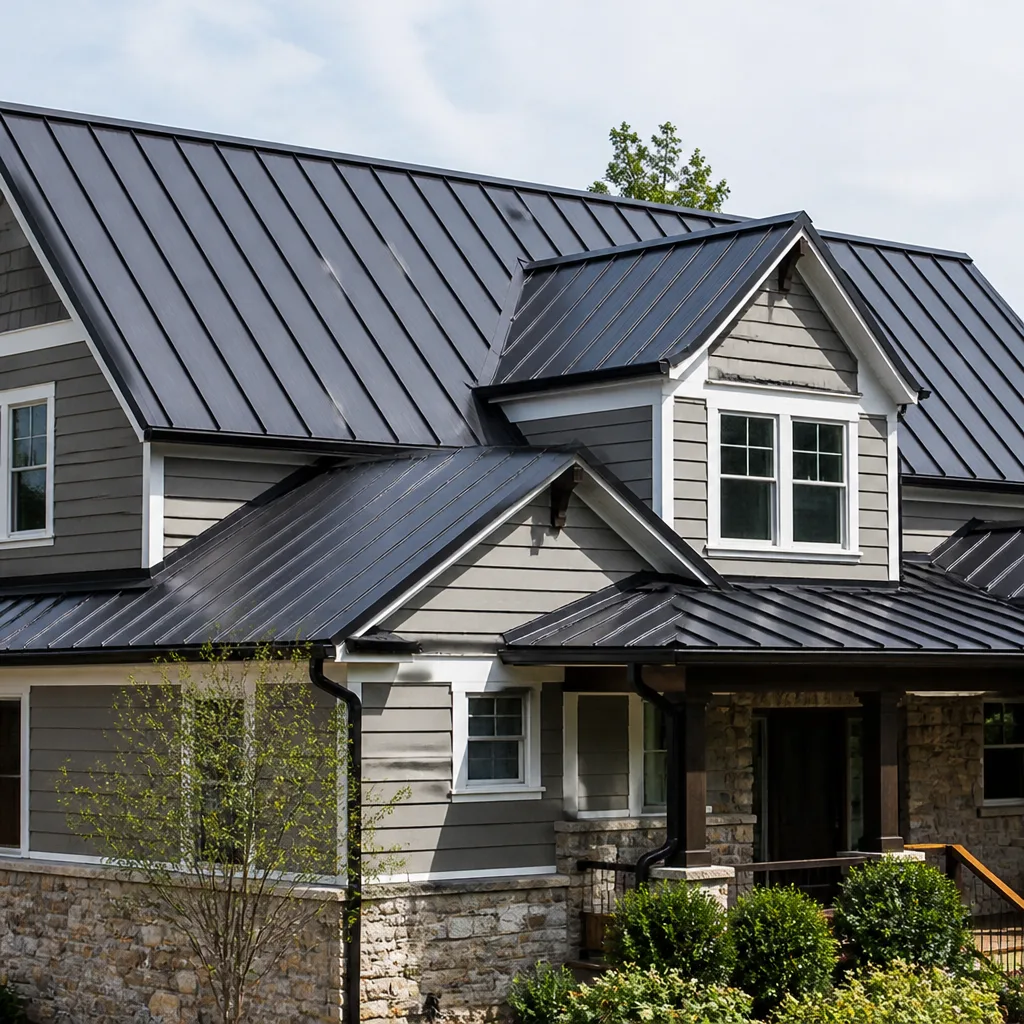 Metal roofing
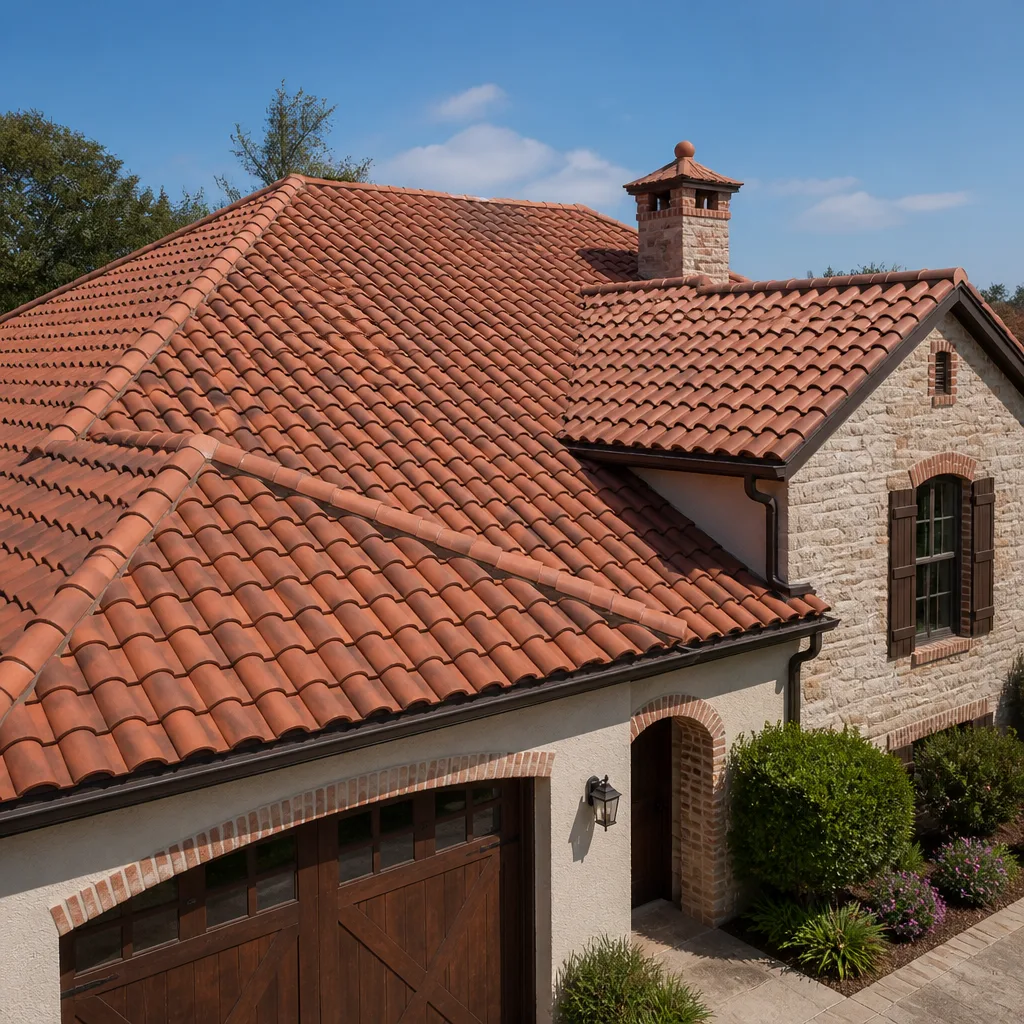 Tile roofing
 GAF
 Owens Corning
 Flat & low-slope
Free roof inspection with deck photos before we talk money - GAF and Owens Corning certified installation
DIY vs Professional Roof Repair: What’s Safe to Do Yourself
Replacing a single cracked shingle is a Saturday job for a careful homeowner. Re-flashing a chimney is not – and the difference isn’t skill, it’s whether a mistake costs you $40 or $4,000. Most roofing advice online either treats every repair like a bomb disposal or pretends you can reshingle a whole slope with a YouTube video and three beers. Neither is honest. So here’s the straight version from a crew that’s been climbing Winchester roofs since the Clinton administration: some of this you can absolutely do yourself, and some of it will void your insurance or put you in the ER. This guide draws the line clearly, so you know exactly which side of it you’re standing on.
Quick Answer
A handful of minor roof repairs are genuinely safe for a careful, ladder-confident homeowner: swapping a single cracked shingle, replacing a rubber pipe boot collar, reseating gutter sections, and sealing a small exposed nail head or shallow crack. Everything involving flashing, valley lining, structural decking, standing-seam metal, or anything requiring you to walk a steep pitch is professional work – not because you lack skill, but because a failure there damages the home’s waterproof envelope and, in Nevada, can complicate a home sale or insurance claim when the repair wasn’t permitted or documented. When the roof is more than a story up, steep, or the damage is anything but cosmetic, call a pro.
Styles & brands we work with
- Architectural shingles
- Metal roofing
- Tile roofing
- GAF
- Owens Corning
- Flat & low-slope
Table of Contents
- Repairs That Are Genuinely Safe to DIY
- Repairs You Should Never DIY
- Nevada Contractor Law and Why It Matters
- The Real Cost Comparison: DIY vs Professional
- Winchester Safety Realities: Heat and Pitch
- When the Honest Answer Is “Do It Yourself”
- Common Mistakes to Avoid
- When to Call a Professional
Repairs That Are Genuinely Safe to DIY
If you’re comfortable on a ladder, own a flat pry bar and a hammer, and can see the repair from the top of the ladder without climbing onto the roof plane, you can probably handle these yourself. This is the honest list – we’d rather you knock out a $40 fix on your own and call us when it’s genuinely a $600 job than pay us to swap a shingle.
- Single shingle swap. A cracked or missing three-tab or architectural shingle on a low, walkable pitch is a straightforward replacement. You lift the two shingles above it, pull the nails, slide the old one out, slide the new one in, and nail in the same pattern. A helper on the ground to hand up a matching shingle is worth the effort – the color and profile need to match, which is why saving a handful of spare shingles from your last install is smart.
- Pipe boot collar replacement. The rubber collar around a plumbing vent pipe cracks after ten to fifteen years of Winchester sun exposure. If the metal base is sound and the pipe is a standard size, a new collar slides on and seats with sealant and screws. Under $30 in parts, one of the most common leak sources we see, and a legitimate DIY fix.
- Gutter reattachment. A sagging gutter section, a loosened hanger, or a downspout that pulled away from the fascia is a drill-and-screw job, not a roofer call. Reseat the hanger into solid wood, add a screw through the front lip where needed, and confirm the pitch still flows toward the downspout.
- Exposed nail head sealing. Popped nails happen as the wood deck expands and contracts through Winchester’s temperature swings. A tap with a hammer to reseat, then a dab of roofing sealant over the head, handles it – as long as the nail hasn’t backed out of the deck entirely.
- Small, shallow crack sealing. Hairline cracks in the mat of an otherwise sound shingle can be dabbed with roofing cement to slow further cracking.
If you’re not sure a repair belongs on this list, a quick roof repair in Winchester inspection is cheap insurance and often free to evaluate. We’ll tell you plainly whether it’s a Saturday job or a professional one.
Repairs You Should Never DIY
Here’s the hard line. These jobs aren’t harder because the technique is complicated – they’re harder because the consequences of a small mistake are invisible until the next hard rain, and by then the damage runs into the thousands. We’ve seen the aftermath on Winchester roofs more times than we care to count.
- Chimney and wall flashing. Flashing is the metal that routes water away from the intersection where roof meets wall or chimney. It has to be woven into the shingle courses in the right order, with the right overlap and the right sealant – done in the wrong sequence, it looks fine and leaks for a year before the ceiling stain shows. This is the single most common source of “we just had it replaced and it still leaks” calls we get.
- Valley lining. Valleys carry the most water of any roof area. A valley that’s off by a quarter inch sends water under the shingles rather than over them. Not DIY territory.
- Structural decking. If the plywood or plank sheathing has rotted or softened, you’re not patching a roof – you’re addressing the structure beneath it. A soft deck means the whole assembly above it needs to come off.
- Standing-seam metal or tile. Metal roofing involves concealed fasteners, expansion gaps, and panel-specific techniques. Tile involves breakage risk and underlayment sequencing. Both are specialty work.
- Anything requiring you to be on a pitch steeper than about 6/12, or on any roof more than one story up. That’s a safety calculation, not a skill one. More on that below.
- Full or partial reroofs, even small ones. A roofing permit is a legal requirement in most Nevada jurisdictions and part of the home’s public record. We cover that fully under roof replacement and installation in Winchester.
Nevada Contractor Law and Why It Matters
Nevada is one of the stricter states about who can perform construction work on residential property, and that has real implications for the DIY homeowner – not as a threat, but as a fact you should know before you start. The Nevada State Contractors Board sets a threshold below which a homeowner can legally do their own work without a licensed contractor. Above that threshold, work on a structure you own and occupy is typically allowed under the owner-builder exemption, but it comes with strings attached: you’re responsible for pulling permits, meeting inspection requirements, and disclosing the work accurately if you sell.
Where the complications surface:
- Permits and disclosure. A reroof generally requires a permit. If you do the work without one, and then sell the home, the buyer’s inspector often flags the lack of a permit trail. That becomes a negotiation point or a sale blocker, and can force you to pull an after-the-fact permit at a higher cost than if you’d done it right the first time.
- Insurance claims. If you have a homeowners claim and the adjuster sees the damage was caused by or compounded by an unpermitted or improper repair, the claim can be reduced or denied – even if the original loss was covered.
- Warranty voidance. Most shingle warranties from GAF, CertainTeed, Owens Corning and the like hinge on proper installation by a qualified installer. A DIY patch in the wrong place can void warranty coverage on the slope or the whole roof.
- Resale inspection findings. We’re regularly called by Winchester homeowners mid-escrow who need a repair documented and permitted before closing – a job that would have been minor becomes urgent because a sale is on the line.
A quick call to your county building department before you start answers most of this in five minutes. It’s the cheapest step in the whole project.
The Real Cost Comparison: DIY vs Professional
Most “DIY vs pro” comparisons only look at labor versus materials. That’s the wrong math. The right math is risk-adjusted cost: what a repair actually costs when you factor in the probability of a mistake and what fixing that mistake costs. Run the numbers honestly and the picture changes.
Here’s the realistic cost breakdown for common repairs in the Winchester market:
| Repair | DIY materials | Professional price (typical) | Cost of a botched DIY re-do |
|---|---|---|---|
| Single shingle swap | $15-$40 | $150-$300 | $300-$600 (mis-match, nail holes, water intrusion) |
| Pipe boot collar | $20-$35 | $175-$300 | $400-$900 (rot around the pipe, ceiling stain) |
| Gutter hanger/reattach | $10-$30 | $150-$250 | $200-$400 (fascia rot if not reseated) |
| Chimney re-flash | $80-$200 | $450-$900 | $1,500-$4,000 (interior water damage, deck rot) |
| Valley repair | $100-$300 | $600-$1,500 | $2,000-$6,000+ (deck delamination, interior damage) |
Notice the pattern. On the small repairs, DIY is genuinely frugal: you save the labor and the risk is limited. On the flashing and valley repairs, a DIY mistake reliably costs three to five times what a professional repair costs up front. That’s the hard line – not difficulty, but the exponential cost of getting it wrong. And the “invisible” quality matters: a botched flashing job can look perfect and be quietly leaking for months before the stain shows up. That’s why the roof contractor’s job is often to fix the repair that someone else already tried. If you find yourself in that position, this is exactly what a professional roof repair in Winchester is for.
Winchester Safety Realities: Heat and Pitch
Self-directed roofing tutorials are almost always written by people who live somewhere with mild summers. Winchester’s summer conditions are not that. The realities we see on our own jobs every July and August:
- Deck temperatures. A dark asphalt shingle roof in direct Winchester sun routinely reaches 150-170°F surface temperature on a hot afternoon. That’s hot enough to burn through thin work gloves and cause contact burns on skin. We schedule our own crew’s heavy work for early morning, and you should too – not because it’s more pleasant, but because it’s safer. Never work in the afternoon heat.
- Pitch angles in Winchester housing stock. The 1960s through 1980s subdivision roofs around here often sit between 4/12 and 6/12 pitch – genuinely walkable if you have proper footwear and are cautious. But the older custom homes and the ranches with steeper dormers can hit 8/12 and above. At 8/12 or steeper, without roof anchors and a harness, walking the pitch to reach your repair is asking for a fall. A fall from even one story can end your ability to work for months.
- Wind and monsoon-season gusts. We get wind events that whip loose shingles and blow ladder-seated materials off the roof. If the wind is above about 15 mph, don’t be up there.
- Heat and ladder stability. Soft ground from irrigation or rain makes the base of a leaning ladder sink and slip. Stable footing, three points of contact, and a spotter on the ground are non-negotiable.
If any of those conditions rule out a safe DIY repair – steep pitch, high heat, no spotter – then the safest call is to call us. Free estimates inside our county, no trip charge, and we’ll tell you honestly whether the repair is a small job or a big one. That’s part of what makes a locally owned Winchester roofing company worth calling: a neighbor’s favor, not a sales pitch.
When the Honest Answer Is “Do It Yourself”
Here’s a thing we’ve learned in nearly three decades of Winchester roofing: the fastest way to lose a customer forever is to charge them $400 to replace a pipe boot collar they could have done in twenty minutes. We’ve had that phone call – “my husband could have done that himself” – and it ends the relationship. So we don’t sell unnecessary service calls. When the call is a sagging gutter or a single popped nail, we tell the homeowner to save their money and do it themselves. Sometimes we describe the fix over the phone. Sometimes we recommend a cheap hardware store part and tell them to buy it. That’s not a customer-service strategy; it’s just honest. A homeowner who can look at their roof, judge their own capability, and know when to call is a homeowner who stays off the ER floor – and that’s a good outcome for everyone, even when it costs us a job.
And when the call does come, that relationship is already built. We’re the roofer your neighbor used, the one whose name and license number are on the truck. When it’s time for a repair, a replacement, or a second opinion on a big-ticket job, you already know who we are. That’s why we’ve stayed at the same address in Winchester since 1996, with the same name on the truck – the neighborhood is small and the reputation is everything.
Common Mistakes to Avoid
- Patching over wet decking. If you lay new shingles or patch material over a soft or wet spot, you’re trapping moisture and accelerating rot. Feel the deck under the damage with your hand before you touch anything; if it’s spongy, stop and call.
- Using the wrong sealant. Silicone doesn’t bond well to asphalt shingle; asphalt-based roofing cement is the right product for shingle repairs. Using the wrong one gets you a fix that fails in the next Winchester monsoon season.
- Driving nails into a shingle course at the wrong height. A nail that’s too high lets the shingle lift in wind; too low punches through the course below. The nailing pattern earns the wind rating, not the shingle wrapper – a fact most DIYers never learn.
- Skipping the permit. Covered above, but worth repeating: an unpermitted repair can stall a home sale or reduce an insurance claim in Nevada. It’s not a small technicality.
- Working solo. Most roofing injuries happen to homeowners working alone. No one to call 911, no one to hold the ladder, no one to catch what you hand down. Never get on the roof without a spotter on the ground.
- Ignoring the second leak source. Roofs often leak in one place but the water enters far from where you find the stain. Chasing the ceiling stain instead of the actual entry point is how homeowners end up patching the same spot three times.
- Assuming a “matching” shingle will match. Shingle colors fade with sun exposure. A new shingle from the same manufacturer and color name may still be visibly different from a roof installed eight years ago. On a visible slope, this can matter – which is worth checking with a metal roofing option in Winchester if you’re facing a full slope replacement anyway and want to avoid a color mismatch altogether.
When to Call a Professional
Call a professional roofer when any of these apply: the damage involves flashing, valley lining, structural decking, or standing-seam metal; you can’t see the repair without walking a pitch steeper than about 6/12; the roof is more than one story up; or the damage is more than a single cosmetic shingle. Call us when you’re unsure – we’d rather tell you it’s a DIY job than have you hurt yourself trying one that isn’t. Shepherd & Sons Roofing Winchester offers free estimates in Winchester, no trip charge inside our own county, and a free second opinion on any written estimate from another crew. Call (844) 797-8167 – a live person answers, 24/7. No call center, no voicemail, no form.
See the difference
 Before
 After
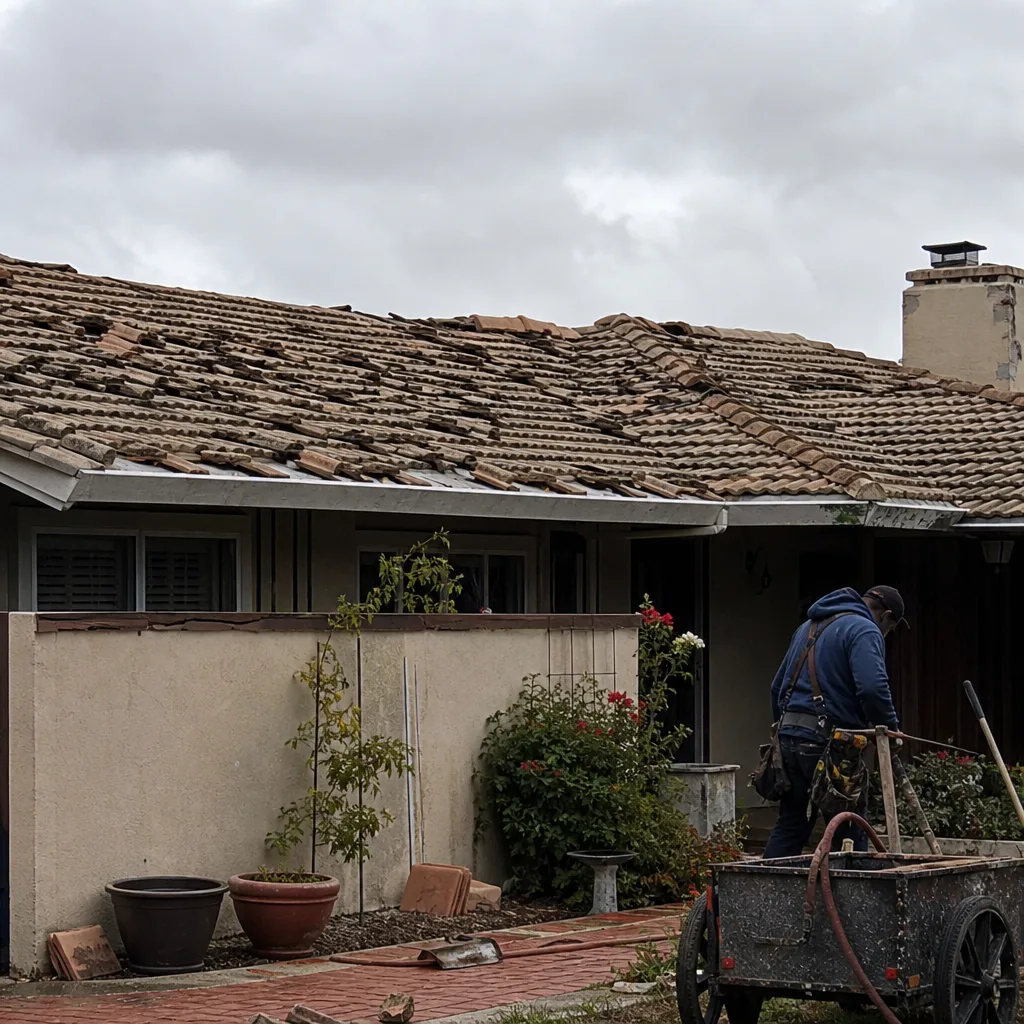 Before
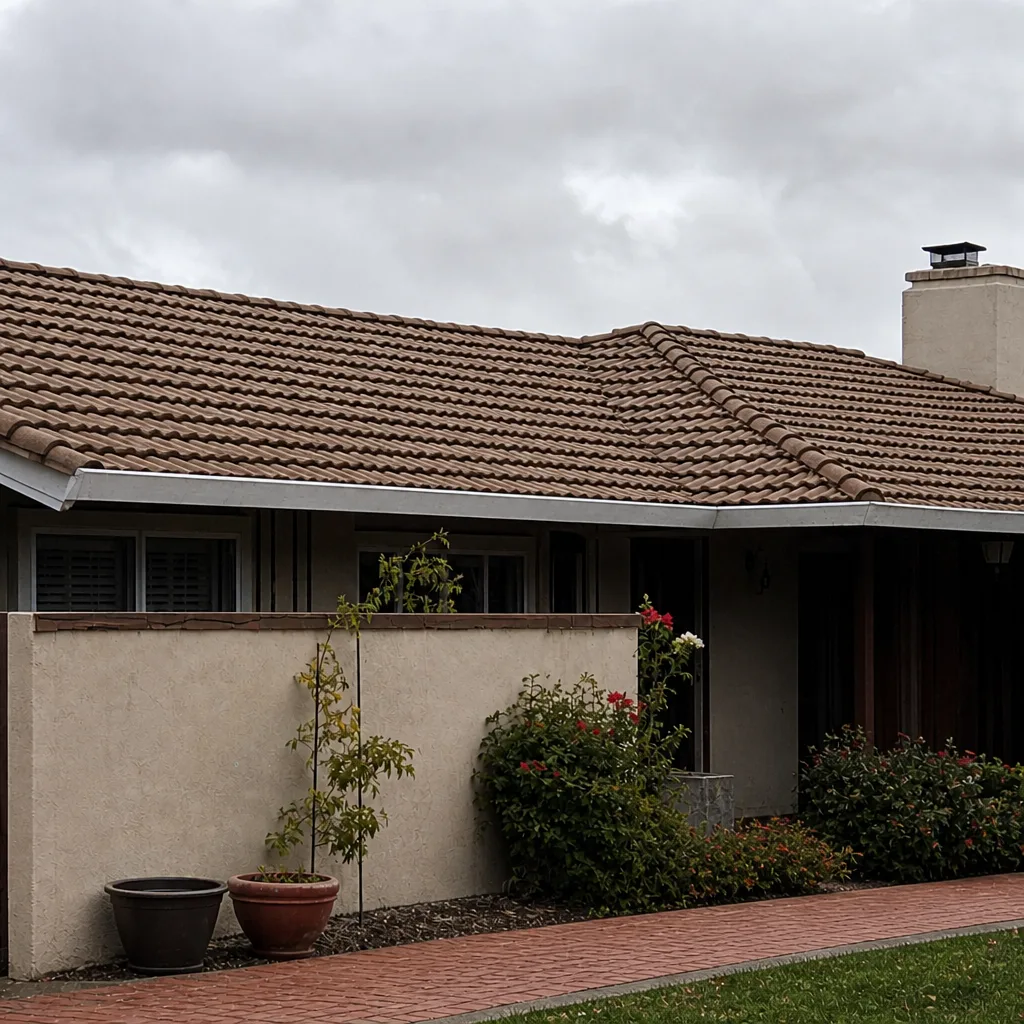 After
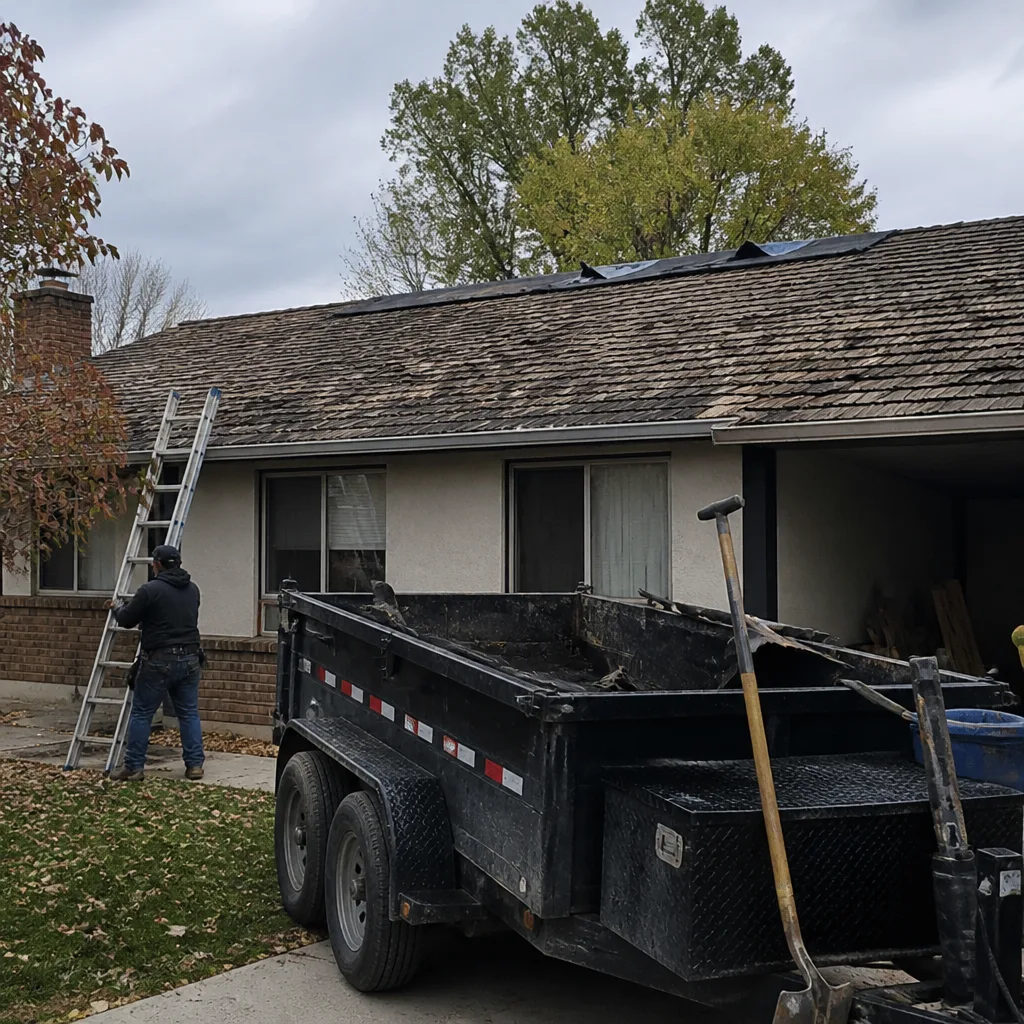 Before
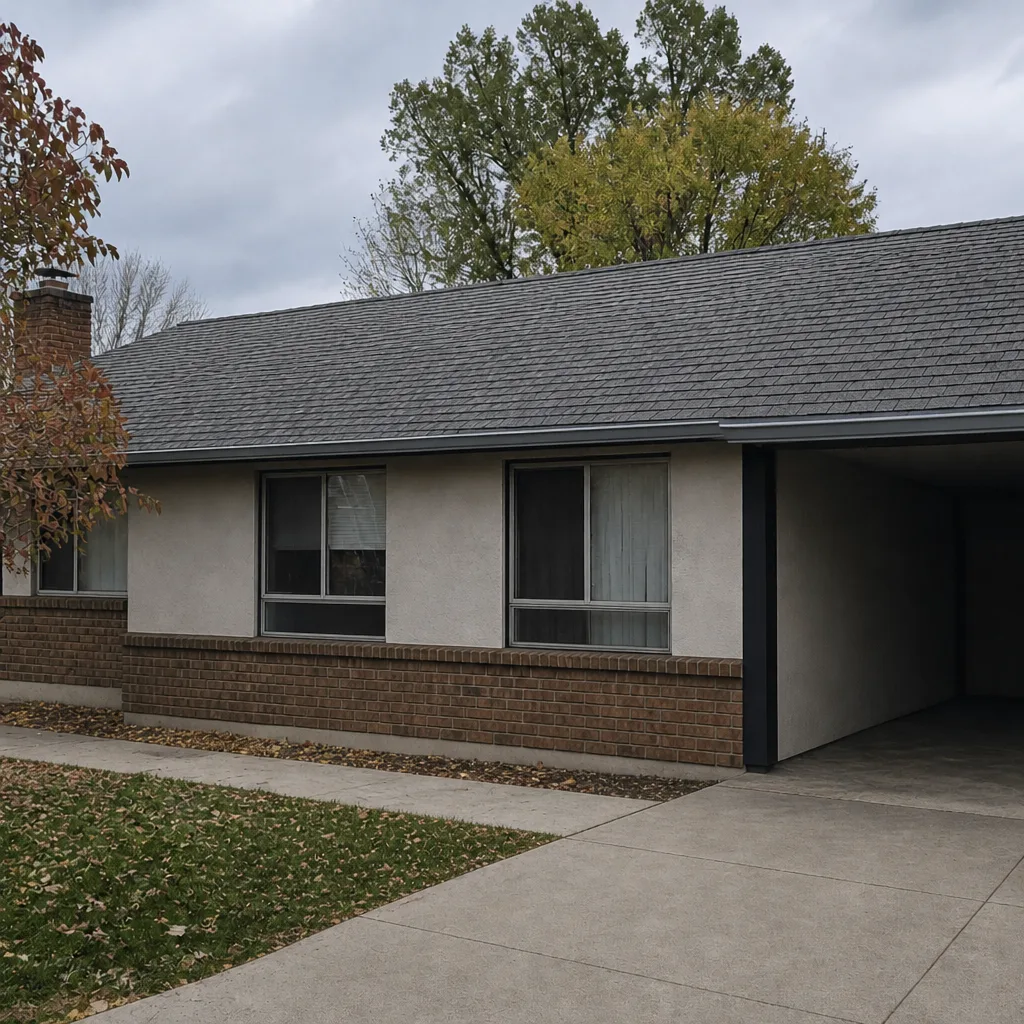 After
Frequently Asked Questions
For minor cosmetic repairs like a single shingle swap or pipe boot collar, doing it yourself is genuinely cheaper – the labor savings are real and the risk is low. For flashing, valley, and structural work, a DIY mistake reliably costs more than a professional repair because fixing the botched job costs three to five times the original repair. Call (844) 797-8167 for a free second opinion on any written estimate – we’ll tell you honestly which category your repair falls into.
Full reroofs and most structural roof repairs require a permit from your local building department; minor repairs like a shingle swap or gutter reseat generally do not. The exact threshold depends on your jurisdiction. Pulling a permit matters beyond code compliance – it creates a public record that protects you at resale and if you ever file an insurance claim. Call (844) 797-8167 and we’ll walk you through what your specific repair needs.
Yes for minor repairs – Nevada allows owner-occupants to perform certain work on their own home under the owner-builder exemption, as long as you meet permit and inspection requirements and disclose the work accurately if you sell. The line is typically drawn at work that requires a permit or changes the structure of the home. A free estimate from us will confirm whether your repair crosses that line.
Ask yourself three questions: can I see the repair without walking onto the roof plane, is the roof one story up, and is the repair cosmetic rather than structural? If all three are yes, it’s likely safe. If any answer is no, call (844) 797-8167 – the assessment is free and we’ll say so plainly if it’s a job you can handle on your own.
It can. Most manufacturer warranties from GAF, CertainTeed, Owens Corning, and the like require installation by a qualified contractor and proper technique. Improper repairs can void warranty coverage on the affected slope or, in worse cases, the whole roof. If your roof is under warranty and the issue is beyond a cosmetic fix, a documented professional repair is worth the cost.
The biggest sign is damage at a roof intersection – a chimney, skylight, wall, or valley – because a mistake there lets water travel inside the home for months before you see a stain. If the leak is at any junction where two roof planes or a roof plane and a vertical surface meet, call a professional. Call (844) 797-8167 and we’ll diagnose it and quote a free estimate.
The Bottom Line
Some roof repairs are genuinely fine to do yourself: shingle swaps, pipe boot collars, gutter reseats, popped nail heads. Others – flashing, valleys, structural decking, metal and tile – are not, because a small mistake there costs thousands and can void a warranty or complicate a Nevada home sale. The line isn’t about your skill; it’s about the cost of getting it wrong. If you’re unsure which side of the line your job is on, get a free estimate – mine, or anyone’s. We’ll tell you straight whether it’s a Saturday job or a professional one, and we’re happy to lose the small jobs to keep the big ones honest. Call (844) 797-8167. We answer live, 24/7, and Bill will come out himself. Same address since 1996.
Written by the team at Shepherd & Sons Roofing Winchester.