
Last updated November 17, 2026
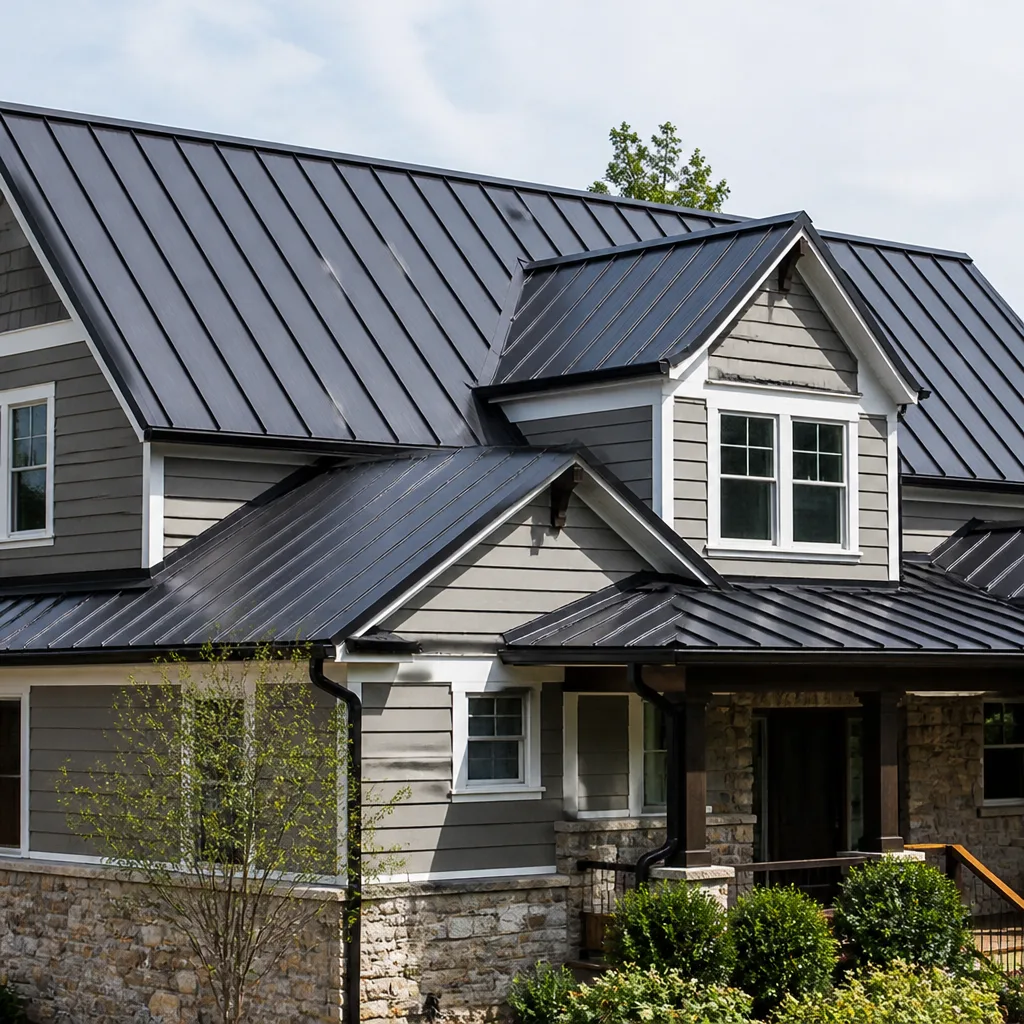 Metal roofing
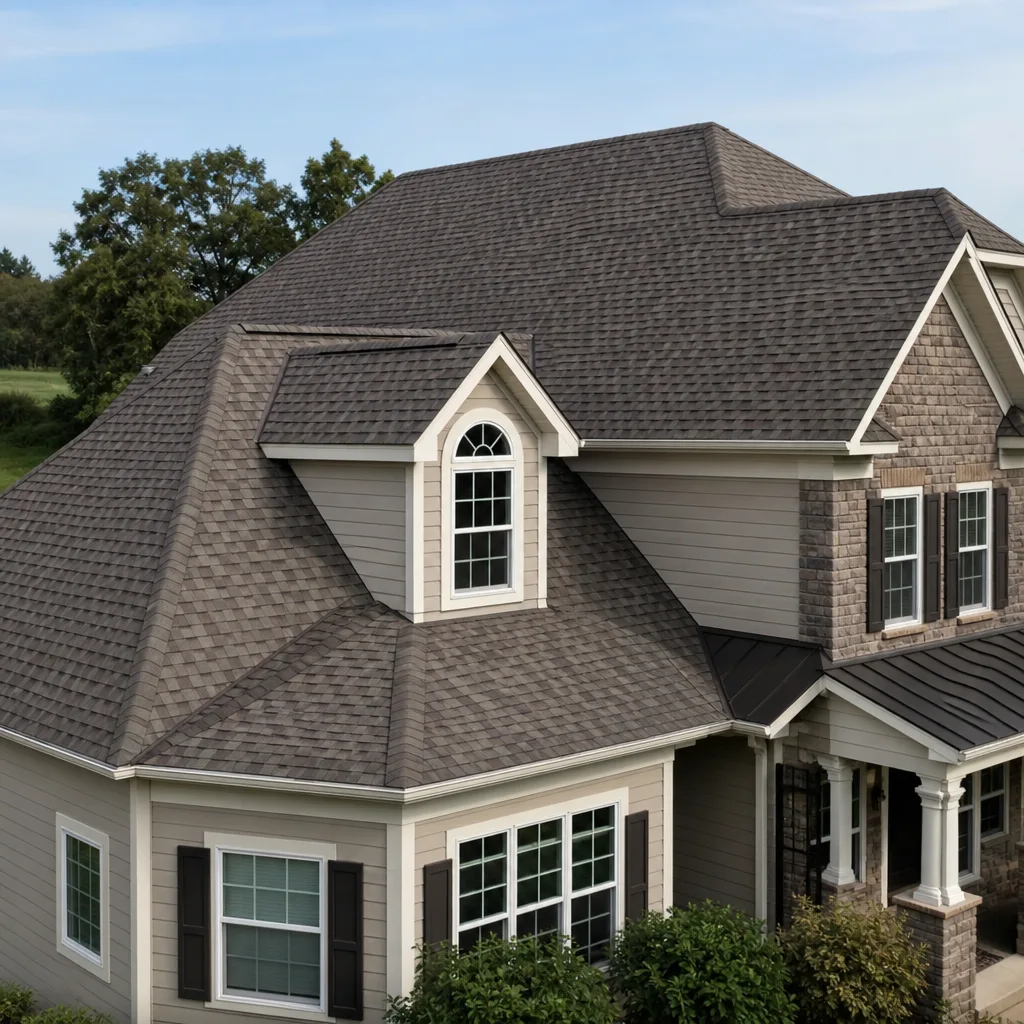
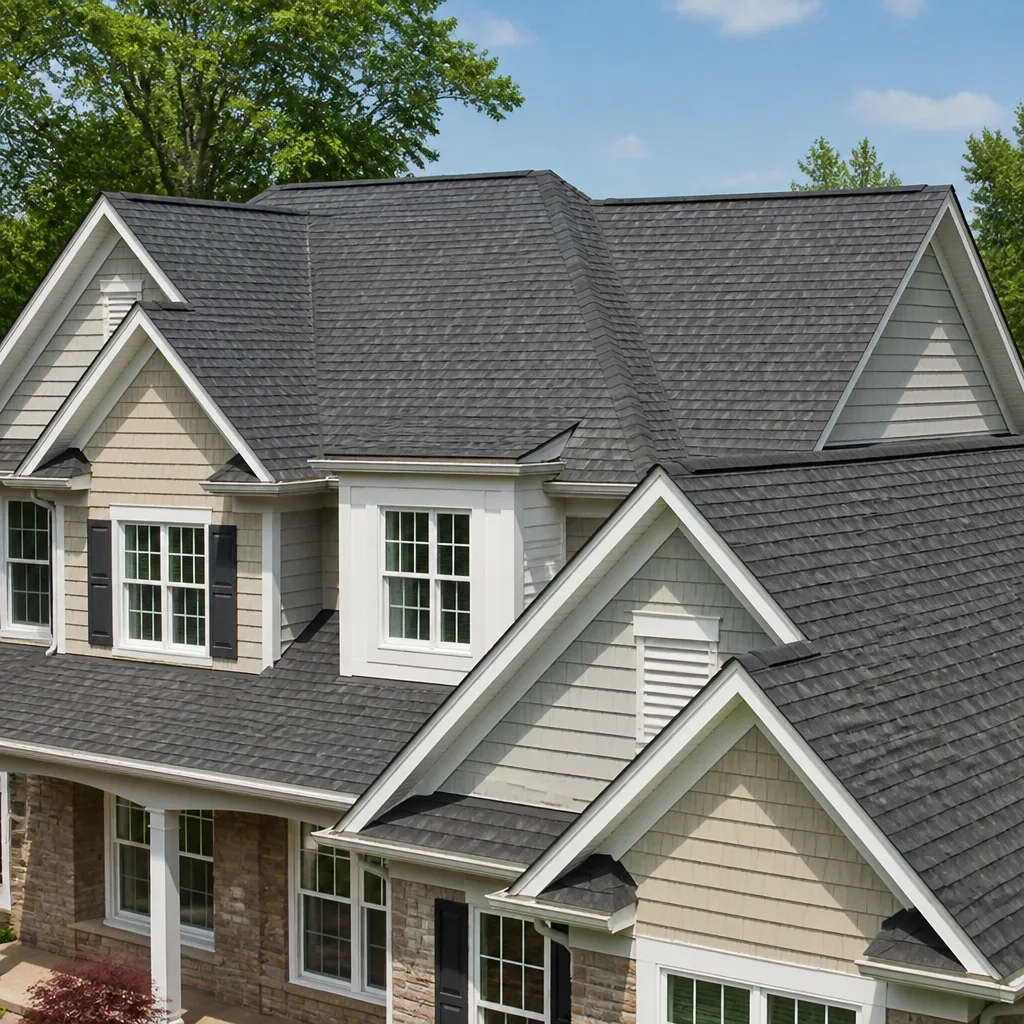 Architectural shingles
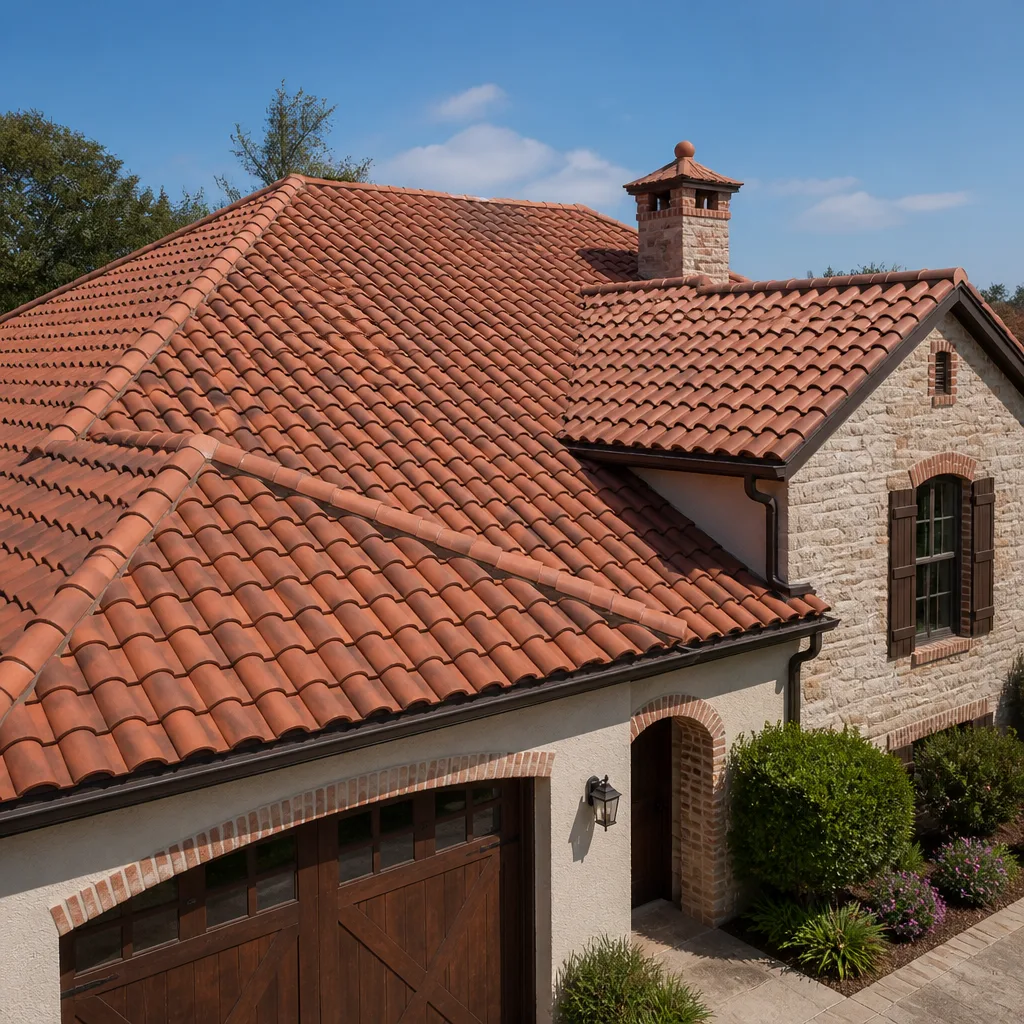 Tile roofing
 GAF
 Owens Corning
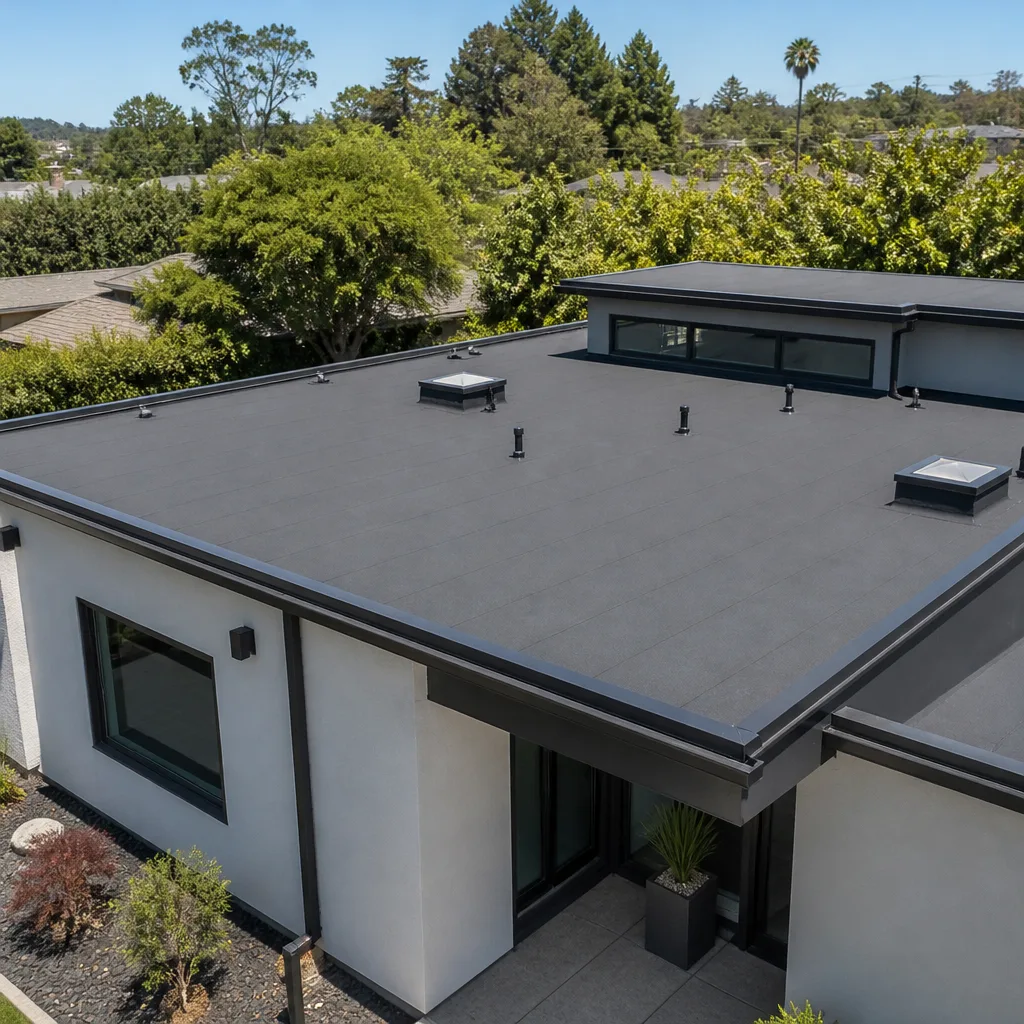 Flat & low-slope
Free roof inspection with deck photos before we talk money - GAF and Owens Corning certified installation
DIY vs Professional Roofing: The Winchester Homeowner’s Decision Guide
I’ll tell you straight: there are three roofing tasks a handy Winchester homeowner can reasonably DIY, and there are about fifteen that look doable on YouTube but end up in my truck six months later. The gap between those two lists is where the real money gets lost. It’s not usually the repair bill that stings. It’s the underlayment warranty that quietly goes void, or the inspection line item that surfaces years later when you’re trying to sell the house. This guide walks through what’s genuinely safe to handle yourself here in Winchester, what isn’t, and what a failed attempt actually costs once you add up the do-over.
Quick Answer
In Winchester, you can safely DIY gutter cleaning, ground-level visual inspections, and re-caulking around vents and pipe boots. Anything involving flashing, shingle replacement, roof penetrations, or walking a pitch steeper than a gentle slope belongs to a licensed roofer. A professional repair here typically runs $350 to $900, while fixing a failed DIY attempt that voided a warranty or failed inspection often runs $2,000 to $6,500 once you add remediation, re-inspection, and the original wasted weekend.
Styles & brands we work with
- Architectural shingles
- Metal roofing
- Tile roofing
- GAF
- Owens Corning
- Flat & low-slope
Table of Contents
- The Three Roofing Tasks You Can Genuinely DIY in Winchester
- The Hidden Cost of a DIY Repair: Warranty, Code, and Resale
- What Nevada Contractor Law Actually Says About Roof Work
- Cost Comparison: Professional Repair vs. Failed DIY Remediation
- Why Improper Flashing Is the Most Expensive Mistake on a Roof
- How to Describe a Roof Problem Accurately Over the Phone
- What to Check Before You Sell a Winchester Home
- Common Mistakes to Avoid
- When to Call a Professional
- Frequently Asked Questions
The Three Roofing Tasks You Can Genuinely DIY in Winchester
Let’s start with what’s actually safe. I’d rather you clean your own gutters correctly than pay someone to do it wrong, and there are a few jobs around a Winchester home where doing it yourself makes real sense.
1. Gutter Cleaning
This is the safest roofing-adjacent task on the list, provided you stay off the roof and work from a stable ladder with a helper footing it. Clear debris by hand or with a gutter scoop, flush the downspouts with a garden hose, and check that water actually drains away from the foundation. In Winchester, cottonwood fluff and the spring wind we get here pack gutters faster than most people expect, so plan on two cleanings a year: once in late spring and once after the fall leaf drop.
2. Ground-Level Visual Inspection
You can learn a lot standing on your lawn with binoculars. Look for lifted or curled shingle tabs, granules collecting at the base of downspouts (a sign of shingle wear), dark streaks that don’t wash off, and anything that looks like a soft spot or sag along the roofline. Take phone photos. Write down what you see. If you spot something concerning, that documentation is exactly what a roofer needs to quote accurately.
3. Minor Caulking Around Vents and Pipe Boots
If you can reach a vent flange or pipe boot safely from a ladder without stepping onto the roof, a bead of proper roofing sealant can extend the life of an old seal by a season or two. This is maintenance, not repair. It buys time. It does not fix a leak that’s already active.
That’s the whole list. Everything else I’m about to describe is where DIY stops being a money-saver and starts being a liability, and here in Winchester we see the consequences of that line getting crossed often enough to take it seriously.
The Hidden Cost of a DIY Repair: Warranty, Code, and Resale
Here’s the part that doesn’t make it into most DIY tutorials. When you touch a roof system improperly, you don’t just risk a leak. You can void the manufacturer’s warranty on the underlayment and the shingles themselves, and you can create a paper trail problem that follows the house for years.
Manufacturers like GAF and CertainTeed write their warranties around proper installation by qualified installers. If flashing gets reworked with the wrong material or the wrong laps, or if shingles get nailed outside the specified pattern, the manufacturer has grounds to deny a future claim. You saved $400 on a repair. You lost a warranty that was worth far more than that on the whole roof system.
Then there’s the resale side. In Winchester, homes change hands with inspection reports that now routinely flag unpermitted roof work. A buyer’s inspector sees fresh shingles on a small patch with no permit record and no contractor documentation, and the questions start. Sometimes the whole roof has to be re-inspected by a licensed roofer before the sale closes. That’s a cost and a delay that almost always exceeds what the homeowner saved on the original DIY job.
And the code side. Roof repairs of any real scope have to meet the same flashing, fastening, and ventilation requirements as a new installation. A homeowner patching a valley without understanding the ice-and-water membrane requirement isn’t just doing sloppy work. They’re creating a code violation that a future inspector or buyer will find.
What Nevada Contractor Law Actually Says About Roof Work
Nevada has a homeowner exemption, and it gets misquoted constantly. Here’s what it actually covers and what it doesn’t.
The exemption allows a homeowner to perform work on their own primary residence without a contractor’s license, as long as the property is owner-occupied and the work isn’t being done for compensation or resale. So a homeowner can legally do some roof work themselves on their own home. That’s real.
What the exemption doesn’t do is protect you from any of the consequences. It doesn’t waive permit requirements. It doesn’t override manufacturer warranty conditions. It doesn’t make the work compliant with flashing and ventilation code. And critically, it doesn’t transfer to a buyer, which is why unpermitted roof work becomes a resale problem the moment you list the house.
The moment you hire anyone to work on your roof in Clark County – whether that’s a handyman, an unlicensed “roofer” from a Craiglist ad, or a legitimate licensed contractor – that person needs to be properly licensed for the scope of the work. Roofing is a licensed trade in Nevada. Storm chasers who show up after a hailstorm and can’t produce a license number are operating outside the law. Ask for the license number in writing before anyone touches the roof. If they won’t provide it, that tells you what you need to know.
You can use our roof repair service in Winchester as a comparison point, or call any licensed roofer and ask the same question. The point is that the license number is checkable. Verify it.
Cost Comparison: Professional Repair vs. Failed DIY Remediation
Numbers are what actually settle this argument. Here’s a realistic look at what things cost in the Winchester market, including the number most people don’t account for: the cost of fixing the first attempt.
- Professional repair of a simple leak (shingle patch, sealant, minor flashing): $350 to $900
- Professional repair involving a roof penetration or flashing rebuild: $650 to $1,800
- Do-it-yourself patch materials and tools: $80 to $200
- Do-it-yourself patch that then fails and requires remediation: $2,000 to $4,500 (diagnosis, tear-off of failed work, proper materials, permit)
- DIY job that voids a manufacturer warranty on a mid-life roof: the cost to prematurely replace a 15-year-old roof, which runs $9,000 to $18,000 on a typical Winchester home, minus warranty coverage you no longer have
- Unpermitted work that fails a buyer’s inspection during resale: $800 to $3,000 to document, re-inspect, and remediate
Run the math yourself. The professional repair at the top of that list is $350 to $900. The most likely outcome of a failed DIY attempt is somewhere between $2,000 and $4,500, and that’s before you count the second weekend you spent on the project.
I’m not saying DIY never works. I’m saying the expected value calculation only makes sense when you consider the probability of failure, and shingle patching, flashing work, and penetration repair have high failure rates for anyone doing it the first time. Gutter cleaning and caulking have low failure rates. There’s a reason the three items on my safe list are the three on my safe list.
Why Improper Flashing Is the Most Expensive Mistake on a Roof
Flashing is the sheet metal that seals the joints where the roof plane meets something else: a sidewall, a chimney, a skylight, a valley, a vent. It’s the most important part of a weathertight roof and the part most likely to be done wrong.
The problem is that flashing looks easy. It’s just metal, a few bends, some sealant. What the tutorials don’t show you is the sequence. Flashing has to be layered correctly behind the shingle course, not on top of it. It has to be lapped in the direction water runs. It has to be fastened without creating a new puncture point. The ice-and-water membrane underneath has to extend up under the flashing a specific distance. Miss any one of those and you have a leak that might not show up for two seasons – and by then the damage is in the decking, not the flashing.
Here’s the specific consequence in Winchester: when flashing is done wrong and a leak develops, the manufacturer’s warranty on the underlayment and shingles gets denied because the installation was improper. You’re on the hook for the entire repair, and possibly a section of decking replacement that wouldn’t have been needed if the flashing was right the first time.
This is the job where I tell every homeowner the same thing: don’t touch it. I know how it looks. I’ve been doing this long enough to know that even experienced repair work goes wrong when the roofer is rushed or the weather isn’t cooperating. A first-timer on a ladder with a tube of sealant is not going to get it right. Use our roof replacement and installation page as a reference for what proper installation actually looks like, and then call a licensed roofer no matter what you decide.
How to Describe a Roof Problem Accurately Over the Phone
A good roofer can quote a lot of repairs from a couple of good photos and a clear description. That saves you a visit for every preliminary question and keeps the conversation moving. Here’s how to describe a roof problem so you get an honest answer without scheduling a full appointment.
- Show the leak location from inside. A ceiling stain tells us which roof plane it’s coming from. Note whether the stain grows after rain or stays static.
- Take a photo from outside at the ground or from a second-story window. Use your phone’s zoom to get close. Include a wide shot for context and a close-up of the suspect area.
- Describe what’s above the stain. A chimney, a vent, a valley, a sidewall – this is the critical detail. Roofing leaks almost always originate at a penetration or a transition, not in the middle of a shingle field.
- Note the age of the roof and any recent work. A roof installed last year and a roof installed in 2008 need completely different conversations.
- Say what material it is. Asphalt shingle, metal, tile. We install products from GAF, CertainTeed, Owens Corning, and Boral, so knowing what’s currently on your roof helps narrow the repair scope quickly.
- Mention the pitch. “It’s a fairly steep two-story” tells us what equipment and crew we need. A steep roof is a different job than a low-slope garage roof.
- Flag any active damage. Active drip, wet insulation, ceiling sag – these are urgent and change the conversation.
Send those photos with a couple of sentences of context and any competent roofer can give you a ballpark range before the truck pulls up. That’s a much better use of a phone call than scheduling a visit to answer a question that a photo already answered.
What to Check Before You Sell a Winchester Home
Selling a home with a roof issue is manageable. Selling a home with unpermitted roof work is where things get painful. If you’re planning to list a property in Winchester in the next year, here’s what to verify before a buyer’s inspector finds it for you.
- Pull the permit history. Any roof replacement or significant repair should have a permit record. If you can’t find one, that’s the first thing to resolve.
- Get the roof inspected by a licensed roofer. A written report that documents the current condition and any prior work is worth having before the inspection phase, not after.
- Confirm the flashing. The last thing you want is a buyer’s inspector flagging improper flashing on a chimney or sidewall. That’s an almost-guaranteed renegotiation point.
- Review any contracts for prior work. If a previous roofer did work and you have documentation, keep it. If you don’t have documentation, a current inspection from a licensed roofer establishes the baseline.
- Check gutters and downspouts. They’re not technically the roof, but buyers and inspectors look at them together, and clogged gutters read as deferred maintenance on the whole exterior.
Every roof gets older and every inspection finds something. The difference is whether you’re fixing it on your timeline or a buyer’s. Our Shepherd & Sons Roofing Winchester home page has more on how we approach these pre-sale inspections, and it’s the kind of question we get often enough to have a standard answer for.
Common Mistakes to Avoid
- Climbing the roof without the right safety setup. Most roofing injuries happen to homeowners, not roofers. If the roof is steeper than a 5/12 pitch or the eaves are higher than one story, don’t climb it. That’s what ladders and professionals are for.
- Re-caulking a leak without finding the source. Caulk over the wrong spot looks fixed and isn’t. Water travels laterally under shingles before it drops through the deck. Tracing from the stain straight up is a mistake almost every first-timer makes.
- Patching a valley or penetration with sealant alone. This is the most expensive single DIY mistake we see. Proper repair of a valley or a pipe boot involves layered flashing, not a thick coat of tube sealant.
- Using the wrong fasteners on a metal roof. Screws need the right gasket and the right torque. Overtightened screws compress the gasket and leak; undertightened ones back out. If you’re looking at our metal roofing service page, you’ll see we don’t recommend DIY on metal penetrations for exactly this reason.
- Skipping the permit because “it’s just a small repair.” In Clark County, the permit threshold is lower than most homeowners expect, and unpermitted work on a small repair is still unpermitted work at resale.
- Buying shingles at a box store without checking the manufacturer warranty requirements. Installing shingles outside the manufacturer’s specified nailing pattern or starter course can void the warranty on the entire slope, not just the patch.
- Hiring the first roofer who knocks on the door after a storm. Ask for a license number and a physical local address. Storm chasers don’t have one and won’t come back for the callback.
When to Call a Professional
Any active leak, any work involving flashing or penetration, any repair on a roof you can’t safely reach from a stable ladder, any work you’d need a permit for, and anything on a roof older than 15 years should be handled by a licensed roofer. If you’re selling the home in the next year, call for an inspection before the buyer’s inspector finds a problem. If a storm just came through, call before you start poking at damage you can’t fully see from the ground.
At Shepherd & Sons Roofing Winchester, we offer free estimates in Winchester, no trip charge inside our own county, and a free second opinion on any written estimate you already have. Call (844) 797-8167 to schedule yours.
Frequently Asked Questions
Replacing a shingle or two on a low-slope, easily reached roof is one of the more reasonable DIY tasks, provided you have matching shingles on hand and can work safely from a ladder. That said, most homeowners discover the shingle in question is at the top of the roof or at a valley, at which point it becomes a professional repair. If you can’t reach it from a stable ladder without stepping onto the roof, call a roofer.
No. Homeowners insurance covers damage from covered events like hail or wind, not damage from improper work. If your DIY repair causes a leak that damages interior drywall or insulation, most policies have exclusion language for faulty workmanship, and the claim is likely to be denied. Call (844) 797-8167 for a professional estimate before you find out the hard way.
Ask for the license number in writing, then verify it through the Nevada State Contractors Board website. A legitimate roofer will give you the number without hesitation. Storm chasers and unlicensed operators will give you excuses instead. If there’s a license number on the estimate, you can check it in about two minutes.
A basic roof inspection typically runs $150 to $400, though many roofing companies waive the fee if you go on to use them for a repair. Pre-sale inspections that include a written report tend to run at the higher end of that range because of the documentation involved. Call (844) 797-8167 to ask about current inspection pricing.
Yes. Roofing falls are the single most common serious injury among homeowners doing exterior work. A 6/12 pitch on a 10-foot eave is a genuine fall hazard even for someone comfortable on ladders. If you can’t reach the area without stepping onto the roof, or the pitch is steeper than a gentle slope, don’t climb it. This is not a task to practice on.
Every roofing job Shepherd & Sons Roofing Winchester completes is backed by a written 90-Day Done Right Promise. If something isn’t done right, we make it right – one call brings us back. It’s in writing on every job, and it’s a commitment we’ve honored on every roof we’ve touched for the past 29 years.
The Bottom Line
The DIY vs. professional question in Winchester almost always comes down to probability, not skill. Three tasks are genuinely safe to handle yourself: gutter cleaning, ground-level visual inspection, and minor caulking around vents. Everything else is a calculation of how likely it is to fail versus what the failure costs. A $350 professional repair against a $2,000 to $4,500 remediation is not a hard call. Add the warranty and resale factors and the math tilts further. Do the maintenance tasks. Do the visual inspections. Document what you see. And call a licensed roofer for the work that can void a warranty, fail an inspection, or put you on a ladder above safe limits.
If you’re ready to have a real conversation about a roof issue, call Shepherd & Sons Roofing Winchester at (844) 797-8167 for a free estimate. A live person answers, 24/7. We’ll show you the deck photos before we talk money, and if the work is something you should handle yourself, we’ll tell you that too.
Written by the team at Shepherd & Sons Roofing Winchester.
See the difference
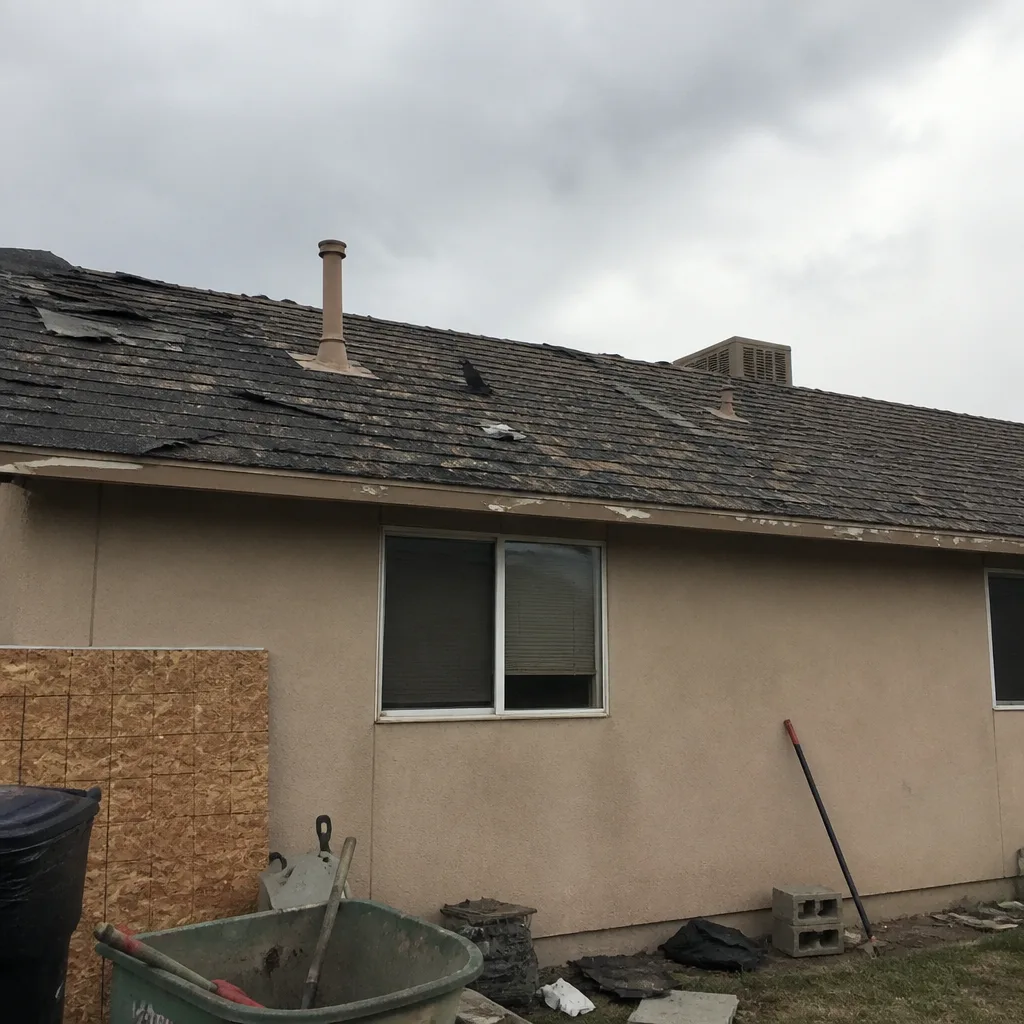 Before
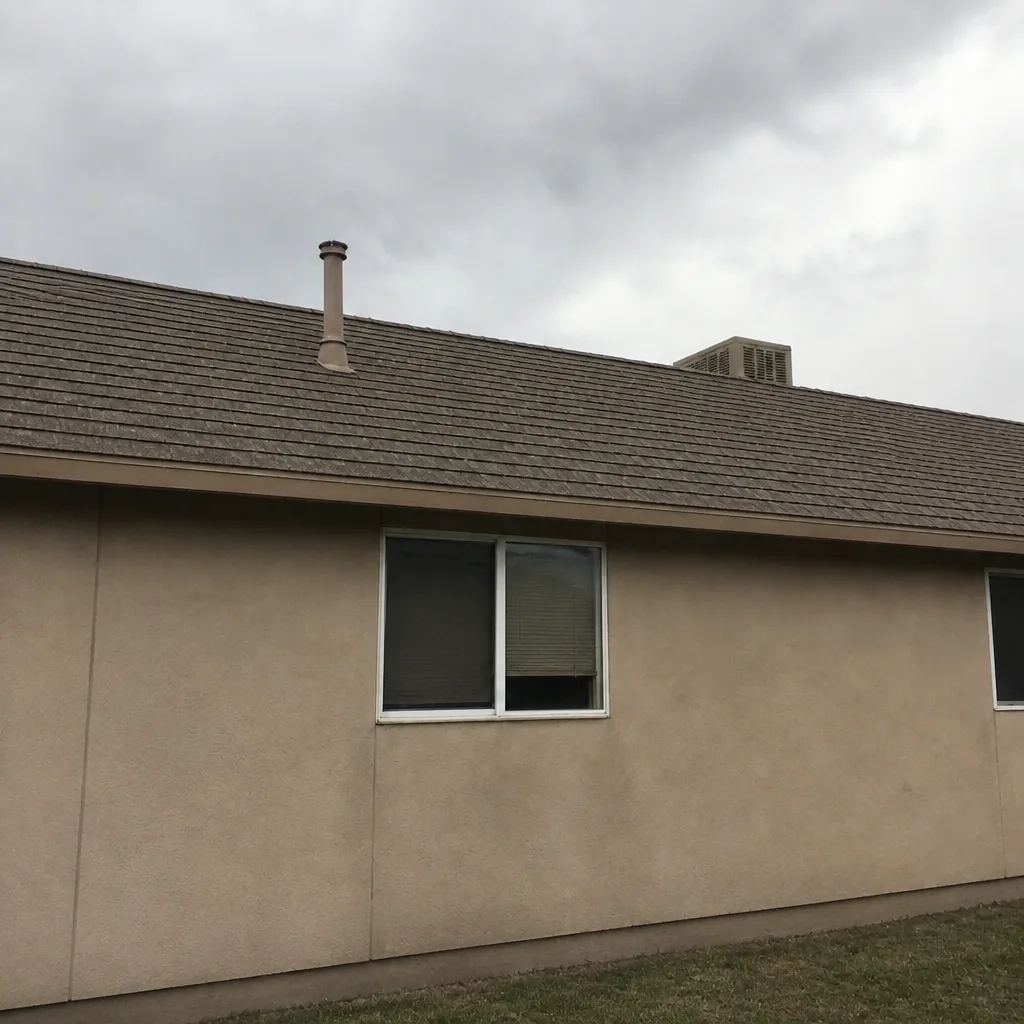 After
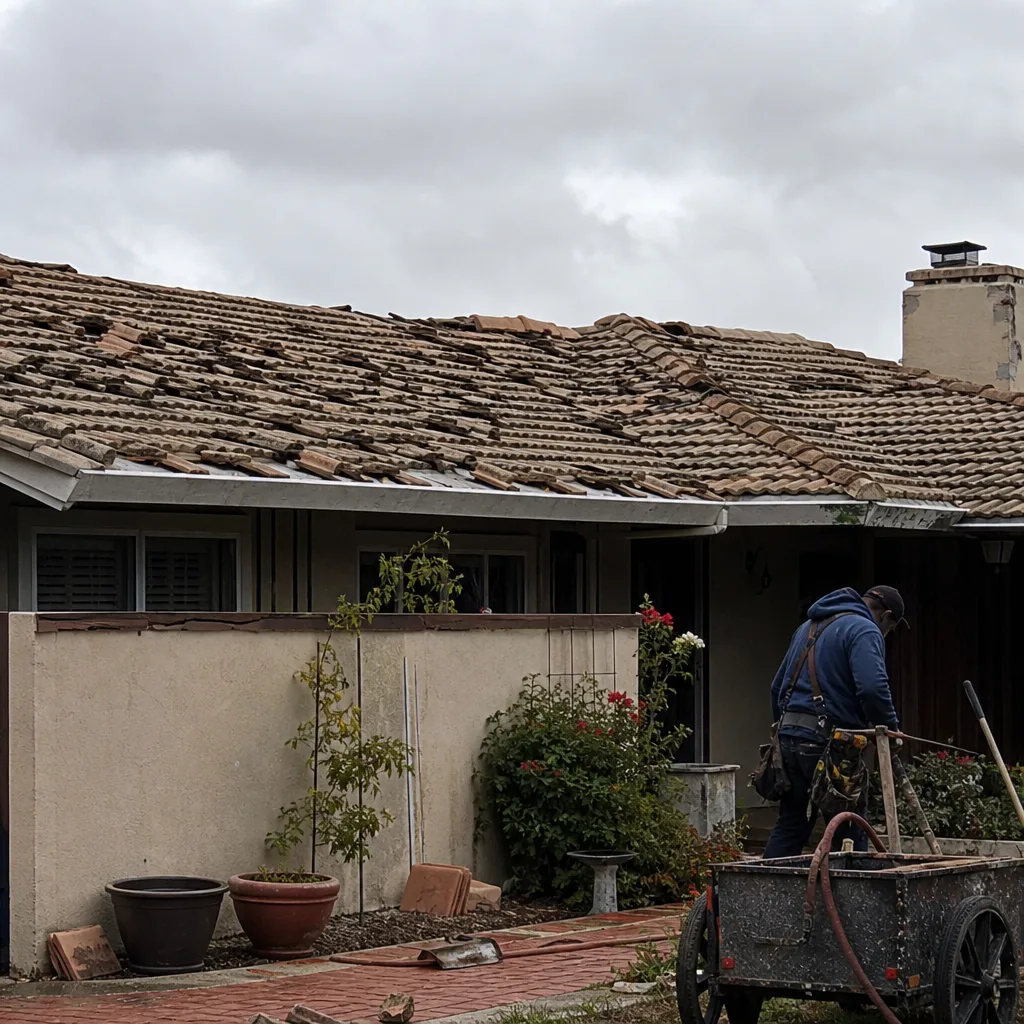 Before
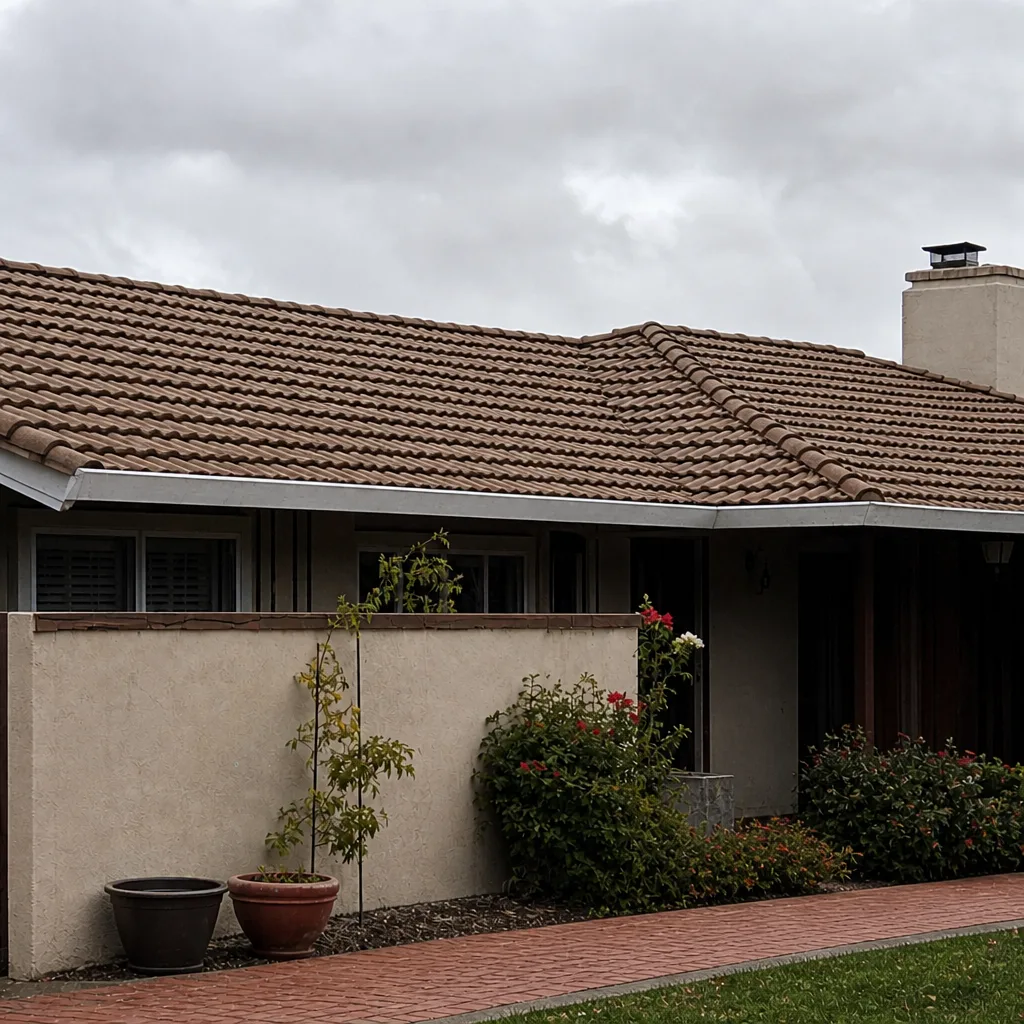 After
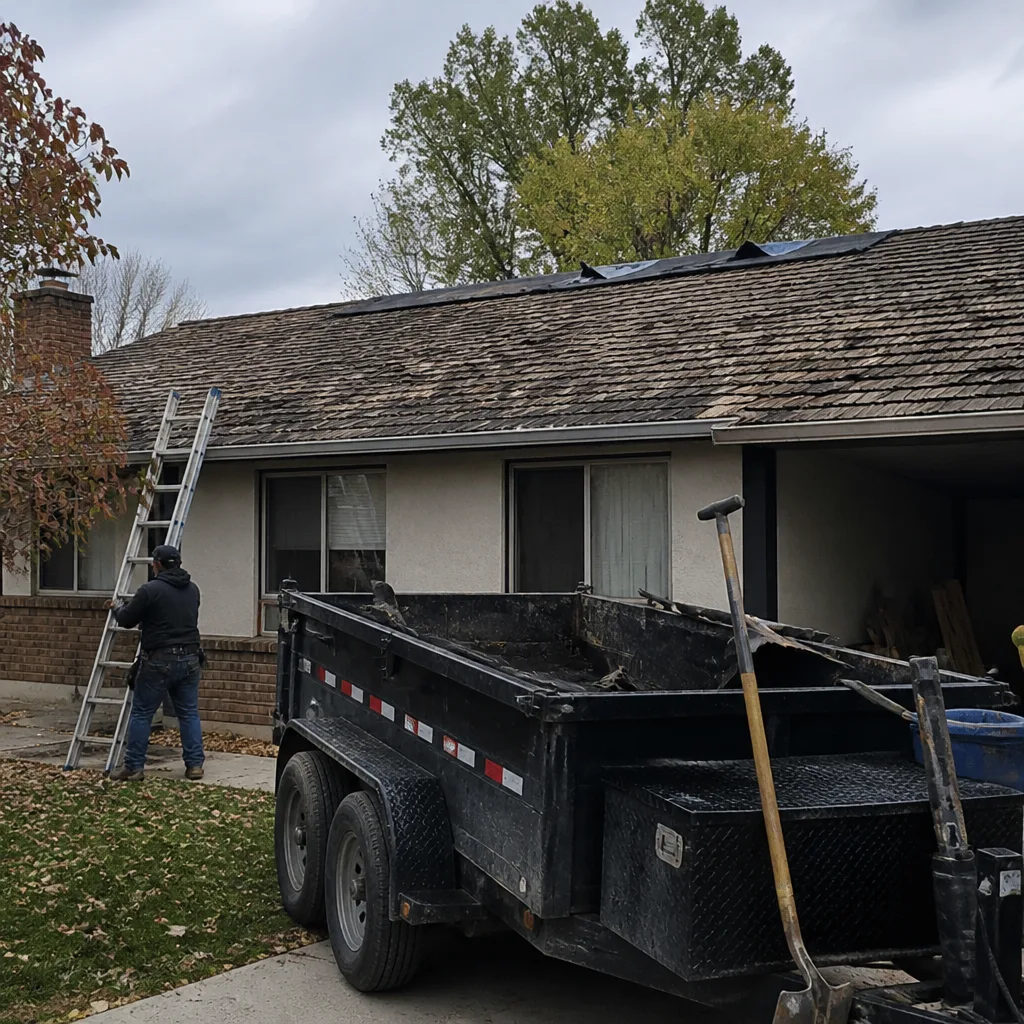 Before
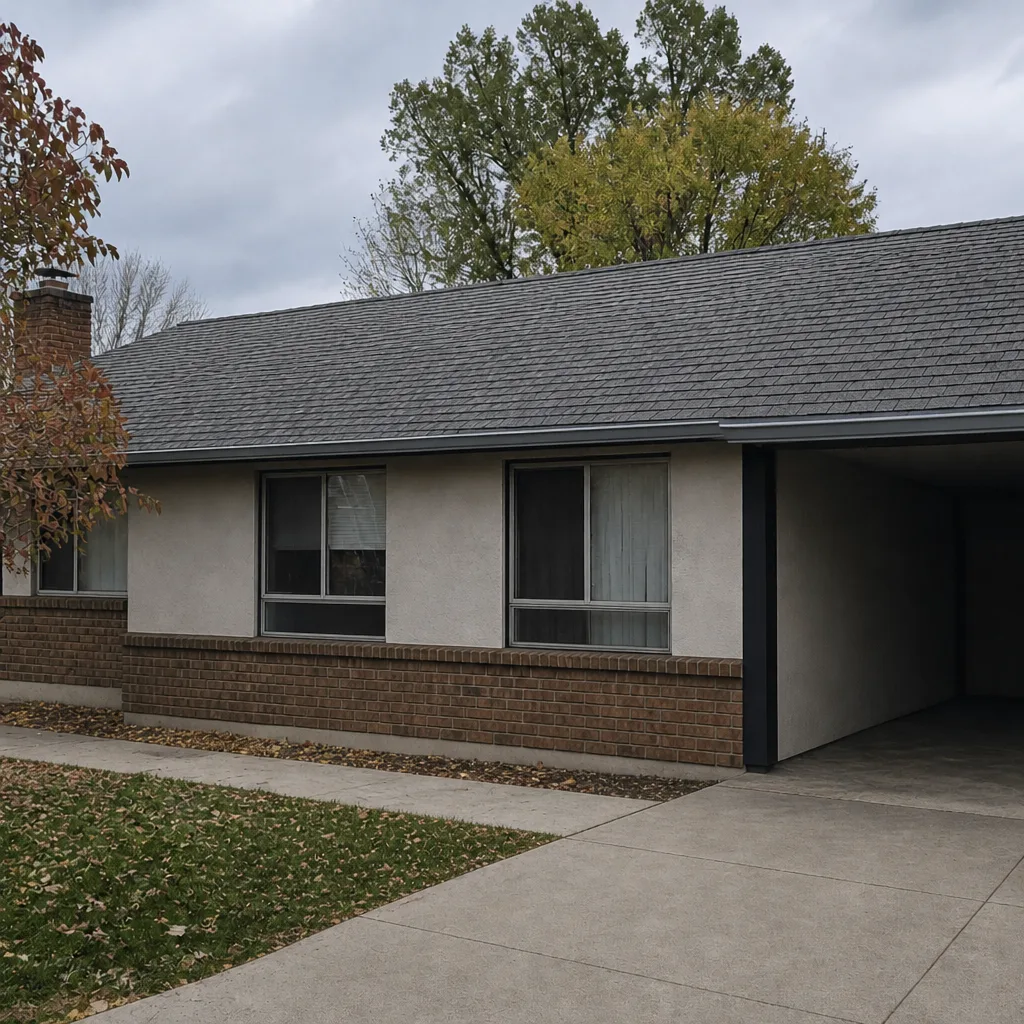 After