
Last updated November 17, 2026
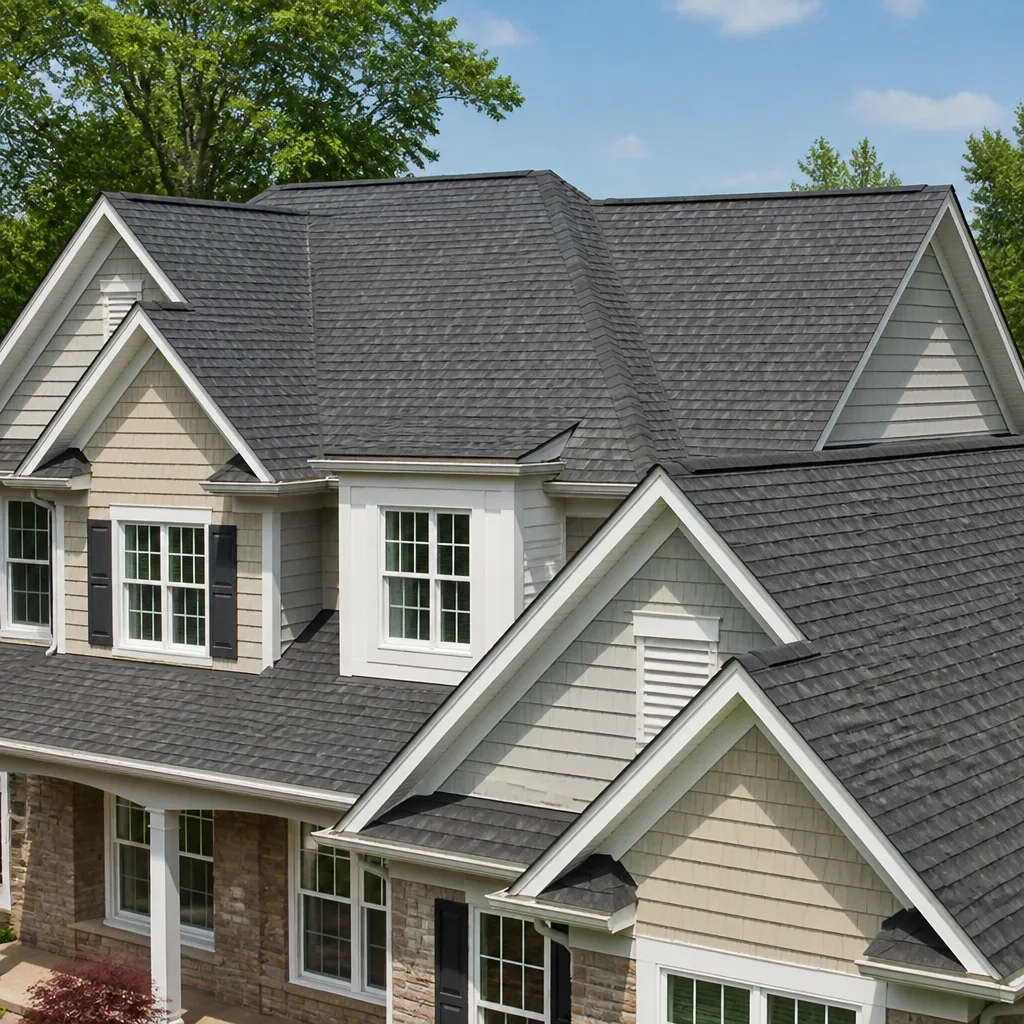 Architectural shingles
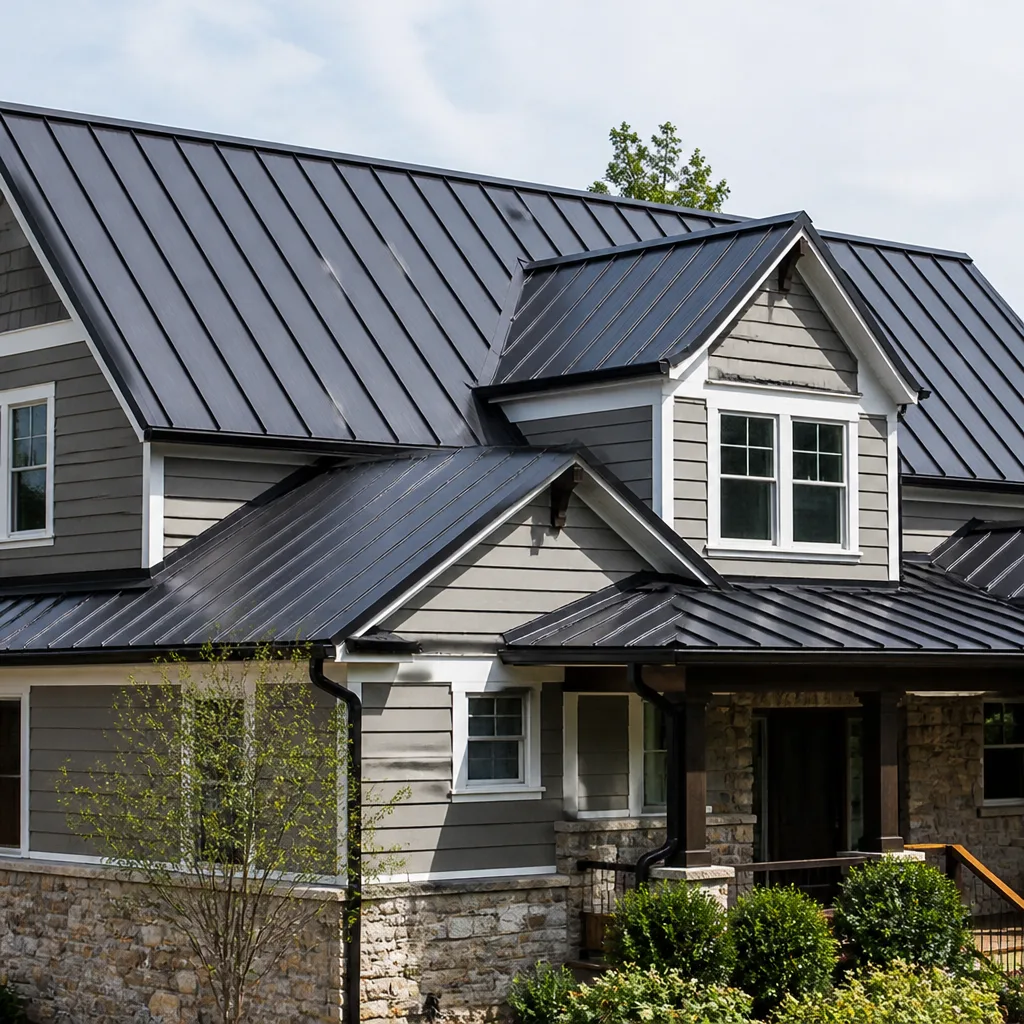 Metal roofing
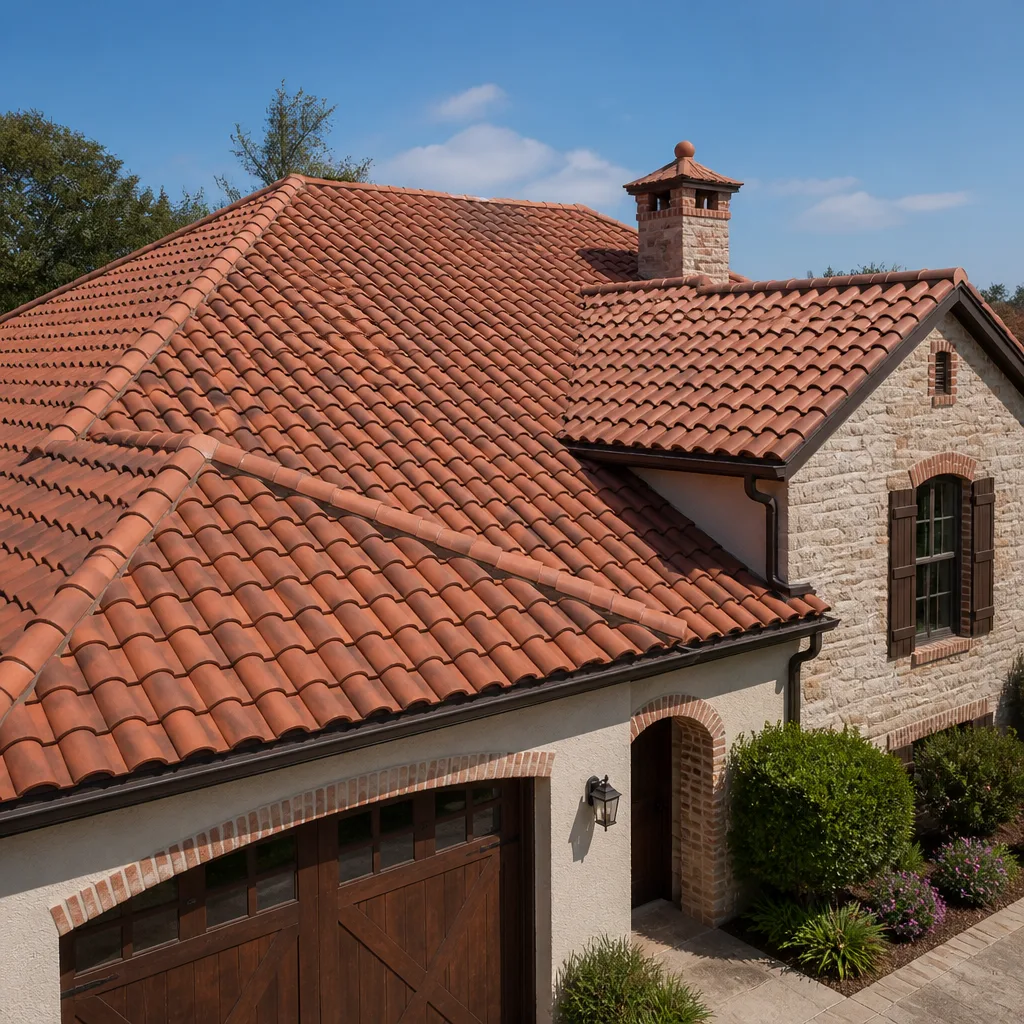 Tile roofing
 GAF
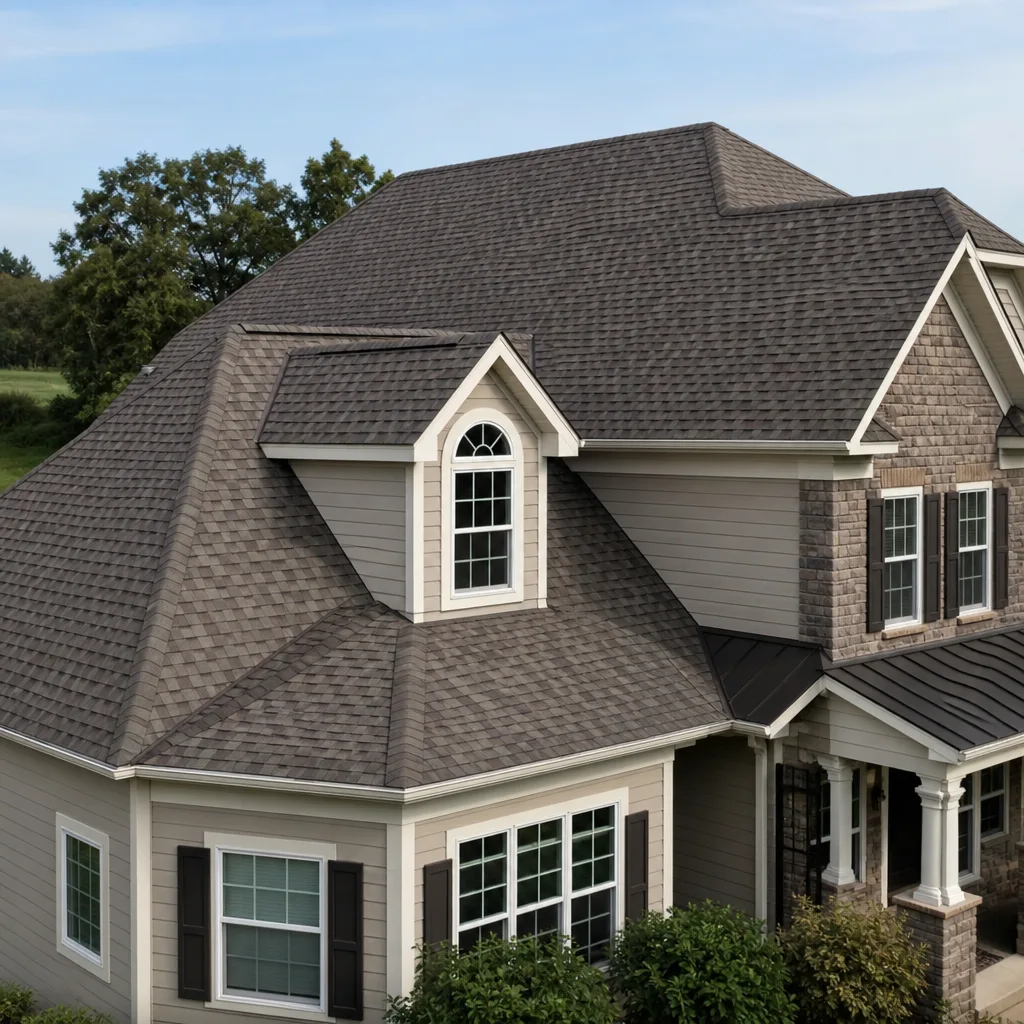 Owens Corning
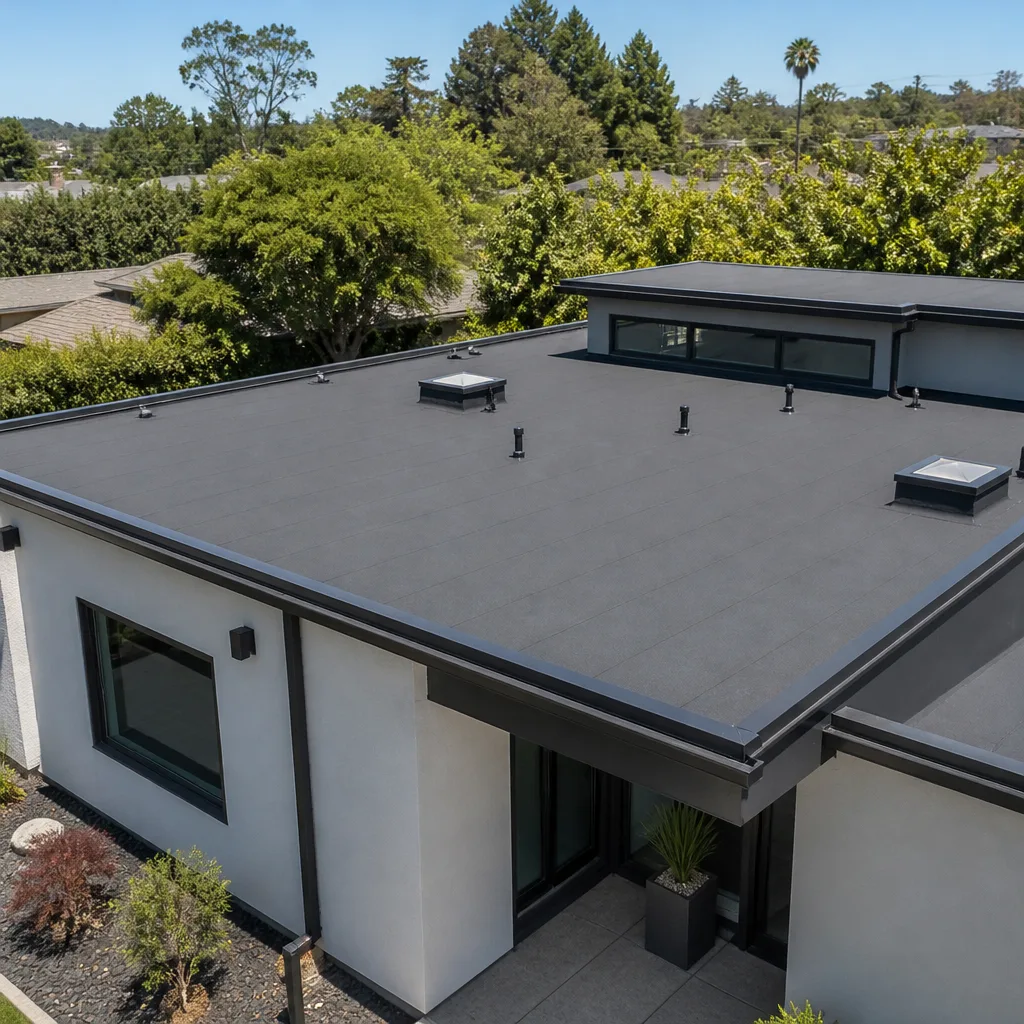 Flat & low-slope
Free roof inspection with deck photos before we talk money - GAF and Owens Corning certified installation
The Complete Roof Repair Guide for Winchester Homeowners
Winchester sits at roughly 2,000 feet with more than 300 days of sun per year. That single fact changes almost everything about how a roof here fails. Most roof repair checklists you’ll find online were written for rainy climates where water is the villain. In Winchester, the villain is sunlight, and the accomplice is a 40-degree temperature swing between a July afternoon and a July night. We’ve watched shingles on Winchester roofs wear out from UV long before they ever saw a leak. This guide covers what those conditions actually do to your roof, how to spot the damage from the ground, how to tell a two-year patch from a ten-year fix, and how to check a Nevada contractor’s license before anyone climbs a ladder.
Quick Answer
Roof repair in Winchester, NV usually means addressing UV-driven granule loss and thermal-cycling damage – cracked ridge caps, backed-out fasteners, and dried-out sealant – more often than storm damage. A targeted repair typically runs a few hundred to a couple thousand dollars depending on square footage and access, while a full replacement is a larger investment. The right call depends on whether the damage is cosmetic or structural, and a licensed local roofer can tell you which within an hour on your roof.
Styles & brands we work with
- Architectural shingles
- Metal roofing
- Tile roofing
- GAF
- Owens Corning
- Flat & low-slope
Table of Contents
- Why Winchester’s Thermal Cycling Breaks Roofs That Look Fine
- UV and Granule Loss: The Silent Killer You Can Spot From the Ground
- Cosmetic Repair vs. Structural Repair: How to Tell Which You Need
- What Hail Really Does to a High-Desert Roof
- How to Verify a Nevada Roofing Contractor’s License
- What the 90-Day Done Right Promise Actually Covers
- Repair or Replace? A Decision Framework
- What Roof Repair Costs in Winchester
Why Winchester’s Thermal Cycling Breaks Roofs That Look Fine
A roof in Winchester expands and contracts every single day. Attic temperatures can push past 140°F on a summer afternoon while the outside air drops into the 60s after dark. That cycle repeats hundreds of times a year, and the hardware holding your roof together takes the beating.
Here’s what we find on Winchester roofs that homeowners assume were hit by a storm:
- Backed-out fasteners. Nails and screws work loose as the wood decking and the shingles move at different rates. A nail that’s lifted an eighth of an inch lets water in behind the shingle.
- Cracked ridge caps. The ridge takes the most sun and the most flex. Those hairline cracks along the peak are almost always thermal, not impact.
- Split and curled shingle tabs. The adhesive strip that seals each shingle dries out and lets go. Once tabs lift, wind gets underneath and the problem compounds.
- Dried-out pipe boots and sealant. The rubber collar around a vent pipe hardens and cracks in this climate faster than in wetter regions.
None of that shows up as an obvious hole. It shows up as a slow leak that appears weeks after the fact, usually during the first real rain of the season. If you’re already seeing water inside, our Roof Repair in Winchester page covers what a proper investigation looks like. The point to remember: in Winchester, a roof that “held up fine through the storm” can still be failing from the sun.
UV and Granule Loss: The Silent Killer You Can Spot From the Ground
Asphalt shingles are made of a fiberglass mat coated in asphalt and topped with mineral granules. Those granules are the sunscreen. They block UV from cooking the asphalt underneath. When the granules wear away, the asphalt dries, cracks, and stops shedding water.
You can check this yourself without getting on the roof. Here’s how:
- Look at your gutters after a dry, windy day. A handful of granules is normal. A visible pile of dark grit at the bottom of every downspout is not.
- Check the shingles along the south- and west-facing slopes first. Those get the most sun in Winchester and wear out soonest.
- Stand back and look for “bald” patches where the shingle color has gone lighter or gray. That’s the fiberglass mat showing through.
- Look at the ground at the base of your downspouts. Granule buildup on the splash block is a tell.
Once granules are gone, they don’t come back. A granule-bald shingle can look intact from the street and still be near the end of its life. This is the single biggest reason we see roofs in Winchester fail earlier than the shingle warranty suggests they should. UV load here is brutal compared to wetter climates, and no amount of moss treatment or cleaning slows it down. If your shingles are losing granules across multiple slopes, you’re closer to a replacement decision than a repair one. That’s a conversation worth having honestly – our Roof Replacement & Installation in Winchester page explains the timing, and Bill will show you the deck photos before anyone talks money.
Cosmetic Repair vs. Structural Repair: How to Tell Which You Need
This is the question that decides whether you spend a little or a lot. A cosmetic repair buys you roughly two years. A structural repair buys you ten or more. Most homeowners get sold one when they needed the other, usually because nobody explained the difference.
Cosmetic repairs address surface problems: a cracked shingle tab, a failed pipe boot, a lifted ridge cap, a patch of worn sealant. They’re worth doing, they delay bigger problems, and they’re honest work. But they don’t fix what’s underneath.
Structural repairs address what’s failing below the shingle line: soft or rotted decking, failed flashing where the roof meets a wall or chimney, backed-out fasteners across a whole slope, or underlayment that’s worn through. These require pulling shingles back to the deck, replacing what’s soft, and rebuilding correctly.
Three quick tests we use on every Winchester roof:
- The soft-deck test. Walk the roof and feel for give underfoot. Spongy spots mean water has been getting in and the plywood is compromised. That’s structural, every time.
- The fastener test. Lift a few shingle tabs in different areas. If nails are consistently backed out rather than one or two, the whole slope is suspect.
- The flashing test. Check the metal where roof planes meet, around the chimney, and at wall transitions. Lifted, rusted, or tarred-over flashing is a structural warning, not a cosmetic one.
If you’re on the fence, get a second opinion. We offer a free second opinion on any written estimate – read it, compare it to what you’ve got, and decide from there. A roof is measured in squares, so ask any bidder how many they counted. If the number doesn’t match what you’re being told, that’s your answer.
What Hail Really Does to a High-Desert Roof
Winchester doesn’t get hail often, but when it comes it’s usually small, hard, and fast. The damage pattern is different from what you’d see in the Midwest.
Softball-sized hail is rare here. What we see more often is pea- to marble-sized hail driven at high speed, which pits the granule surface and knocks granules loose in a pattern. The impact marks bruise the asphalt underneath, and that bruise ages into a crack within a season or two.
What to check after a hailstorm in Winchester:
- Dents in metal. Gutters, downspouts, vents, and metal flashing show hail hits clearly. That’s your confirmation of size and direction.
- Fresh granule loss in a band. If granules are missing in a stripe on one side of the roof and not the other, hail did that, not UV.
- Bruised shingles. Press a thumb into a shingle in the impact zone. A soft spot under the surface means the mat is bruised.
- Cracked skylights or vent covers. Anything plastic or acrylic is the first thing to show hits.
Hail damage is worth documenting even if you don’t repair right away. A short video from the ground after a storm, plus a written note about the date, helps when you do call a roofer. The nailing pattern earns the wind rating on a new install, not the shingle wrapper, so brand loyalty matters less than the crew setting the fasteners.
How to Verify a Nevada Roofing Contractor’s License
Anyone can print “licensed and insured” on a truck door. The state keeps the real record, and it takes about two minutes to check. Do this before anyone gets on your roof.
- Ask for the license number in writing. Not the company name – the actual license number. A legitimate contractor will hand it over without hesitation.
- Look up the number on the Nevada State Contractors Board website. The Board maintains a public license search at nscb.nv.gov. Enter the number and the name, and check the status.
- Confirm the license is active, not expired or suspended. The record will say. Expired licenses are the most common problem we hear about.
- Check that the classification covers roofing. Nevada licenses are classified by trade. A general license isn’t the same as a roofing classification, and the record will tell you which one you’re looking at.
- Check for complaints on file. The Board records complaints and disciplinary actions. A clean record counts for something.
While you’re at it, ask for the certificate of insurance showing general liability and workers’ comp. If a crew member gets hurt on your roof and the contractor isn’t covered, that can land on your homeowner’s policy. Locally owned and owner-operated with a published address and license number means you can look it up yourself and see exactly who’s accountable. Ask a storm chaser where their shop is. If they can’t tell you, you have your answer.
What the 90-Day Done Right Promise Actually Covers
Verbal warranties are worth roughly the paper they aren’t written on. “We guarantee our work” means whatever the person who said it decides it means the day you call back. A written promise, in the estimate and on the job, is a different thing.
Here’s how we handle it. Every roofing job we do is backed by the 90-Day Done Right Promise in writing. If something we did isn’t right within 90 days of completion, one call brings Bill back to fix it. Not a call center, not a form on a website – Bill, in person, at the same address he’s been at since 1996.
What it covers:
- Workmanship on installation – fasteners, flashing, sealant, ridge caps, and anything we set that fails to perform.
- Materials we supplied that show a defect within the window.
- Leaks traceable to the repair area or the new install.
What it doesn’t cover:
- New damage from a separate event – a hailstorm in month two, a fallen limb, or a new leak on a slope we didn’t touch.
- Pre-existing problems on sections of the roof not included in the job scope. We’ll tell you about those upfront; we just can’t warrant work we didn’t do.
- Damage from someone else getting on the roof after we leave.
Compare that to the average verbal warranty. “We stand behind our work” usually means until the truck pulls away. Read the warranty language in any bid before you sign – and if there isn’t any, ask why not.
Repair or Replace? A Decision Framework
This is the decision every Winchester homeowner eventually faces. Here’s the honest version of how we think about it.
Lean toward repair if:
- The damage is isolated to one slope, one valley, or one area around a vent or chimney.
- The shingles across the rest of the roof still have their granules and are laying flat.
- The roof is under roughly 15 years old and was installed by a licensed roofer.
- The deck is solid when you walk it.
Lean toward replacement if:
- Granule loss is widespread, not isolated. Three or more slopes showing bald patches is a strong signal.
- The deck is soft in more than one spot.
- You’re on your second or third round of repairs on the same slopes in five years.
- The roof is 20 years or older in this climate. UV load here shortens the practical life of asphalt shingles compared to wetter regions.
- You’re planning to sell in the next few years and the roof is a known issue.
There’s a middle path too. Partial tear-off and rebuild of the worst slopes keeps the good ones on. We don’t push full replacements when a repair will honestly do the job. For homeowners weighing a move to a longer-lived system, Metal Roofing in Winchester covers how standing-seam and stone-coated products handle the UV and thermal cycling here – GAF and Boral both make products that hold up well in this climate, and we install both.
What Roof Repair Costs in Winchester
Every roof is different, and the only number that matters is the one tied to your actual roof. Still, you deserve to know the ballpark before anyone climbs a ladder. Here’s what we see for common repairs in the Winchester area:
- Small shingle patch (under one square, one area): a few hundred dollars.
- Pipe boot or vent replacement: a few hundred dollars each, less if bundled.
- Ridge cap rebuild: mid-hundreds to low four figures, depending on length.
- Flashing repair at a wall or chimney: mid-hundreds to over a thousand, depending on access and how much needs to come out.
- Partial slope rebuild with new underlayment and deck repair: low to mid four figures.
- Full roof replacement: a larger investment based on square count, pitch, layers to remove, and material choice.
Two pricing rules that avoid the most common headache: get a written, line-item estimate before work begins, and confirm there’s no trip charge inside our own county (there isn’t, with us). Standing offers like $40 off any repair over $200 and a 10% senior and veteran discount are always available, not just when it’s convenient. No change orders mid-job without your signed approval. If a bidder won’t put it in writing, that’s the same answer as a license number they won’t hand over.
Common Mistakes to Avoid
- Assuming a cracked ridge cap is storm damage. In Winchester it’s almost always thermal cycling. The repair is the same, but the scope of what else needs checking is bigger.
- Treating granule loss as a cleaning problem. Once granules are gone they don’t come back. A “roof cleaning” won’t restore shingle life – it just delays the honest conversation.
- Accepting a phone quote without a written estimate. The price on the phone and the price at the door should match. If they don’t, you’re being sold, not quoted.
- Skipping the license lookup. Two minutes on the Nevada State Contractors Board site saves a lot of heartache when the crew is already on your roof.
- Hiring the storm-chaser who knocks on your door. If they can’t tell you where their shop is and hand you a license number, they’ll be gone before the 90-day mark on any warranty.
- Repairing the same slope three times. After the second repair on the same area, the honest question isn’t “can we fix it again” – it’s “should we rebuild this section.”
- Ignoring attic ventilation. A hot attic accelerates shingle aging from the underside. Poor intake and exhaust vents shorten roof life in Winchester faster than most homeowners realize.
See the difference
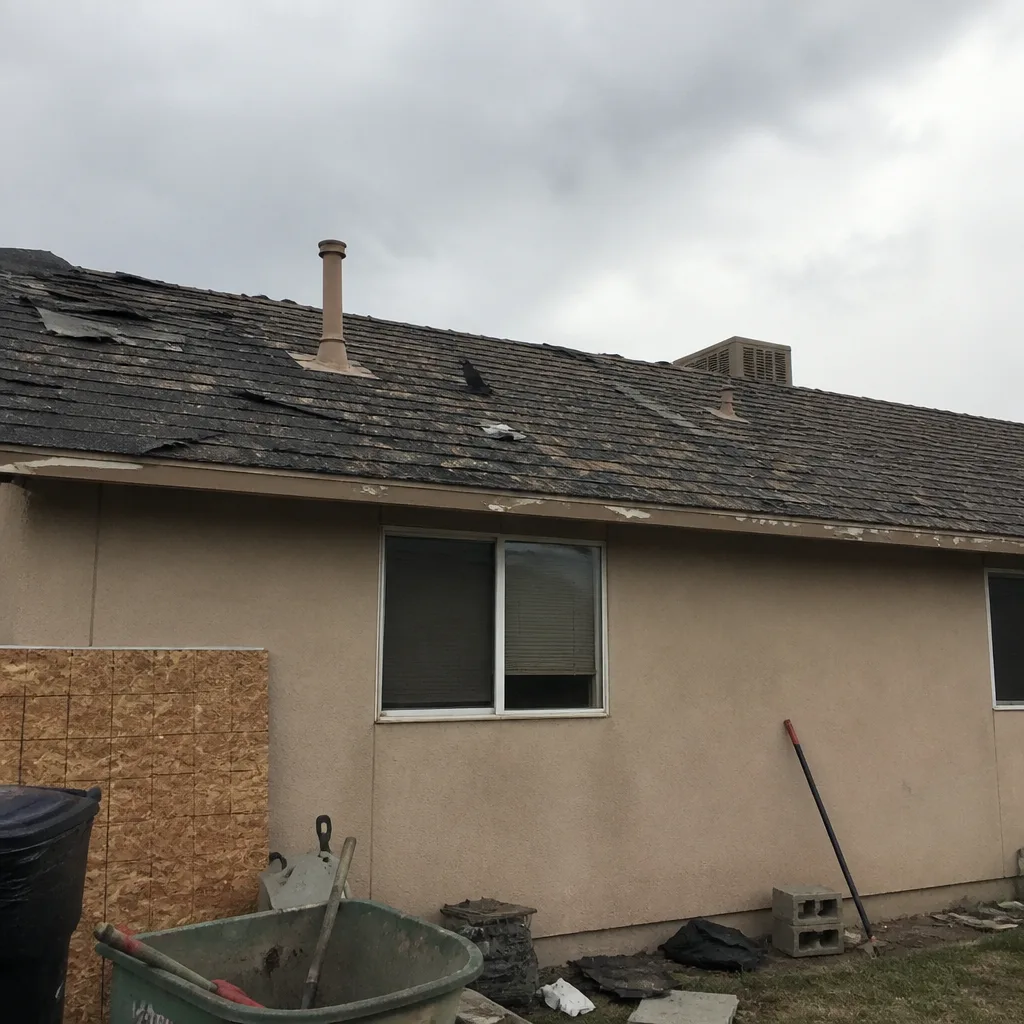 Before
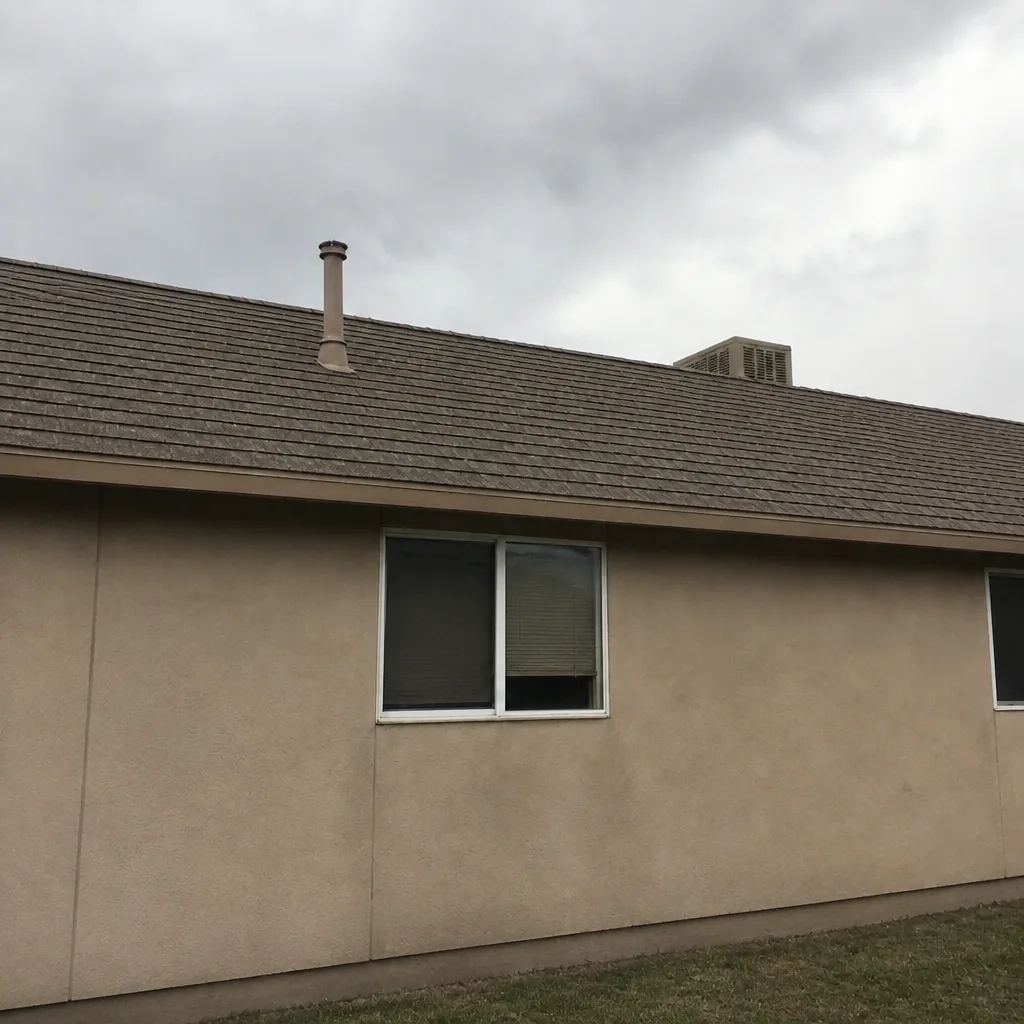 After
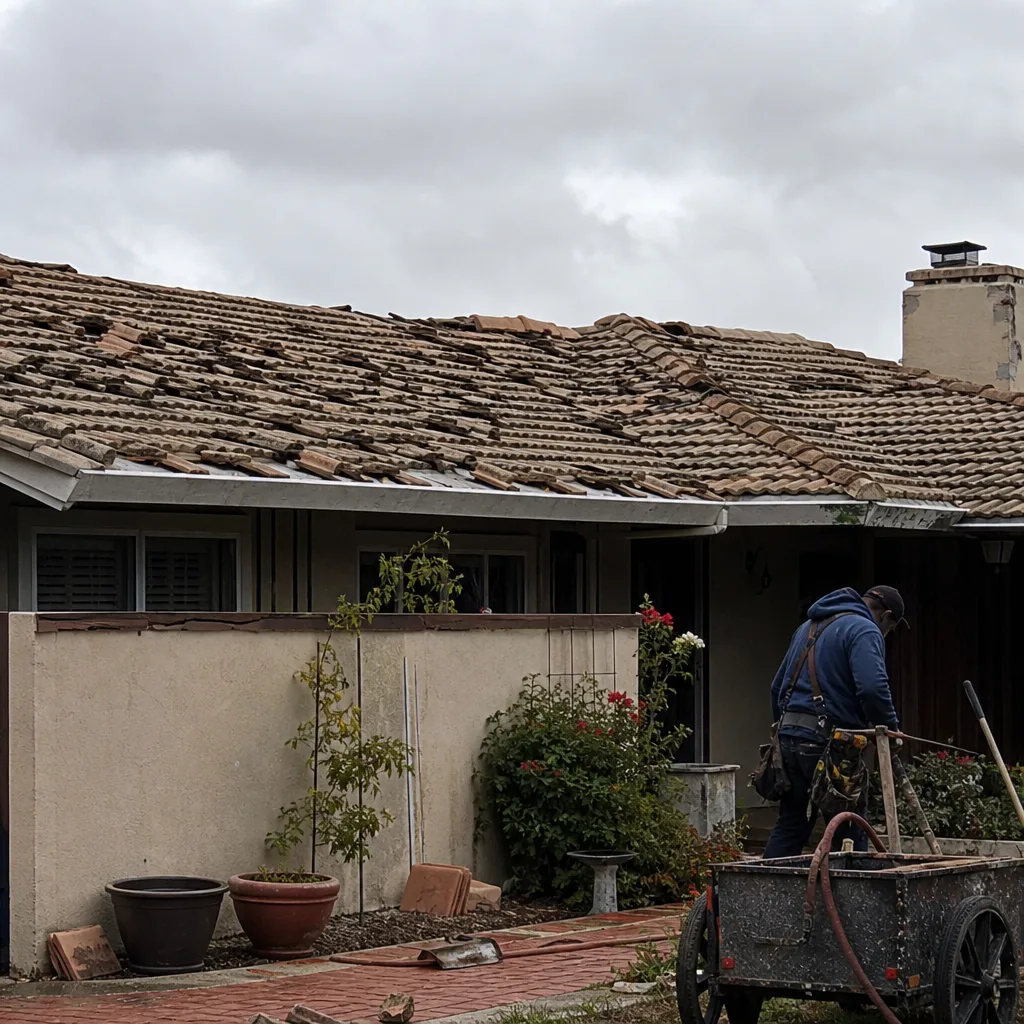 Before
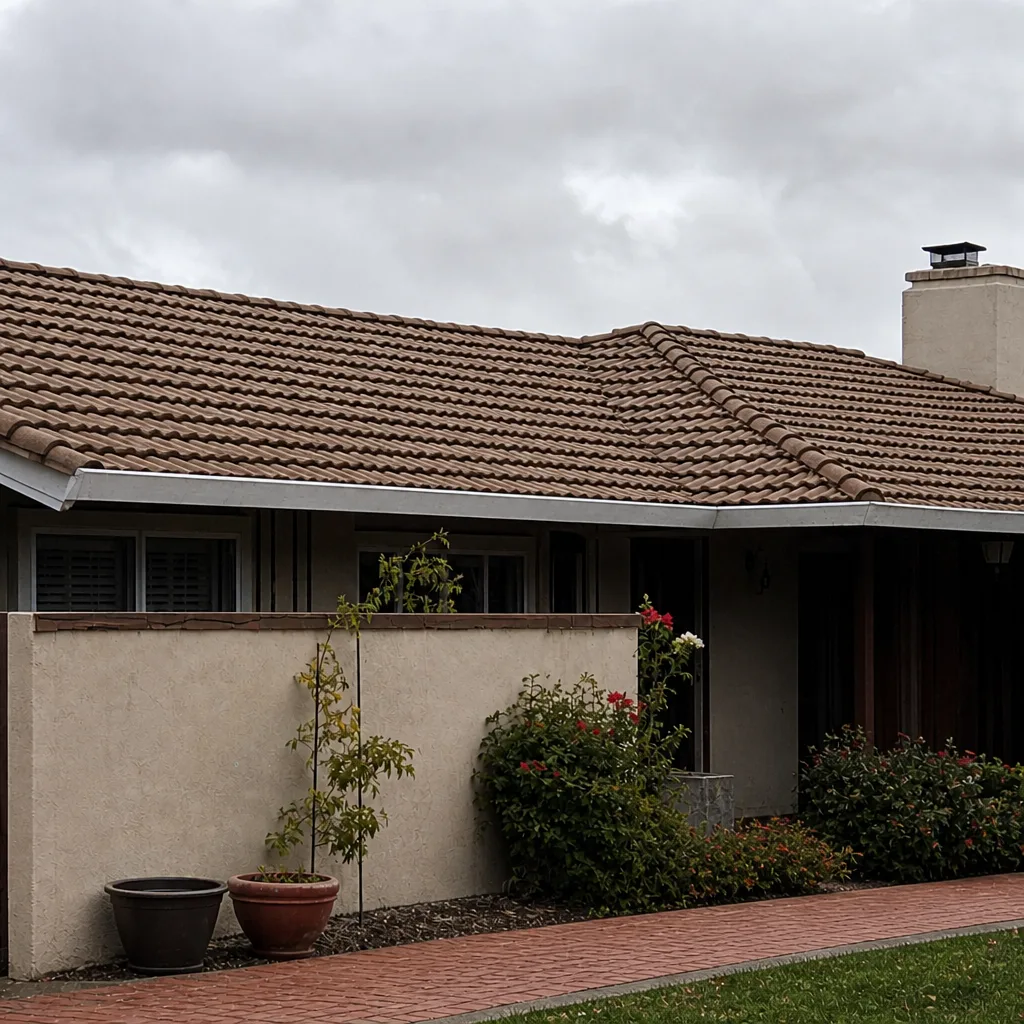 After
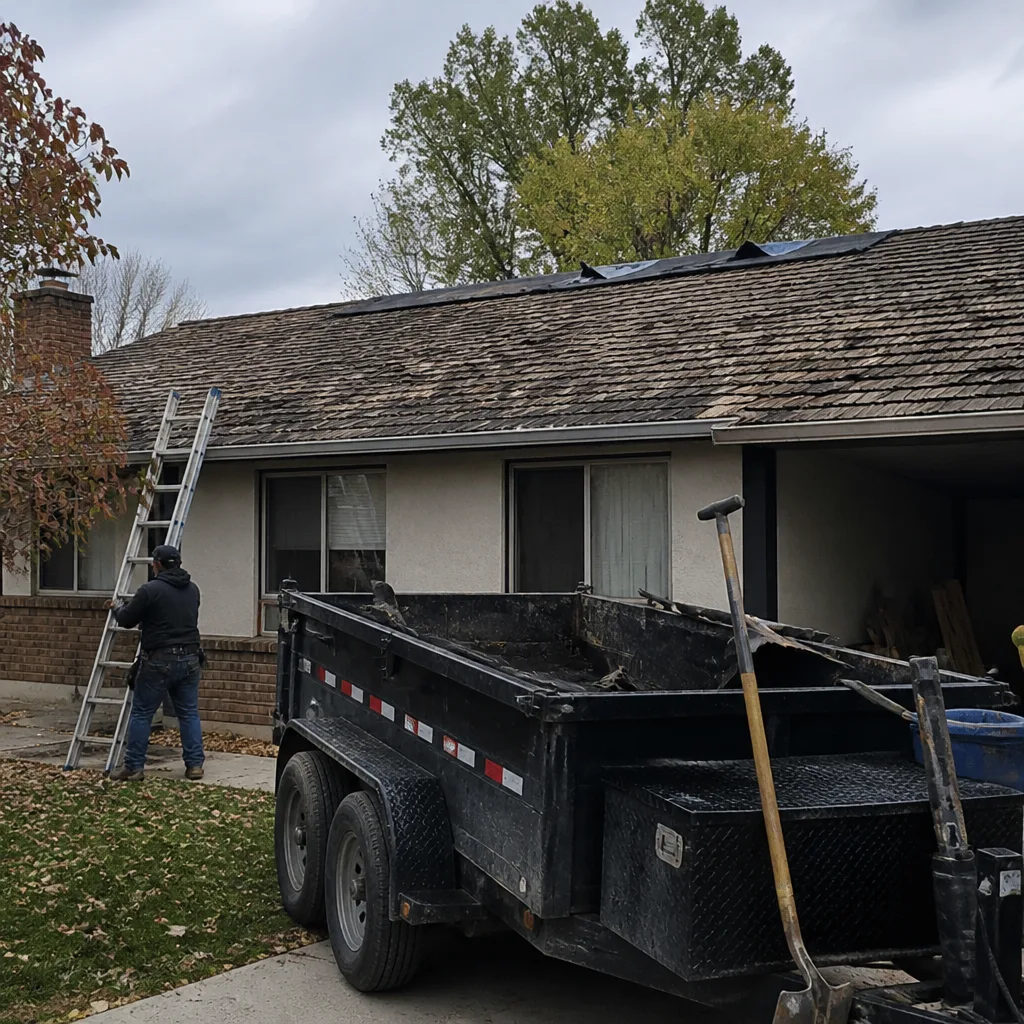 Before
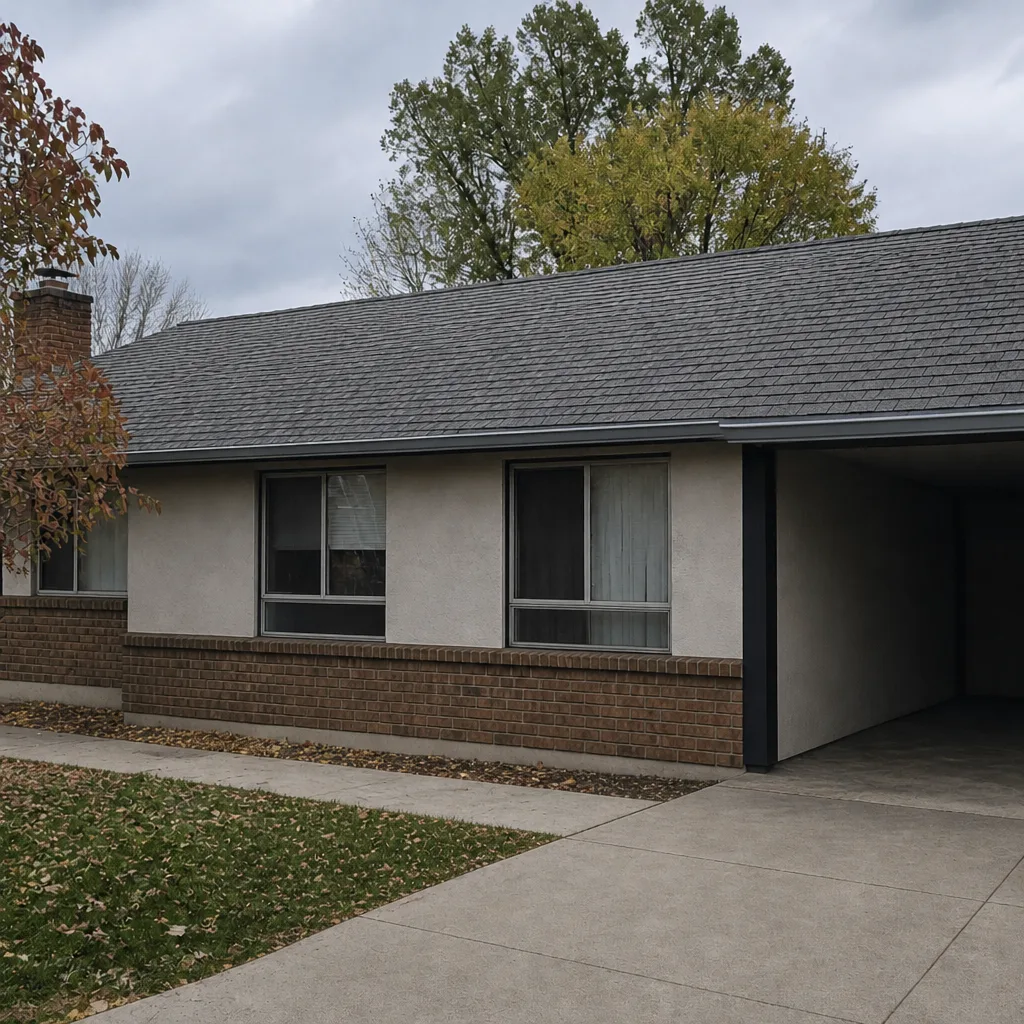 After
When to Call a Professional
Some things are worth checking yourself. Some aren’t. Call a roofer when you see water stains on the ceiling, when granules are piling up in the gutters across multiple slopes, when the deck feels soft anywhere, when you’ve had hail, or when a verbal warranty didn’t hold. Don’t get on a pitched roof in Winchester in July to inspect it yourself – the heat alone sends people to the ER every summer, and one wrong step from a 6/12 pitch is a much bigger expense than any repair. A live person answers the phone day or night, including weekends after a storm, and Bill will come out and show you what’s actually going on. Shepherd & Sons Roofing Winchester offers free estimates in Winchester – call (844) 797-8167.
Frequently Asked Questions
Most targeted roof repairs in Winchester run a few hundred to a couple thousand dollars, depending on scope. Small shingle patches and pipe boot replacements are usually at the low end. Ridge cap rebuilds, flashing repairs, and partial slope work climb toward the middle and upper end. Full replacement is a larger investment based on square count, pitch, and material. Call (844) 797-8167 for an exact quote – estimates are free and there’s no trip charge inside our own county.
Not without your written approval. We give a written, line-item estimate before anyone gets on the roof, and we don’t do silent change orders. Sometimes a repair reveals more damage under a shingle once the deck is exposed – that’s normal on any older roof – but the moment we know, we stop and show you, then you decide. If the final number matches the estimate, that’s the way it should work. Call (844) 797-8167 for a written estimate.
UV exposure is the main cause in this climate. Winchester gets 300+ days of sun a year, and the granules that protect the asphalt underneath wear down from that load faster than they do in wetter parts of the country. Once granules are gone, the shingle underneath dries and cracks. If you’re seeing bald patches across multiple slopes, the roof is closer to replacement than repair. Call (844) 797-8167 to schedule a look.
Yes, when a permit is required for the scope of work. Clark County requires permits for most roof replacements and some structural repairs, and the contractor pulling the permit is the one accountable to the inspector. Ask any bidder whether the permit is included in the price and who’s pulling it – the answer tells you a lot about how they operate. Call (844) 797-8167 to talk through what your specific job needs.
Small repairs are usually done in a day. Flashing work and partial slope rebuilds may take one to three days depending on access and how much deck repair is involved. Full replacements are typically a multi-day project. Weather in Winchester is mostly cooperative, but summer heat slows a crew down for safety reasons, so July and August jobs can run slightly longer. Call (844) 797-8167 to schedule a free estimate and get a realistic timeline for your roof.
Sometimes, yes. A targeted repair on an isolated problem buys you time, and we do that work honestly. But if the leak is one symptom of widespread granule loss or soft deck, the patch is a band-aid and the next leak is coming. The right answer depends on what’s actually going on up there – something a licensed roofer can tell you in an hour. Call (844) 797-8167 for a free estimate and an honest read on the timing.
The Bottom Line
Winchester roofs age on a different clock than roofs in wetter climates. UV and daily thermal cycling do the damage, and they do it quietly – granule loss, backed-out nails, cracked ridge caps, and dried sealant that look like storm damage but aren’t. Check your gutters for granules. Walk the deck if it’s safe. Get a written estimate from a licensed Nevada contractor whose license number you verified yourself, and read the warranty language before you sign. That’s the whole game. If you want the honest read on your roof from someone whose name is on the truck and the license, call (844) 797-8167 for a free estimate. Same address since 1996. Same owner on the roof.
Written by the team at Shepherd & Sons Roofing Winchester.