
Last updated November 17, 2026
 Metal roofing
 Architectural shingles
 Tile roofing
 GAF
 Owens Corning
 Flat & low-slope
Free roof inspection with deck photos before we talk money - GAF and Owens Corning certified installation
Specialty Roofing Warning Signs Every Homeowner Should Know
A foam roof can be failing for two years before a single drop lands on your ceiling. The homeowner who waits for the wet spot has already lost the easy fix: by then the substrate is soaked, the foam is compromised, and what was a $1,500 recoat is now a $7,000 tear-off. The signs that could have changed that showed up early and looked like nothing. This guide explains what “early” actually looks like for each specialty system, how to read the interior clues your house throws before any exterior damage shows, and how to run a ten-minute walkthrough after a storm here in Winchester.
Quick Answer
Specialty roofing systems fail quietly, so watch the material, not the drips. On foam roofs, look for coating that has shifted from white to gray or yellow, surface crazing, and ponding that takes more than 48 hours to drain. On metal roofs, watch for rust streaks at fasteners, shrinking sealant at penetrations, and oil-canning that gets worse over time. On low-slope membrane, look for bubbling, ridging, edge-metal separation, and new ponding patterns after a storm. Any of these means call a professional – in Winchester, free estimates are available at (844) 797-8167.
Styles & brands we work with
- Architectural shingles
- Metal roofing
- Tile roofing
- GAF
- Owens Corning
- Flat & low-slope
Table of Contents
- Why Specialty Roofs Fail Quietly
- Foam Roof Warning Signs
- Metal Roof Warning Signs
- Low-Slope Membrane Warning Signs
- Interior Clues Specialists Get Called About
- How to Do a Ten-Minute Walkthrough After a Storm
- Common Mistakes to Avoid
- When to Call a Professional
Why Specialty Roofs Fail Quietly
Standard asphalt shingles announce their failure. Curling corners, granule loss in the gutters, daylight through the sheathing – the system is designed to fail gradually and in a way that’s visible from the ground. Specialty systems don’t work that way. Foam, metal, and membrane assemblies are built to be watertight for decades, and when they begin to fail, the failure starts slow and stays hidden inside the assembly until the water finally reaches something you can see.
That delay is the real cost driver. The warning signs surface, but they rarely look like roofing problems. A foam roof with chalking coating looks like a dirty roof. A metal roof with a rust stain at the base of a fastener looks like a cosmetic spot. A membrane roof with an oil-canning wrinkle looks like an installation quirk. None of those read as emergencies – until they do.
Winchester weather makes the quiet-failure problem worse than it is in wetter parts of the country. Our summers run hot and dry with intense UV, which bakes coatings and dries out sealants months faster than homeowners expect. Then a monsoon cell dumps more rain in an afternoon than the roof has handled all summer, and whatever has been slowly opening up over the last two years suddenly has a reason to let water through. In our experience around Winchester, the monsoon check-up season catches most of these before they go catastrophic. The problem is catching them before a hard rain does.
Foam Roof Warning Signs
Spray polyurethane foam is one of the most forgiving roof systems when it’s healthy and one of the most expensive when it’s neglected. The foam itself doesn’t fail first. The coating over it does. The coating is the ultraviolet barrier, and once it goes, the sun eats through the foam beneath it. That’s why the earliest warning signs are all on the surface.
Here’s what early foam failure looks like:
- Coating color shift. A new white foam coating reflects sun and stays bright. When it turns from white to gray, and then from gray to a dull yellow, the coating is thinning and its UV resistance is going with it. That color change can run two years ahead of any interior leak.
- Surface crazing. Fine hairline cracks in the coating, like the glaze pattern on old pottery. Crazing means the coating has lost flexibility and is no longer bridging small movements in the foam.
- Ponding that lasts. Water that drains within 48 hours is normal on a low-slope foam roof. Water that sits for three days or more is drowning the coating in one spot, which is where the coating will fail first.
- Bird pecking. Birds love to peck at foam where the coating has gone soft. If you see small pockmarks in the surface, the coating has probably lost its hard outer skin.
- Exposed or chalky foam. If the surface feels powdery underfoot, or you can see the darker foam through the coating, you’re already past the window for a simple recoat.
On a healthy system, a recoat is a routine maintenance job. Once the coating has failed to the point that the foam is compromised, the whole equation changes. The best move for Winchester homeowners with a foam roof is to have the coating inspected every three to four years, before the color shift gets obvious. Ask any bidder how many foam squares they counted and when they recommend the next recoat, not just whether it leaks today.
Metal Roof Warning Signs
Metal roofing is a long-lived system, but it isn’t maintenance-free. The failure points aren’t usually the panels. They’re the fasteners, the penetrations, and the seams. And because the metal itself can stay watertight for decades, the warning signs that matter are the ones happening at a specific place on the roof, not across the whole field.
What to look for on a metal roof:
- Rust streaking at fastener locations. A single small rust bloom isn’t a disaster. A pattern of rust streaks running down the panel from a row of fasteners means water is getting behind the washer and the fastener is no longer sealing. That’s the first sign a penetration is failing.
- Shrinking sealant at penetrations. Every pipe boot, vent stack, and fastener relies on a bead of sealant. Over time, UV dries out sealant and it shrinks and pulls away from the metal. You can see it as a gap between the sealant and the metal edge. Once that gap starts, water is already finding its way in.
- Oil-canning that gets worse. Some oil-canning is normal on a standing-seam panel, especially near the eaves. The problem is when it changes – new wrinkles, wrinkles that deepen year after year, or wrinkles followed by fastener backing out. That pattern points to panel movement, not a cosmetic quirk.
- Loose or missing fasteners, or backed-out screws. Walk the roof line after wind, or look up from the ground at the fasteners you can see. A fastener that has backed out even a quarter inch has already lost its grip.
- Corrosion at the cut edge. Any cut at a ridge, hip, or valley where the metal isn’t treated properly is the first place corrosion will start. If you see a rust line from a cut edge, it’s already a repair.
Metal installs from Boral, GAF, and similar major manufacturers are designed to handle our Winchester heat if they’re installed to spec. The nailing and fastening pattern earns the wind rating, not the shingle wrapper. When we do a Metal Roofing in Winchester inspection, the fasteners get as much attention as the panels, for exactly this reason.
Low-Slope Membrane Warning Signs
TPO and EPDM membrane roofs are common on modern additions, patio covers, and low-slope reconfigured roof sections around Winchester. They fail in the field rather than at the edges, and the first signs are surface irregularities that most homeowners assume are normal.
What to watch for on a membrane:
- Bubbling or blistering in the field. A bubble in the membrane means trapped moisture or loss of adhesion between the membrane and the substrate. Small blisters can stay stable for a while; clusters of blisters, or blisters that grow, mean the membrane is losing its bond.
- Ridging and wrinkles. Long wrinkles running in the same direction as the panel are often normal. Wrinkles that run against the seams, or that appear after a storm where none existed, mean the membrane is moving.
- Edge metal separation. The metal cap at the edge of the roof is a critical water-shedding point. Once it starts pulling away from the fascia or wall, wind can get behind it and water can run behind it.
- Ponding pattern changes. Low-slope membranes are supposed to drain, just slowly. If a pond forms in a spot that used to be dry, or the pond gets bigger after a storm, the roof’s slope has changed or the drainage is blocked by debris.
- Seam separation. Look at the seams where panels overlap. Even a hairline gap is a leak waiting for the next rain.
On a low-slope membrane, the cost of waiting is steep. A blister that gets caught in the spring can usually be patched in a visit. A membrane that has been holding water for a whole monsoon season can be a full tear-off. That’s why the pattern – not a single isolated spot – is what matters. A single wrinkle after a storm is fine. A wrinkle that shows up and depthens over a year is a call-the-pro move.
Interior Clues Specialists Get Called About
Long before an exterior warning sign gets obvious, the inside of the house is already telling you something. The problem is that the interior clues all look like something other than a roofing problem. These are the ones we get called out for most often in Winchester, and what they usually mean.
- Ceiling staining in a specific shape. A round, spreading brown ring is a slow leak that has been going for a long time. A single, sharp-edged stain means a sudden event, usually after a storm. The shape tells a roofer which way water is traveling.
- Condensation in a specific zone. Fogged windows or wet spots on the underside of an eave that appear only in the morning usually mean the roof assembly isn’t breathing. That’s often a foam or membrane roof that’s let water into the insulation, or a metal roof with a broken vapor barrier under it.
- Attic smell you can’t place. Damp insulation smells like old cardboard or a musty basement. If the attic has a smell that gets stronger after rain, the roof above has probably been leaking slowly for a while.
- Paint bubbling on the ceiling or a wall near a roof line. Paint bubbles when water is coming through from behind it. That’s a roof clue even when it looks like an interior drywall problem.
- A sudden drip inside a closet or soffit. A water stain inside a closet that sits under a roof eave is almost always an exterior penetration – a fastener, a vent, or a foam or metal roof detail.
When you see any of these signs, the right move is not to climb up and hunt it yourself. It’s to call someone who knows what the interior clue is pointing at. We do this often after a storm in Winchester – a drip from a closet ceiling that turns out to be a rusted fastener on a metal section nobody had looked at in years.
How to Do a Ten-Minute Walkthrough After a Storm
After any big storm in Winchester – our monsoon cells in July and August, or the rare big wind event – do a ten-minute walkthrough before things dry out or blow away. The goal isn’t to fix anything. It’s to document what happened while the evidence is fresh, so a roofer can look at the right places.
- Start at ground level and walk the perimeter. Look up at every roof edge and valley. Photograph every spot that looks different from last month. Don’t climb up. You’re looking for changed shapes, sagged lines, and any new dark spots against the sky.
- Check the gutters and ground for debris. Granules in gutters are ordinary for shingles. Chunks of foam, small bits of metal, or piles of sealant at the base of a downspout mean something came apart up top. Photograph it where it sits.
- Look at the base of every roof penetration you can see. Vent stacks, pipe boots, and fasteners are where most failure starts. Look for dark stains, rust streaks, or a gap where a sealant used to sit.
- Open the attic and look up. A flashlight at the underside of the roof deck will show fresh water stains fast. Photograph any ring, any wet spot, and the date.
- Close the attic and look inside every room under a roof slope. Floors, ceilings, and closets. Note the date and the room names in a photo caption. It will save you an hour later when a roofer asks where the spots started.
- Write down what changed since the last storm. A specific note like “pond on the flat roof at back edge, bigger than last time” is worth more than twenty photos to the roofer you call. Keep it in your phone.
Do not walk a foam, metal, or membrane roof yourself after a storm. Wet foam is slick and can crack or tear underfoot. A metal roof after rain is a fall hazard and a slip hazard. A membrane can hide a weak spot. Document from the ground and from the attic, and call a professional for the walk. If the ground level and attic show nothing and you’re not sure, our Roof Repair in Winchester team will inspect at no charge.
Common Mistakes to Avoid
Some of the most expensive calls we get here in Winchester start with a homeowner making a perfectly reasonable mistake. These are the ones we see most often.
- Waiting for a drip before calling. A leak that reaches your ceiling has already traveled through the substrate. Every specialty system shows warning signs years before that drip. If you only call when you see water, you are always calling late.
- Treating a foam recoat as cosmetic. A recoat is the cheapest preventive maintenance a foam roof gets. Skipping it because the roof isn’t leaking is how a $1,500 job becomes a $7,000 tear-off.
- Power-washing a foam or metal roof. High-pressure water strips foam coating and drives moisture behind metal fasteners. If a roofer offers to power-wash your specialty roof, ask why. In our experience, a soft wash with the right cleaner gets the job done and doesn’t damage the surface.
- Letting a storm chaser haul away the evidence. After a big Winchester storm, out-of-state crews roll through town with impressive door-knocking. If they tear off a roof and haul the old material away before you photograph it, you have no way to prove what was there. Ask for the written estimate, the license, and the local address before anyone touches the roof.
- Caulking over a rusted fastener. A dab of caulk on a rust stain buys a week. The water is already behind it. The right fix is replacing the fastener and the washer, and that’s a specialist’s job.
- Skipping the written second opinion. A single quote is not a comparison. Free second opinions on any written estimate are standard with a local roofer, and we offer one on every estimate in Winchester.
- Assuming a membrane roof that’s holding water is fine. A low-slope roof that ponds in the morning but drains by nightfall is usually fine. One that holds water past two days, or has a pond in a place it didn’t before, needs a look. That’s exactly the pattern-change signal we’ve been describing.
When to Call a Professional
Call a roofer when the pattern matters, not just the single spot. A new rust streak at a fastener row, coating that’s gone from white to gray to yellow, a bubble or ridge that appears after a storm, or a pond that hasn’t been there before – those are all patterns. Any interior clue that includes a brown ring, a corridor of fresh staining, or a smell in the attic that shows up only after rain is also a pattern. All of them deserve a professional inspection before the next big rain in Winchester. And if the roof belongs to a home you’re thinking of buying, get the specialty system inspected before you close.
Shepherd & Sons Roofing Winchester offers free estimates in Winchester and free second opinions on any written estimate. Call (844) 797-8167 and a live person will pick up, day or night. Our technicians have up to 30 years of experience with foam, metal, and membrane systems. If you have your heart set on a new roof, our Roof Replacement & Installation in Winchester team will walk you through the options.
See the difference
 Before
 After
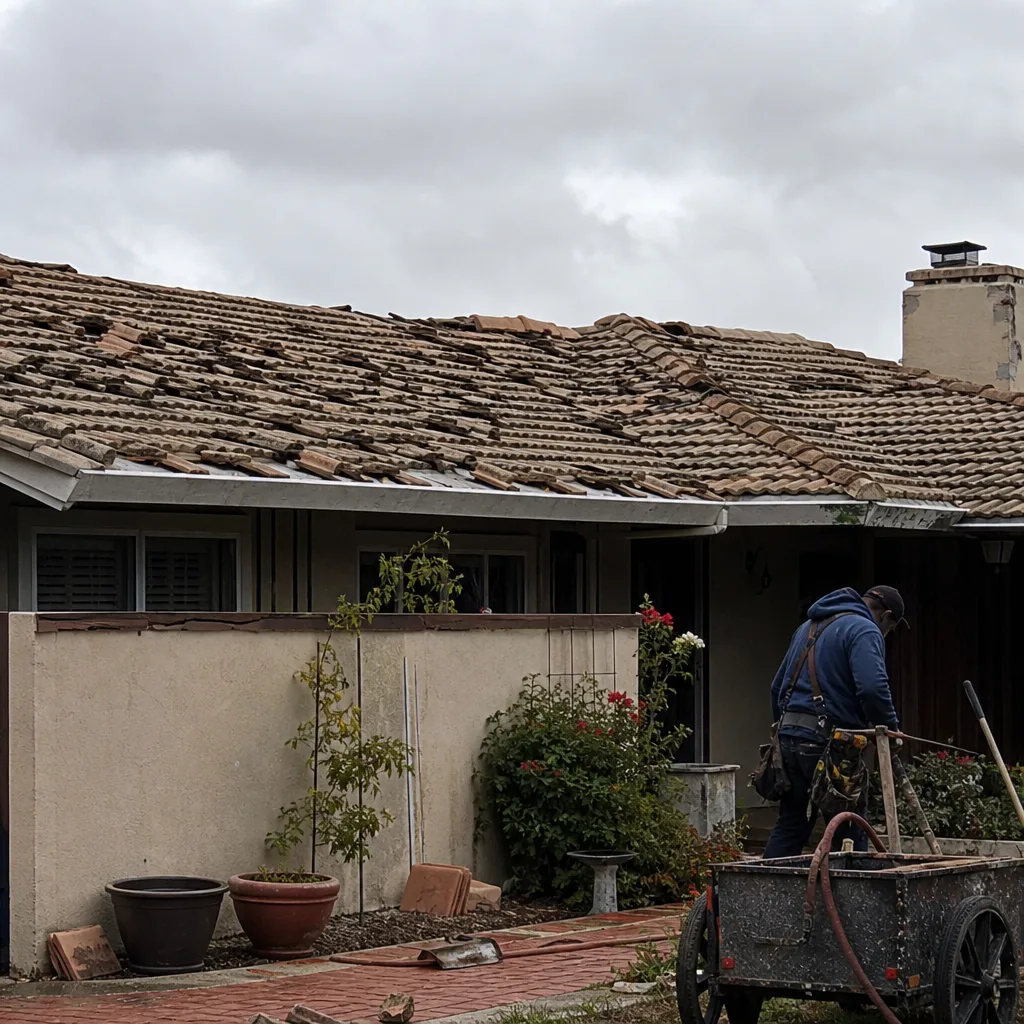 Before
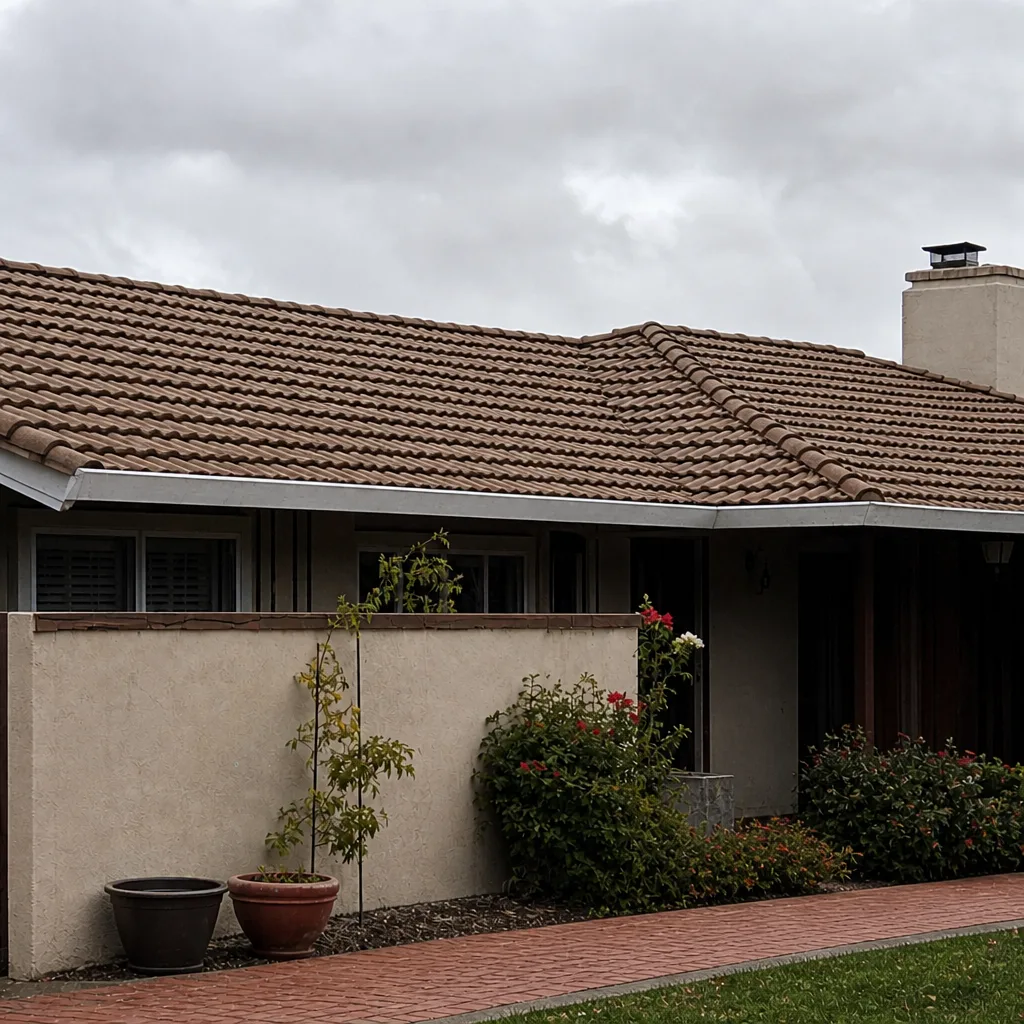 After
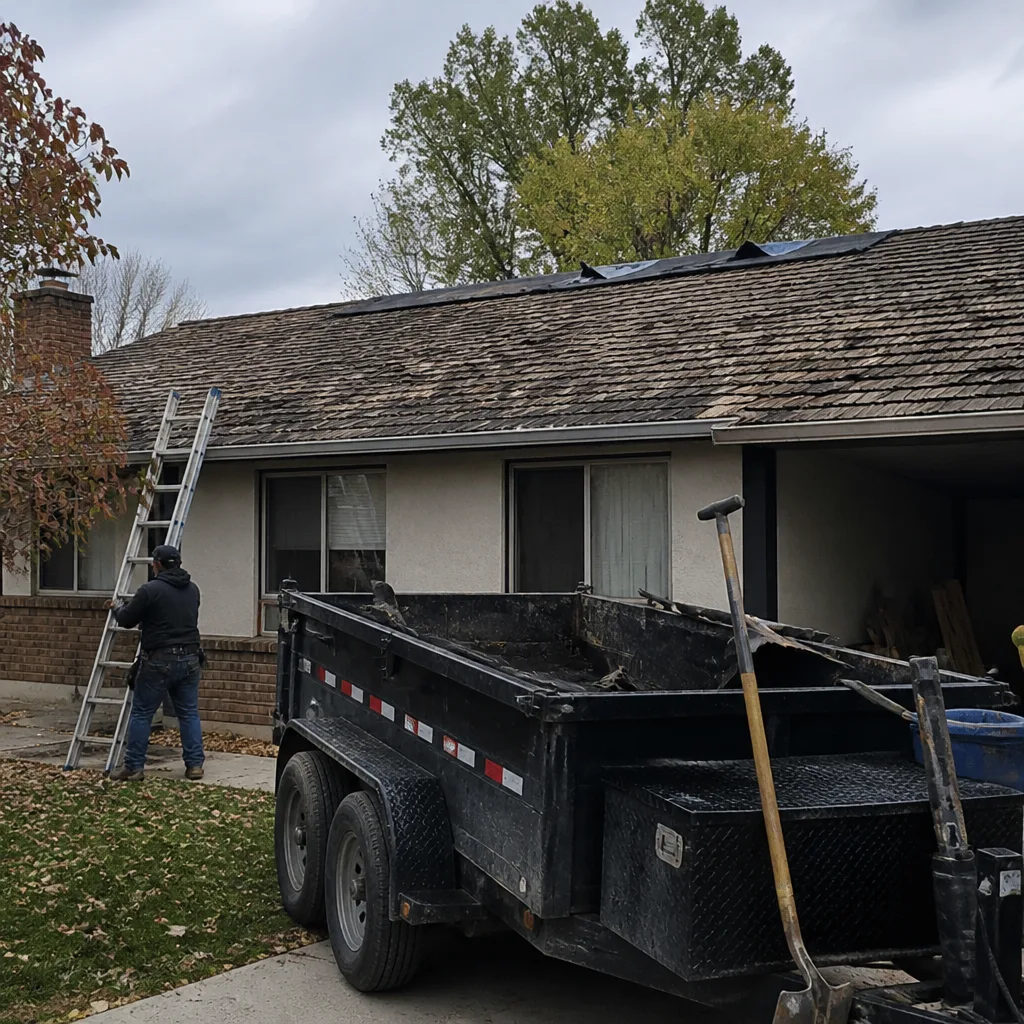 Before
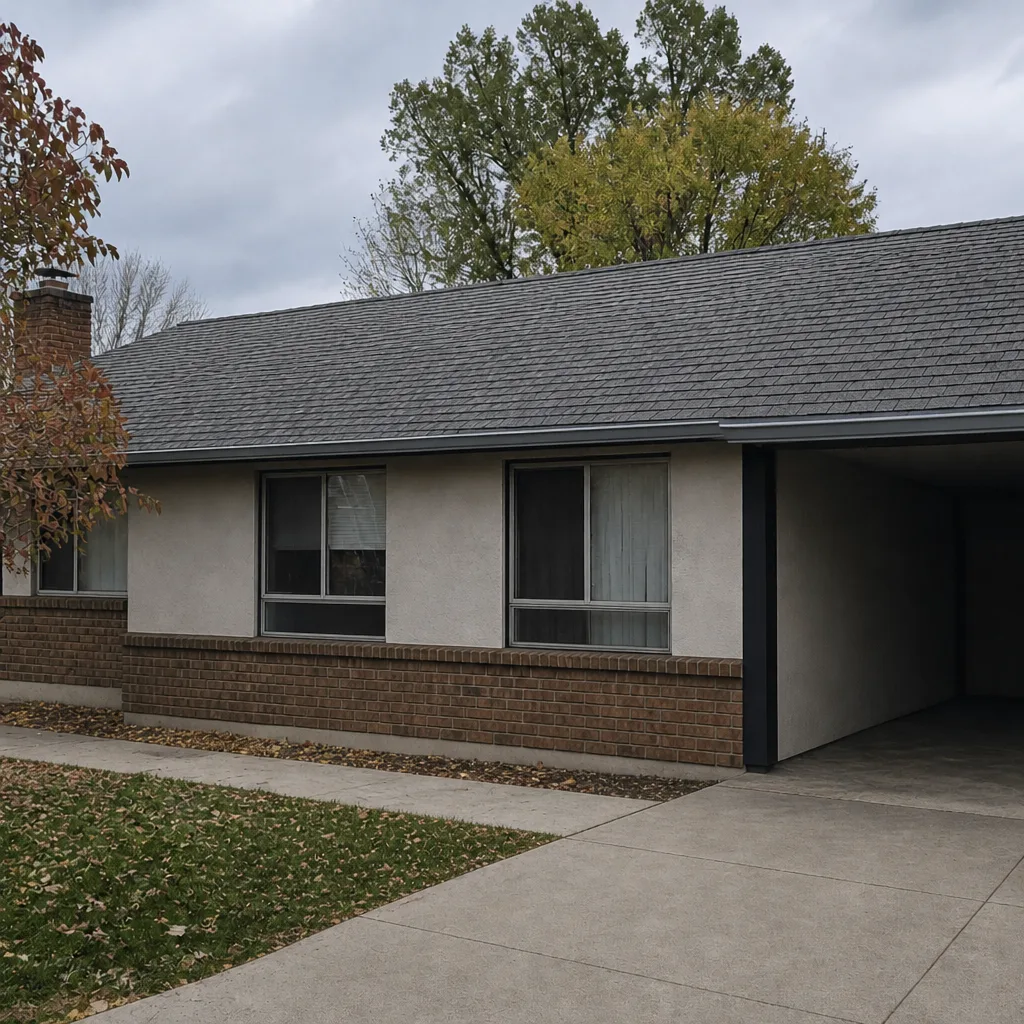 After
Frequently Asked Questions
Look at the coating, not the ceiling. If the surface has turned from white to gray or yellow, shows fine crazing, feels chalky underfoot, or has standing water that takes more than 48 hours to drain, the coating is failing and the foam is next. Call (844) 797-8167 for a free estimate; a recoat caught now is far cheaper than a tear-off later.
Rust streaking at a fastener means water is getting behind the washer and the fastener is no longer sealing. A single small spot can sometimes be cleaned and treated. A row of rust streaks, or shrunk sealant at a penetration, means the fasteners need replacement. Get a professional on it early – (844) 797-8167 for a free estimate.
Small blisters and punctures can sometimes be patched with a manufacturer-approved patch kit, but only if the membrane is dry and clean underneath. Once a bubble or ridge spreads, or a seam separates, the repair is above a homeowner’s pay grade. Call (844) 797-8167 and we’ll tell you straight whether a patch will hold.
In Winchester, the most common calls are foam roofs that have gone two or three years past their recoat window, metal fasteners that dried out and shrank from the summer heat, and membrane roofs with ponding that changed after a monsoon storm. UV and heat do the damage here much faster than in cooler parts of the country. Free estimates at (844) 797-8167.
Once every three to four years is the minimum for a foam roof, and once a year for a metal or membrane roof in our climate. Do the ten-minute walkthrough after every big storm regardless. If you’re not sure when your roof was last looked at, call (844) 797-8167 and we’ll inspect it for free.
Foam, metal, and membrane systems each need a roofer who has worked on that specific material, not just standard shingles. A generalist can damage foam and metal systems while trying to fix an ordinary problem. Ask any bidder how many foam recoat or metal fastener jobs they’ve done. If you want a name on the license, our team has up to 30 years on those systems. Call (844) 797-8167.
The Bottom Line
Specialty roofs don’t fail overnight. They fail in a slow, quiet pattern that starts with color, texture, and surface details long before any interior leak. Foam fails from the coating down. Metal fails at its fasteners and penetrations. Membrane fails at its edges and in its ponding. Any of these signs changing after a monsoon storm in Winchester is your signal to get eyes on the roof. A free estimate is the cheapest way to find out whether you’re looking at routine maintenance or an expensive repair. Call us today to schedule yours and we’ll read the pattern with you.
Learn more about the full range of roofing services we provide on our Shepherd & Sons Roofing Winchester home page.
Written by the team at Shepherd & Sons Roofing Winchester.