
Last updated November 17, 2026
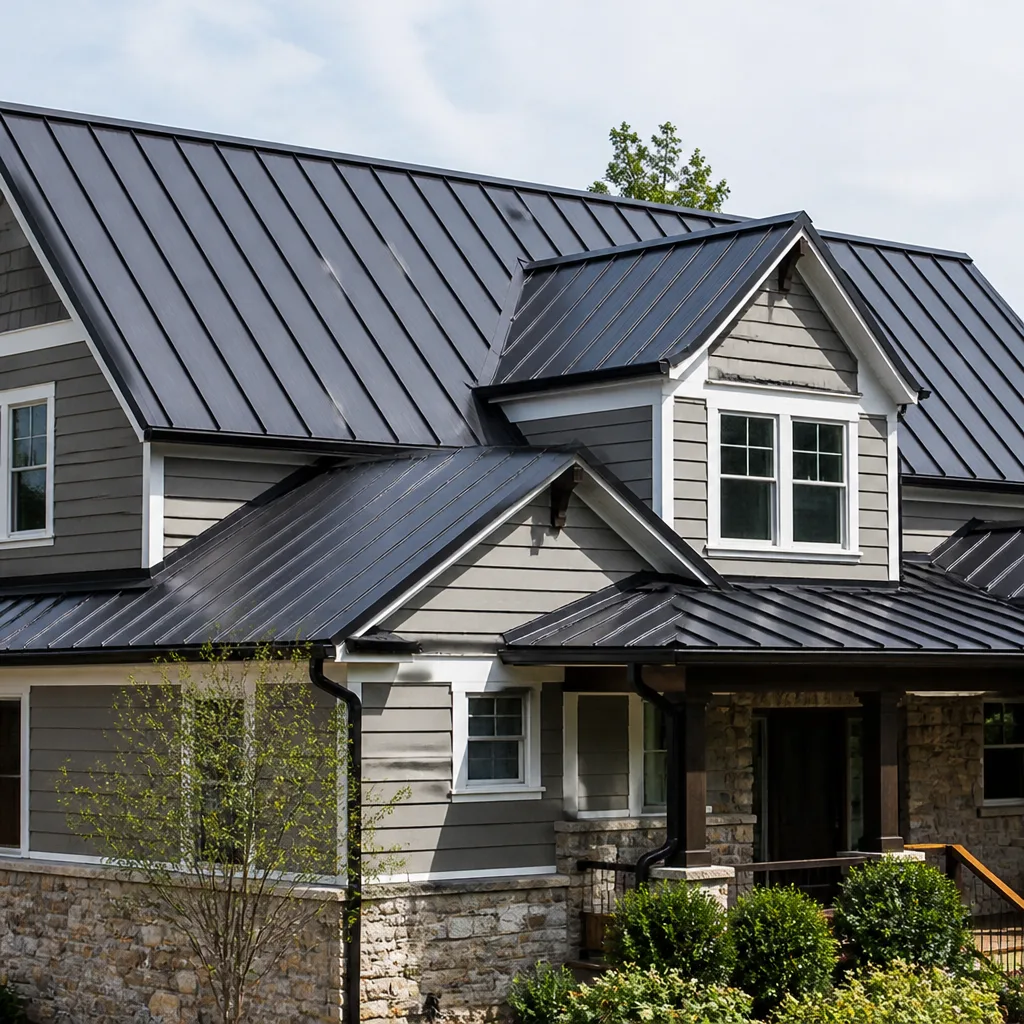 Metal roofing
 Architectural shingles
 Tile roofing
 GAF
 Owens Corning
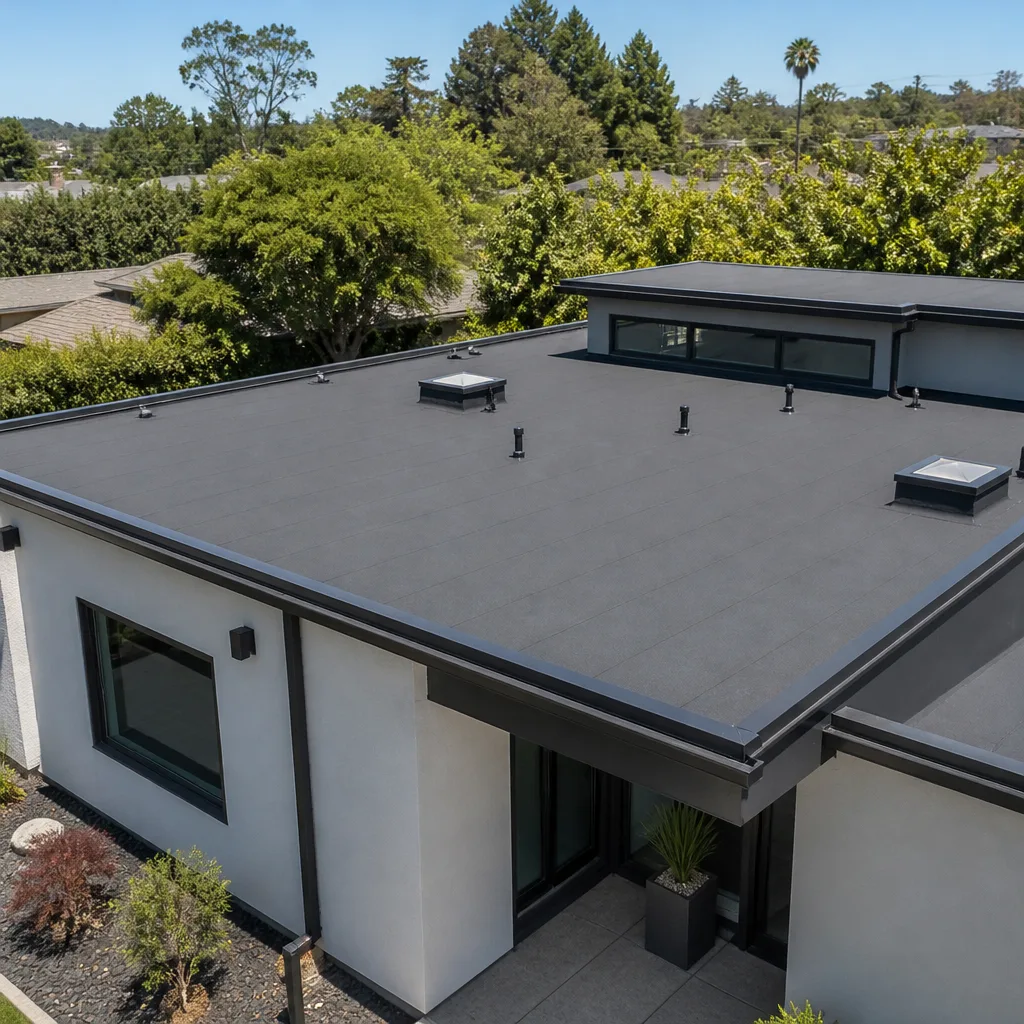 Flat & low-slope
Free roof inspection with deck photos before we talk money - GAF and Owens Corning certified installation
Specialty Roofing Maintenance Schedule: What to Do and When
A standing seam metal roof and a spray foam flat roof are both called “specialty roofing,” but their maintenance schedules have almost nothing in common. One wants a fastener check every year; the other wants a coating inspection every five to seven. Hand a homeowner the same generic checklist for both and you’ve just guaranteed that one of those roofs fails early. In Winchester, where we swing from hard desert sun to winter freeze cycles that work fasteners loose, the difference matters even more. This guide breaks out the real schedule by system, tells you which tasks you can handle and which ones need a licensed roofer, and shows you how to document it all so your warranty and your insurance claim hold up down the road.
Quick Answer
Specialty roofs do not share one maintenance calendar. Spray foam needs coating inspection every five to seven years with recoating before peak UV season. Metal roofs need annual fastener and sealant checks, ideally after winter freeze cycles. Modified bitumen flat roofs need drain and seam inspection every six months. Document every visit with dated photos and notes to protect your warranty and support any future claim.
Styles & brands we work with
- Architectural shingles
- Metal roofing
- Tile roofing
- GAF
- Owens Corning
- Flat & low-slope
Table of Contents
- Why Specialty Roofs Don’t Share a Schedule
- Spray Foam: Coating Inspection and Recoating
- Metal Roofing: Fasteners and Sealants
- Modified Bitumen: Membrane and Drain Checks
- Low-Slope Drainage: The Six-Month Rule
- Timing It Right in Winchester
- Documenting Maintenance for Warranty and Insurance
- What You Can Do vs. What Needs a Licensed Roofer
Why Specialty Roofs Don’t Share a Schedule
Every roofing system fails in its own way, and maintenance is just getting ahead of that specific failure. A shingle roof loses granules and curls. A metal roof loses fasteners and dries out its sealant. A foam roof’s coating chalks away under UV until the foam underneath starts to degrade. A modified bitumen membrane splits at the seams and blisters where trapped moisture cooks it from below. Those are four different clocks ticking at four different speeds.
The single most common mistake we see on specialty roofs around Winchester is a one-size-fits-all maintenance contract that treats them all the same. A roofer who hands you the same annual checklist whether you have metal or foam is telling you he doesn’t work on specialty systems much. We’ve walked plenty of Winchester properties where a foam roof went eight years without a coating check because the last “inspection” was a shingle-roof guy who glanced at it from the ground.
Here’s the plain version of the clocks:
- Spray foam: coating inspection every 5 to 7 years, with spot touch-ups as needed. UV exposure is the enemy.
- Metal (standing seam and exposed fastener): fastener and sealant check every year. Freeze-thaw cycles loosen screws and dry out gaskets.
- Modified bitumen: membrane, seam, and drain inspection every 6 months. Standing water is the killer.
- Low-slope drainage: cleared and checked twice a year minimum, more after heavy debris season.
Match the schedule to the system and the roof lasts. Mismatch it and you’ll be calling for a replacement years before you should have. If your roof is a standard asphalt system instead, our guide to roof repair in Winchester covers that maintenance path separately.
Spray Foam: Coating Inspection and Recoating
Spray polyurethane foam is a great flat-roof system in our climate, but only if the protective coating on top stays intact. That coating is what takes the UV beating so the foam underneath doesn’t. Once it chalks, cracks, or wears thin, the sun starts eating the foam, and foam that degrades gets brittle and absorbs water. At that point you’re not maintaining a roof, you’re planning a replacement.
What “inspection” actually means for foam, rather than a guy walking the roof and saying “looks good”:
- Walk the entire surface and look for coating wear, especially on south- and west-facing slopes where Winchester sun hits hardest.
- Press on any soft or spongy spots – that’s a sign moisture has gotten into the foam.
- Check all penetrations, vents, and parapet edges where coating tends to thin first.
- Look for ponding and any blisters or cracks in the coating surface.
- Reapply coating to thin or worn areas; full recoating when wear is widespread.
The five-to-seven-year coating cycle is a general rule. In Winchester, with our intense UV load, we lean toward the shorter end. A foam roof on an unshaded, south-facing building here often wants a fresh coat closer to the five-year mark than the seven. Getting it recoated before peak summer UV is the whole game. If you wait until August to notice the coating is chalked, you’ve already lost a season of protection. Our Shepherd & Sons Roofing Winchester home page is a good place to start if you’re trying to figure out what system you actually have.
Metal Roofing: Fasteners and Sealants
Metal is the longest-lived specialty roof if you keep up with the small stuff. The panels themselves will outlast most of us. What fails is the hardware: the fasteners, the gaskets under them, and the sealant at seams and penetrations. That’s the annual checklist, not the panel.
Our Winchester freeze cycles are the reason metal wants a yearly look. Water works into a fastener hole, freezes, expands, and backs the screw out a little each winter. Do that over a few seasons and you’ve got a loose fastener and a gasket that’s no longer sealing. That’s where leaks start. The fix is cheap if you catch it – a new screw, a new gasket, some proper sealant. It’s expensive if you don’t, because water gets under the panel and into the deck.
- Check every exposed fastener for tightness and a sound gasket. Standing seam roofs with concealed clips need a different check – the seams themselves.
- Inspect seam sealant and all penetration boots and pipe collars; recaulk with the right metal-roof sealant, not a tube of whatever’s on the shelf.
- Look for panel movement, dents, or lifted edges, and clear debris from valleys and against the upslope edge.
- Check the fasteners again after the first hard freeze of winter, since that’s when the damage shows.
If your fasteners are backing out every year, that’s telling you something about the original install, not just the weather. The nailing pattern earns the wind rating, not the shingle wrapper – same goes for metal fastener spacing. If you’re weighing a metal system for the first time, our metal roofing in Winchester page walks through what to expect.
Modified Bitumen: Membrane and Drain Checks
Modified bitumen is a workhorse flat-roof membrane, and it’s a good one – as long as water doesn’t sit on it. The membrane itself handles sun and temperature swings well. What kills modified bitumen is ponding water. Standing water finds the seams, works at the laps, and eventually gets under the membrane. The failure almost always starts at a seam or a drain, not in the middle of a field of material.
That’s why the check is every six months, not once a year. Half the year you’re looking for winter damage – freeze cracks, lifted seams, ice-dammed water. The other half you’re looking for summer blistering and clogged drains from the blowing dust and debris that settle on every flat roof in Winchester. Our dust is relentless, and a flat roof collects it.
What the six-month inspection covers:
- Clear every drain, scupper, and roof-edge outlet of debris, then check them again after any big wind event.
- Walk the seams and laps for lifting, cracking, or separation.
- Look for blisters, ridges, and ponding water that hasn’t dried within 48 hours of a rain.
- Check penetrations and terminations at the parapet for failed sealant.
- Note any area where the membrane feels soft or where you see staining – both point to moisture underneath.
Catch a lifting seam early and a licensed roofer can repair it for a fraction of what a membrane section costs. Let it go two or three years and you may be looking at the whole field. For questions about a membrane that’s beyond maintenance, our roof replacement and installation in Winchester page covers when replacement makes more sense than repair.
Low-Slope Drainage: The Six-Month Rule
A flat or low-slope roof is really a drainage system as much as a roofing system. Every specialty system above depends on water leaving the roof. Foam, modified bitumen, even a low-pitch metal system – none of them want standing water. So the single highest-value maintenance task on any flat roof is keeping the water moving, and that means a six-month drain inspection regardless of what the membrane is.
In our part of Nevada, most of what clogs a drain isn’t leaves – it’s windblown dust, grit, and the odd bit of construction debris from a neighbor’s project. That settles into scuppers and drain screens all year. Come the first real rain, a clogged drain backs water up across the whole field.
- Spring: clear winter debris, check for freeze damage at drains and scuppers, confirm every outlet flows.
- Fall: clear summer dust and grit, check screens and strainers, look for any ponding from the summer storms.
- After any big wind or debris event: recheck the drains. It’s ten minutes of your time.
If a drain keeps backing up no matter how often you clear it, the problem may be the roof’s pitch or the drain sizing, not just debris. That’s worth a roofer’s look, because no amount of maintenance fixes a drainage design that lets water sit. And a low-slope roof that ponded through a winter is a candidate for an insurance conversation about the resulting interior damage.
Timing It Right in Winchester
The calendar matters as much as the task. Winchester gives us hard summer UV and real winter freeze cycles, and each one stresses a different specialty system. Schedule to get ahead of each, not behind it.
On the foam side, recoat before peak UV season – spring, ahead of the worst summer sun. Trying to schedule a recoating in the middle of July means working in the hottest part of the day on the hottest surface on the property, and you’ve already let the coating take a season of damage. Spring is the right window.
On the metal side, the key check is after winter freeze cycles. That first hard freeze and thaw is what works fasteners loose. A spring fastener check catches what winter did, and a quick recheck after the first freeze of the following winter catches anything new. For modified bitumen and low-slope, the fall and spring drain clears are the anchors, with a look after any big weather event.
One more Winchester point: our spring winds and blowing dust are hard on sealants and gaskets. A sealant that looks fine after a calm winter can be dried and cracked by late spring. That’s why we like the post-winter check to include every sealant joint, not just the obvious ones. Call us at (844) 797-8167 if you want a schedule built around the system you actually have.
Documenting Maintenance for Warranty and Insurance
Maintenance you don’t document is maintenance that didn’t happen, as far as a warranty or an insurance adjuster is concerned. When a roof fails and you file a claim, or a manufacturer questions a warranty, the first thing anyone asks for is the maintenance record. If you can hand over a dated log with photos, you’re in a much stronger spot than a homeowner saying “I think the roofer looked at it a couple of years ago.”
What a useful record looks like:
- Date of every inspection and every maintenance task, with the name of who did it.
- Photos of each system – the foam coating, the metal fasteners, the membrane seams, the drains – from the same angles each time so you can compare.
- Any repairs made, what material was used, and who did the work.
- Receipts and invoices, including the maintenance contract if you have one.
- Notes on anything flagged for future attention, like “coating thin on south slope, recoat within a year.”
A manufacturer’s warranty on a foam or membrane system typically expects the coating or membrane to be maintained, and a documented schedule is your proof you did. Same for an insurance claim – an adjuster who sees a maintained roof treats a storm-damage claim very differently from one on a neglected roof that was already failing. A roofer who hands you photos and a written record with the work is handing you evidence for later. We’ll show you the deck photos before we talk money, and that’s for the same reason: the record protects you.
What You Can Do vs. What Needs a Licensed Roofer
Some of this you can handle. Some of it you shouldn’t. Here’s the honest line.
Safe for a careful homeowner with the right materials:
- Clearing drains, scuppers, and roof-edge outlets of debris.
- Keeping debris off the roof surface and out of valleys.
- Visual walk-arounds from a safe vantage – spotting soft spots on foam, lifted seams, or loose fasteners from the ground or a ladder you’re comfortable on.
- Photographing everything on a regular schedule.
Needs a licensed roofer:
- Any roof-walking inspection on a steep or high-pitch metal system. Height work is where experienced people get hurt, not where homeowners should learn.
- Replacing fasteners, gaskets, or penetration boots – pulling a fastener the wrong way can open a leak.
- Recoating foam or repairing membrane seams. Wrong material or wrong technique and you’ve created a new failure point, often one that voids the warranty.
- Any repair at a seam, drain, or transition, where the whole system’s integrity is decided.
Rule of thumb: if the task involves walking the roof, opening the surface, or applying a material to the waterproofing layer, call a professional. The clearing, the documenting, and the watching you can do yourself. And keep a written schedule – a specialty roof that’s maintained on its own clock lasts, and one that’s on a generic checklist doesn’t.
Common Mistakes to Avoid
- Using one checklist for every system. A foam roof and a metal roof don’t fail the same way, so one schedule can’t serve both. Match the calendar to the system.
- Letting a foam coating go past its cycle because it “looks okay.” Coating chalk and thinning happen before you can see them from the ground. In Winchester’s UV, past seven years is too long.
- Skipping the post-winter metal check. Fasteners loosen over freeze cycles, and a loose screw today is a leak next season. Check after the first hard freeze.
- Clearing the drain but not the scupper. Both have to flow. A clear drain with a clogged outlet still floods the roof.
- Recaulking with the wrong sealant. A tube of generic caulk on a metal roof or a foam surface won’t hold and can cause damage. Use the material the system specifies.
- Maintaining without a record. No dates, no photos, no invoices means no proof for a warranty or a claim. Document every visit.
- Ignoring ponding water because it dries eventually. Water that sits more than 48 hours after rain is a drainage problem that no amount of clearing fixes – get it looked at.
See the difference
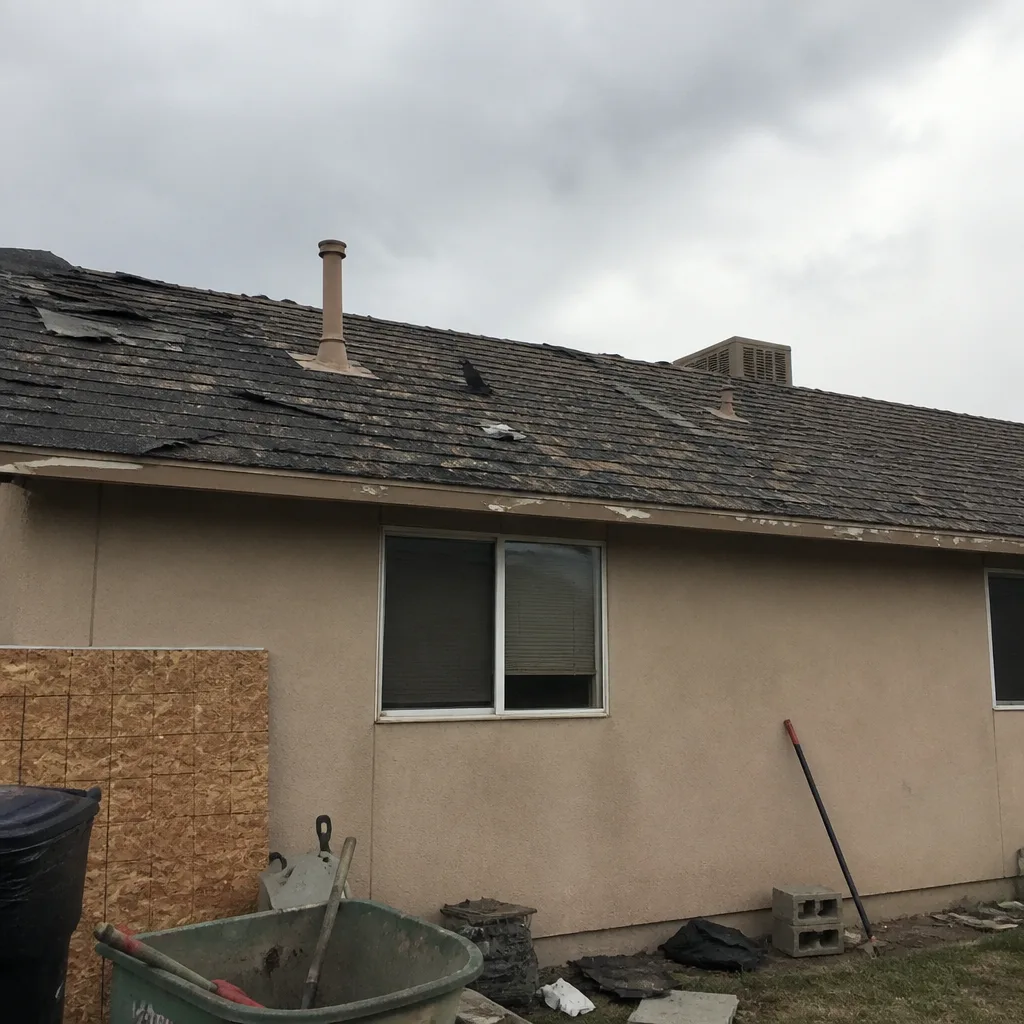 Before
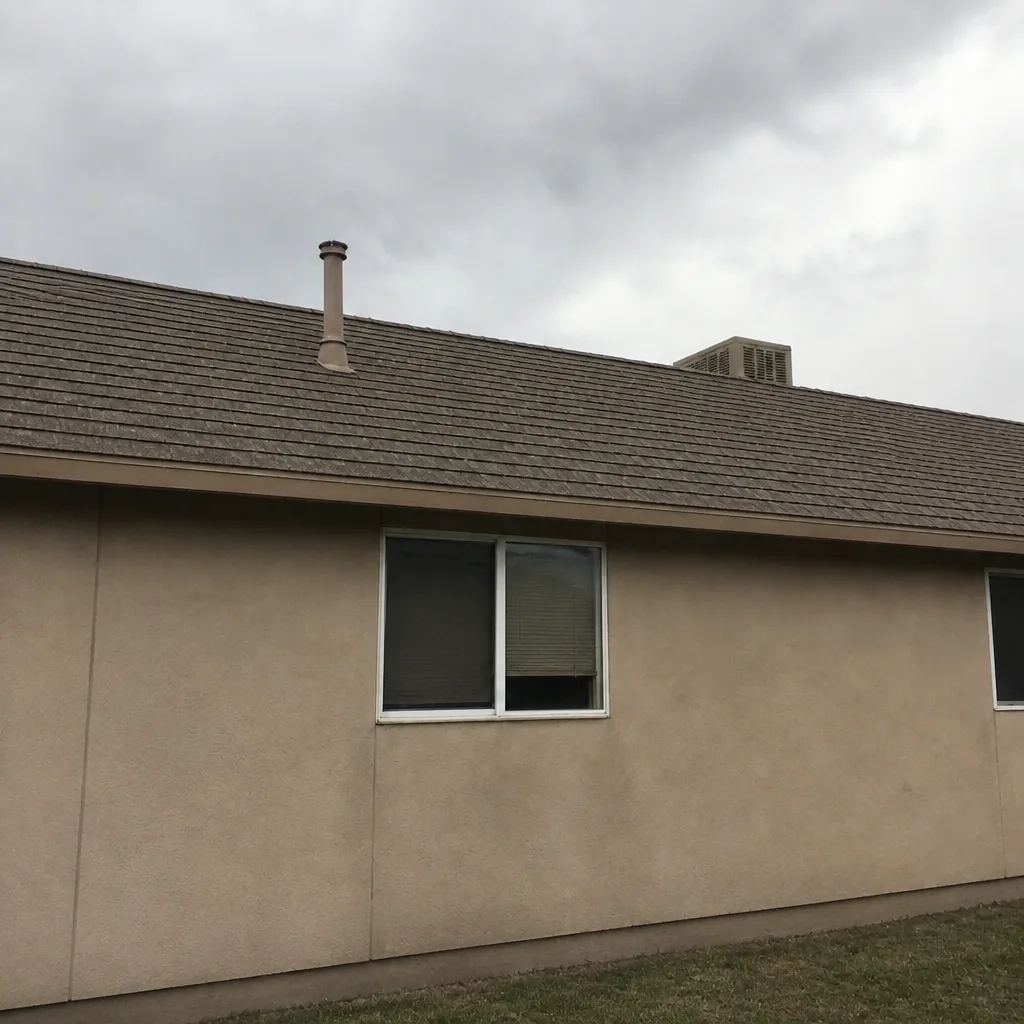 After
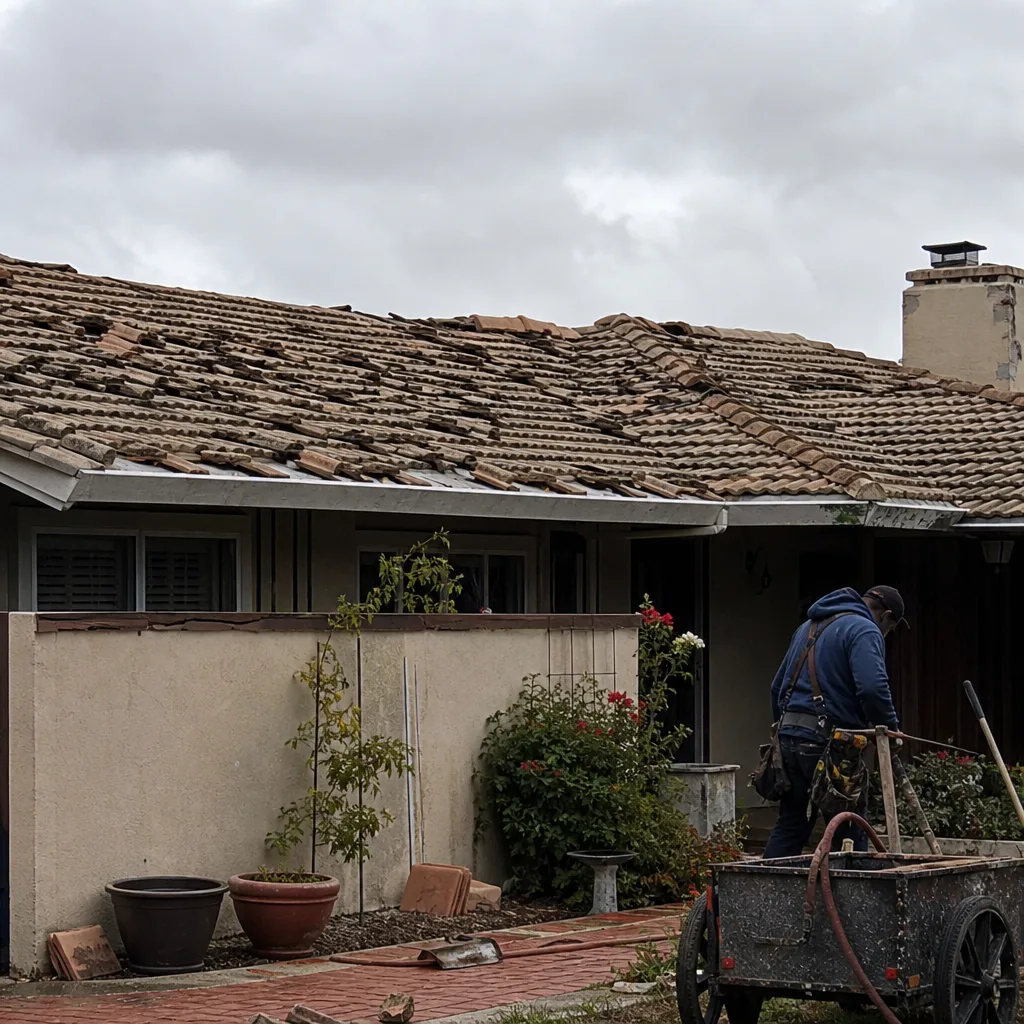 Before
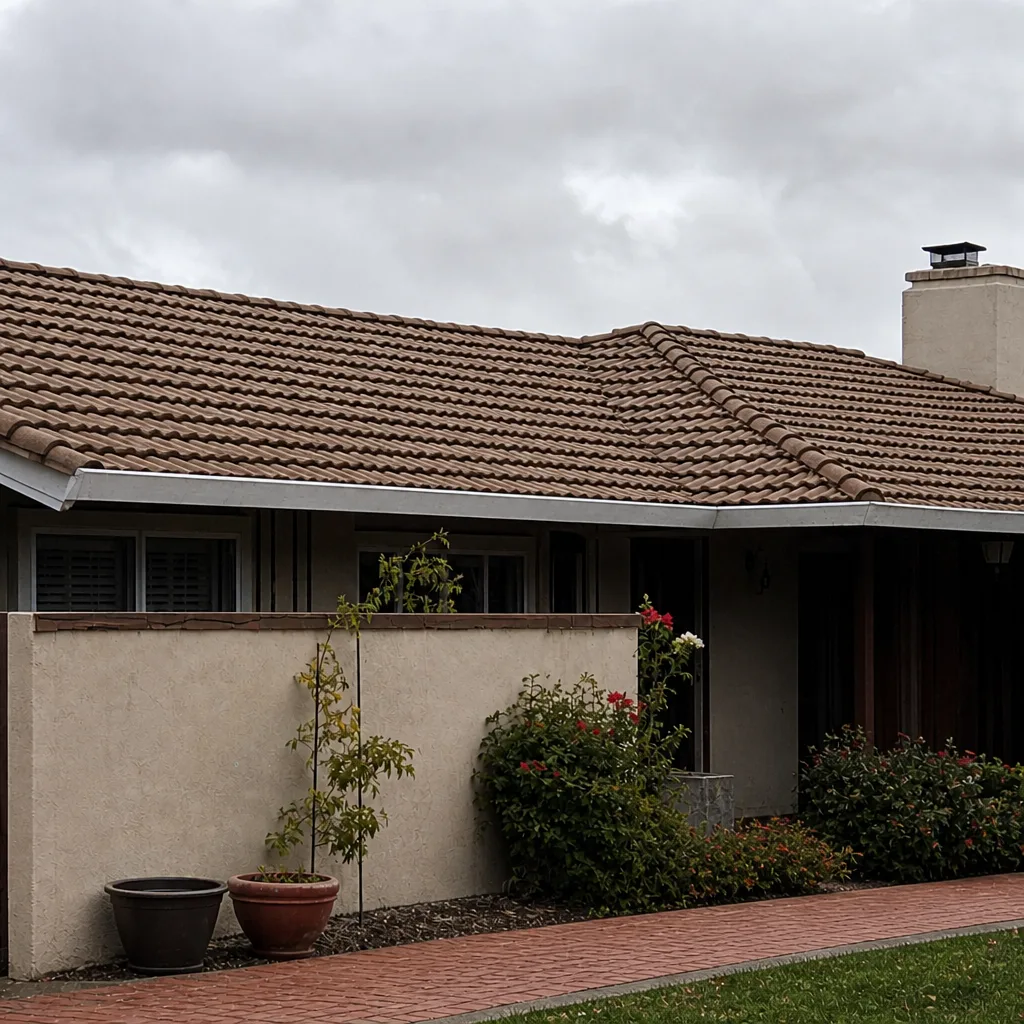 After
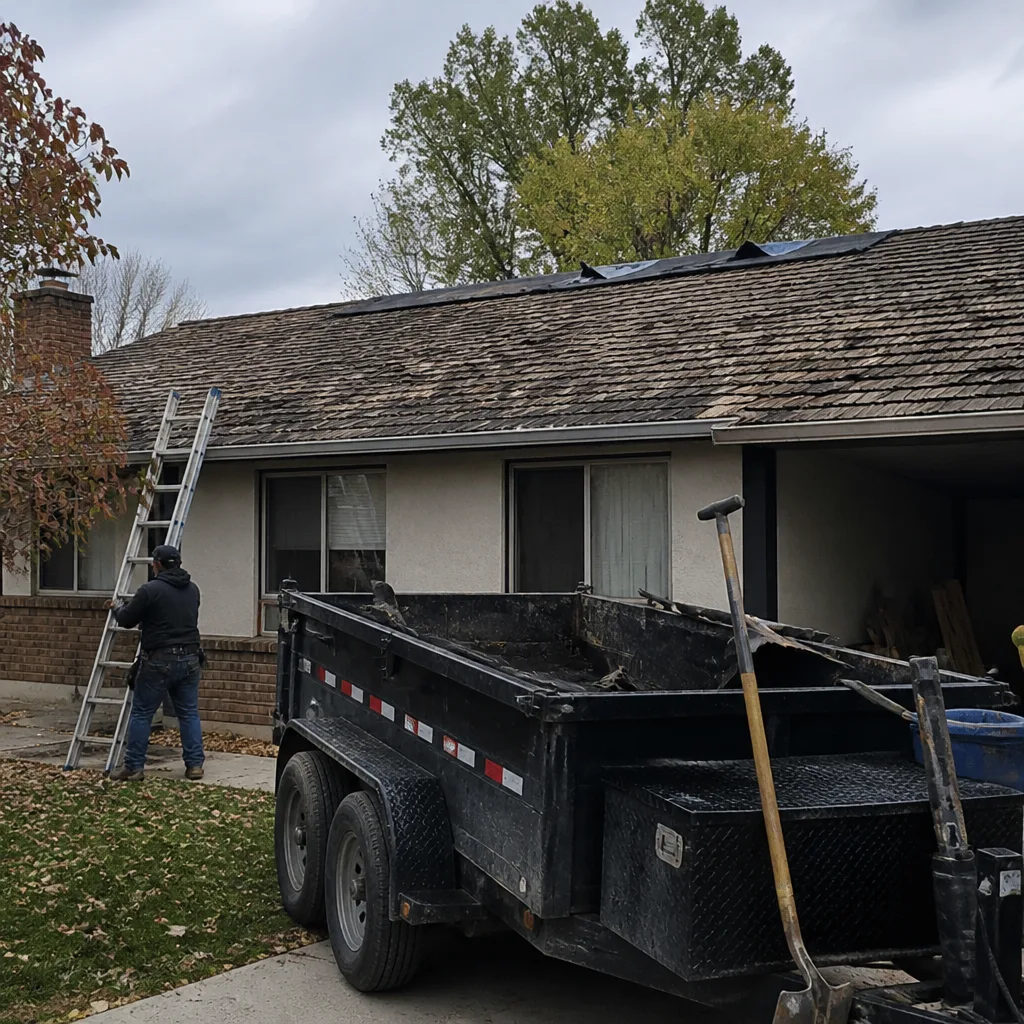 Before
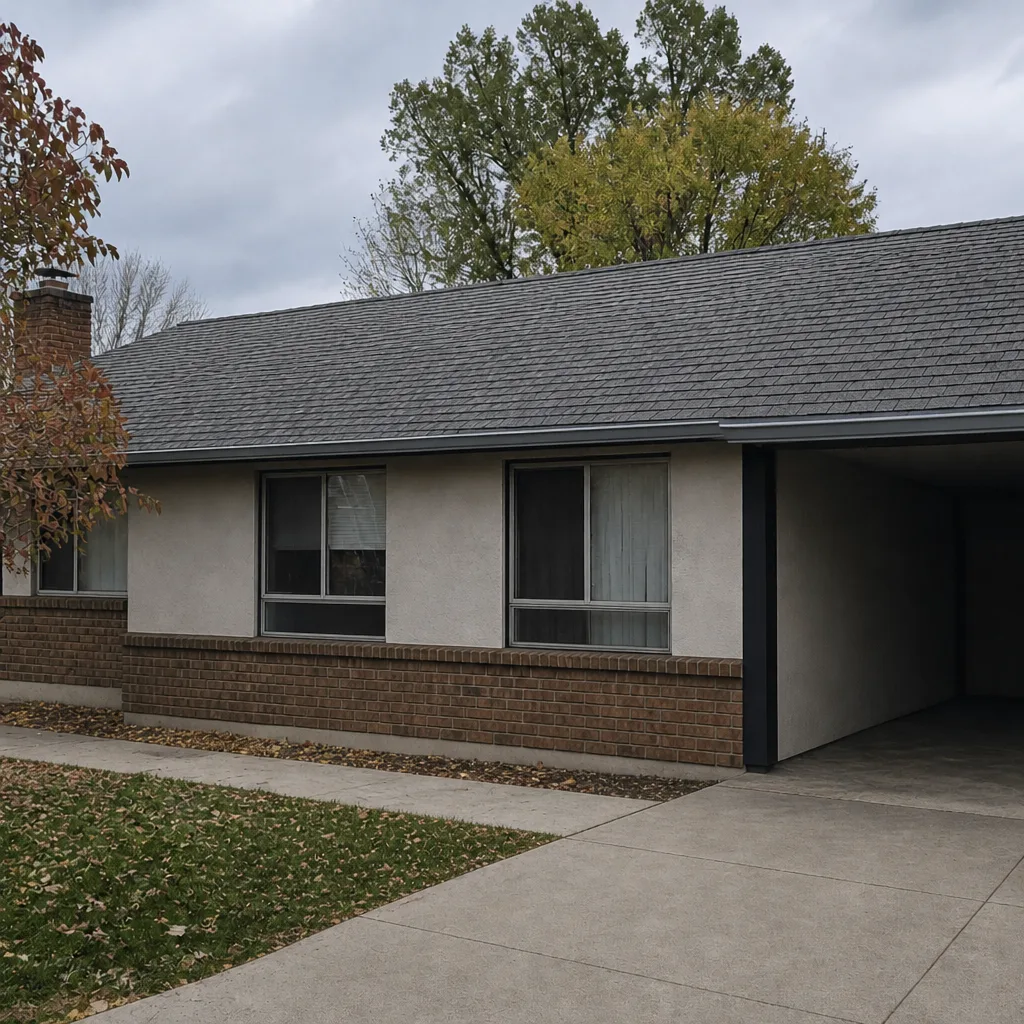 After
When to Call a Professional
Call a licensed roofer when a fastener is loose or a gasket is dry, when foam feels soft or coating is worn thin, when a membrane seam lifts or a drain keeps ponding despite clearing, when you see staining or soft spots that suggest moisture underneath, and any time the task means walking the roof or opening the surface. Those are the moments where a small repair done right saves a big replacement done too late. On a specialty roof, the margin between maintain and replace is narrower than on a standard shingle roof, and timing matters. Shepherd & Sons Roofing Winchester offers free estimates in Winchester and a free second opinion on any written estimate – call (844) 797-8167. We install systems from GAF, CertainTeed, Owens Corning, IKO, and Boral, so we know the maintenance each one wants.
Frequently Asked Questions
It depends entirely on the system, not on the city alone. Spray foam needs coating inspection every five to seven years, metal needs fastener and sealant checks annually, and modified bitumen needs membrane and drain checks every six months. In Winchester, our UV and freeze cycles push foam and metal toward the more frequent end of those ranges. Call (844) 797-8167 to get a schedule for the roof you actually have.
Cost tracks the task: a drain clear and visual check is modest, an annual metal fastener and sealant pass sits in the middle, and a full foam recoating is the biggest line item because of the material and surface area. We quote line by line so you know the number before anyone touches the roof, and estimates are free. Call (844) 797-8167 for an exact quote.
You can clear drains, keep debris off, and document everything with photos. You shouldn’t walk a steep or high metal roof, replace fasteners, repair seams, or recoat foam – those need a licensed roofer, and doing them wrong can void a warranty or make a leak worse. When in doubt on a specialty system, call.
Schedule recoating in spring, ahead of peak summer UV, once the coating shows chalk or wear. In Winchester’s intense sun, that often lands closer to the five-year mark than the seven-year general rule. Waiting until the coating visibly fails in midsummer means the foam has already taken damage. Call us for a coating inspection before the heat sets in.
Yes, in most cases. Manufacturer warranties on foam and membrane systems usually expect the coating or membrane to be maintained, and a dated log with photos is your proof. Without a record, a warranty claim is much harder to win. Keep the log, keep the invoices, and photograph the same angles each time.
It can. An adjuster treats a storm claim on a well-maintained roof differently from one on a neglected roof that was already failing. If you can show dated maintenance and photos, you’re in a stronger position. A roofer who hands you the record with the work is handing you evidence for later.
The Bottom Line
Specialty roofing maintenance is not one schedule – it’s a schedule per system. Foam wants a coating check every five to seven years, timed before peak UV. Metal wants annual fastener and sealant checks, especially after Winchester’s winter freezes. Modified bitumen and low-slope want drain and seam checks every six months, because standing water is what kills them. Do the safe tasks yourself, call a licensed roofer for the rest, and document every bit of it with dates and photos. A specialty roof maintained on its own clock lasts; one on a generic checklist gets abandoned into failure. For a schedule built around your roof, call Shepherd & Sons Roofing Winchester at (844) 797-8167 for a free estimate.
Written by the team at Shepherd & Sons Roofing Winchester.