
Last updated November 17, 2026
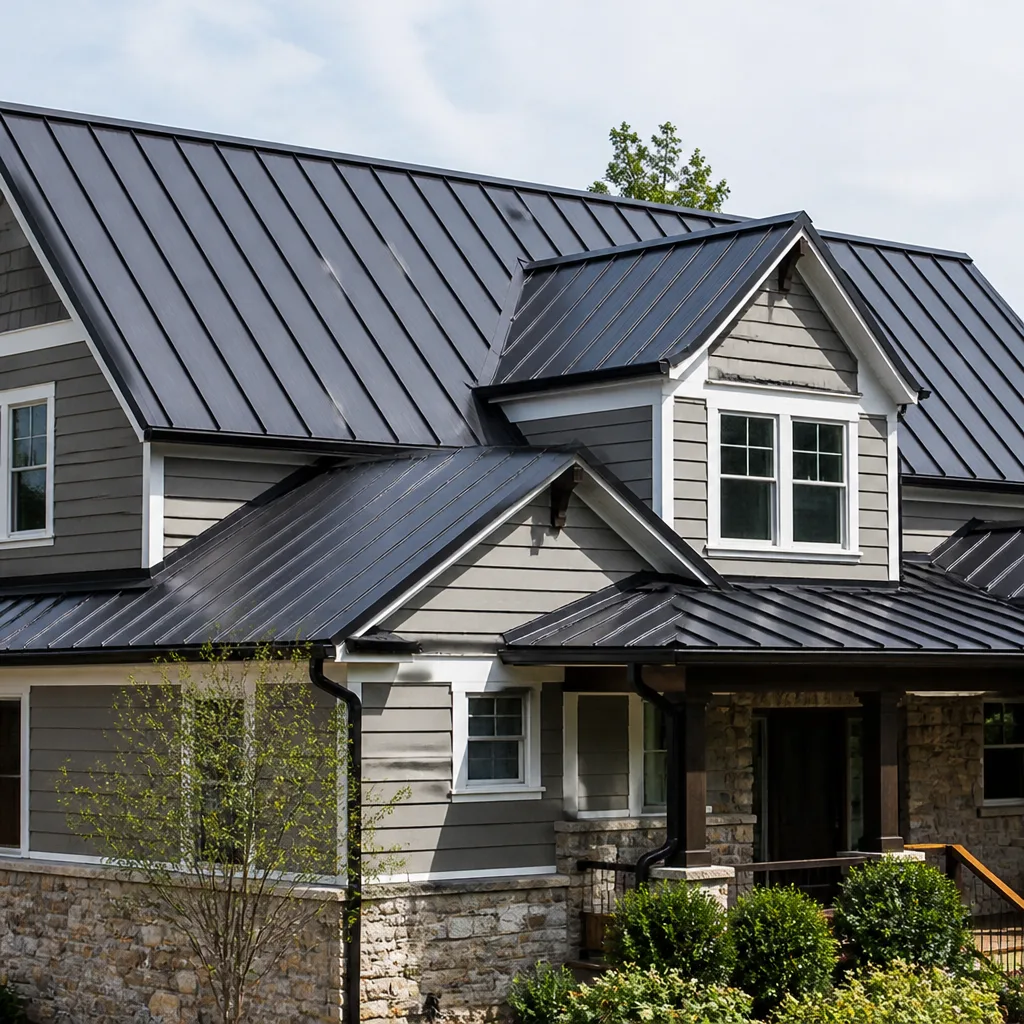 Metal roofing
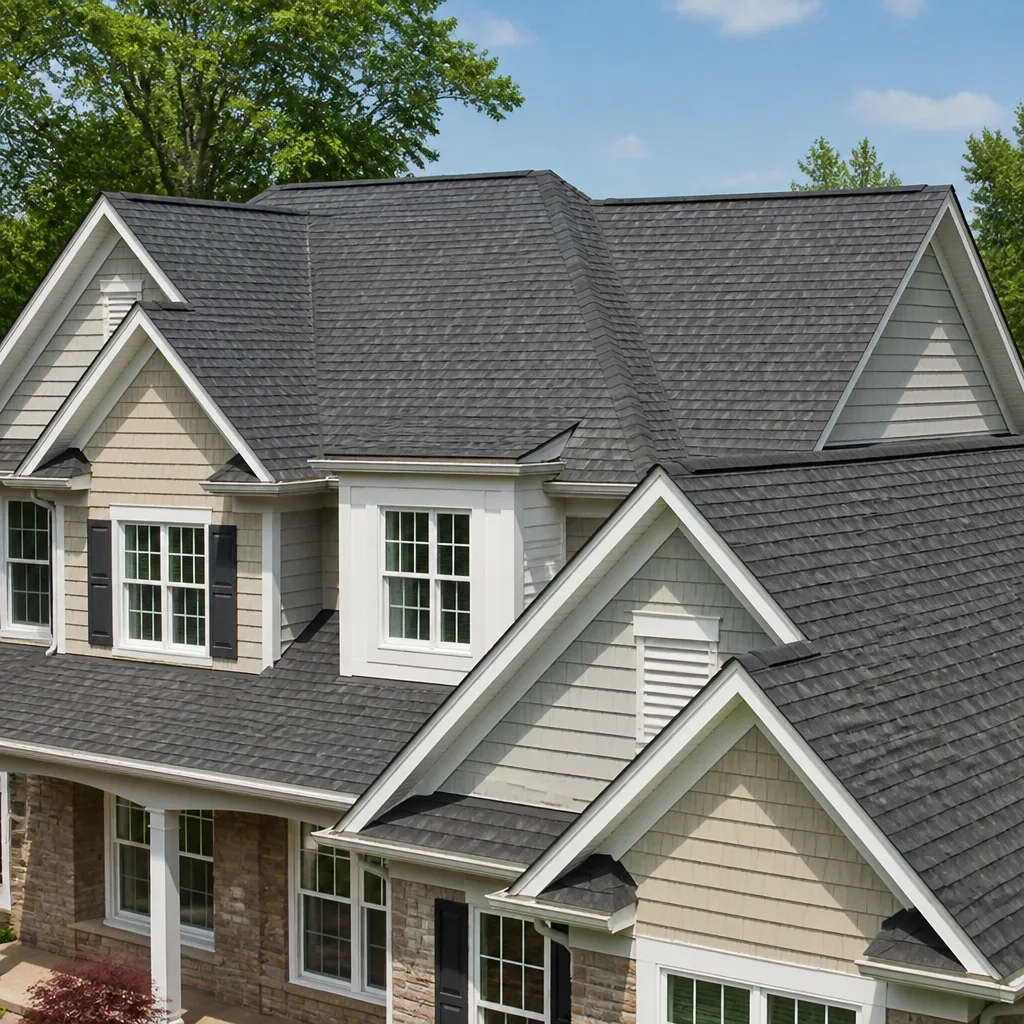 Architectural shingles
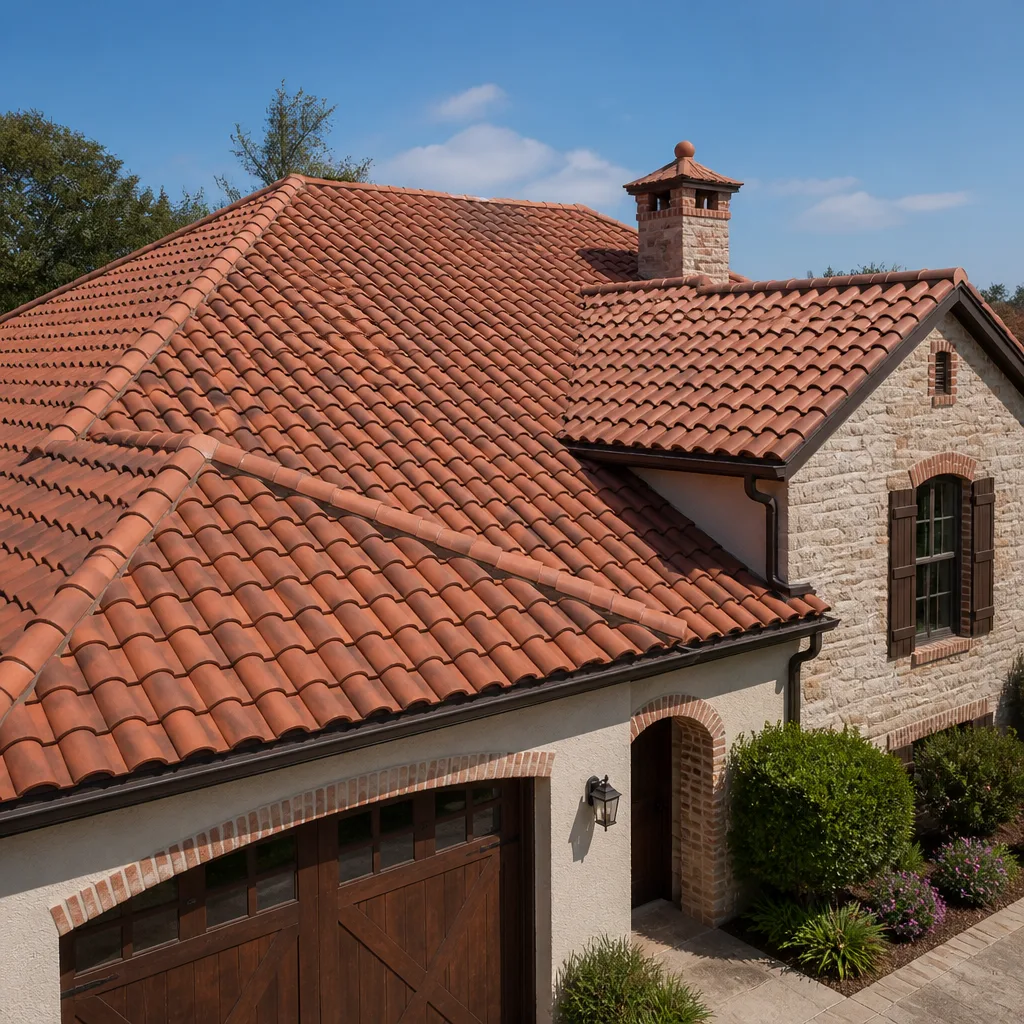 Tile roofing
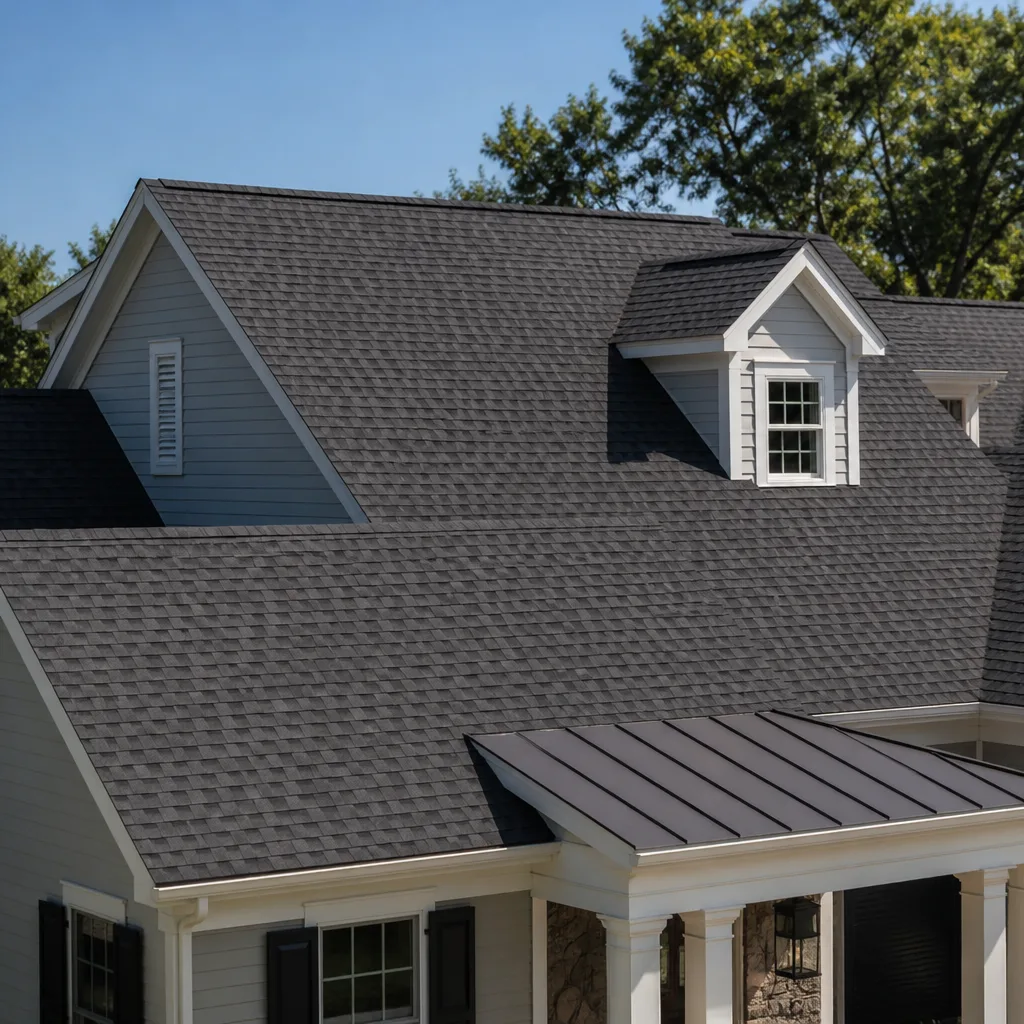 GAF
 Owens Corning
 Flat & low-slope
Free roof inspection with deck photos before we talk money - GAF and Owens Corning certified installation
The Complete Specialty Roofing Guide for Winchester Homeowners
There’s no single thing called “specialty roofing.” There’s flat-roof foam, standing seam metal, corrugated steel, modified bitumen, and a half-dozen other systems, and the contractor who’s good at one is often not the right call for another. Most homeowners in Winchester don’t find this out until after the contract is signed. We’ve walked onto plenty of jobs where the material and the house simply didn’t match. This guide sorts out what actually holds up in Winchester’s heat and wind, what each system costs to own over 20 years, and the exact questions to ask before you sign anything.
Quick Answer
The right specialty roof for a Winchester home depends on slope, sun exposure, and how long you plan to stay: low-slope areas usually point to foam or modified bitumen, while steep-slope homes do best with standing seam metal or a high-end architectural shingle system. Each has a different failure mode and a different installer skill set, so you’ll want bids that name the exact system, the manufacturer, and the installer’s certification for that product. Winchester’s UV load and monsoon rain make material choice more than a cosmetic decision.
Styles & brands we work with
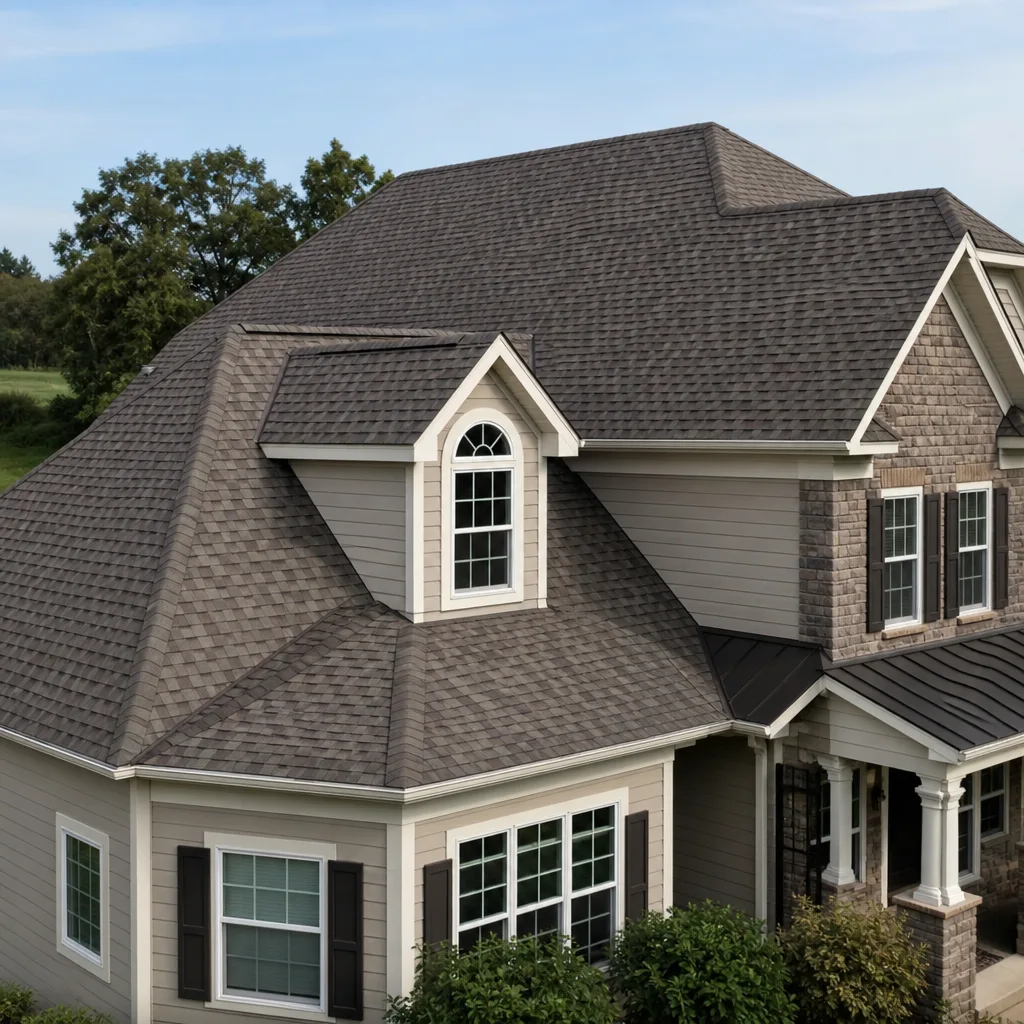
- Architectural shingles
- Metal roofing
- Tile roofing
- GAF
- Owens Corning
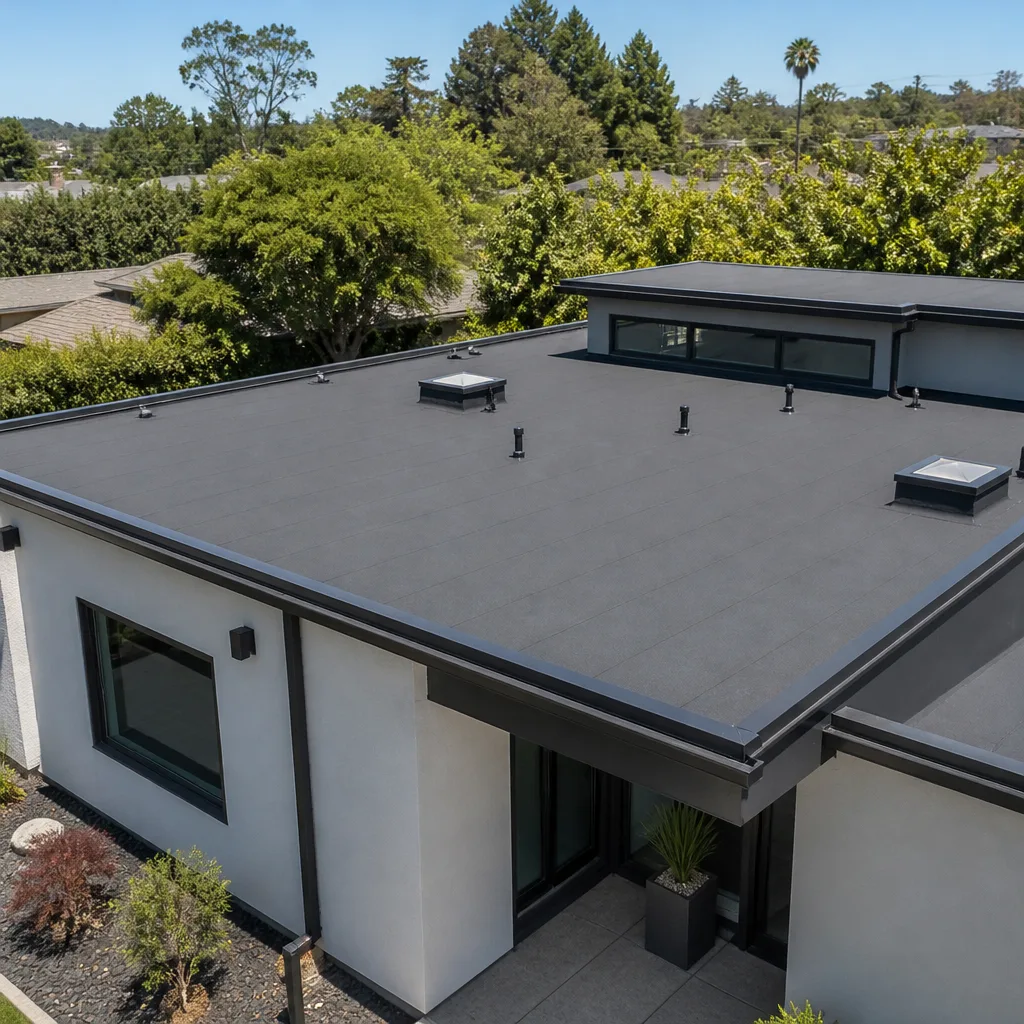
- Flat & low-slope
Table of Contents
- Why “Specialty Roofing” Is Really Five Different Decisions
- What Winchester’s Climate Does to a Roof
- Low-Slope Specialty Options: Foam and Modified Bitumen
- Steep-Slope Specialty Options: Metal and High-End Shingles
- Side-by-Side: Lifespan, Maintenance, and Real Cost
- How to Vet a Contractor’s Actual Experience With a System
- Clark County Permits and Inspections for Non-Standard Roofs
- Questions to Ask Before You Sign
Why “Specialty Roofing” Is Really Five Different Decisions
When a homeowner calls us asking about “specialty roofing in Winchester,” the first thing we do is slow the conversation down. That phrase covers at least five distinct product families, and they don’t share installers, tools, or failure modes. Spray polyurethane foam is applied wet and cured in place. Standing seam metal is roll-formed and mechanically fastened. Corrugated steel is a different animal with exposed fasteners. Modified bitumen is torch-applied or self-adhered. Tile is a whole trade of its own.
That matters because a roofer who’s genuinely skilled at one of those is often average or worse at another. We’ve seen foam systems installed by crews who’d spent their careers on shingles, and it shows up two summers later as blistering and ponding. The skill sets don’t transfer the way a homeowner assumes they do.
So before you get bids, do this:
- Identify the actual slope of each roof section. Anything under about 3:12 is a low-slope area and narrows your options immediately.
- Get a rough square count so you can sanity-check every bid. A roof is measured in squares – ask any bidder how many they counted. A 200-square-foot discrepancy is usually a red flag.
- Decide how long you plan to stay in the house. That single answer changes which system makes financial sense.
- Ask each bidder to name the manufacturer and the specific product line, not just the material category.
Get through those four steps and you’ll be comparing real bids instead of three different things dressed up as the same thing.
What Winchester’s Climate Does to a Roof
Winchester sits in a climate that’s hard on roofs in ways that don’t show up until year five or six. The summer UV index is brutal. Surface temperatures on a dark roof can run well past the air temperature, and that heat cycling is what ages sealants, cooks out adhesives, and causes foam to break down faster than the manufacturer’s literature suggests if it isn’t properly coated.
Then there’s the rare freeze. We get a handful of nights each winter where temperatures drop below freezing, sometimes right after rain. That freeze-thaw cycle is short but it’s hard on saturated materials and on any roof with a drainage flaw. Monsoon-pattern rain is the other piece: we get big water volume in short windows, which means a low-slope area that drains slowly in a light rain can pond and push water under seams when a storm hits.
The practical upshot for a Winchester homeowner:
- Heat load drives material choice. Reflective coatings and lighter-colored metal aren’t just aesthetic. They cut attic temperatures and extend the life of what’s underneath.
- Drainage design matters as much as the material. A foam roof with bad fall toward the scuppers will fail before a good modified bitumen roof with proper slope.
- Flashing at parapets and penetrations is where most leaks start. In our experience, the material gets blamed for a flashing detail that was wrong from day one.
For broader repair and replacement context in Winchester, our roof repair in Winchester page covers the everyday issues we see most often.
Low-Slope Specialty Options: Foam and Modified Bitumen
Low-slope roofs are where most specialty calls come from. Two systems dominate: spray polyurethane foam (SPF) and modified bitumen. Both can work well in Winchester. Which one you want depends on the condition of the deck, how much the roof ponds, and how much maintenance you’re willing to budget for.
Spray Polyurethane Foam
Foam is applied as a liquid, expands, and cures into a seamless membrane that insulates as it waterproofs. It’s excellent on irregular shapes and roofs with lots of penetrations, because there are no seams to leak. The catch is the coating. An uncoated foam roof will degrade under UV quickly, so the acrylic or silicone coating on top is not optional – it’s half the system. Foam roofs also need recoating every so often and they don’t like foot traffic during the wrong season.
Modified Bitumen
Modified bitumen is a rolled membrane, either torch-applied or self-adhered, usually in two plies. It’s a proven, repairable system with predictable performance. The tradeoff is seams: where the membrane laps, you have a joint that has to be done right. It’s also heavier and, in our experience, less forgiving of a deck that moves.
What to watch for on low-slope roofs
- Standing water more than 48 hours after a storm – that’s a drainage problem, not a material problem.
- Blisters or soft spots underfoot, which point to trapped moisture in the assembly.
- Ponding near scuppers and drains, often because debris has collected or the original slope was never built in.
When a low-slope section has failed completely rather than at a specific spot, our roof replacement and installation in Winchester page walks through what a full tear-off and rebuild involves.
Steep-Slope Specialty Options: Metal and High-End Shingles
On the steeper parts of a Winchester roof, specialty usually means metal – standing seam or corrugated steel – or a premium architectural shingle system. Both have their place. They’re just solving different problems.
Standing Seam Metal
Standing seam metal uses concealed fasteners under raised ribs. That design is why it holds up so well to wind and UV: there are no exposed screws to back out or washer gaskets to dry and crack. It’s the system we reach for when a homeowner wants a roof they don’t have to think about for a long time. The installation quality lives in the panel layout, the clip spacing, and the flashings. A standing seam roof installed with sloppy details will leak at the valleys and ridge, not in the field.
Corrugated Steel
Corrugated steel is the exposed-fastener cousin. It’s affordable and works fine on outbuildings and sheds, but on a house, the fasteners are the maintenance item. Every screw is a potential leak point when the gasket ages. We install it where it fits, and we’re honest when a standing seam system is the better long-term call.
Premium Architectural Shingles
Not every specialty conversation has to be metal. A high-end laminated shingle from a manufacturer like IKO or Atlas gives you a much better wind and impact rating than a builder-grade three-tab, and the cost per square is far below metal. For a lot of Winchester homes, that’s the right middle ground. The nailing pattern earns the wind rating, not the shingle wrapper, so the install matters as much as the product.
If you’re leaning toward metal, our metal roofing in Winchester page goes deeper on panel types and finish options.
Side-by-Side: Lifespan, Maintenance, and Real Cost
Here’s the comparison homeowners actually want. The numbers below are realistic ranges for Winchester, not manufacturer best-case figures. Your actual numbers depend on slope, square count, deck condition, and how many penetrations you’re working around.
| System | Typical Lifespan | Maintenance Pattern | Relative Cost |
|---|---|---|---|
| Spray foam (SPF) with coating | 15-25 years with recoating | Recoat every 5-10 years; inspect after monsoons | Mid-range upfront; ongoing recoat cost |
| Modified bitumen (2-ply) | 15-20 years | Seam and flashing repair as needed; keep drains clear | Lower upfront; more repair touchpoints |
| Standing seam metal | 40-50+ years | Minimal; occasional fastener and flashing check | Highest upfront; lowest long-term cost per year |
| Corrugated steel | 20-30 years | Replace washer screws as they age; repaint eventually | Lower upfront; fastener maintenance |
| Premium architectural shingle | 25-30 years | Routine inspection; replace damaged shingles as found | Mid-range; strong value for steep-slope |
One thing we tell every homeowner: divide the upfront cost by the realistic lifespan to get a cost per year. A metal roof that costs twice as much but lasts twice as long is roughly even on paper – and ahead once you factor in the repairs you don’t make. That math is why we ask how long you plan to stay in the house before we recommend anything.
How to Vet a Contractor’s Actual Experience With a System
This is the part where a lot of Winchester homeowners get taken. A contractor with a general roofing license can legally bid on a metal roof or a foam roof even if they’ve installed two of each in their life. The license doesn’t certify system-specific skill. So you have to ask.
Here’s the process we recommend, and it’s the one we’re happy to walk through on our own bids:
- Ask for system-specific references. Not general roofing references – ask for two or three completed jobs of the same system, same general roof type, within the last three years. Then call them.
- Ask who actually installs it. Some contractors subcontract the specialty work. That’s not automatically bad, but you want to know, and you want the name of the sub and their experience.
- Ask about manufacturer certification. Many manufacturers certify installers for specific product lines. If a bidder claims a 30-year material warranty, ask whether their certification is what qualifies you for it.
- Ask what happens if a detail fails. The answer you want is a specific, written warranty term, not a handshake. Our written 90-Day Done Right Promise exists because one call should bring the roofer back.
- Ask for the deck photos before you talk money. A bidder who’s been on the roof should have photos of what they found.
We install products from IKO, Atlas, and Tamko on the shingle side, among others, and we’ll tell you plainly which system we’d put on our own roof. For a second set of eyes on a bid you’ve already received, a Shepherd & Sons Roofing Winchester home visit is a good starting point.
Clark County Permits and Inspections for Non-Standard Roofs
Winchester roofs fall under Clark County permitting and inspection. A reroof is a permitted project, and specialty systems tend to draw more scrutiny than a standard shingle overlay because they’re less common and the inspector needs to see the assembly, not just the finished surface.
What that means in practice:
- Permits are pulled before work starts. A contractor who suggests skipping the permit to save time is telling you something about how they handle the rest of the job.
- Inspection happens at defined stages. For foam and membrane systems, the deck and any underlayment or base sheet are typically inspected before the final surface goes down. Metal roofs get inspected for attachment and flashing details.
- Final inspection is not a formality. It’s your protection that the install matched the approved plan.
- Keep the documentation. Permit records and inspection sign-offs support your warranty if you ever sell or file a claim.
Every job we do in Winchester gets permitted and inspected. The written 90-Day Done Right Promise and the inspection record go together – one is the accountability, the other is the proof.
Questions to Ask Before You Sign
Print this list. Take it to every bid. The answers will separate the contractors who know the system from the ones who are quoting on the fly.
- What exact product and manufacturer are you installing? “Standing seam metal” isn’t an answer. You want the panel profile, the gauge, the finish, and the manufacturer.
- Is the installer certified by that manufacturer? And does that certification affect my warranty?
- What’s the full warranty, in writing? Material warranty, labor warranty, and what voids each one. Get the terms, not the marketing summary.
- What’s the tear-off scope? Full removal or overlay? How many layers are coming off? What happens if the deck is soft underneath?
- How are flashing and penetrations handled? The material is the visible part; the details are where the leaks live.
- Will the price change once work starts? A firm, line-item written quote should hold. Unexpected deck rot is the one honest exception – and it should be priced in writing before anyone proceeds.
- Who’s on the roof, and who do I call if something’s wrong? You want a name and a phone number, not a call center.
If a bidder can’t answer those seven, keep looking. And if you want a free second opinion on a bid you’ve already got, we’ll read it and tell you what we see – no trip charge inside our county, no hassle.
Common Mistakes to Avoid
- Comparing three bids that describe three different systems. If one bid is for foam, one for modified bitumen, and one for shingle, you’re not comparing prices – you’re comparing products. Standardize before you compare.
- Skipping the deck inspection. In Winchester, we regularly find soft decking under failed low-slope systems. If nobody went on the roof and looked, the bid is a guess.
- Hiring on price alone from a storm chaser. Same address since 1996. Ask the storm chasers where theirs is. A bid that’s 30% below the others is usually missing the tear-off, the permit, or the flashing scope.
- Assuming a general roofing license covers specialty work. It doesn’t certify system experience. Ask for system-specific references.
- Treating the coating as optional on a foam roof. It’s half the system. An uncoated foam roof will degrade under Winchester’s UV load faster than you’d expect.
- Ignoring drainage design. A premium material on a roof that ponds will fail before a mid-range material on a roof that drains.
- Skipping the permit to save a few hundred dollars. It costs you the inspection record, and it can complicate a warranty claim later.
See the difference
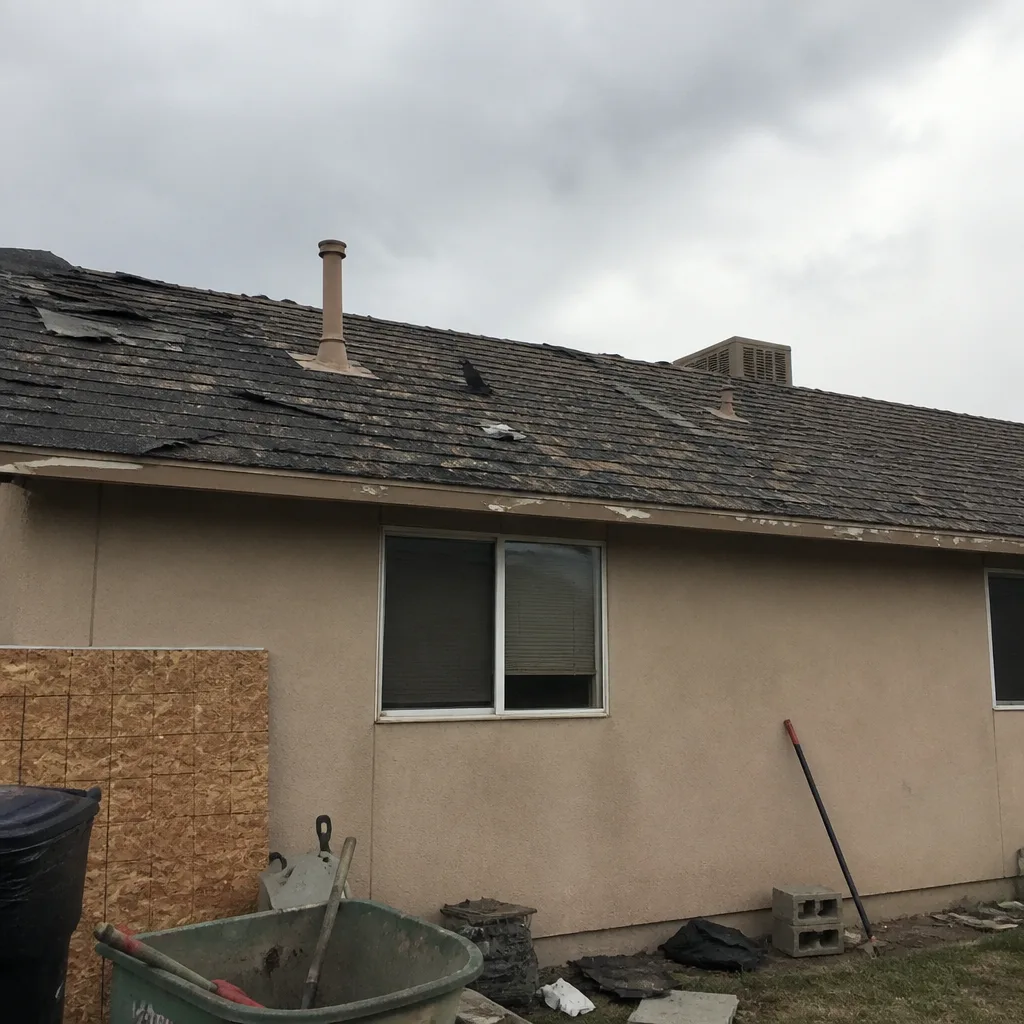 Before
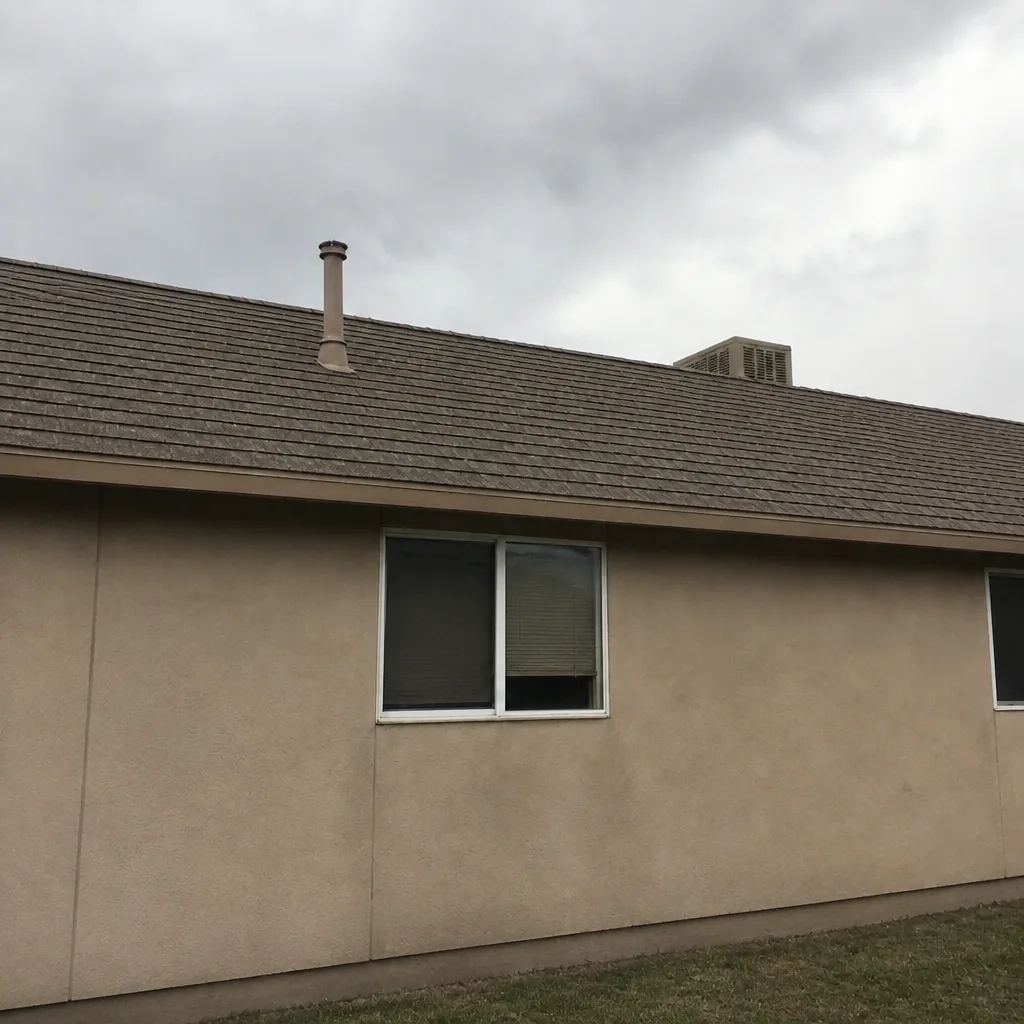 After
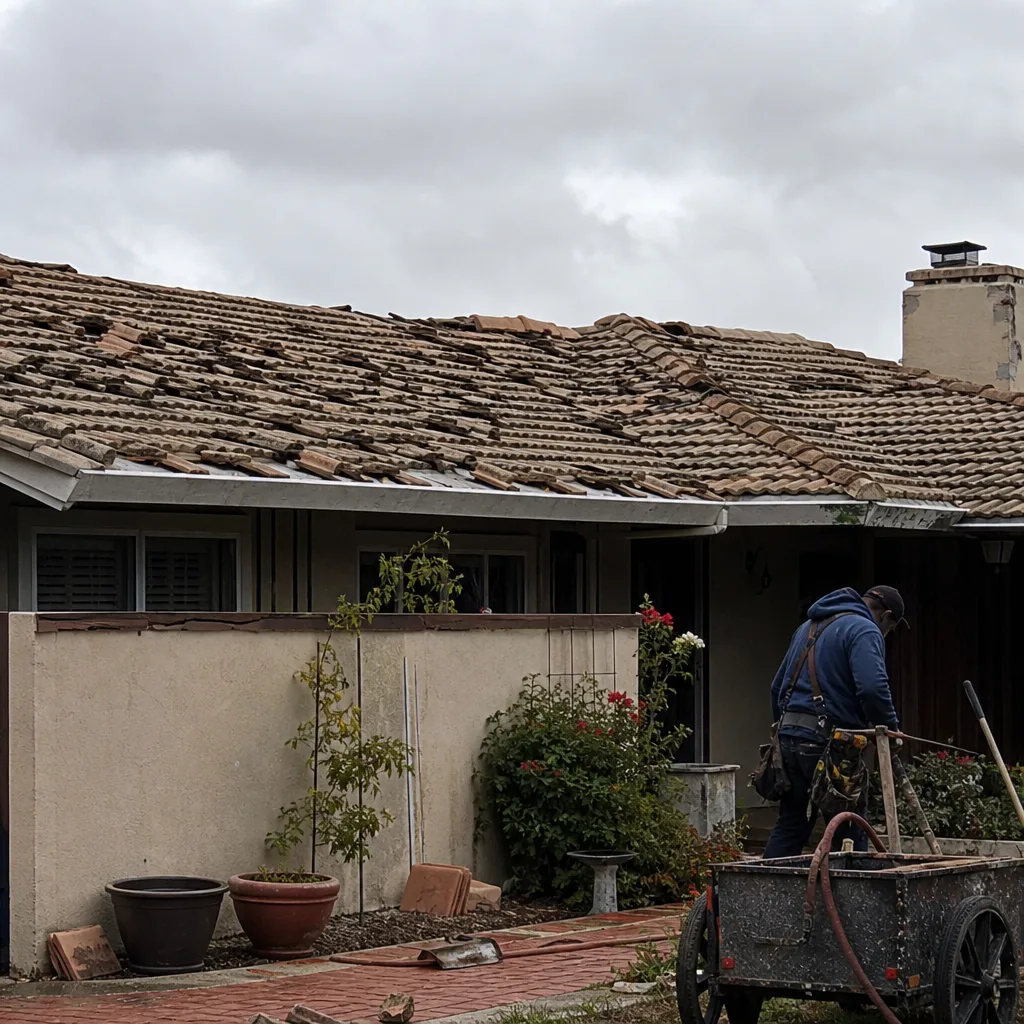 Before
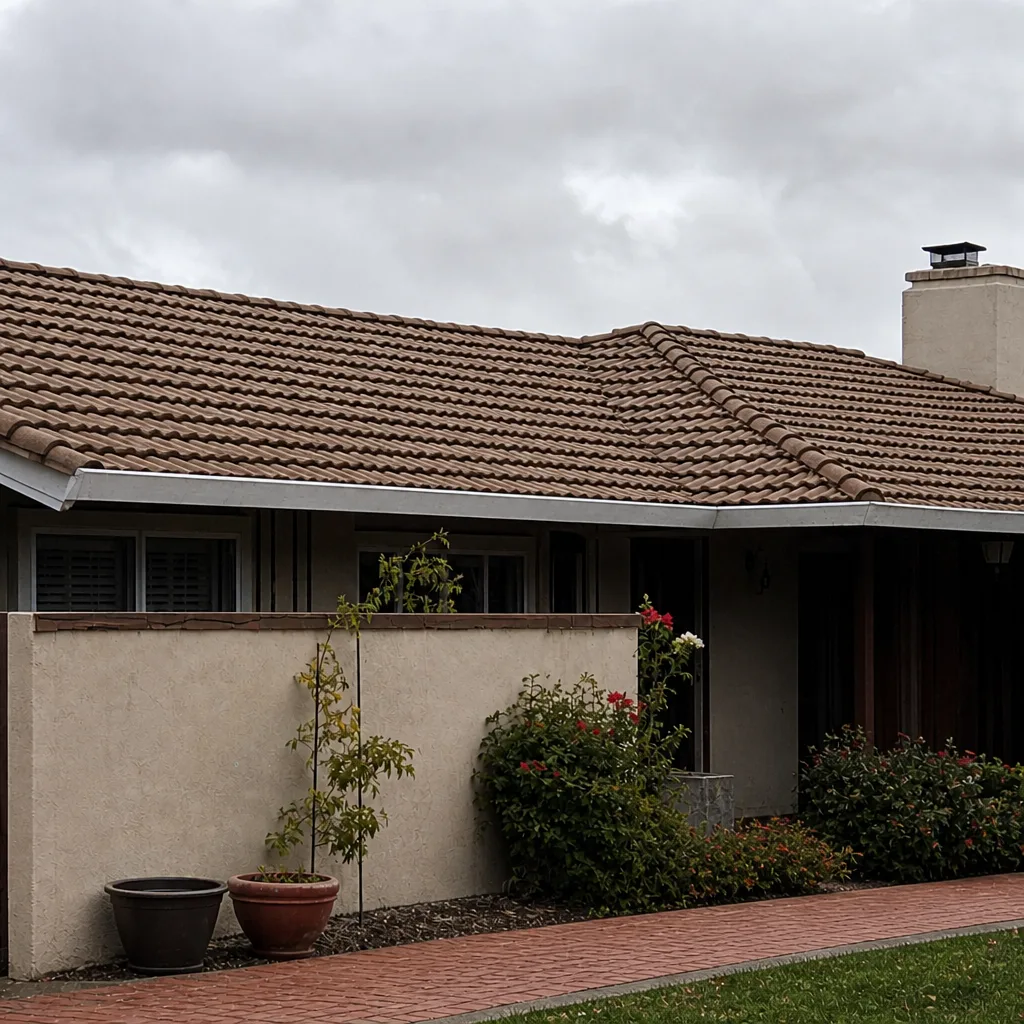 After
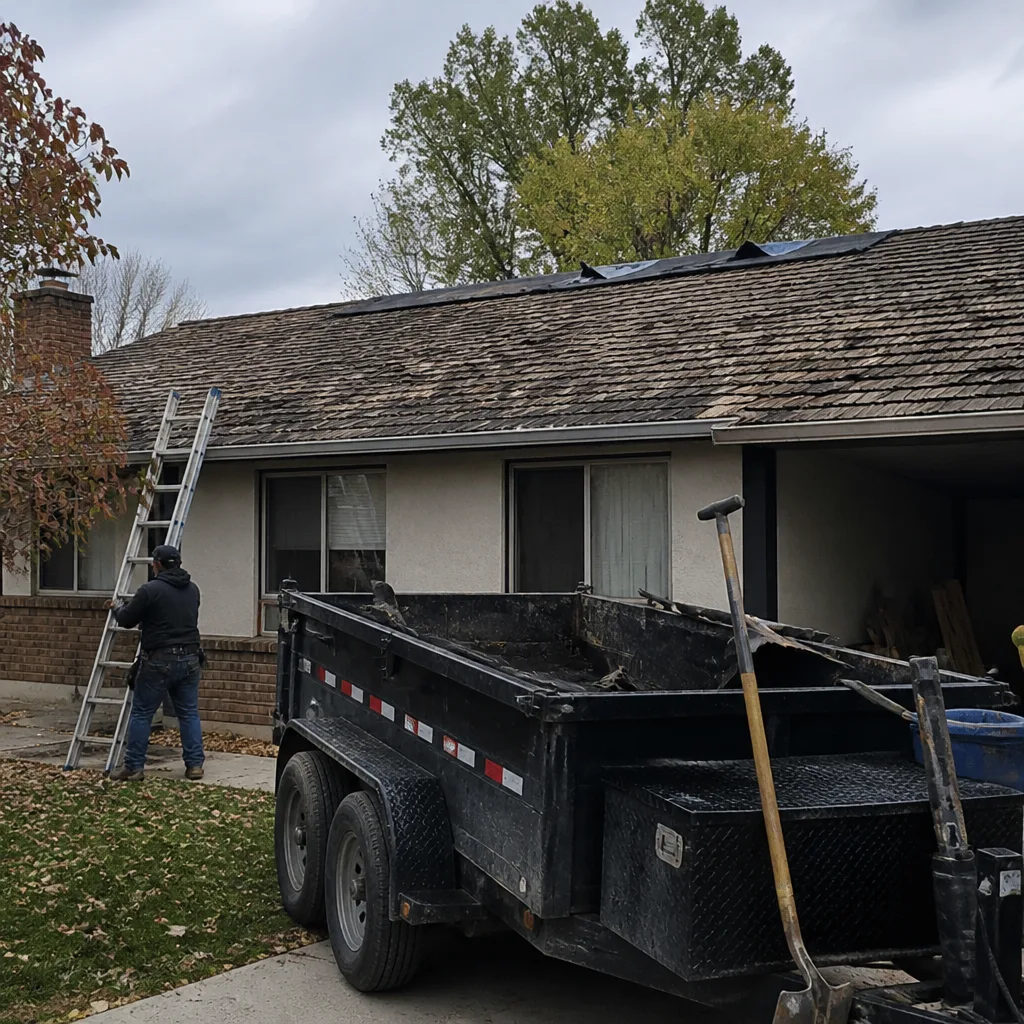 Before
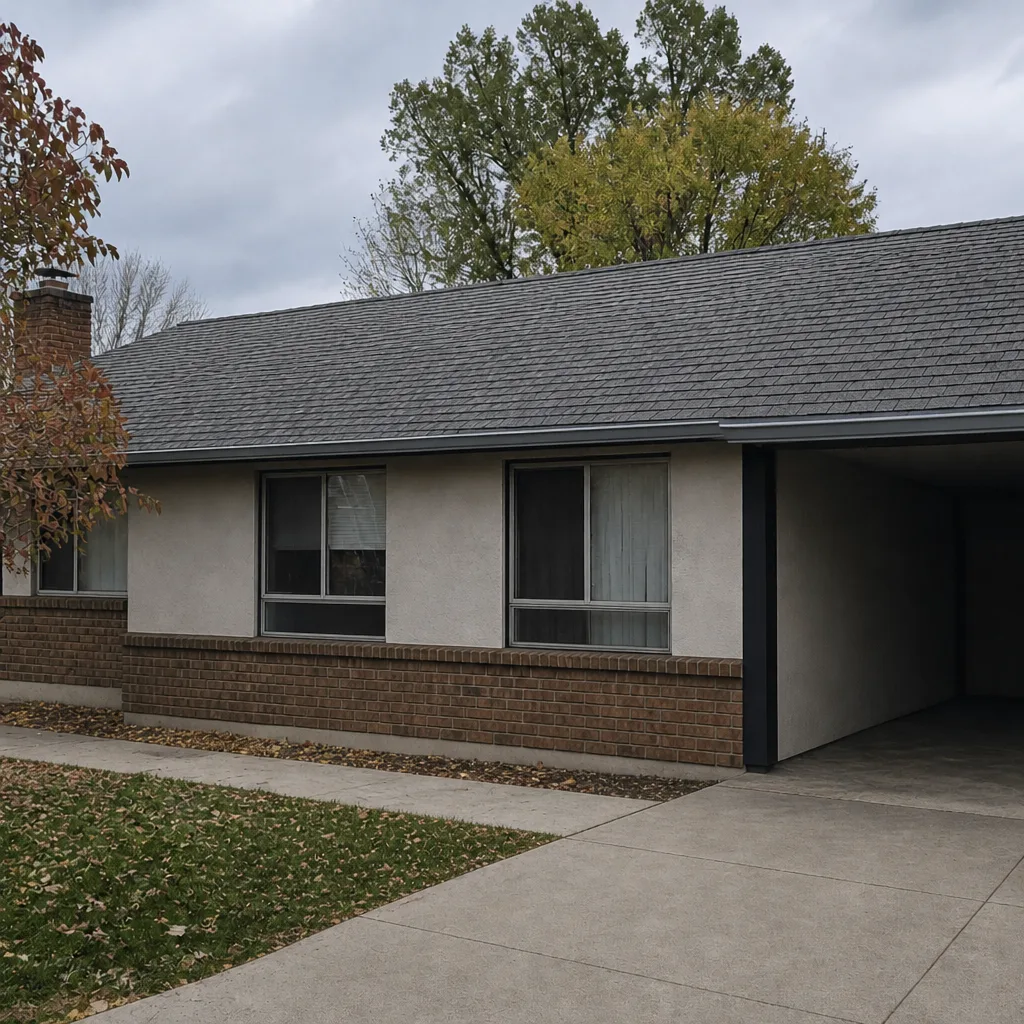 After
When to Call a Professional
Some things you can check yourself. Some you genuinely shouldn’t touch. If your low-slope roof has held standing water for more than two days, if you see blistering or soft spots underfoot, if a storm has lifted panels or torn membrane, or if any roof detail has failed twice in the same spot, it’s time for someone on the roof who knows the system. Metal panels with backed-out fasteners, foam with cracked coating, and any flashing at parapets or scuppers are all worth a professional evaluation – and the last thing we’d want is for someone to climb around on a monsoon-soaked roof trying to figure it out.
Shepherd & Sons Roofing Winchester offers free estimates in Winchester – call (844) 797-8167. A live person answers, 24/7, including nights and weekends after a storm. Bill will come out, show you the deck photos before we talk money, and give you a written line-item quote with no surprises at the end.
Frequently Asked Questions
Standing seam metal, premium architectural shingles on steep slopes, and spray foam or modified bitumen on low-slope areas all perform well in Winchester when installed correctly and detailed properly. The key is matching the system to the slope and to how much maintenance you’re willing to budget. Call (844) 797-8167 and we’ll tell you which one fits your roof – estimates are free.
It depends entirely on the system – metal and foam cost meaningfully more upfront than modified bitumen or architectural shingles, but the long-term cost per year is often lower. The only honest way to compare is a written line-item quote for the exact product you’re considering. Call (844) 797-8167 for an exact quote – estimates are free.
No, not on our jobs. Your written quote holds – the only honest exception is unexpected deck damage, and that gets priced in writing before anyone proceeds. That’s what a firm line-item quote is for. Call (844) 797-8167 to schedule your free estimate.
Yes. Every specialty roof we install in Winchester gets permitted through Clark County and inspected at the required stages. Permit records and inspection sign-offs are yours to keep, and they support your warranty. Call (844) 797-8167 to schedule a free estimate.
A specialty reroof on a typical Winchester home usually runs several days to a couple of weeks depending on square count, system, and weather – metal and foam both need install windows that respect curing and wind. You’ll get a realistic schedule in your written quote, not a guess. Call (844) 797-8167 for an exact timeline.
That happens, and it’s the single biggest reason bids go sideways in Winchester. Ask for system-specific references within the last three years and call them. If the answer is vague, keep looking. Call (844) 797-8167 for a free second opinion on any written estimate.
The Bottom Line
The whole specialty roofing question comes down to three things: what your slope actually is, what your climate does to that material, and who has real experience installing it. Winchester’s UV load, monsoon rain, and occasional freeze narrow the field, and Clark County permits and inspections are there to protect the assembly, not just the surface. Get a square count, ask for the exact manufacturer and product line, and ask each bidder for system-specific references. If you want a second set of eyes on a bid you’ve already got, that’s free. Same address since 1996. Ask anyone on your street – the name on the truck is the name on the license.
Call (844) 797-8167 to schedule your free estimate. A live person answers, 24/7. Every roofing job is backed by our written 90-Day Done Right Promise, and we’ll show you the deck photos before we talk money.
Written by the team at Shepherd & Sons Roofing Winchester.