
Last updated November 17, 2026
 Tile roofing
 Architectural shingles
 Metal roofing
 GAF
 Owens Corning
 Flat & low-slope
Free roof inspection with deck photos before we talk money - GAF and Owens Corning certified installation
The Complete Tile Roofing Guide for Winchester Homeowners
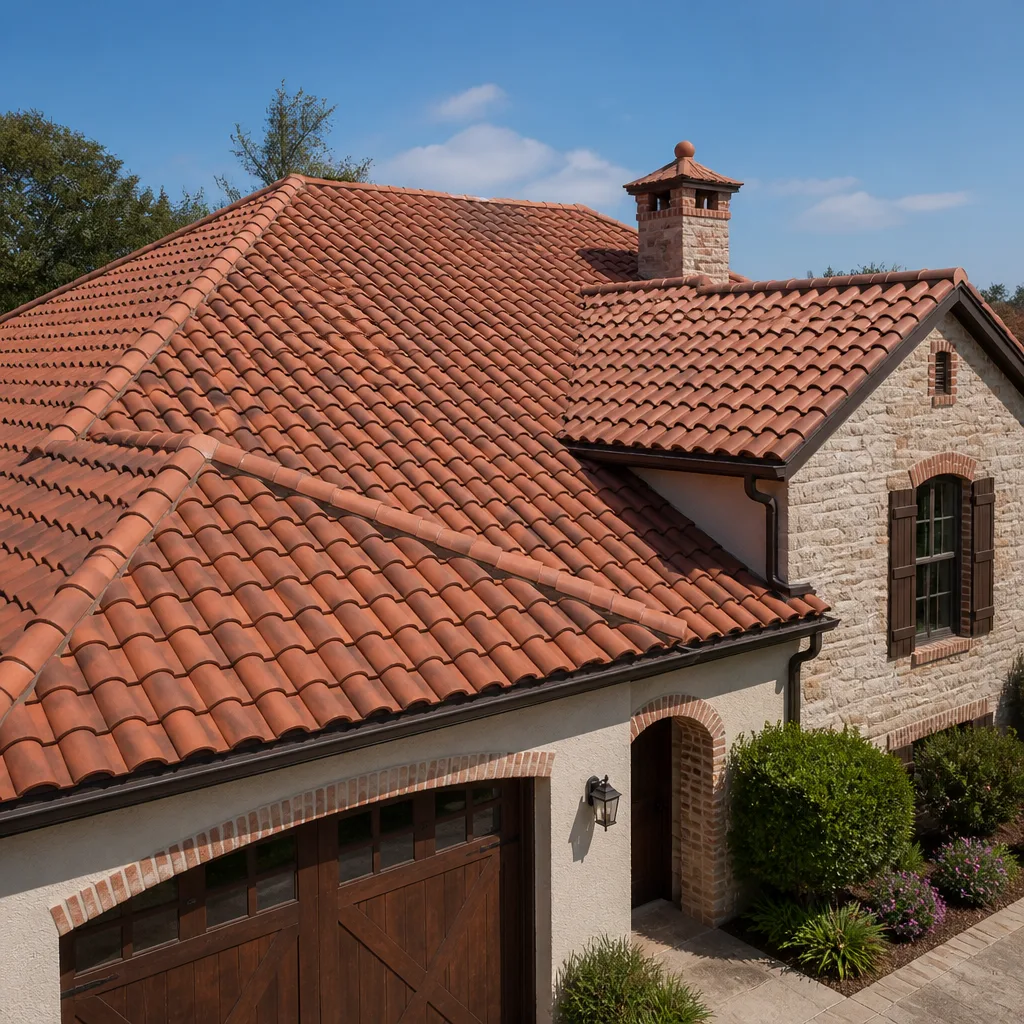
Concrete tile weighs 9 to 12 pounds per square foot. A typical asphalt shingle roof weighs 3 to 4. That means a tile roof isn’t a cosmetic upgrade you bolt onto an existing frame – it’s a structural commitment, and the math has to be checked before a single tile goes on. If your attic wasn’t framed to carry that load and nobody verified it first, you have a 20-year problem sitting on a 60-year-old structure. In this guide we’ll walk through the rafter check, the clay-versus-concrete question in Nevada heat, why underlayment matters more under tile than any other material, and how to get an HOA color right before you order 40 squares. We’ve seen every one of these steps skipped in Winchester, and the bill always lands on the homeowner.
Quick Answer
Tile roofing in Winchester, NV works best as concrete tile rather than clay, and it only performs as well as the underlayment and the framing underneath it. Before any tile is installed, a rafter span check should confirm your roof structure can carry 9 to 12 pounds per square foot, and an engineer’s sign-off is often required on older Winchester homes. Expect an honest installer to inspect the deck and verify capacity before talking about color or cost.
Styles & brands we work with
- Architectural shingles
- Metal roofing
- Tile roofing
- GAF
- Owens Corning
- Flat & low-slope
Table of Contents
- The Structural Assessment That Comes Before the First Tile
- Concrete Versus Clay Tile in the Nevada Desert
- Why Underlayment Does the Real Work Under Tile
- HOA Color and Profile Rules in Winchester Subdivisions
- Tile-Over-Tile or Full Tear-Off: The Re-Roofing Question
- What Tile Roofing Costs in Winchester
- Common Mistakes to Avoid
- Frequently Asked Questions
The Structural Assessment That Comes Before the First Tile
This is the step we see skipped more than any other on tile jobs in the Winchester valley. A tile roof is heavy, and the weight doesn’t just sit there politely. It transfers down through the battens and the sheathing into the rafters and the load-bearing walls. If those rafters were sized for shingles, a tile system can push them past their designed capacity, and the symptom doesn’t show up for years – a sagging ridge line, doors that stick, drywall cracks fanning out from the corners.
A proper rafter span check answers three questions before anyone quotes a price:
- What is the existing rafter size and spacing? A 2×6 on 24-inch centers carries far less than a 2×8 on 16-inch centers. Both exist in Winchester homes, and the year the house was built often tells you which you’re likely to have.
- What is the unsupported span? The distance between bearing points is what matters, not the length of the board.
- What is the existing dead load? If there’s already a tile roof up there, you’re stacking new weight on old unless it comes off first.
When the math gets tight – and in Winchester it often does on homes built before the 1980s – a licensed structural engineer signs off on reinforcement. That might mean sistering new rafters alongside the old ones or adding a mid-span beam. It’s not glamorous work and it doesn’t show from the street, but it’s the difference between a roof that lasts 40 years and one that sags in 12. If a bidder never mentions the deck or the framing, that’s your cue to ask.
Concrete Versus Clay Tile in the Nevada Desert
Both materials are popular in Winchester, but they don’t behave the same in our heat. The two things that matter here are thermal expansion and how fast the color fades under UV.
Clay tile is fired at high temperature, which means it’s essentially done shrinking by the time it reaches your roof. It holds color extremely well and many clay products carry long fade warranties. The catch: clay expands and contracts less predictably in dramatic temperature swings, and it’s brittle. Walking a clay roof for a repair is a careful business, and one misplaced foot in January can crack a tile that was fine in July.
Concrete tile moves more with temperature. Winchester swings from summer highs over 100°F to winter nights near freezing, and that daily and seasonal cycling works the material. The colors – especially the reds and browns – can fade at the surface as the sun breaks down the pigment over 15 to 25 years, though modern concrete tile from CertainTeed and Boral holds its color far better than the products from 30 years ago.
In our experience, concrete tile performs better for the typical Winchester homeowner. It’s more forgiving to walk on, easier and cheaper to source a matching replacement when a tile cracks, and the fade has slowed enough that it isn’t the concern it once was. Clay earns its place on higher-end homes where the color depth matters and the budget supports the upkeep.
Why Underlayment Does the Real Work Under Tile
Here’s the counterintuitive part: tile isn’t waterproof. It’s water-shedding. The overlapping tiles move water down the slope, but wind-driven rain pushes sideways and uphill under the tile edges, especially during a monsoon cell moving across the valley. The layer that actually keeps your ceiling dry is the underlayment – the sheet material between the tile and the deck.
That means the underlayment is the most important part of a tile roof, and it’s the part you’ll never see again once the tile is laid. In Winchester’s climate we favor a self-adhering or high-temp rated underlayment rather than the older felt papers, because the surface temperatures under tile get brutal. A dark tile roof on a July afternoon can drive the temperature at the deck past 150°F, and standard felt won’t hold up.
- Batten spacing matters. Tile sits on battens over the underlayment, and the spacing determines both drainage and how the tile locks together.
- Flashing details do the guessing work. Valleys, penetrations, and sidewalls are where water finds a way in. These need proper metal flashing, not sealant.
- Underlayment has a lifespan. The tile might last 50 years; the underlayment underneath typically wants replacing at 20 to 25. A good installer plans for that reality.
If someone quotes you a tile job and never mentions the underlayment product by name, ask. It’s the difference between a roof that sheds water for a generation and one that leaks after the first hard monsoon.
HOA Color and Profile Rules in Winchester Subdivisions
Many neighborhoods in and around Winchester have architectural review requirements, and tile roofs are exactly the kind of change that draws a letter. Getting the selection right before you order 40 squares saves you a very expensive return.
Here’s the order we recommend:
- Pull your CC&Rs first. The declarations and architectural guidelines list approved colors and often profile restrictions – flat profile, low profile, S-tile, or barrel. Not all communities allow the same options.
- Get written architectural approval before ordering. Most HOAs require a submission form with the product spec sheet and a color sample. Get the approval in writing.
- Check the color against your neighbors. Even where the HOA is loose, matching the street is smart. A single off-color roof on a uniform block looks like a mistake, not a statement.
- Confirm the color lot matches the batch. Tile color varies slightly between production lots. Order the full job from a single lot where possible.
We’ve seen Winchester homeowners order tile, wait six weeks for delivery, then get a denial letter because the color was two shades off the approved list. The fix was a return, a re-order, and a lost month. Confirm first, order second.
Tile-Over-Tile or Full Tear-Off: The Re-Roofing Question
Can you lay new tile over the old? Sometimes. When you can’t is where the deck inspection earns its place, and it matters more on a tile replacement than on any other material change.
Tile-over-tile can work when the existing structure is sound, the rafters are confirmed for the added weight, and local code and HOA allow it. But the decision hinges on the deck. When old tile comes off, you can see what was hiding underneath: water damage, soft sheathing, rusted or undersized fasteners, flashing that was never installed correctly. You can’t see any of that while the old tile stays put.
- Layered roofs get heavier. That second layer of tile is extra dead load. Framing needs to be verified for the combined weight.
- Fasteners age out. Old fasteners may not hold another layer reliably.
- Underlayment is the reason to strip. The real reason to tear off is the underlayment. Layering traps the old underlayment where it can no longer be checked or replaced.
A full tear-off is more work and more cost, but it’s the only way to inspect the deck, replace any soft sheathing, and lay new underlayment correctly. In our experience, a tile re-roof on a home that’s 25 or more years into its existing underlayment should be a full tear-off in nearly every case.
What Tile Roofing Costs in Winchester
Tile roofing is a premium material, and prices in the Winchester market reflect the weight, the structural work, and the labor of setting individual pieces. Here’s a realistic line-item picture:
- Concrete tile, installed: $1,100 to $1,800 per square, including underlayment and batten.
- Clay tile, installed: $1,500 to $2,600 per square, higher where the profile is complex.
- Structural reinforcement (sistering, mid-span beam): $1,500 to $5,000+, depending on scope.
- Structural engineer sign-off: $400 to $900.
- Full tear-off and disposal of existing tile: $300 to $600 per square additional.
- Deck replacement, if soft sheathing is found: priced per sheet after inspection.
These are ranges, not a quote. Every roof is measured in squares – ask any bidder how many they counted, and get the number in writing. A free second opinion on any written estimate costs you nothing and tells you whether the structural line item is real. Call (844) 797-8167 and we’ll come out, show you the deck photos, and give you a written line-item quote before we talk money. No trip charge inside our own county.
Common Mistakes to Avoid
- Not checking the rafters first. A contractor who quotes a tile price before looking at the framing is quoting you a future problem. The span check has to happen first, and on old Winchester homes an engineer’s sign-off is often the honest answer.
- Choosing clay for a budget that needs concrete. Clay is beautiful and holds color, but it costs more per square and cracks more easily. Concrete tile from CertainTeed or Boral handles the valley heat and daily wear better for most homes here.
- Going cheap on the underlayment. It’s the one layer you’ll never see again, and it’s the layer that keeps water out. Standard felt under tile in Winchester’s heat won’t last.
- Ordering tile before getting HOA approval. Six weeks of delivery and a denial letter is a hard lesson. Get the written architectural approval first.
- Layering new tile over old without a deck inspection. You can’t see the rot you can’t see. A full tear-off is usually the right call on a tile re-roof.
- Hiring the storm chaser who quoted on the phone. Tile is a structural job. The bidder who won’t put the deck details, the square count, and the structural line item in writing isn’t a tile roofer – he’s a salesperson.
See the difference
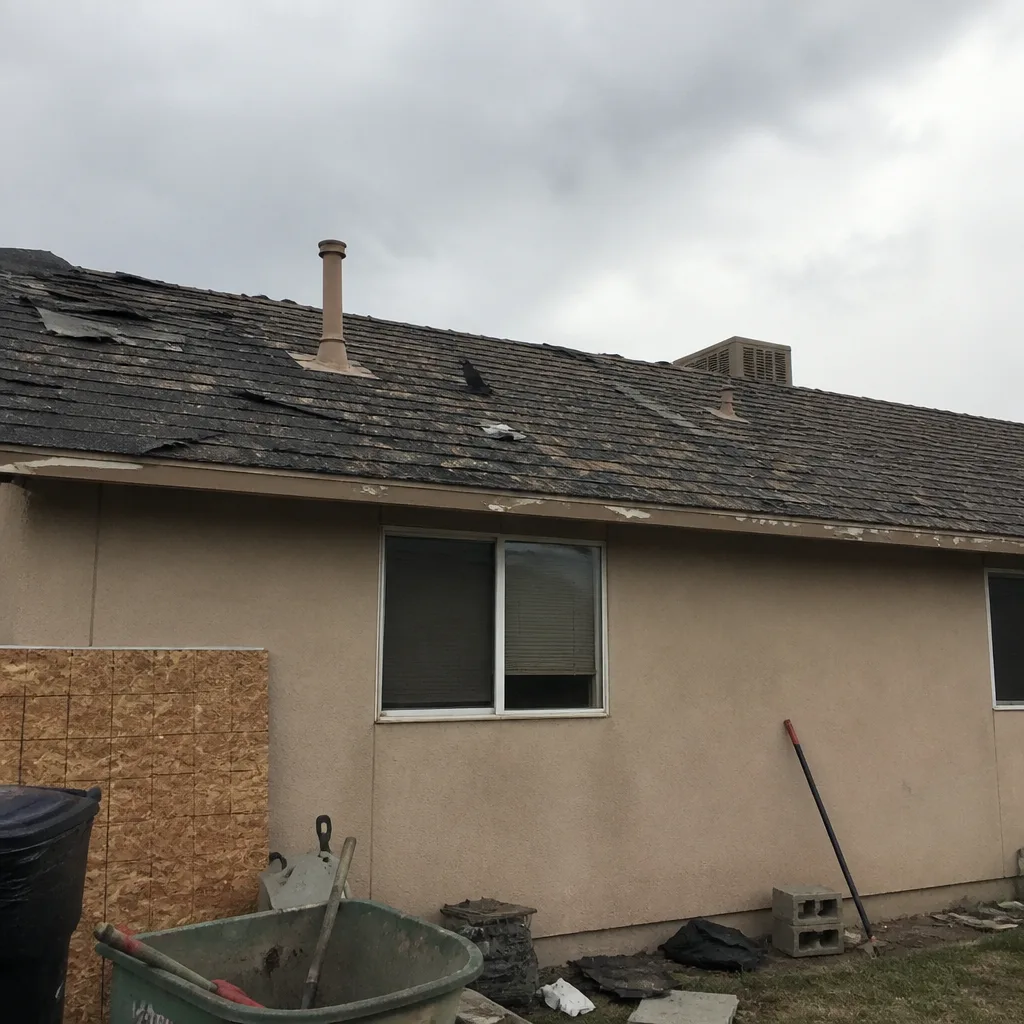 Before
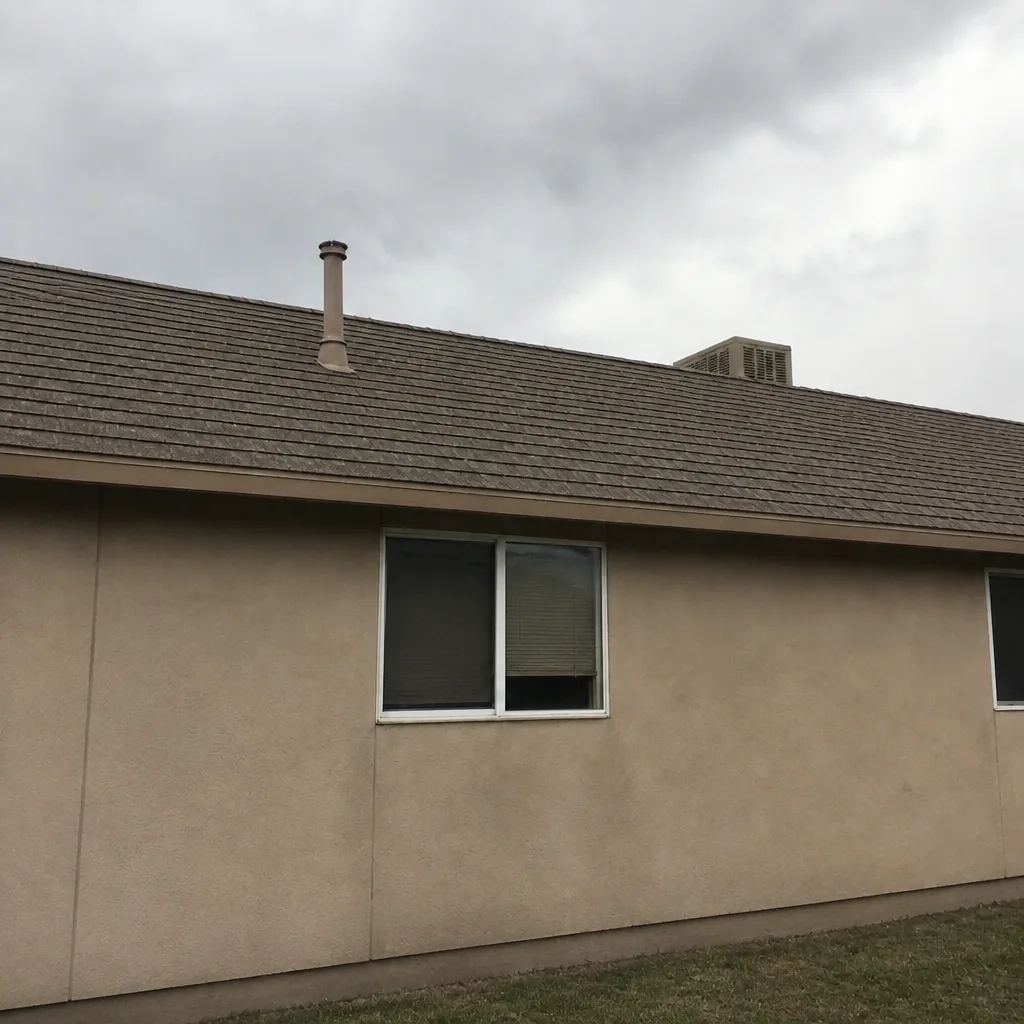 After
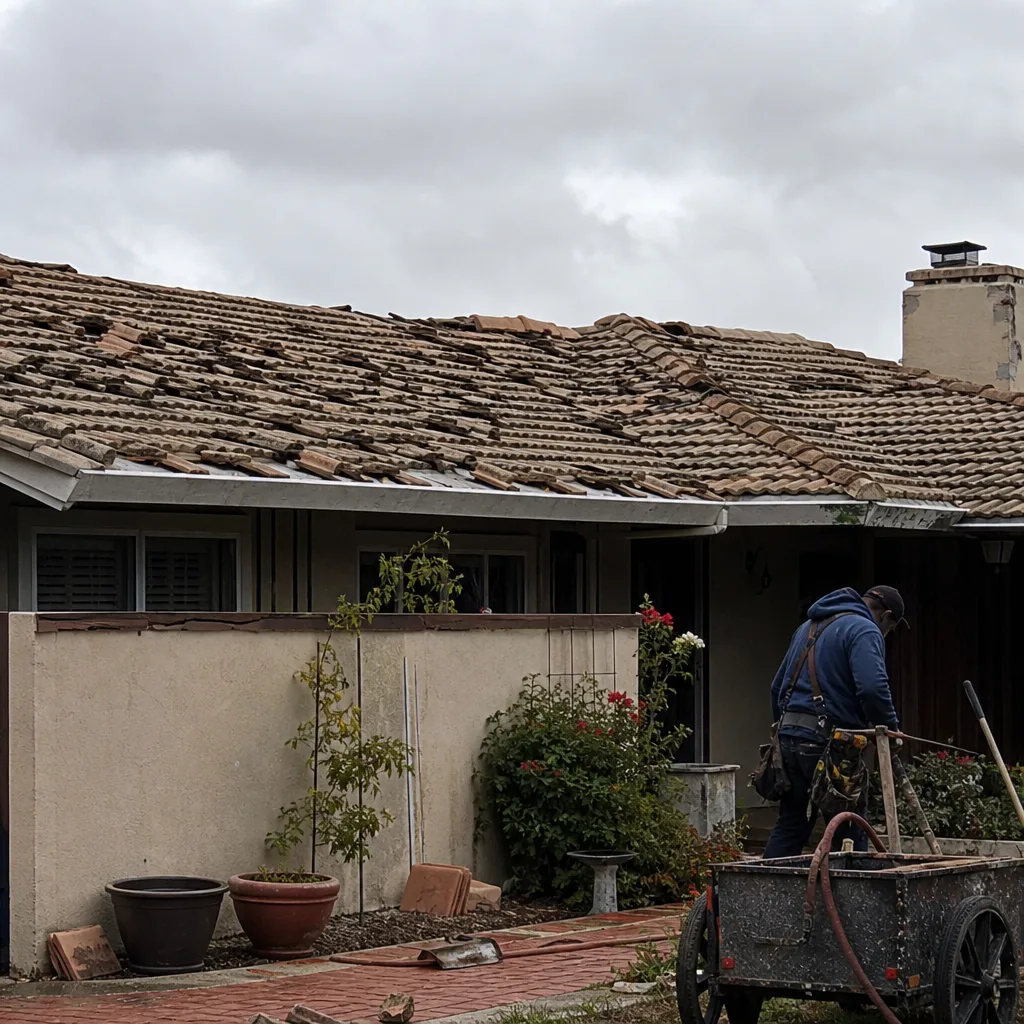 Before
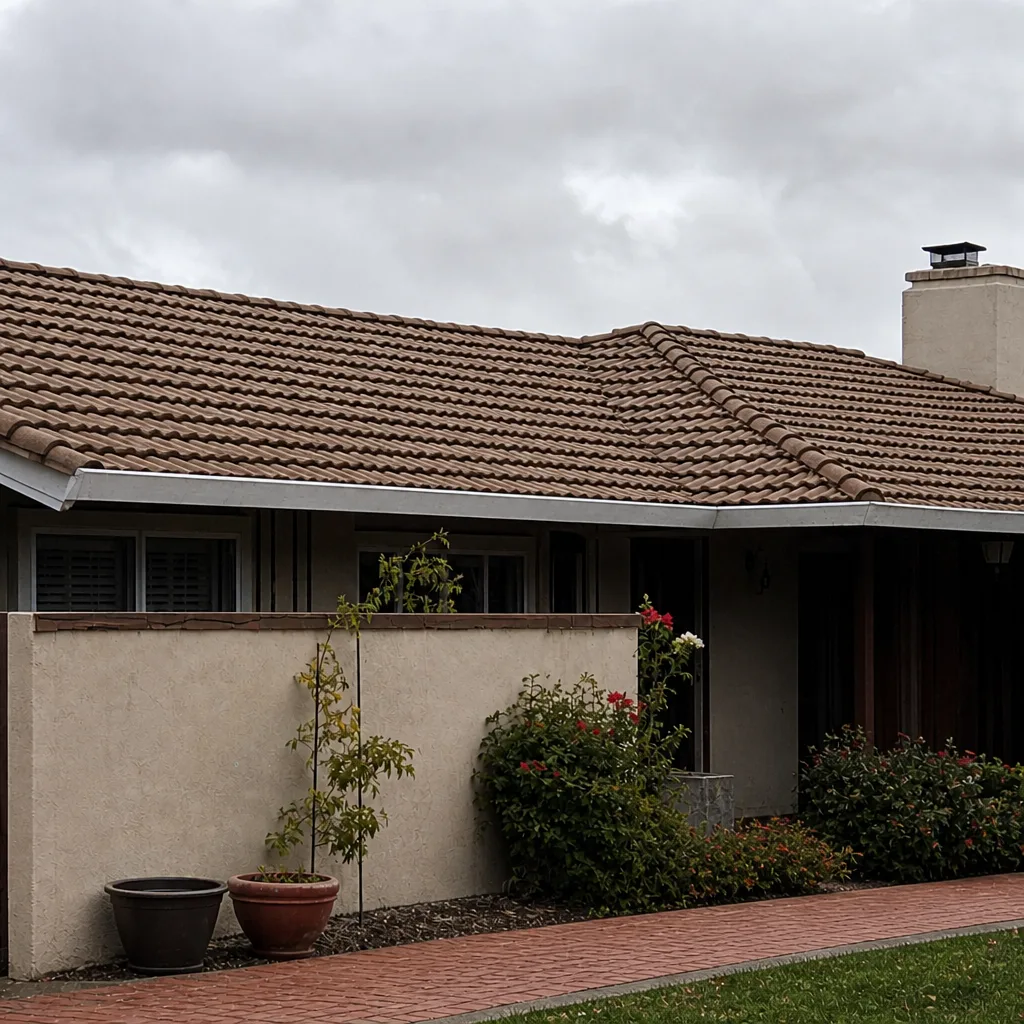 After
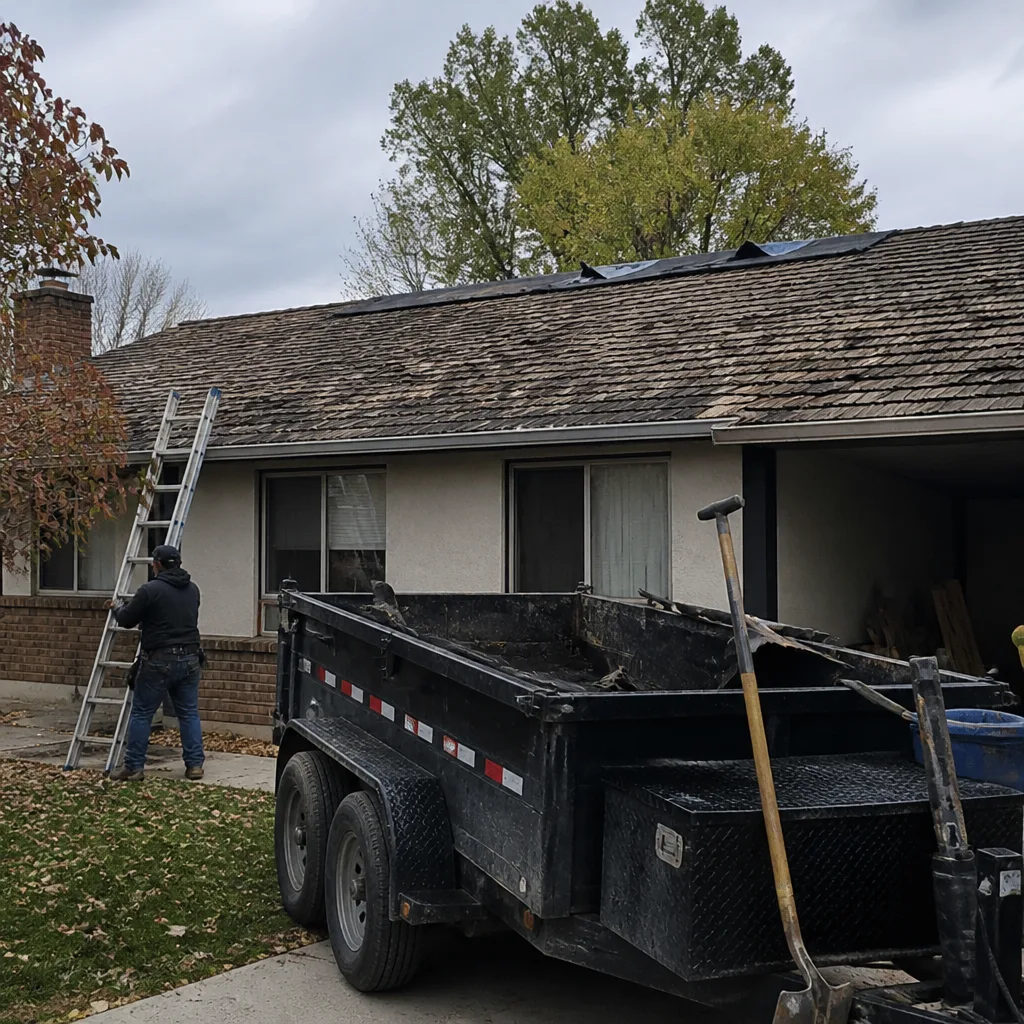 Before
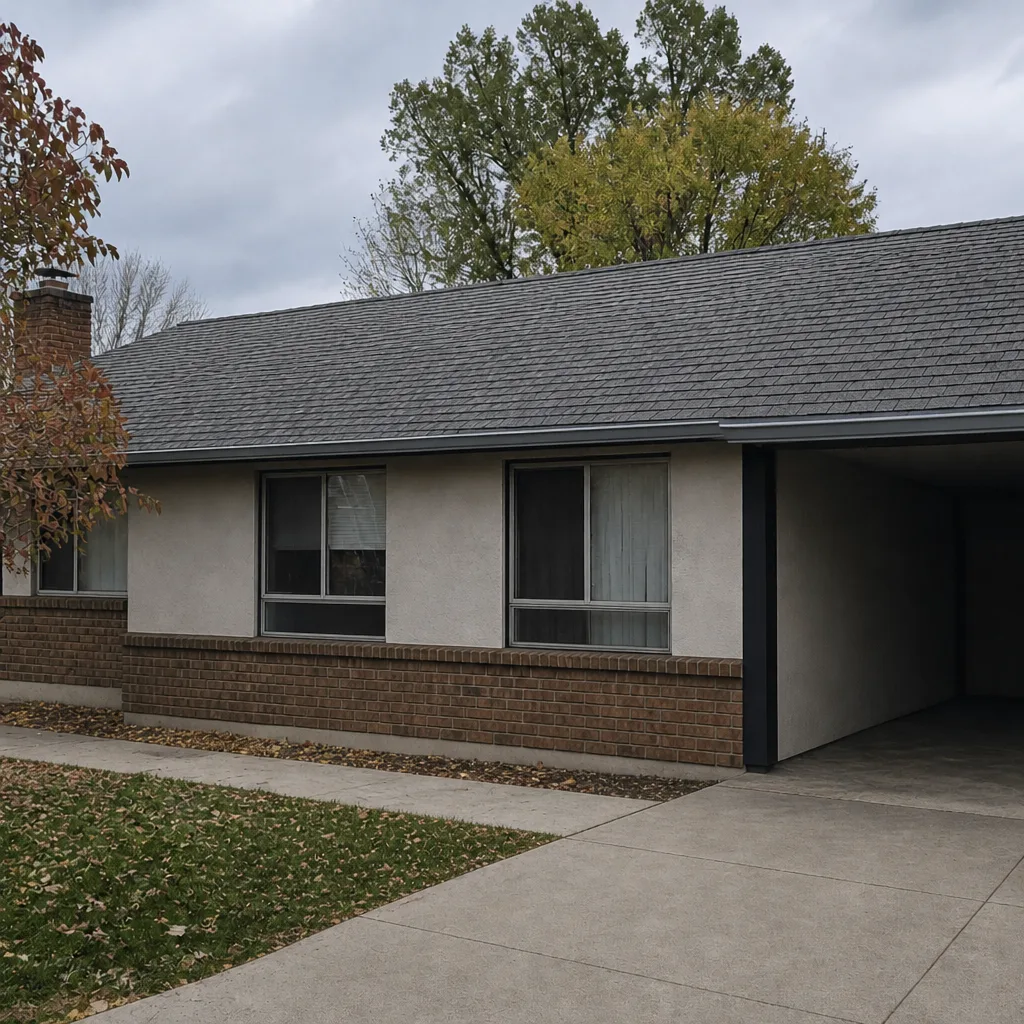 After
When to Call a Professional
Tile roofing isn’t a weekend project, and it’s genuinely dangerous work – high slopes, heavy materials, and brittle tile underfoot. Call a professional when you see cracked or slipped tiles after a windstorm, when a ceiling stain appears under a tile roof (the leak is often uphill of the stain), when the ridge or valleys show daylight, or when your roof is approaching the 20 to 25 year mark on its underlayment and no one has inspected the deck. Also call when you’re planning a replacement – the structural question needs a trained eye before you order anything. Shepherd & Sons Roofing Winchester offers free estimates in Winchester – call (844) 797-8167. A live person picks up, 24/7.
Frequently Asked Questions
Yes, concrete tile is a strong fit for Winchester’s desert climate – it handles the UV and heat well and lasts decades, as long as your framing is verified for the 9 to 12 pounds per square foot load. Clay works too, but it costs more and is more brittle. The structural check is what separates a good tile roof from a bad one. Call (844) 797-8167 for a free estimate and a framing assessment.
Not always, and you need a rafter span check to know. Homes framed for asphalt shingles may not have the capacity, and the fix – sistering rafters or adding a mid-span beam – is common on older Winchester houses. An engineer signs off where the math is tight. Get the inspection before you order tile.
Concrete tile typically runs $1,100 to $1,800 per square installed, and clay runs $1,500 to $2,600. Structural reinforcement and a full tear-off add to that. The only honest number comes from a written line-item quote after the deck is inspected. Call (844) 797-8167 – Estimates are free.
The tile itself can last 40 to 50 years, but the underlayment underneath it typically needs replacing at 20 to 25 years. In Winchester’s heat, the deck temperature under dark tile gets hot enough that the underlayment is the real wear item. A tile roof’s lifespan is really the underlayment’s lifespan.
Many Winchester subdivisions require written architectural approval for color and profile before installation. Pull your CC&Rs, submit the product spec and color sample, and get the approval in writing before ordering. Skipping that step can cost you a return and weeks of delay.
Sometimes, but rarely ideal on an older roof. Tile-over-tile adds dead load and hides the deck, so you can’t spot rot, aging fasteners, or failed underlayment. On a roof 25 or more years into its existing underlayment, a full tear-off is almost always the right call for a Winchester home.
The Bottom Line
Tile roofing in Winchester is a structural commitment first and an aesthetic choice second. Get the rafter span check done before anything is ordered. Concrete tile handles the valley heat better than clay for most homes here, and the underlayment – not the tile – is the layer that actually keeps water out, so don’t shortcut it. Confirm HOA color and profile before you order, and on an older roof, plan for a full tear-off so the deck can be inspected. Do those four things in order and the roof you get will match the roof you paid for. Call (844) 797-8167 for a free estimate and a straight answer on your deck.
When you’re ready to look at a repair or a full swap, our roof repair in Winchester and roof replacement and installation in Winchester pages cover the next steps, and if you’re weighing materials, metal roofing in Winchester is a lighter alternative worth comparing. Start with the Shepherd & Sons Roofing Winchester home page for how we work.
Call (844) 797-8167 to schedule your free estimate. A real person answers, 24/7, and we’ll come out, show you the deck, and put the price in writing before anyone touches your roof.
Written by the team at Shepherd & Sons Roofing Winchester.