
Last updated November 17, 2026
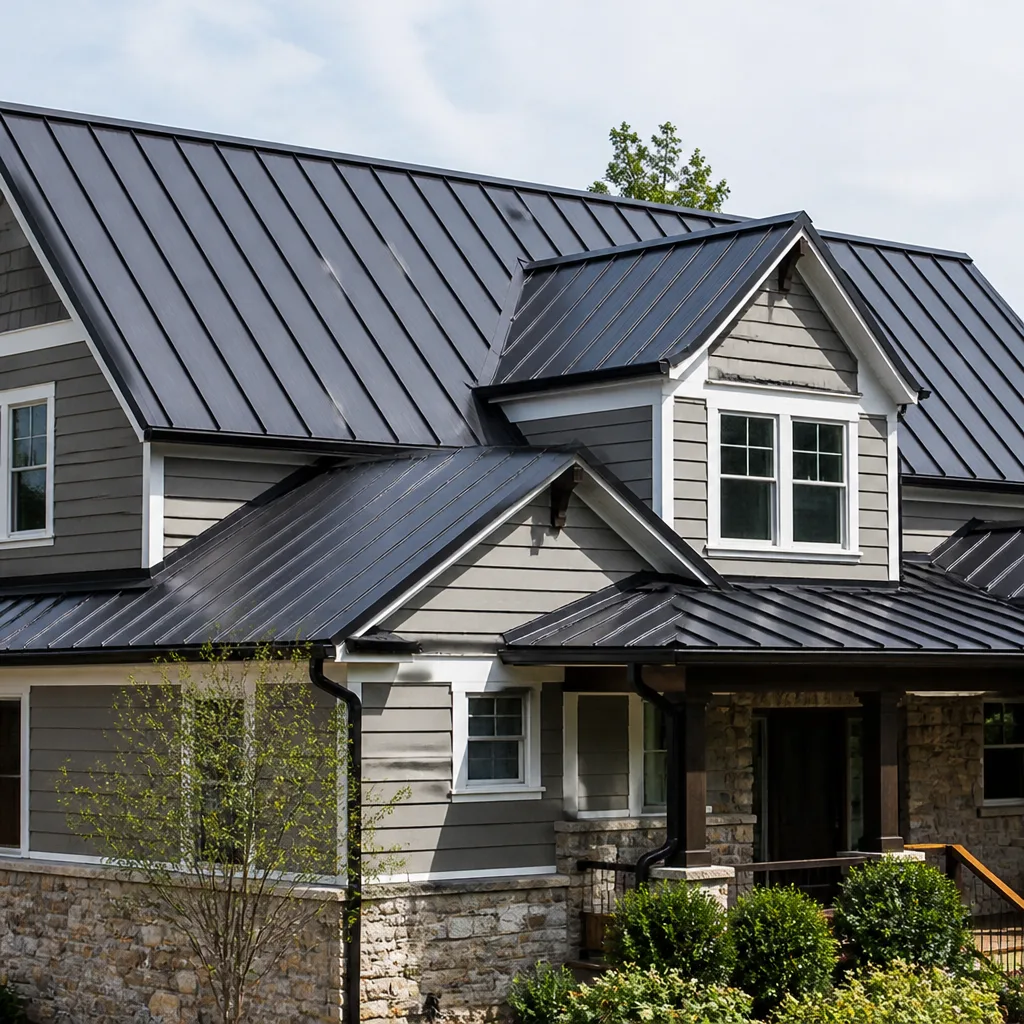 Metal roofing
 Architectural shingles
 Tile roofing
 GAF
 Owens Corning
 Flat & low-slope
Free roof inspection with deck photos before we talk money - GAF and Owens Corning certified installation
Metal Roofing Maintenance Schedule: What to Do and When
The number one killer of a metal roof in the Nevada desert isn’t weather. It’s the homeowner who bought one because they heard “no maintenance” and took that literally for 15 years. We’ve seen it over and over in Winchester: a standing-seam roof that should have lasted another two decades, ruined by a handful of leaves that sat in the same low-slope valley season after season. The “50-year lifespan” number on the brochure comes with an asterisk. It assumes someone actually clears the debris, reseats the fasteners on a schedule, and keeps organic material off the panels. Here’s the real calendar, not the marketing version.
Quick Answer
A metal roof needs a full inspection once a year, ideally in the late fall after summer heat and before winter rain. That inspection covers debris in panel valleys and behind penetrations, sealant at boots and vents, fastener condition, and coating wear. Gutters get cleared twice a year, fastener torque on exposed systems gets checked every three to five years, and any damage gets handled immediately. That’s the schedule. Skip it and you’re paying for it in repairs a decade down the line.
Styles & brands we work with
- Architectural shingles
- Metal roofing
- Tile roofing
- GAF
- Owens Corning
- Flat & low-slope
Table of Contents
- The Annual Post-Summer Inspection
- What You Can Safely Check vs. What Voids the Warranty
- Fastener Torque: When to Walk the Rows
- Paint and Coating Maintenance
- The Pre-Winter Checklist
- Gutter and Valley Clearing
- Desert-Specific Maintenance for Winchester
- Common Mistakes to Avoid
The Annual Post-Summer Inspection
In the Las Vegas Valley, the inspection deadline is late October. Summer is the season that punishes a metal roof: 110-degree days push panels through their expansion cycle hundreds of times, and monsoon wind drives grit and sand into every valley and lap. By the time cooler weather rolls in, you’ve either got a roof that handled it or one that’s showing the wear. An annual inspection in Winchester catches both before winter rain finds the gaps.
What a thorough inspection looks like:
- Panel valleys: Anywhere a valley collects, check for accumulated grit, sand, and leaf debris. On low-slope sections of a metal roof, a single clogged valley can back up water for months before the homeowner notices.
- Thermal expansion: Look at the gaps at the ridge, hip, and end walls. Exposed-fastener panels need room to move; if a panel is pinned tight against a stop, the fasteners take the stress and eventually wallow out the hole.
- Penetration sealant: Every vent boot, pipe collar, and fan curb gets a hands-on check. UV in Winchester destroys standard sealant faster than most homeowners expect. A three-year-old bead can be brittle as chalk.
- Fastener condition: Walk the perimeter and check for backing-out fasteners, missing screws, or neoprene washers that have aged to a hard crack.
- Ridges and hips: Check the closures and ridge cap for lift and loose fasteners. Wind gets under those first.
- Underside (where accessible): If you’ve got a shop or garage with an exposed deck, look for water stains on the framing or insulation. That’s a leak that hasn’t reached the ceiling yet.
What You Can Safely Check vs. What Voids the Warranty
Some maintenance is genuinely DIY-safe. Some isn’t, and it’s not just a matter of skill, it’s a matter of warranty. Manufacturers are specific about it. If a homeowner uses the wrong sealant, over-torques a fastener, or walks a panel system the wrong way and damages it, a manufacturer like GAF or CertainTeed can and will deny a finish or weather-tightness claim on that section.
Here’s the honest split.
- Safe to do yourself: Clearing debris from gutters with a ladder and garden scoop. Visual inspection from the ground with binoculars. Checking for loose debris on the roof surface you can reach with a leaf blower from a safe spot. Keeping tree branches trimmed back from the roof edge. Hosing off bird droppings from the ground with a long wand.
- Not safe, and warranty-sensitive: Walking the roof panels. Applying sealant to penetrations. Torquing or replacing fasteners. Replacing a vent boot. Repairing a lifted panel or ridge cap. Anything that involves the roof surface itself.
The reason walking panels matters: metal roof surfaces are slippery when clean and especially when dusty. And panel profiles are walked in a specific direction, on specific areas, with specific footwear. A homeowner walking a metal panel in tennis shoes can dim the ribs, void a finish warranty, and that’s the best case. The worst case is a fall from a two-story ranch in the Winchester foothills. We don’t recommend it.
When we repair or maintain a metal roof, we document the condition with photos before we touch anything. It’s a small habit, but it protects the homeowner. If a manufacturer later questions the work, the photos are the record.
Fastener Torque: When to Walk the Rows
Exposed-fastener metal roofs need a fastener check every three to five years, and every year if you’re in a high-wind corridor. Standing-seam roofs with hidden clips don’t need a torque check the same way, but the clips and any exposed fasteners at the perimeter do need inspection. If you’ve got an exposed system on a barn, shop, or older home in Winchester, plan on a walk.
Here’s what “walking the rows” actually means:
- Start at the eave and work up one row at a time. Fasteners are where the wind load hits first. Loose ones at the bottom panel edge tell you what the rest of the field is doing.
- Check every screw by hand. A properly set fastener doesn’t spin under a screwdriver with light pressure. If it spins, it’s lost its grip and the hole needs to be addressed, not just tightened.
- Look at the washer, not the head. The neoprene washer is the seal. If it’s cracked, compressed flat, or dried out, the fastener is a future leak whether or not the screw is tight.
- Torque to manufacturer spec. Over-tightening is more common than under-tightening. It compresses the washer past its seal and leaves a divot in the metal that catches water. A torque-limiting driver set to the spec on the panel’s installation manual is the right tool.
- Document and mark. Any fastener you replace on a repair, mark it with a paint pen or take a photo. Next inspection, you’ll know where the trouble spots are.
The nailing pattern earns the wind rating, not the shingle wrapper, and the same rule applies here. The fasteners earn the weather rating, not the panel. If a roof is failing prematurely in Winchester, it’s almost always a fastener problem before it’s ever a panel problem.
Paint and Coating Maintenance
Faded paint on a metal roof is usually cosmetic. Faded paint on a metal roof where the primer is showing through is a corrosion problem in progress. That’s the split, and it’s not always easy to see from the ground.
The finish systems we work with most, PVDF (that’s the Kynar 500 family) and SMP, hold up well in high-UV climates, but they don’t last forever. PVDF colors tend to chalk and lose gloss after 15 to 25 years in the desert sun before the primer layer is compromised. SMP finishes fade faster but hold color more evenly. Both are vulnerable at cut edges, scratches from installation, and anywhere the finish has been damaged by a fallen branch or a bad ladder placement.
Three signs the coating is past cosmetic:
- Rust at cut edges: The cut edges of a panel and around fastener heads are where corrosion starts. If you see rust blooming out from those spots, the finish has been breached and the base metal is exposed.
- Chalky residue that won’t wash off: Chalking is normal for the first decade, but if the roof still leaves white streaks on your car after repeated washings, the finish is degrading past its protective layer.
- Color variation between panels: Uneven fading across adjacent panels means one got a different finish batch or one section is taking more UV. Either way, it’s a sign the finish is on its way out.
When repair makes sense, a properly prepped recoating system with the manufacturer’s recommended primer and topcoat can add a decade. When it doesn’t, a partial or full replacement is the better call, and stacking new coating on a compromised panel is a shortcut we won’t take on a Shepherd & Sons job. Our Metal Roofing in Winchester page covers the finish options in detail if you’re weighing coatings.
The Pre-Winter Checklist
Winchester winters are mild, so a lot of homeowners figure there’s nothing to do. There is. The freeze-thaw cycle in Clark County is short but real. Overnight lows in the 20s followed by 60-degree afternoons will find any improperly sealed lap, penetration, or fastener and open it up over a few seasons. Ask anyone on your street whose roof leaked in January but not in August; that’s freeze-thaw.
Between October and December, handle these:
- Clear every gutter and downspout. This is the single item that causes the most winter water damage in Winchester. A clogged gutter sends water up under the eave, where the fascia and sheathing soak it before anyone notices.
- Re-seal penetrations and laps. Any sealant that looks cracked or chalky gets replaced before the first freeze. Standard sealant applied in 80-degree weather sets up fine; applied in 50-degree weather, it may not cure properly. Do this one in October.
- Check ridge caps and closures. These are the panels that lift first in wind, and the ones that leak first in ice.
- Clear any low-slope areas. Debris that sat all summer has to go now, before winter rain turns it into a dam.
- Trim tree branches. Pine sap, palm fronds, and eucalyptus bark are three of the worst things that hit a metal roof in Winchester. Six feet of clearance is the minimum for overhanging branches.
If you’ve had any small leak during a summer storm, this is the season to get it looked at. Small gaps close up in cool weather and reopen when the panels move again. Every roofer in Winchester has a story about finding a leak in April that had been active since October.
Gutter and Valley Clearing
Gutters need clearing twice a year in Winchester, in late spring after the pollen drops and in late fall after the last big leaf dump. Valleys (the low-slope areas that collect water and debris) need it even more often if there’s any tree coverage. On a metal roof with a low-slope section or a valley behind a chimney or dormer, plan on a third check mid-summer. That’s the one homeowners skip.
The debris that sits in a valley does two things. It traps moisture against the metal, which accelerates corrosion at the cut edges and seams. And in a desert environment, it becomes a sponge full of grit and organic matter that holds water long after the rain stops, which is exactly the wrong condition for any panel that’s supposed to dry out fast. A palm frond sitting in a valley for six months will eventually show you where the finish fails. A pile of mesquite leaves will do the same thing faster.
If you’re not comfortable on a ladder at two stories, this is the task to call someone for. It’s not worth a fall. Our Roof Repair in Winchester page covers the repair work we do most often around gutters and valleys, because clearing them before they fail is cheaper than fixing them after.
Desert-Specific Maintenance for Winchester
Desert conditions are hard on metal roofs in ways that aren’t obvious from a coastal or mountain climate guide. Three things matter more in Winchester than they do elsewhere:
Dust and grit in panel seams. Vegas Valley wind carries fine dust into every lap and seam. That dust holds moisture, and in the wrong spot it becomes a mud line that sits against the panel edge. A panel that dries out in 30 minutes on a clean roof may hold water for hours on a dusty one. Annual cleaning of the panel field (not the surface, just the seams and valleys) is part of the schedule here.
UV and sealant life. Our solar intensity eats standard sealant faster than any other climate we work in. Plan on a three-year sealant life at penetrations, sometimes less on south and west-facing slopes. That’s the schedule here, not the five to seven years you’d see in a milder climate.
Monsoon and wind cycles. The summer monsoon is our test of a metal roof. Wind-driven rain will find any loose ridge cap, any missing fastener washer, any gap in the panel closure. The yearly inspection catches those before the storm does. We see wind-driven water intrusion on metal roofs in Winchester every August, and almost all of it was preventable with an annual check.
Because the desert environment shortens the maintenance cycle, plan on the full inspection annually here, not every other year. That’s the counterpart to the “50-year roof” claim, and it’s the piece most installers don’t mention. Our Roof Replacement & Installation in Winchester page walks through what the maintenance schedule looks like on a new install, so you know what you’re signing up for before the panels go on.
Common Mistakes to Avoid
- Treating “no maintenance” as “no inspection.” A metal roof is low-maintenance. It is not zero-maintenance. Skipping the annual check is the fastest way to turn a 40-year roof into a 20-year one.
- Using the wrong sealant. Silicone or a general-purpose caulk on a metal roof penetration is a temporary fix at best. The right sealant for the panel’s finish system is what the manufacturer specifies. Get it wrong and you’ll be back out there in two seasons.
- Over-tightening fasteners. We see this on DIY maintenance jobs constantly. A tight screw with a crushed washer leaks sooner than a screw that was left alone. Torque spec matters.
- Walking the panels in the wrong footwear. Any metal surface in Winchester summer heat is a slip hazard and a finish hazard. If you’re going to be on it, the right shoes and the right walk pattern are non-negotiable.
- Ignoring the low-slope areas. The “50-year” number assumes debris is being cleared. On any low-slope section of a Winchester roof, debris is the number one cause of premature failure, not weather.
- Letting a tree grow over the roof. Branches that scrape a metal panel in the wind will eventually wear the finish off the panel. Trim back.
- Painting over a compromised finish. If the base metal is exposed and rusting, a single coat of paint doesn’t fix the corrosion. It hides it. Get the finish evaluated before pricing a recoat.
See the difference
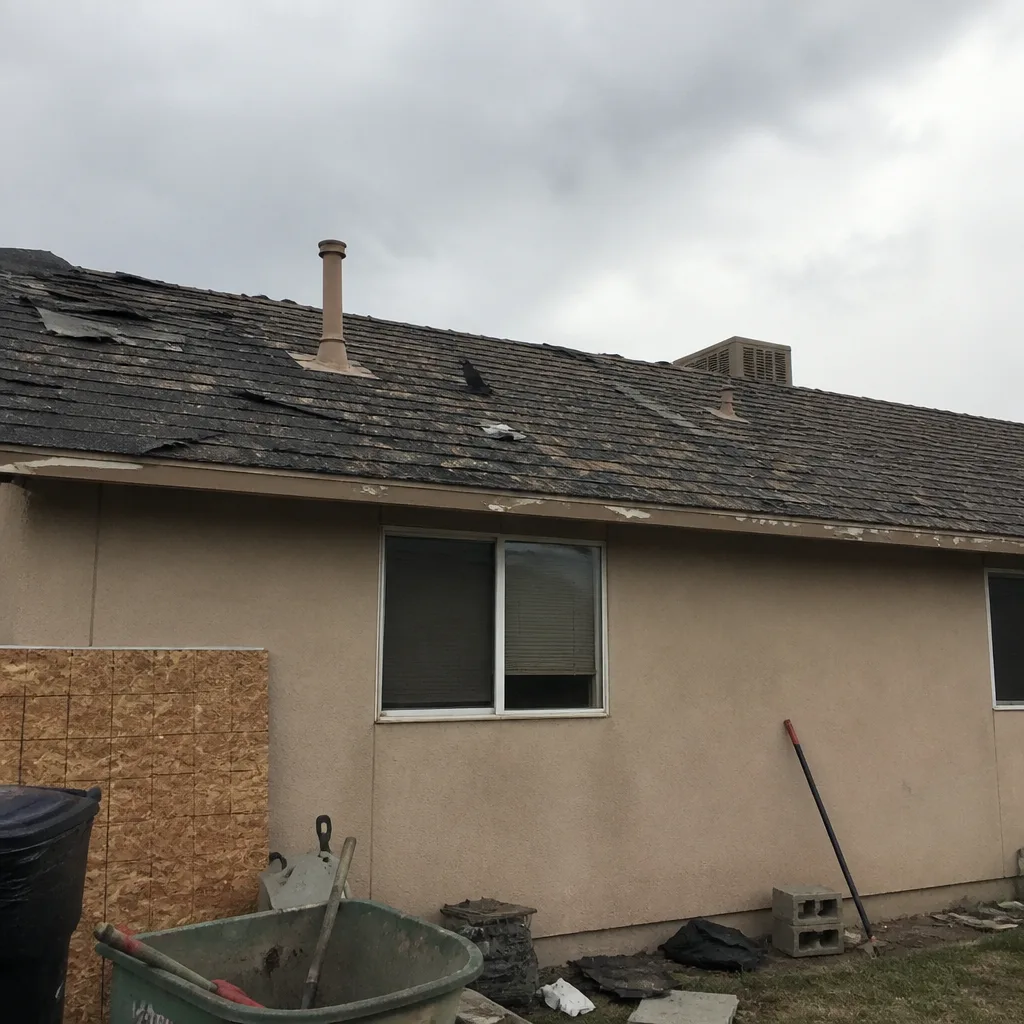 Before
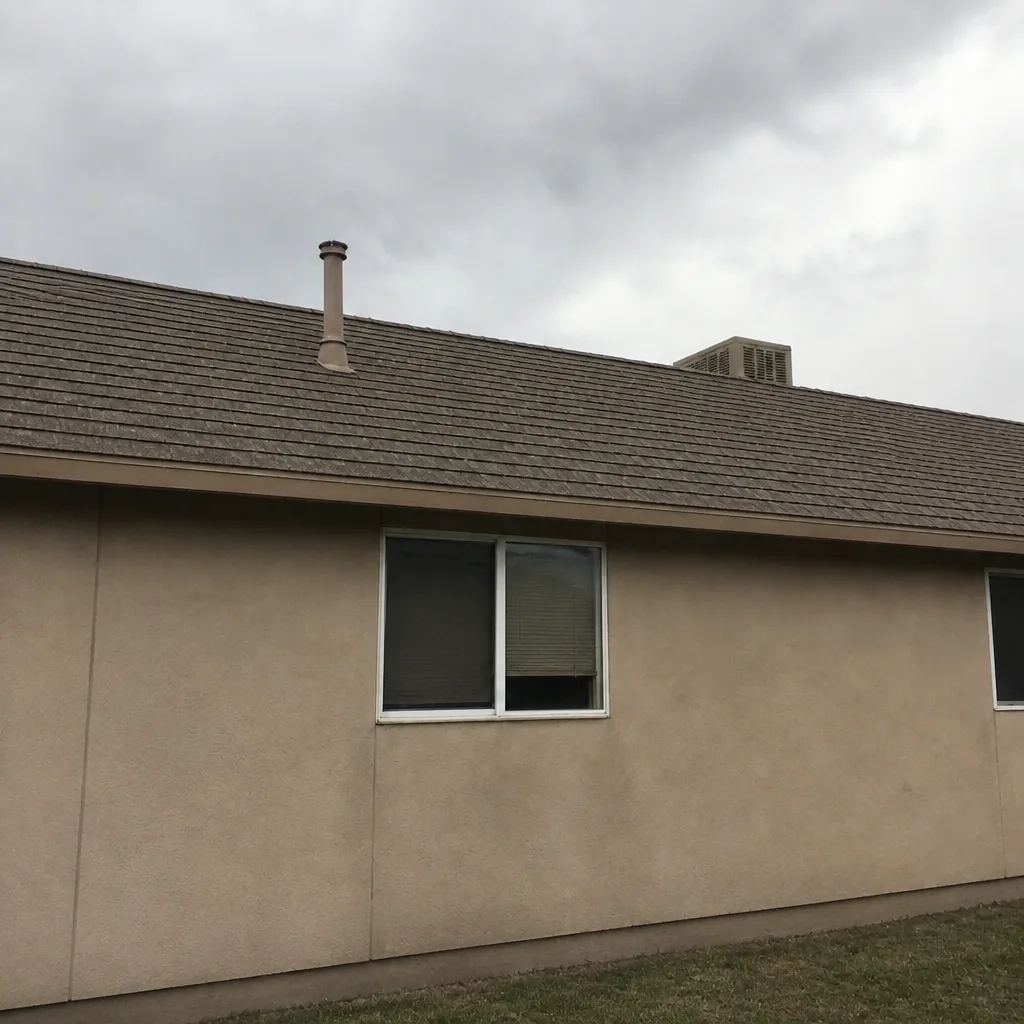 After
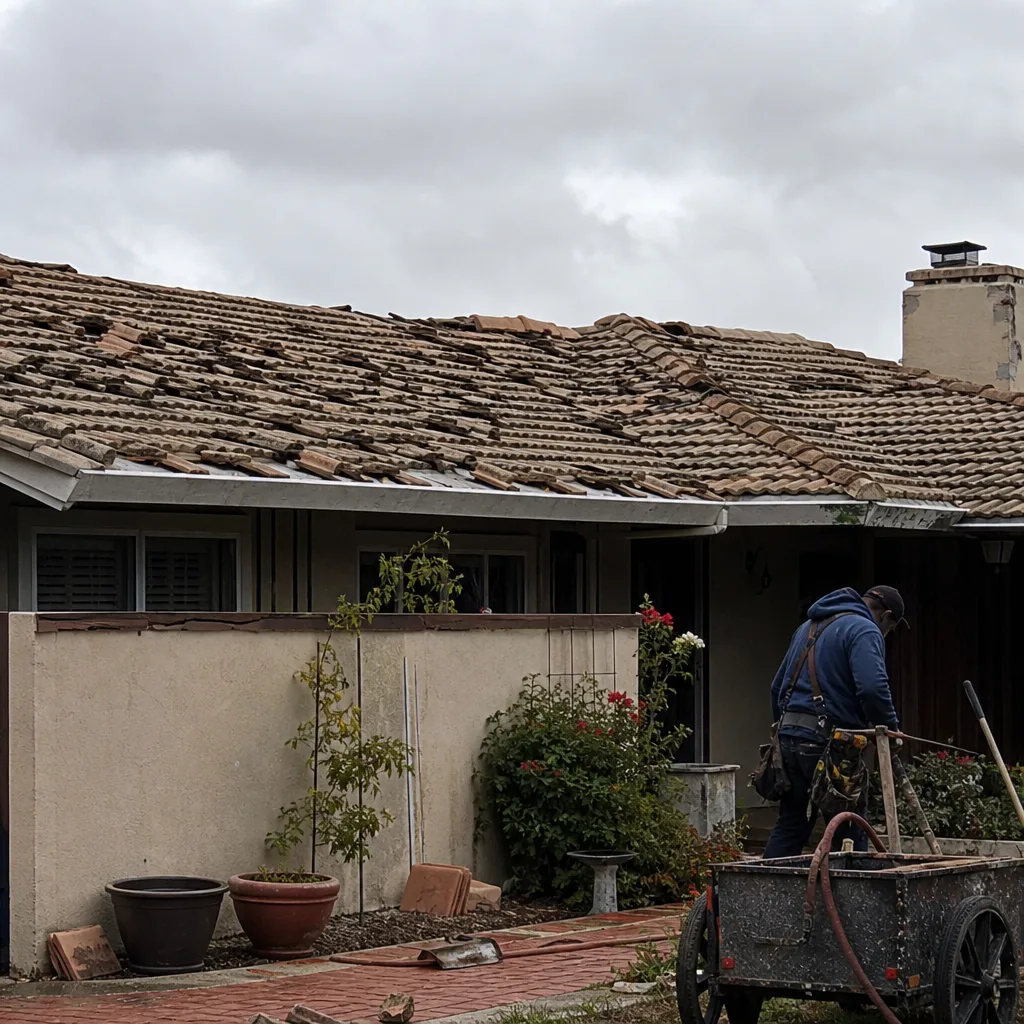 Before
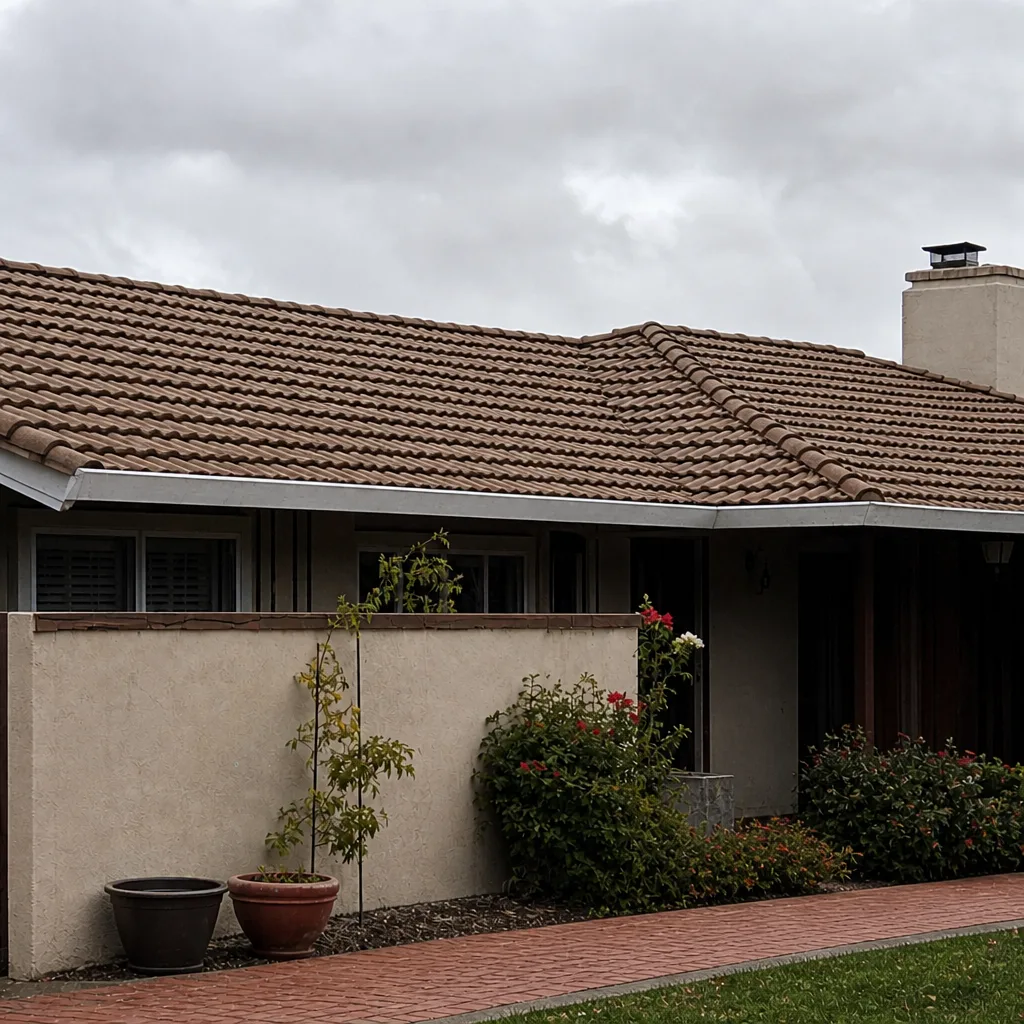 After
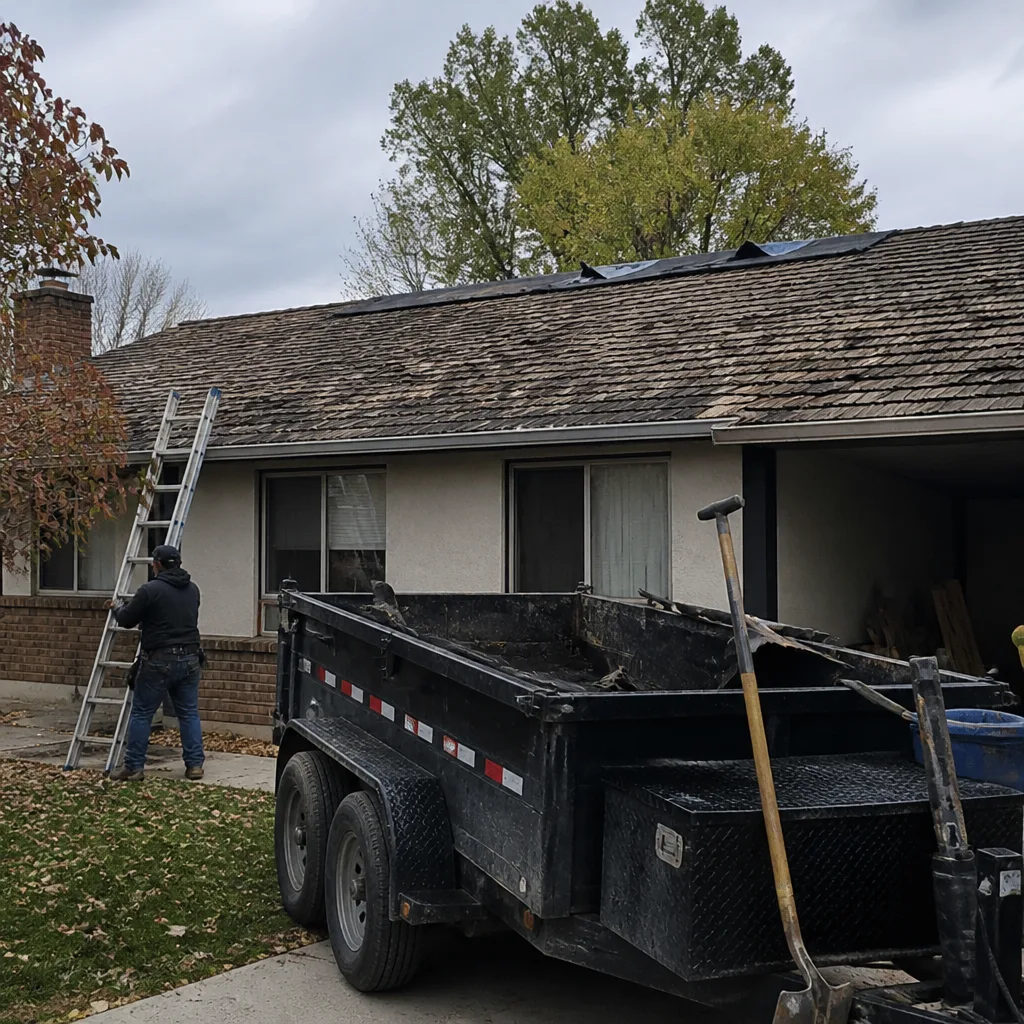 Before
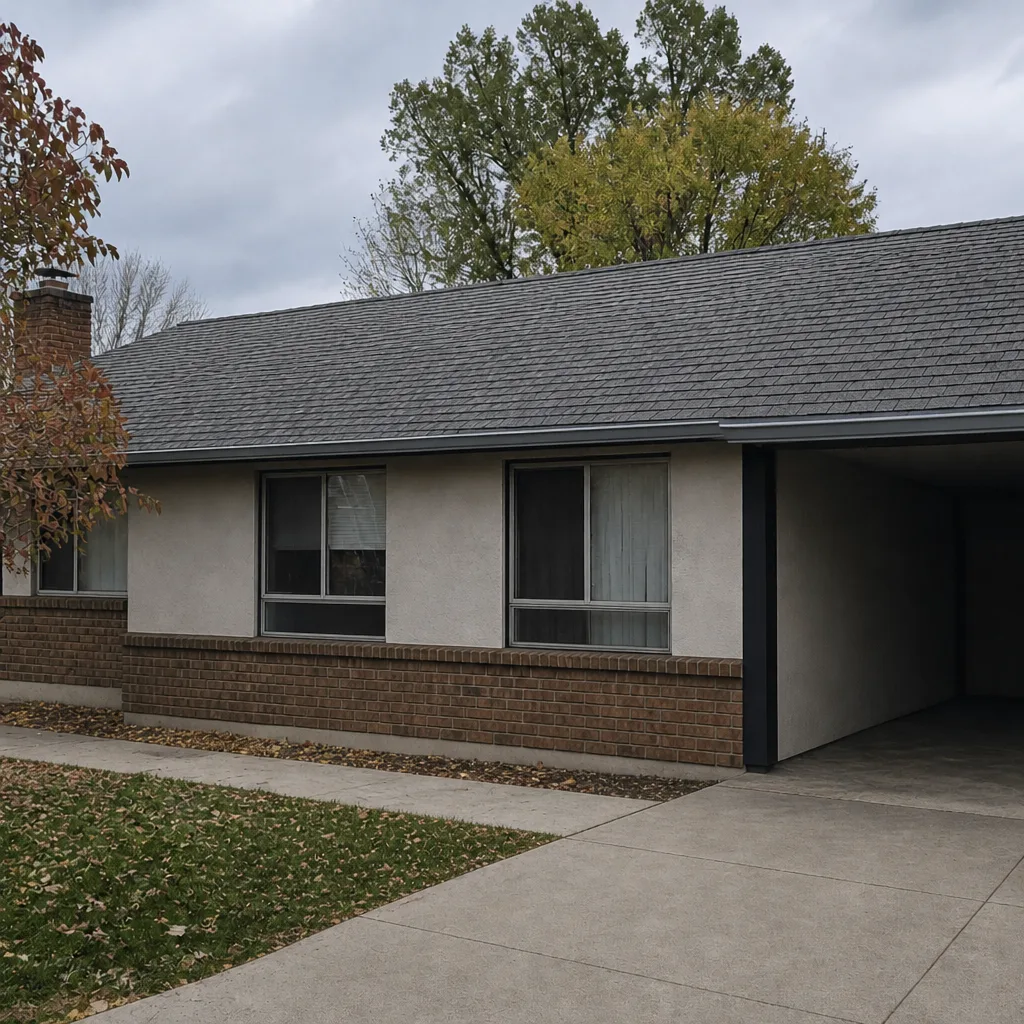 After
When to Call a Professional
Call a pro (not a handyman) when the work involves the roof surface itself. That means walking panels, applying or replacing sealant, torquing or replacing fasteners, replacing vent boots or ridge caps, repairing lifted or damaged panels, evaluating a finish that’s showing rust, or chasing a leak you can’t locate from the ground. Also call if the roof is two stories or steeper than a 6/12 pitch, if you’re over 60 and not comfortable on a ladder, or if you’re not sure whether the last person up there did the job right.
A metal roof is a long-term asset, and the maintenance schedule is small. What it isn’t is optional. Shepherd & Sons Roofing Winchester offers free estimates in Winchester, and we’ll give you a second opinion on any written estimate you’ve already got. Call (844) 797-8167 to schedule a look. We come out, we show you the photos, and we tell you what the roof actually needs, not what makes the best invoice.
Frequently Asked Questions
Annually for the full inspection, twice a year for gutters, and every three to five years for a fastener torque check on exposed-fastener systems. In Winchester, plan on the annual inspection yearly rather than every other year, because of the UV exposure and dust. Standing-seam roofs with hidden fasteners still need the annual inspection; they just don’t need the torque check as often.
No, not on a finished metal roof. A pressure washer will strip the finish, force water behind the panels, and damage the sealant at the penetrations. Gentle rinsing from the ground with a garden hose and a long wand is fine. Anything more aggressive should be done by a pro who knows what the finish can handle. Call (844) 797-8167 for a free estimate if the roof needs more than a rinse.
A well-maintained standing-seam roof with a PVDF finish will get 40 to 50-plus years in Winchester. Exposed-fastener panels run 25 to 40 years with maintenance, less without. The big variables are finish system, fastener condition, and whether the low-slope areas actually get cleared. The “50-year roof” exists, it just requires the maintenance schedule that goes with it.
Replacing the panels doesn’t void a warranty on a metal roof, but the wrong maintenance does. Walking the panels in the wrong footwear, using unapproved sealants, over-torquing fasteners, or stacking a coating on top of a compromised panel finish can each trigger a warranty denial on the section of roof involved. When in doubt, have the work documented with photos. Call (844) 797-8167 for a free estimate if the finish is in question.
Yes. Late May or early June, clear every gutter and valley, check every ridge cap and closure, and verify that the sealant at all penetrations is intact. Monsoon season in Winchester starts in July, and most wind-driven leaks we see every August were preventable with that pre-season check. The annual inspection in the fall catches what monsoon exposed.
Cosmetic fading is gloss loss and color change while the primer is still intact. Corrosion is rust at cut edges, at fastener heads, or along panel seams, and it means the base metal is exposed. Cosmetic fading can often wait. Corrosion needs attention now, because it spreads under the finish. Get an evaluation before it gets worse. Call (844) 797-8167 for a free estimate. And if you’ve got a written estimate from another roofer, we’ll give you a free second opinion.
The Bottom Line
Metal roofing in Winchester is genuinely low-maintenance, but “low” isn’t “none.” The schedule that earns the 50-year lifespan is this: full inspection once a year in the fall, gutters cleared twice a year, sealant checked at every penetration every three years because of UV, fastener torque checked every three to five years on exposed systems, and any rust at a cut edge or fastener head evaluated right away rather than painted over. The finish system you choose (GAF and CertainTeed both make PVDF products we install on Winchester roofs) sets the starting point, and the maintenance schedule sets how long it lasts. If you’ve never had the roof looked at, or the last inspection was years ago, Shepherd & Sons Roofing Winchester home is a good place to start. Give us a call at (844) 797-8167 to schedule a free estimate. We’ll show you the photos and tell you the truth.
Written by the team at Shepherd & Sons Roofing Winchester.