
Last updated November 17, 2026
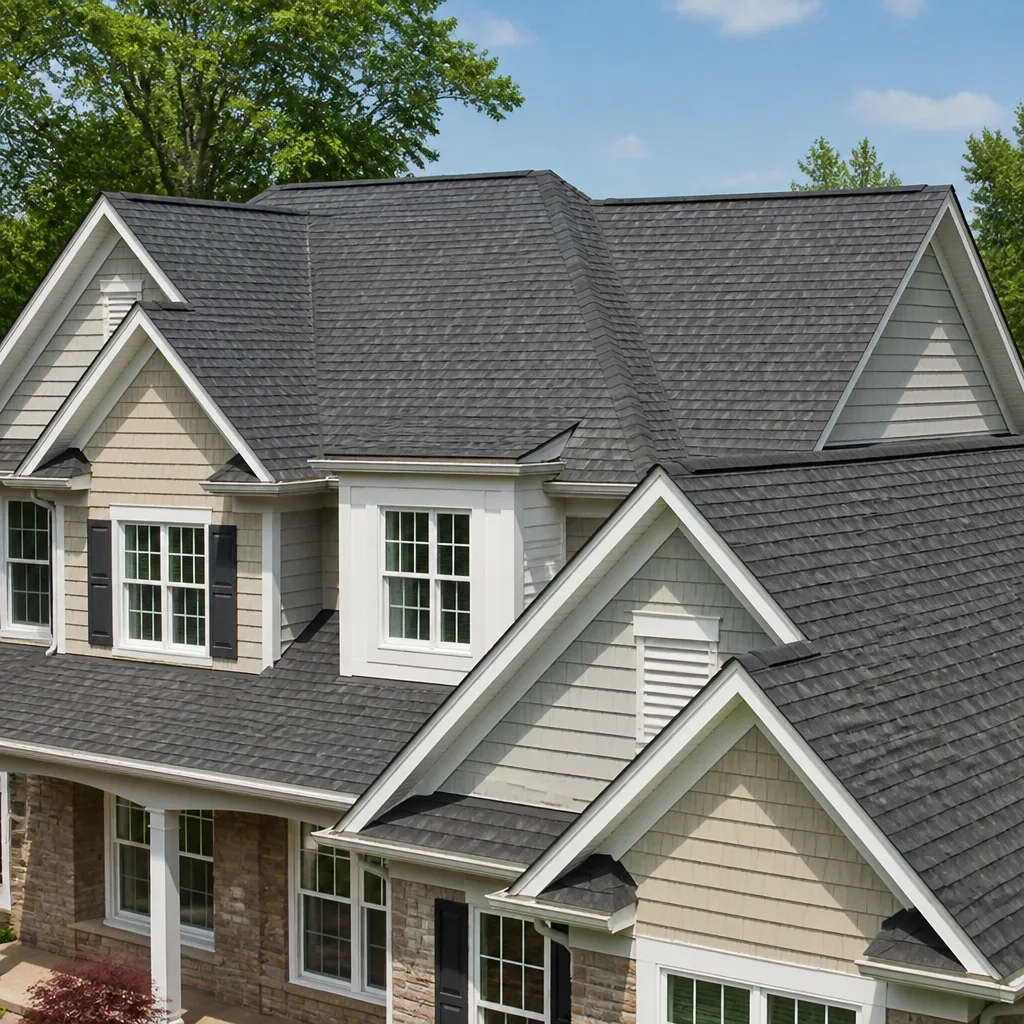 Architectural shingles
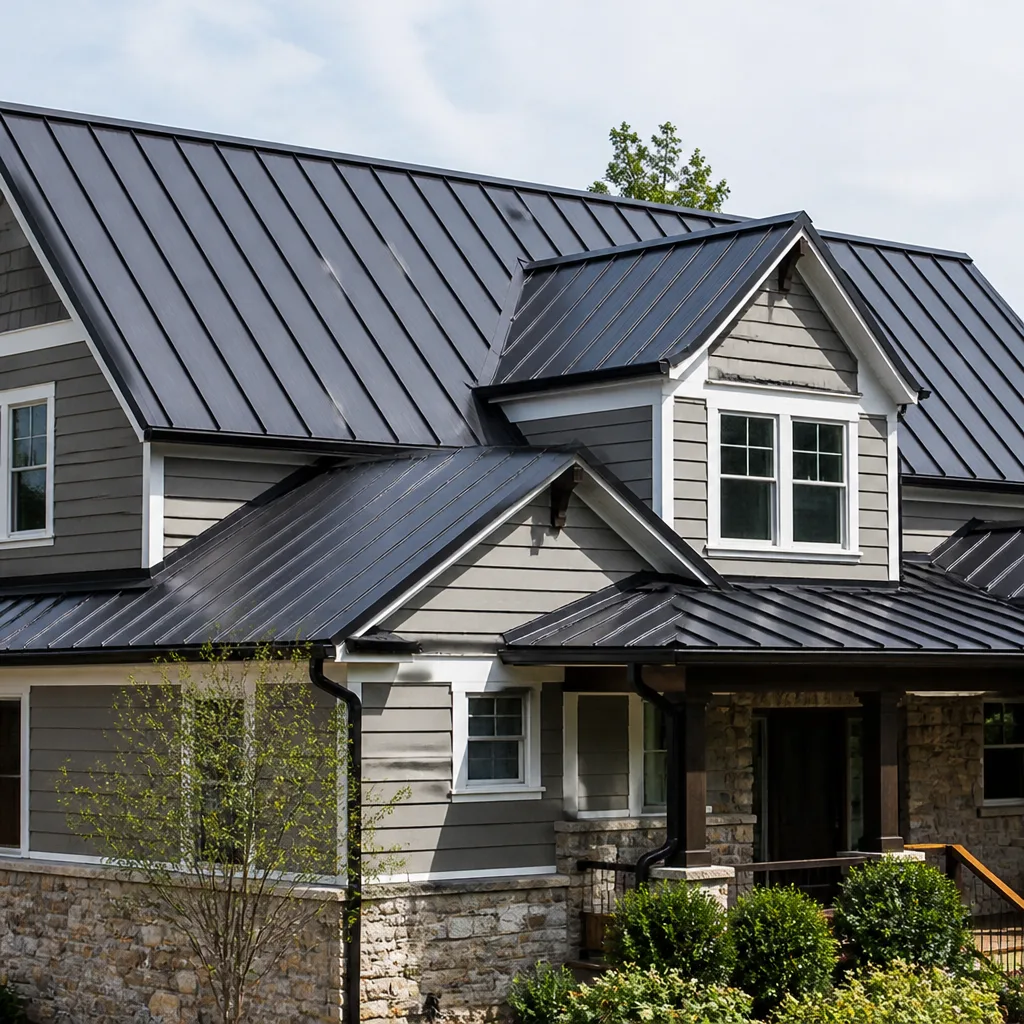 Metal roofing
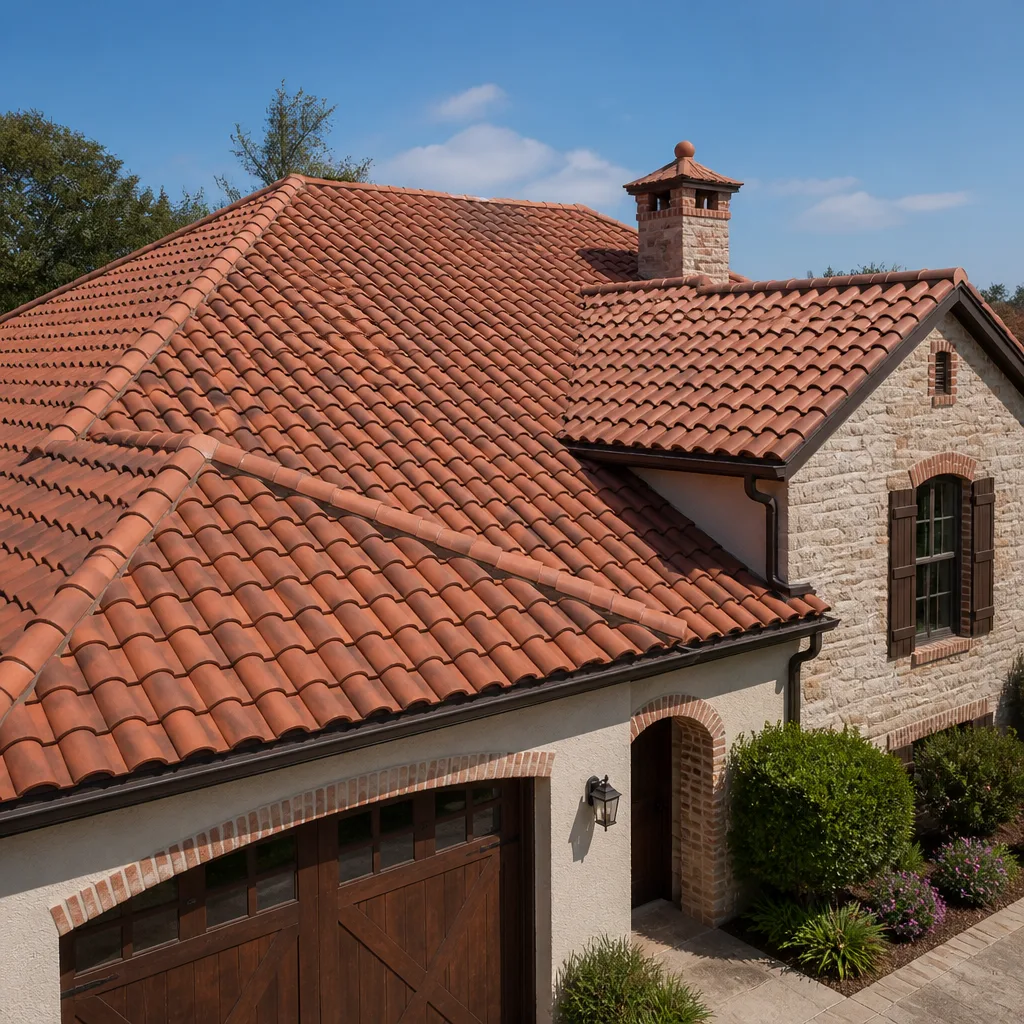 Tile roofing
 GAF
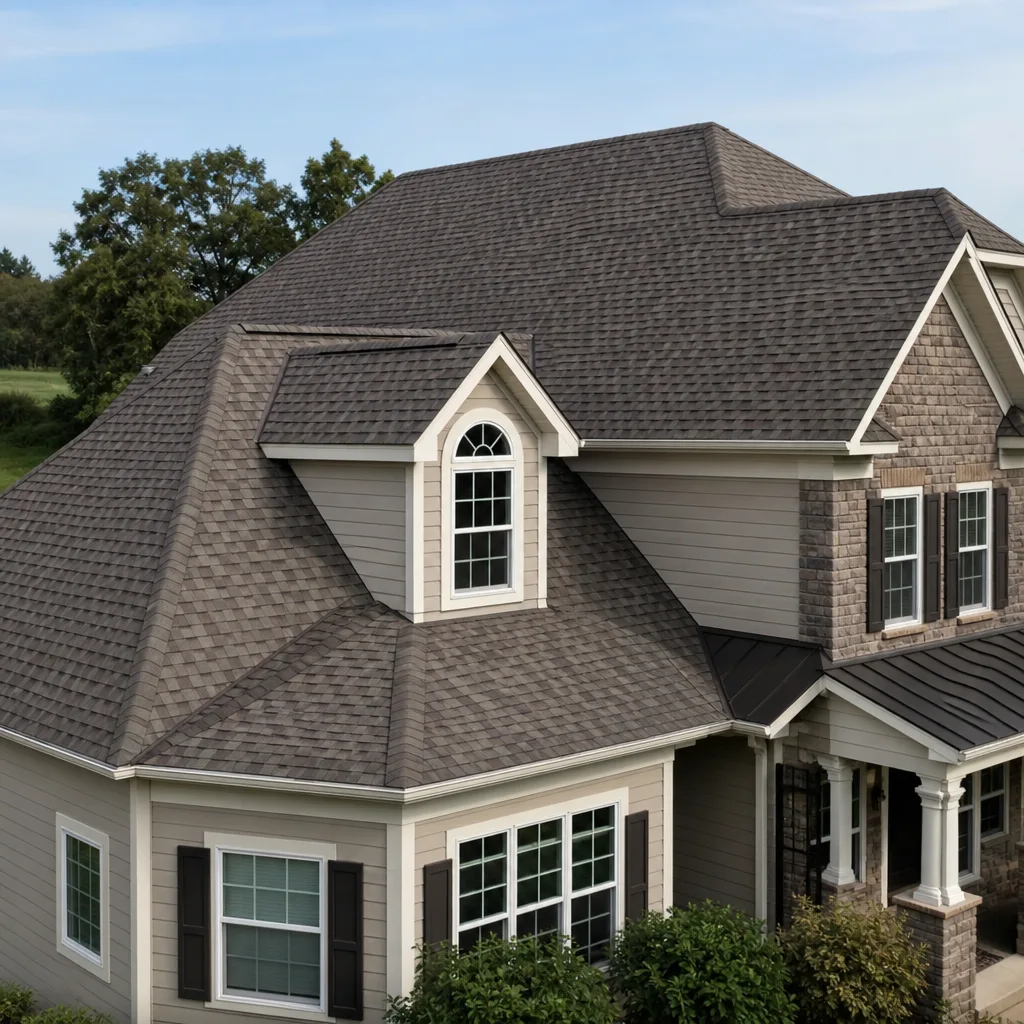 Owens Corning
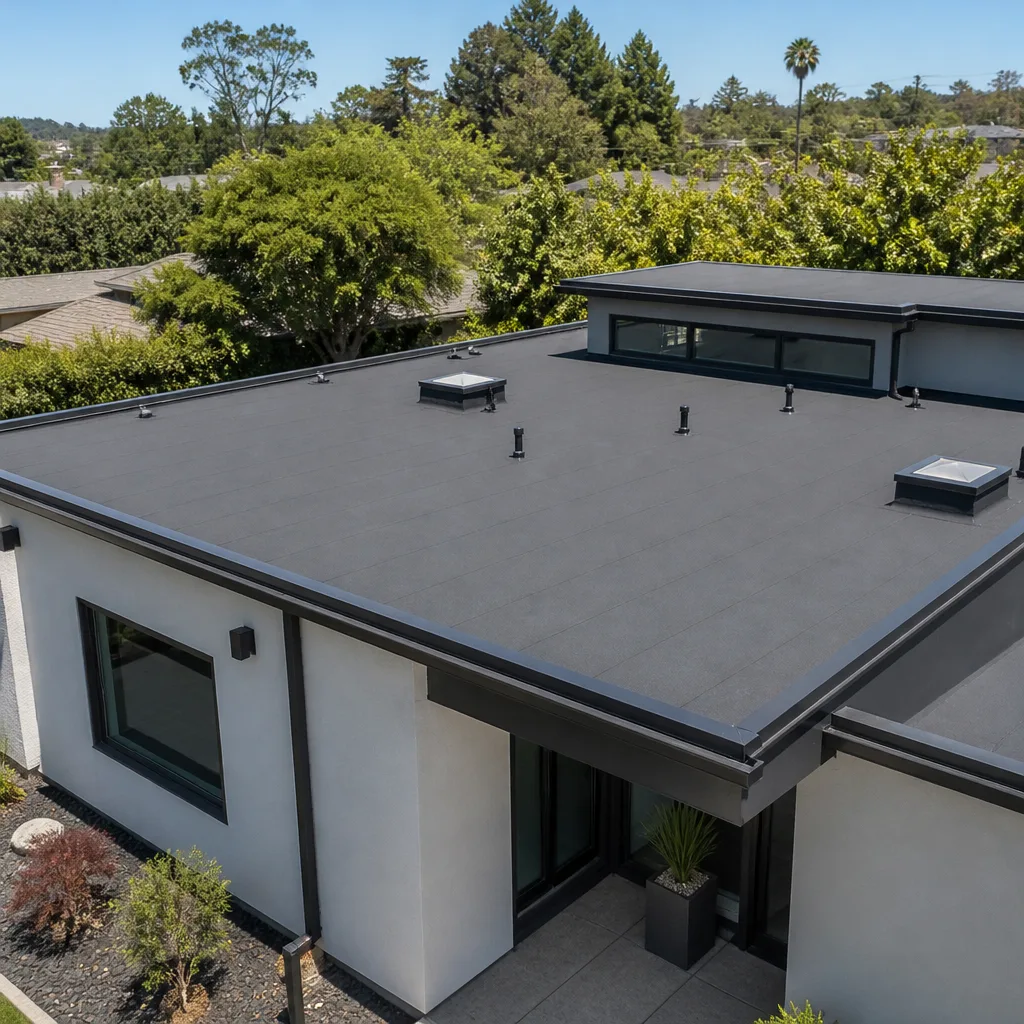 Flat & low-slope
Free roof inspection with deck photos before we talk money - GAF and Owens Corning certified installation
DIY vs Professional Roof Replacement & Installation: What’s Safe to Do Yourself
Here’s the part the YouTube tutorial leaves out. A homeowner with a nail gun and a free weekend can physically fasten shingles to a deck. Whether that roof passes inspection, whether the shingle maker will honor the warranty in year six, and whether your insurance company will pay a claim after a windstorm – those are the questions that actually decide whether DIY was a bargain or a mistake. We’ve watched this play out across Winchester more times than we’d like. What follows is an honest breakdown of what you can safely handle yourself, what you can’t, and what the real math looks like once permits, equipment, and risk enter the picture.
Quick Answer
For a licensed contractor, a full roof replacement is the only safe path: Nevada licensing law, manufacturer warranties, and homeowner insurance coverage all assume the work is done by a licensed professional. A prepared homeowner can safely handle staging materials, cleanup, and light tear-off on a low-slope section – but not the actual installation, and not permits. The do-it-yourself route rarely saves what people think, and it can cost them their coverage.
Styles & brands we work with
- Architectural shingles
- Metal roofing
- Tile roofing
- GAF
- Owens Corning
- Flat & low-slope
Table of Contents
- What Nevada Law Actually Says About DIY Roofing
- The Three Warranties a DIY Roof Can Void
- The Honest Cost Math: What DIY Really Saves
- What’s Genuinely Safe to Do Yourself
- What’s Not Safe – and Why It Matters in Winchester
- How to Vet Any Professional Installer
- Winchester-Specific Considerations
- Insurance, Title, and the Paper Trail
What Nevada Law Actually Says About DIY Roofing
Nevada requires a state contractor’s license for roofing work over a certain dollar threshold – the cutoff where a homeowner building or improving their own primary residence can act as their own “owner-builder.” That exception exists, but it comes with real strings. The owner-builder exemption typically requires the person to occupy the home, to do the work themselves (not hire unlicensed helpers), and to understand that the usual protections a licensed contractor provides – workers’ comp, general liability, and a state board to complain to – don’t apply.
Here’s where Winchester homeowners get caught. The exemption is often read loosely by people on the internet. It is not loose. If you hire friends, hire “a guy,” or pay a helper in cash on a DIY job, you may have just become an unlicensed contractor in the eyes of the state, and the workers on your roof have no coverage if they fall. That’s a workers’ comp exposure landing on your homeowner policy.
Selling the home later adds another wrinkle. A roof replacement without a permit is a disclosure item on the seller’s statement. Some buyers walk. Some lenders require the roof to be certified. And Clark County inspectors, when they see an unpermitted roof during a sale inspection, can require the entire installation be torn off and redone to code – your nickel.
There’s a straight-line rule here: if a job involves a permit, it’s not a homeowner job. Roofing in Winchester almost always involves a permit. If you want to understand what a properly permitted replacement looks like, our page on Roof Replacement & Installation in Winchester walks through the process end to end.
Quick licensing checklist
- Permit required? Yes, for full roof replacement in Winchester and most surrounding jurisdictions.
- Owner-builder exemption realistic? Only if you personally do every hour of the labor and no one is paid to help.
- Workers comp and liability on DIY helpers? Yours, on your homeowner policy, and likely excluded.
- Will the county inspect DIY work? Yes, at the same standard as professional work – no exceptions.
The Three Warranties a DIY Roof Can Void
Most shingles ship with a manufacturer warranty that promises anywhere from 25 to 50 years on the material. What’s printed in smaller type: the warranty is void unless the product is installed per the manufacturer’s written instructions by a properly licensed contractor in good standing. GAF, CertainTeed, Tamko, and the rest all use language close to that. So when the shingle starts cracking in year eight, the warranty people will ask for the installer’s license number. If the number doesn’t exist, they’ll deny the claim – and the shingle you paid $40 a bundle for is your problem.
The underlayment warranty is the second hole. Underlayment is a separate product, often with a separate warranty from a different manufacturer. It’s also usually installed by the same person, so the same licensing clause bites. In Winchester we see the synthetic underlayments fail first when they’ve been installed without proper overlap or a starter course, and no manufacturer will touch that claim on a DIY install.
Third, and this is the one that costs the most: your homeowner insurance policy. Most policies contain a clause about unpermitted or unlicensed work affecting coverage. That clause usually lies dormant for years. Then a monsoon-season wind event peels off half your new roof, you file a claim, the adjuster asks who installed the roof and whether it was inspected, and you’re explaining a permit that doesn’t exist. Some carriers deny. Some non-renew. Either way, you’re suddenly the homeowner whose roof nobody wants to insure.
We’ve had Winchester homeowners call us after exactly that sequence. They’d saved maybe $4,000 on the original job. The denial cost was $18,000 and their premium went up.
The Honest Cost Math: What DIY Really Saves
Let’s do the math the way a roofer does. A typical Winchester-area asphalt shingle replacement on a 2,000-square-foot ranch home runs somewhere in the $12,000-$22,000 range for a full tear-off and install, depending on pitch, layers, and material tier. Here’s what the DIY line items actually add up to against that number:
- Materials – shingles, underlayment, ice and water shield, drip edge, ridge vent, pipe boots, nails, sealant. Roughly 55-65% of a roofing bid. You do not get a better price than a contractor on materials; you get a worse one, because you’re buying one pallet, not fifty.
- Dumpster rental – a minimum $500-$900 for a roofing tear-off in this market, plus a follow-up haul if you underestimate.
- Equipment rental – nail gun, compressor, staging, safety harness and anchors. $300-$700 for a weekend if you have to rent it all.
- Permit fee – you’ll still pay it. It doesn’t disappear because you’re doing the work.
- Pitch and access penalty – anything over a 6/12 pitch, or a two-story Winchester home, adds significant time and risk to DIY that shows up as lost wages or a hospital bill.
- The redo probability – and this is the big one. When a homeowner-installed roof fails inspection, the corrective tear-off and reinstallation almost always costs more than the original professional bid.
Net out the math and the honest answer is that most DIY roofers save 15-25% – assuming nothing goes wrong. If anything does go wrong, they spend 20-40% more than a professional bid. It’s a bet, and not a great one. If you want a starting point for the professional number, our page on Roof Repair in Winchester shows how a smaller job stacks up against a full replacement, which is often the more sensible first conversation.
What’s Genuinely Safe to Do Yourself
Not everything on a roof is dangerous. There are tasks a careful homeowner can take on to reduce the professional bid and stay productive during the project. Prepping the site is one. Staging materials at the curb so the crew can load them efficiently is another. Grabbing a magnet and picking up nails from the yard before the install is a small but real cost saver.
On low-slope sections (2/12 pitch or less, walkable, no high edge) a homeowner with roof boots can safely remove and replace individual shingles after a wind event, remove debris, or clear a small tear-off for a repair. We’ll walk Winchester homeowners through exactly that kind of minor work. It’s not glamorous, and it’s not the dramatic stuff, but it’s real help.
Homeowner-safe tasks, in order of value
- Site prep and cleanup – clearing gutters, moving vehicles, protecting landscaping. Saves two crew hours per day.
- Material staging – having pallets delivered and placed where the crew needs them, not where it’s convenient for the truck.
- Debris management – sweeping the yard, running the magnet for stray nails, and keeping the dumpster area clear.
- Low-slope touch-ups – replacing individual wind-lifted shingles on a walkable flat section after a storm, with proper roof boots and a spotter.
- Photographing before, during, and after – a photo record of the deck condition is gold if you ever sell the home or file a claim.
Everything above keeps you on the ground or on a walkable surface. Everything below is where we tell people to stop.
What’s Not Safe – and Why It Matters in Winchester
We’re not going to walk you through installing shingles. That would be irresponsible and it would be bad advice. Roofing kills people who do it wrong, and the most common way it kills them is a fall from a two-story Winchester home in July when the shingle surface is 150 degrees and slick with the oils the sun has cooked out. The second most common way is heat illness – Winchester regularly crosses 105 in August, and a homeowner doing a weekend replacement is doing it under brutal conditions with no trained crew watching for signs.
There are also components that need a licensed installer specifically because they can fail dangerously. Anything involving the deck – finding soft sheathing, adding structural blocking, replacing rotten fascia – requires a structural eye. Flashing around chimneys and skylights is a leak source when done wrong. Wind-rated nail patterns (the number and placement of nails per shingle) is what earns a wind rating, not the wrapper on the shingle bundle. Get the nailing pattern wrong and a shingle rated for 130 mph blows off at 80.
We’ve been called to Winchester homes where a homeowner tried a partial install and left a 4-foot gap exposed to a monsoon cell that came through three days later. That’s $6,000 of interior damage from a $2,000 “savings.”
If you’re considering any work above your own head, call us first. We’ll tell you honestly what’s safe, what isn’t, and whether we can help. A repair we can handle is worth more than a DIY replacement you regret. Take a look at Metal Roofing in Winchester if you want to see what a professional-grade long-life install looks like by contrast.
How to Vet Any Professional Installer
Bill will happily walk you through this over the phone, not just to win the job but because a bad installer makes every honest roofer in Winchester look crooked. Here’s what to ask, and what a good answer sounds like.
- Ask for their Nevada contractor’s license number. Then look it up on the state board site. If they can’t give you a number, or the number doesn’t match the name on the estimate, keep walking.
- Ask for a coefficient of insurance. You want to see the certificate of general liability issued within the last 12 months, and it should show the limit and the carrier.
- Ask how many squares they counted. A roof is measured in squares (100 square feet of roofing area). Get their count. Then measure your own footprint roughly and sanity-check. Wildly off counts are a red flag for change-order games.
- Ask who pulls the permit. A real roofer pulls it. The permit should have your address and the contractor’s license on it – not the homeowner’s name as the applicant.
- Ask what happens if the roof fails the county inspection. If the answer is vague, that’s the answer. A real roofer fixes it at his own cost, in writing.
- Ask for their address, in writing, on the contract. Storm chasers show up after every hailstorm. Then they leave. Ask where their shop is, and drive past it. Ask how long they’ve worked out of it.
- Ask for their warranty, in writing. Not the shingle manufacturer’s – the installer’s own workmanship warranty. Some offer 90 days, some offer ten years. What you want is a written promise you can read yourself.
Our own promise is the 90-Day Done Right Promise, in writing, on every roofing job – if it’s not done right, we make it right. The number on the truck and the number on the license match. Nothing fancy, just how the work should have always been done.
Winchester-Specific Considerations
Winchester sits in a climate that punishes bad roofing more than most. Two things matter here that matter less elsewhere. First, the summer sun. UV exposure in Winchester’s high-desert zone is brutal, and asphalt shingles that aren’t rated for it underperform. That’s why we install products from CertainTeed, GAF, Tamko, and Boral – each has specific lines formulated for this climate, and shingle specification matters as much as nailing. A homeowner who picks up bundles at a big-box store usually ends up with a product designed for a milder climate.
Second, the wind. Winchester’s afternoon gusts during monsoon season routinely hit 40-60 mph, and anything higher than a properly nailed, properly underlaymented roof is going to lose shingles. Wind ratings sit in the installation, not the label. A roof “rated” for 110 mph but nailed to a 6-nail pattern when the manufacturer specifies 8 is a roof rated at whatever the weakest detail allows – and the manufacturer will deny the warranty on that alone.
Third, the permitting. Clark County permitting for roof replacement is real, it’s enforced, and a permitless replacement is a red flag in every future inspection, appraisal, and sale. We’ve pulled hundreds of them for Winchester homeowners. If your goal is a roof that passes inspection and stays covered by insurance, permits aren’t optional.
A well-installed roof in Winchester should give 20-25 years of life with proper ventilation. A poorly installed one – DIY or otherwise – starts failing in 5-8 in this climate. The gap between the two is huge in dollars.
Insurance, Title, and the Paper Trail
A roofer’s paper trail is what protects you later. Every professional install should leave behind four documents. The permit with the final inspection signed off. The manufacturer’s warranty registration, in your name. The contractor’s own workmanship warranty, in writing. And the certificate of insurance showing general liability limits for the job date. We hand all four to Winchester homeowners at closeout. Ask any roofer for the same.
Why it matters: if you ever file an insurance claim on the roof, the adjuster asks for those four. If you ever sell the home, the title company asks for the permit. If you ever need to fight a shingle maker over a failed material, they ask for the installer’s license and paperwork. Without the paper trail, you are the only party on the hook – regardless of who nailed down what.
Now compare that to a DIY install with no permit, no warranty registration, and no installer to call. You’re self-insured, self-warranted, and self-liable. For a savings that runs 15-25% off the top of a professional bid, on a roof that will need replacing in 20 years, that’s a lot of risk for not much reward.
Common Mistakes to Avoid
- Reading the shingle warranty and assuming it applies to you. Most manufacturer warranties require installation by a licensed contractor. Read the exclusions page before you buy a bundle.
- Hiring “a guy” to help on a DIY job. If you pay a helper, you may have just become an unlicensed contractor in Nevada’s eyes – and lost your insurance coverage on the spot.
- Skipping the permit to save a few hundred dollars. In Winchester, an unpermitted roof becomes a title and insurance problem the moment you try to sell or file a claim.
- Assuming a 130-mph shingle rating means a 130-mph roof. The nailing pattern earns the rating. Get the count per shingle wrong and the rating is gone.
- Starting a partial install before a storm. Winchester monsoon cells can drop hail three days after a partial tear-off if the forecast swings. Tarps go up first. Always.
- Skipping the underlayment upgrade. In this climate, synthetic underlayment pays for itself. Twenty-year felt does not belong on a new Winchester roof.
- Buying materials before checking the deck. Soft sheathing at the eaves is common in older Winchester homes. Buy extra sheathing and don’t open the last bundle of shingles until the deck is dry and sound.
See the difference
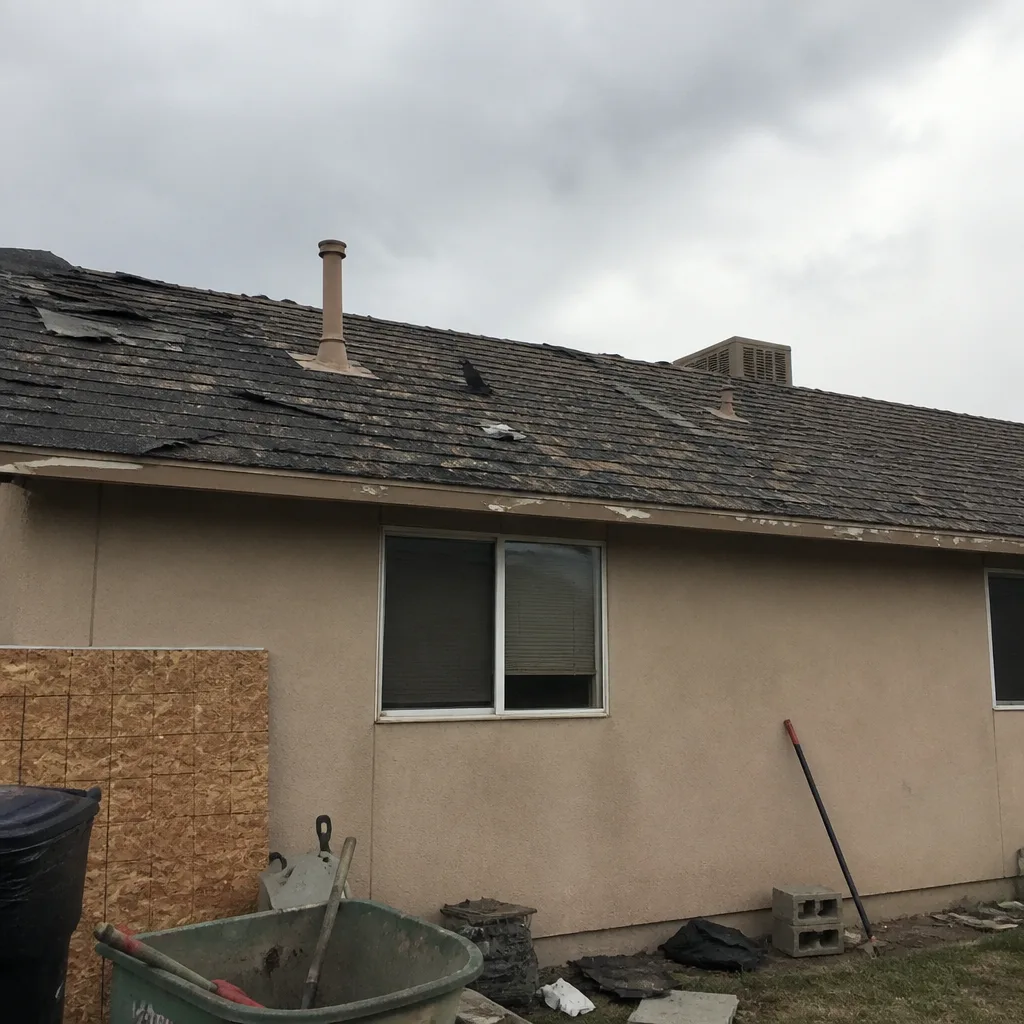 Before
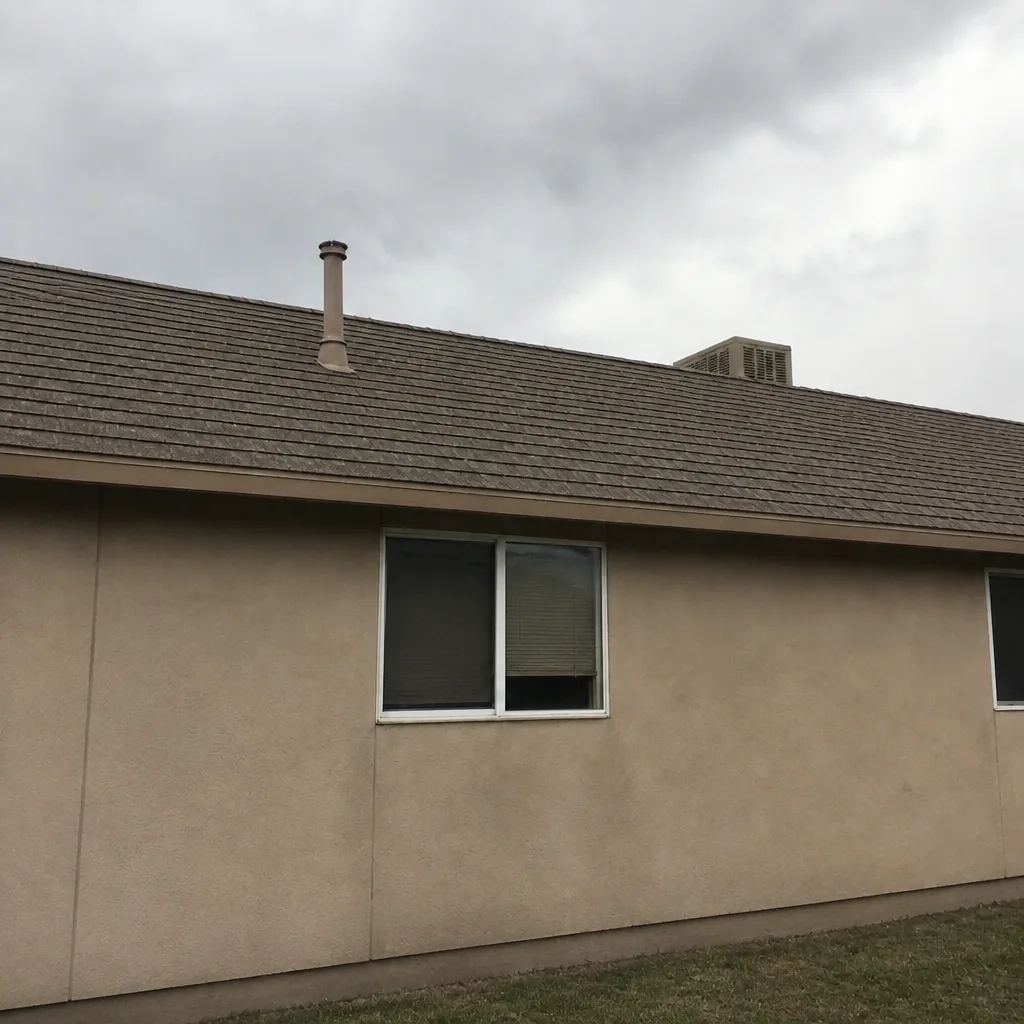 After
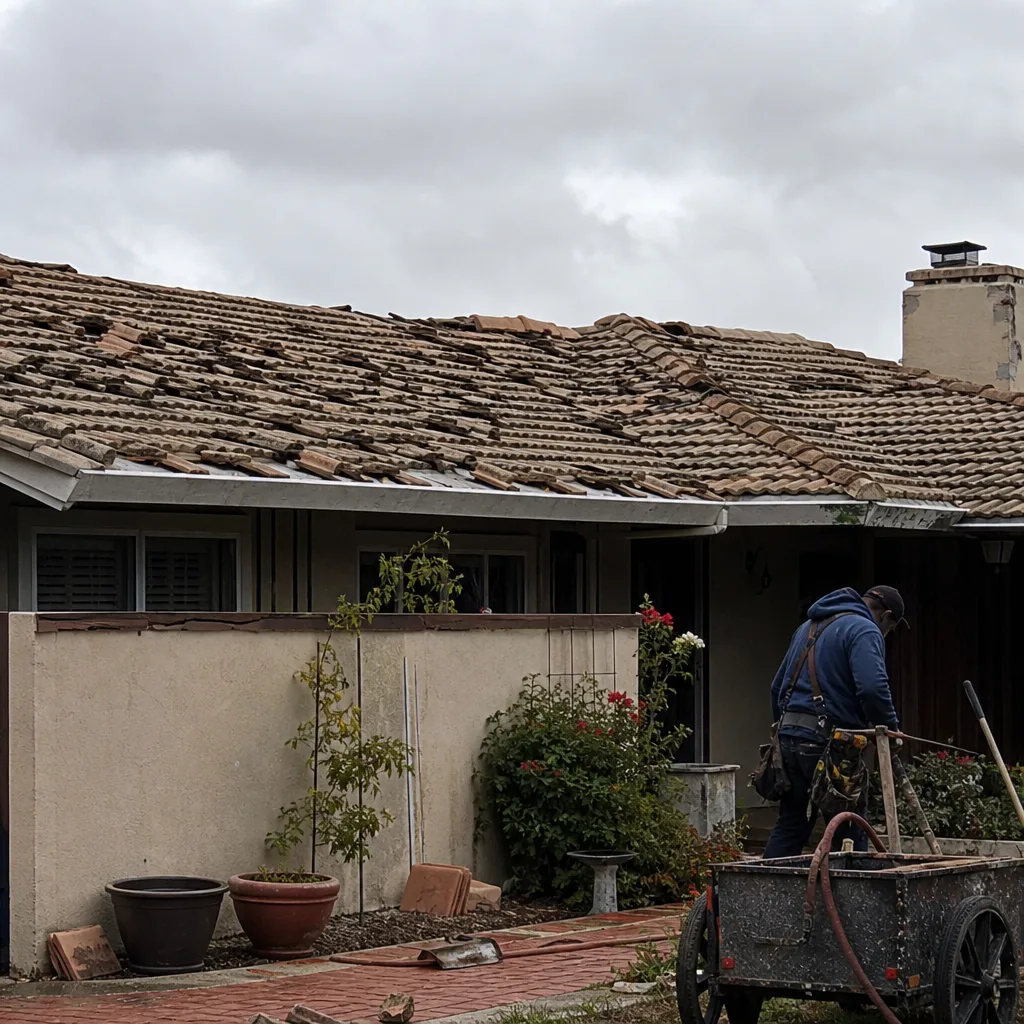 Before
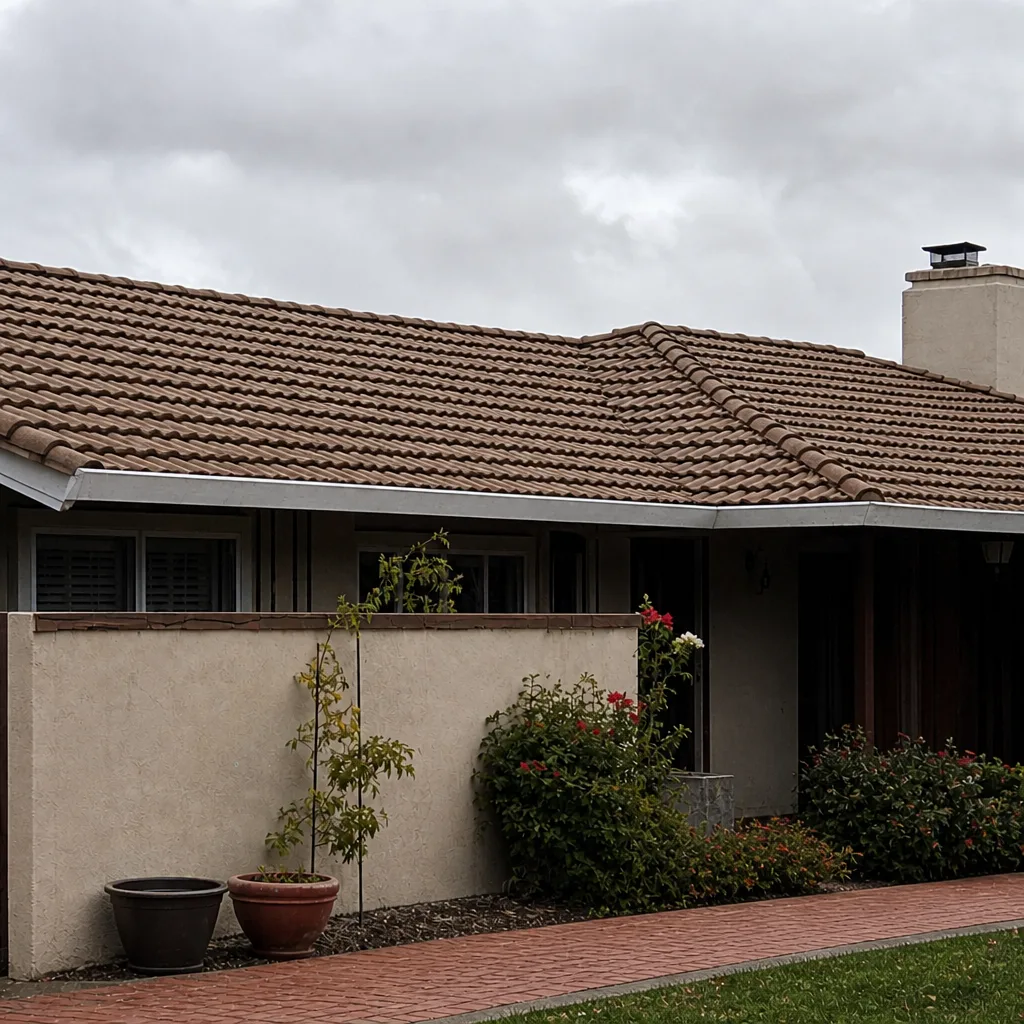 After
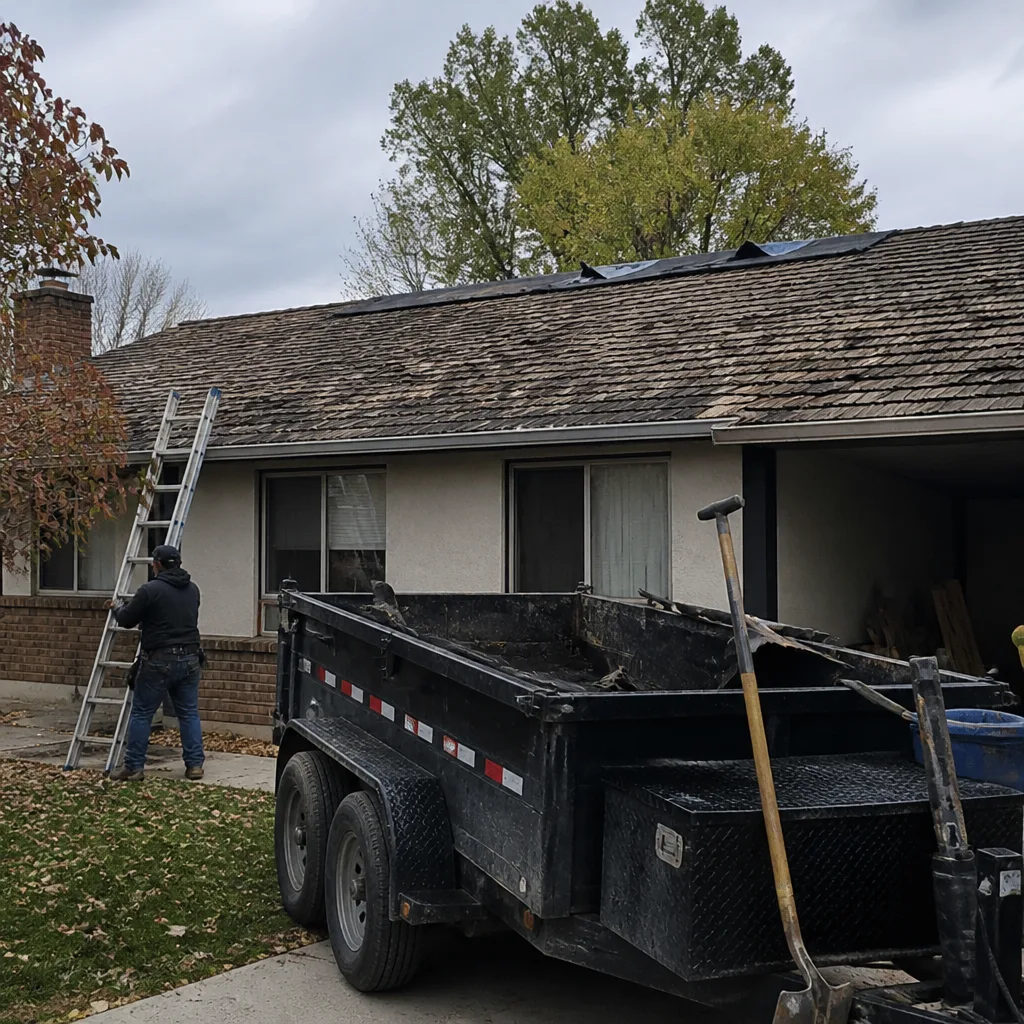 Before
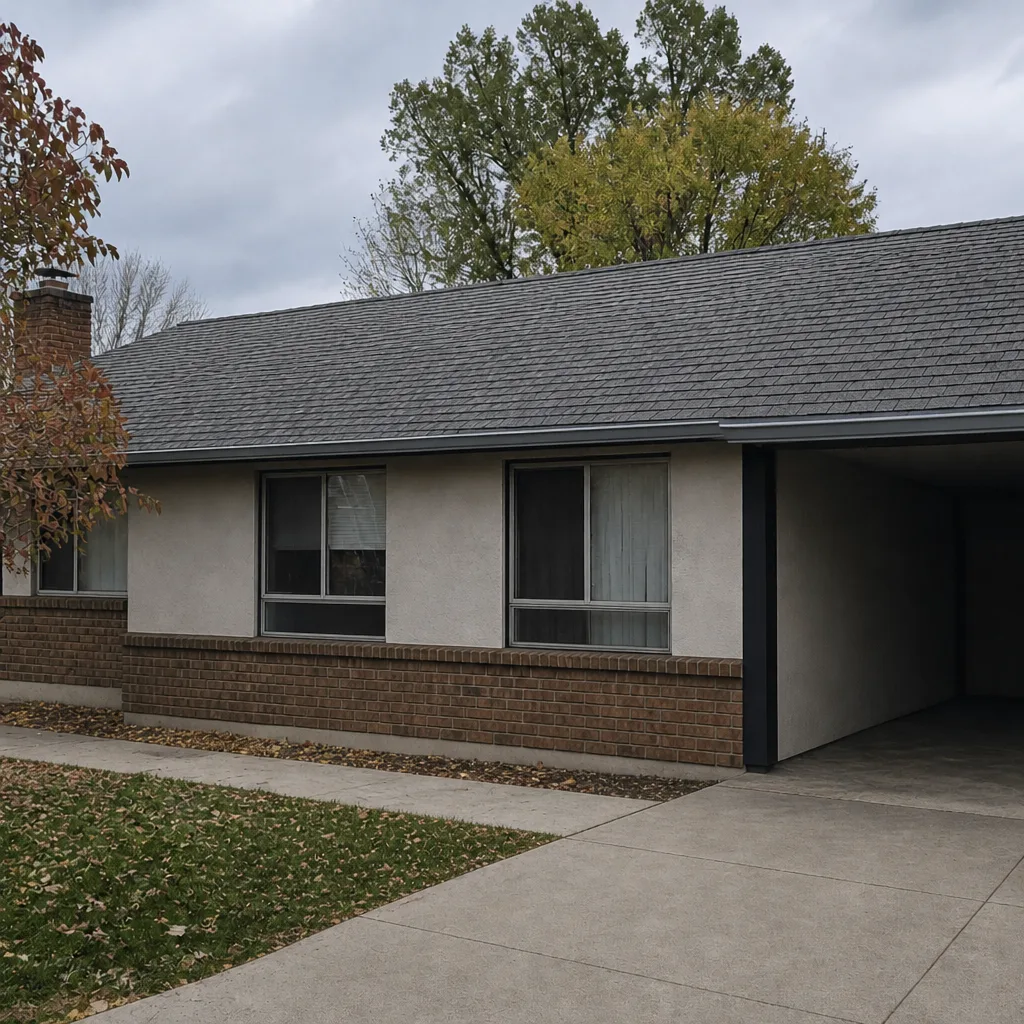 After
When to Call a Professional
Call a professional if anyone is going to be on the roof above ground level. Call a professional if the job touches the permit. Call a professional if the roof has more than the standard one layer of shingles, if the deck has any soft spots, if you’re installing anything other than a walkable repair, or if you’re within five years of selling the home. Our team at Shepherd & Sons Roofing Winchester home gives free estimates in Winchester – call (844) 797-8167 and a live person will pick up, including nights and weekends after a storm. That’s not a call center; that’s the actual number. Free second opinion on any written estimate, and no trip charge inside our own county.
Frequently Asked Questions
Only under a narrow owner-builder exemption that requires you to occupy the home and do every hour of the labor yourself without paid helpers. Anything beyond that is unlicensed contracting, and it carries the same insurance, permit, and warranty consequences as hiring an unlicensed roofer. For any Winchester replacement involving a permit, assume the answer is to use a licensed contractor.
Usually no, or only with a fight. Most carriers exclude or limit coverage on unpermitted or unlicensed work, and adjusters routinely ask for the permit and installer license when a claim comes in. If your DIY install fails and you file a claim, you may be denied or non-renewed. Call us for a free second opinion before you file – we can tell you what the adjuster is likely to request.
Realistically 15-25% off a professional bid, and that’s assuming nothing goes wrong. Most of that savings vanishes if you have to rent a dumpster, rent equipment, or redo any part of the install after a failed inspection. For a typical Winchester replacement in the $12,000-$22,000 range, the savings rarely justify the risk. Call (844) 797-8167 and we’ll walk you through a free estimate so you know the number before you decide.
Almost always. GAF, CertainTeed, Tamko, and most other shingle manufacturers require installation by a licensed contractor per their written instructions. Without a license number on file, claims for cracked, curled, or prematurely failed shingles get denied. The shingle itself isn’t defective; the installation record is incomplete.
Site prep, cleanup, material staging, and individual shingle replacement on a low-slope walkable section. Anything above that – full tear-off, underlayment, flashing, structural repair, nailing shingles – belongs to a trained professional with proper harness, anchors, and crew on the ground. Call us to talk through exactly what’s safe for your specific roof in Winchester.
The permit is what protects your insurance and your title. In Winchester, an unpermitted replacement becomes a disclosure item on your seller’s statement, sometimes triggers a full tear-off on the buyer’s request, and can leave your insurance carrier with a coverage question at the worst possible moment. A licensed roofer pulls the permit as a standard part of the job – it doesn’t slow anything down. Call (844) 797-8167 to schedule your free estimate.
The Bottom Line
You can do the safe parts of a roof replacement yourself: prep, staging, cleanup, and honest low-slope touch-up repairs. You cannot legally, safely, or warranty-protectively do the install. Nevada licensing law, manufacturer warranties, and your homeowner insurance policy all assume the work was done by a licensed professional, and each will fail you in a different way if it wasn’t. The 15-25% you save on a DIY bid is real money – but a failed inspection, a denied claim, or a voided warranty costs far more. For a Winchester homeowner considering the DIY route, the honest answer is to at least get the professional estimate first, compare the two numbers on paper, and then decide.
The guys who’ve set this shingle – GAF, CertainTeed, Owens Corning, IKO, Atlas, Tamko, Boral – know what a properly nailed, properly underlaymented roof looks like on a Winchester home. A live person answers the phone 24/7, including nights and weekends. The name on the truck is the name on the license. Standing offers include $40 off any repair over $200, a free second opinion on any written estimate, no trip charge inside our own county, and a 10% senior and veteran discount.
Call (844) 797-8167 to schedule your free estimate with Shepherd & Sons Roofing Winchester. We’ll bring the deck photos before we talk money, and we’ll tell you straight if the job you’re considering is one to do yourself or one to hand off.
Written by the team at Shepherd & Sons Roofing Winchester.