
Last updated November 17, 2026
 Architectural shingles
 Metal roofing
 Tile roofing
 GAF
 Owens Corning
 Flat & low-slope
Free roof inspection with deck photos before we talk money - GAF and Owens Corning certified installation
Roof Replacement & Installation Troubleshooting: Common Problems and How to Fix Them
If a new roof leaks within 90 days of installation, it’s almost never the shingles. It’s flashing, it’s unsealed penetrations, or it’s a valley that was cut wrong. The shingles are fine; the work around them isn’t. That’s the part most homeowners never hear, because by the time the water shows up on the ceiling, the crew that set the roof is three counties away. In this guide we’ll walk through the four callbacks we see most often on new roofs in Winchester, how to run your own 30-day inspection, and how to tell a real contractor’s response from a storm chaser’s disappearing act. What you learn here is what your first year of warranty should look like.
Quick Answer
Most problems after a roof replacement come from installation details, not the shingles themselves: pipe boots that weren’t sealed, step flashing at walls that was skipped or cut short, starter strips set out of line, and valleys cut at the wrong angle. A careful 30-day inspection and one good rainstorm will reveal nearly all of them. If you catch a defect early and document it properly, a legitimate contractor fixes it under warranty; a storm chaser simply stops answering the phone.
Styles & brands we work with
- Architectural shingles
- Metal roofing
- Tile roofing
- GAF
- Owens Corning
- Flat & low-slope
Table of Contents
- The Four Installation Shortcuts Behind Most New-Roof Callbacks
- Why the First Rain Is Your Best Free Quality Control Test
- How to Run a 30-Day Post-Installation Inspection
- What a Legitimate Callback Response Looks Like
- How to Document a Suspected Installation Defect
- Normal Settling vs. a Real Defect
- Codes, Permits, and Why Inspection Records Matter in Winchester
- Common Mistakes to Avoid
The Four Installation Shortcuts Behind Most New-Roof Callbacks
When a roof fails early, the shingles get blamed first. In our experience the shingle is rarely the problem. The material is made by names like GAF, CertainTeed and Owens Corning, and it’s tested well past what any residential roof in Winchester will ever see. What fails is the work around the material. Four shortcuts account for most of the callbacks we’re asked to fix:
- Pipe boots that weren’t sealed right. The rubber collar around a plumbing vent is a small part doing a big job. If it’s slid down over a dirty pipe, set on a wet deck, or the nails miss the shingle below, water gets in behind it. We see this most on roofs where the boot was installed before the surrounding shingles were fully seated.
- Missing or short step flashing at walls. Where a roof meets a vertical wall, every shingle course needs its own step flashing tucked under the siding and over the course below. Skimp on it and water sheets down the wall and into the framing. It looks fine from the ground and leaks for years.
- Misaligned starter strips. The starter course along the eave and rake locks the first row of shingles to the deck and sets the wind rating. When it’s laid out of line, the first rows ride high and the roof catches wind at the edge. In the high-desert wind around Winchester, that’s where blow-offs start.
- Valleys cut at the wrong angle. A valley is the channel that carries the most water on the whole roof. Cut it too narrow and it overflows to one side. Cut it too wide and the shingles lap wrong and water pushes under. Either way, water ends up where it shouldn’t during a real storm.
None of those four show up in a photo from the street. They show up six months later on a ceiling. That’s why the inspection part of a replacement matters as much as the install, and it’s why we walk homeowners through their own roof before we hand over a bill. If you want to see how we handle the install side of this, our page on Roof Replacement & Installation in Winchester covers the nailing pattern, the underlayment and the flashing sequence in detail.
Why the First Rain Is Your Best Free Quality Control Test
The first significant rain after a replacement is the one free test you get that no contractor can fake. A dry day hides everything. A hard rain pushes water into every valley, behind every step flashing, and around every pipe boot on the roof, all at once. What you do while it’s still raining tells you a lot about whether the job was done right.
Inside the house, walk the ceilings under the new roof and look for wet spots, discoloration or water stains that weren’t there before. Check the attic if you can get up there safely, looking for drips, wet insulation or dark streaks on the rafters. Pay attention to the wall-to-ceiling joints where an upper floor meets the roof line, since that’s where step flashing failures show first. Listen near skylights, chimneys and vent pipes; a tick or drip in a hard rain is not normal in a fresh install.
Outside, watch the eaves and gutters. Water should be moving steadily to the downspouts, not dripping from the fascia or running down the siding. Walk the perimeter and look for water sheeting off in the wrong spot or pooling against the foundation. If you can see the roof from the ground during a lighter rain, check the valleys; a valley that’s cut wrong will visibly overflow to one side.
Write down the date, time and where you saw water. That record is the start of any warranty claim, and it’s worth more than a thousand words of complaint later.
How to Run a 30-Day Post-Installation Inspection
Thirty days after a replacement is the right window for a careful look. The roof has been through a few thermal cycles, the sealant strips have had time to bond, and anything loose has had a chance to lift. You don’t need to climb on a steep roof to do most of this; binoculars, a ladder to the eave and a good flashlight cover most of it.
- Walk the ground perimeter. Look at the shingle lines from several angles. Rows should be straight and even courses should not be wavy. Look for loose or lifted shingles near the ridge and eave.
- Check the fascia and soffit. No new water stains, no rot, no daylight where the fascia meets the roof. Any of those means water is getting behind something.
- Inspect the penetrations from below and outside. Vent pipes, skylights, chimney and any roof-mounted equipment should have clean, intact flashing with no gaps or cracked sealant.
- Look at the gutters. Granules from the new shingles washing into the gutters early on is normal. Standing water in the gutter or water running behind it is not.
- Check the attic after a rain. No drips, no wet insulation, no dark streaks on rafters. Any of those means flash it now, not later.
- Look for nails and debris. A clean install leaves a clean yard. Stray nails on the ground are a sign the tear-off wasn’t cleaned up carefully, and they say something about the crew’s attention elsewhere too.
If the roof was installed under a permit, the municipal inspection is a separate check worth confirming has passed. In Winchester, the permit and inspection record is also the proof the job was permitted at all, and it matters later if you sell or file a claim. It’s one of the reasons we tell homeowners to ask for permit records before the final payment. Our page on Roof Repair in Winchester walks through warranty repair the same way.
What a Legitimate Callback Response Looks Like
A callback is when you call the contractor back because something isn’t right. What happens next is the real test of who you hired. The difference between a local roofer and a storm chaser shows up in the first 24 hours after that call, not in the sales pitch.
A legitimate contractor answers the phone or calls back promptly, schedules a visit without a fight, and comes out to look with the deck photos or a ladder ready. They ask what you saw and when, and they look at the problem in person rather than diagnosing it over the phone. If it’s an installation error, they fix it and don’t charge you for their mistake. They put the fix in writing, even if it’s small. And most importantly, they’re still around six months later, because their name is on the truck and their address is on file.
A storm chaser’s response looks different. The phone rings out or goes to a call center. The person on the line can’t tell you who did the work or where the crew went. Emails bounce. A crew that was in Winchester after a hailstorm in April is usually in another state by June. The signature difference is whether you can find the same company at the same address a year from now.
This is why we publish our name and license number and answer our own phone. If a job we set isn’t right, one call brings the owner back out, not a voice on the other side of the country. Our Shepherd & Sons Roofing Winchester home page lists a real address and a real number for exactly that reason.
How to Document a Suspected Installation Defect
If a problem looks like a defect and not normal wear, documentation is what makes a warranty claim or a licensing board complaint work. Without it, you’re describing a leak from memory. With it, a contractor has no room to argue.
- Photograph everything, from the ground up. Wide shots of the affected area, close-ups of the flashing, and photos of the ceiling stains inside. Include the roof line in the frame so the location is obvious.
- Keep a dated log. First time you noticed it, every rain that made it worse, every call you made, and who answered. A simple notebook works.
- Save every document. Contract, written estimate, permit record, inspection report, warranty papers, and texts or emails with the contractor. If the paperwork is thin, that itself is a signal.
- Get a second opinion in writing. A second roofer’s written assessment of the cause is worth more than your own diagnosis to a warranty department or licensing board.
- Send a written notice. Email the contractor with photos, dates and a written request for repair. Keep the sent copy.
- Escalate if needed. If the contractor won’t respond, the state licensing board and your local building department are the next calls. Permit records and inspection reports help there.
Homeowners in Winchester and the surrounding rural counties have an advantage here: a local contractor who’s stayed put has a reputation to protect in the same hardware store you shop at, and a licensing board complaint gets their attention faster than a review ever will.
Normal Settling vs. a Real Defect
Not everything that happens in the first year is a problem. New roofs settle. The deck is still drying out, the shingles are bonding to the sealant strips, and thermal expansion moves things a little. Knowing what’s normal saves you a call and a headache, and knowing what’s not saves your ceiling.
Normal settling: a few granules in the gutters after the first rains, small dips in the shingle lines that flatten out over a season, and a little creaking or popping on hot afternoons as the roof warms up. Those are all expected on a brand-new roof.
Not normal: water stains on ceilings, drips in the attic, lifted or missing shingles near the ridge or eave, rust or cracked sealant around a pipe boot, or a valley visibly overflowing during a heavy rain. Any of those means the shingles may be fine but the work around them needs a look. In our experience across Winchester, a roof that leaks in its first year is far more often a flashing or penetration detail than a bad bundle of shingles. That’s the case for looking hard at the work around the roof, not just the material on it.
Codes, Permits, and Why Inspection Records Matter in Winchester
Roofing in Winchester isn’t the same job it is in a coastal city. The dry desert climate bakes out shingles and sealant faster than a wet climate does, and the wind that rolls through open desert is hard on edge details. That’s a good reason to check that the work was set the way it should be set, and whether there’s a paper trail behind it.
A legitimate replacement should have a permit and a passed inspection. That record does two things: it proves the job met the code the jurisdiction requires, and it gives you a document you can pull if you ever sell the house or file a claim. If a contractor says a permit isn’t needed on your job, ask them to show you the local requirements in writing.
Different materials also carry different requirements. Metal roofing, tile, and Boral or Owens Corning systems all have their own installation details and their own warranty conditions. A roof set wrong will fail its warranty regardless of what the label says. If you’re considering a different material, our page on Metal Roofing in Winchester covers what to look for there.
Common Mistakes to Avoid
- Paying the final bill before the city inspection passes. The inspection is your last free check on the work. Hold payment until it’s signed off and you’ve done your own walk-through.
- Skipping the deck photos. A contractor who won’t show you the situation under the shingles is asking you to take the work on faith. Ask for the photos before the deck is covered.
- Accepting a phone quote as final. A quote that changes at the door is the oldest trick in the trade. Get a written, line-item estimate that names the squares and the materials.
- Doing your own inspection on a steep or wet roof. A wet roof is slippery and a fall is far more dangerous than any leak. Check from the ground, from a ladder at the eave, and from the attic.
- Assuming the leak means the shingles are bad. Nine times out of ten the shingle was fine and a flashing detail wasn’t. Ask for the cause in writing, not just a patch.
- Calling a roofer who’s new to Winchester. Ask how long they’ve worked in the area and where their address is. The answer tells you a lot.
- Missing the 90-day window for a warranty claim. A written warranty period is a deadline. Report what you see while there’s still time.
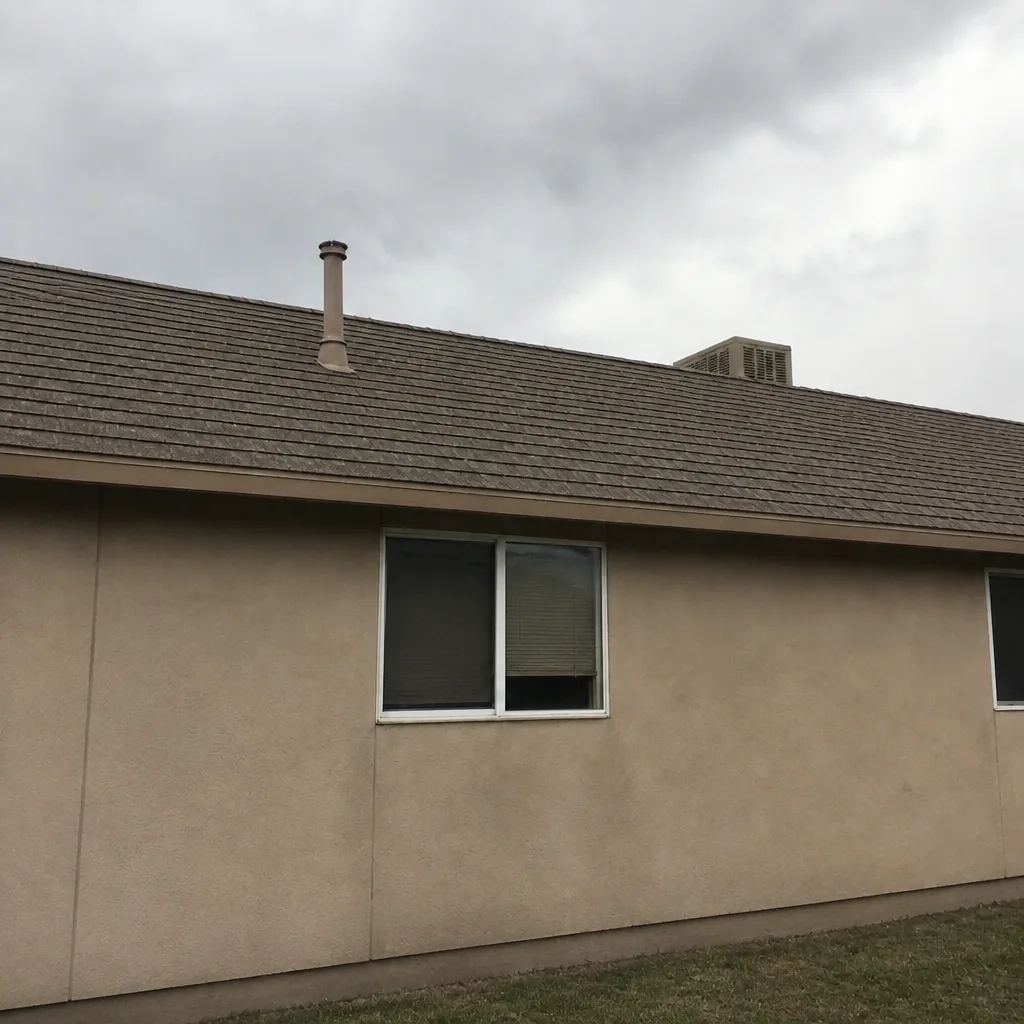
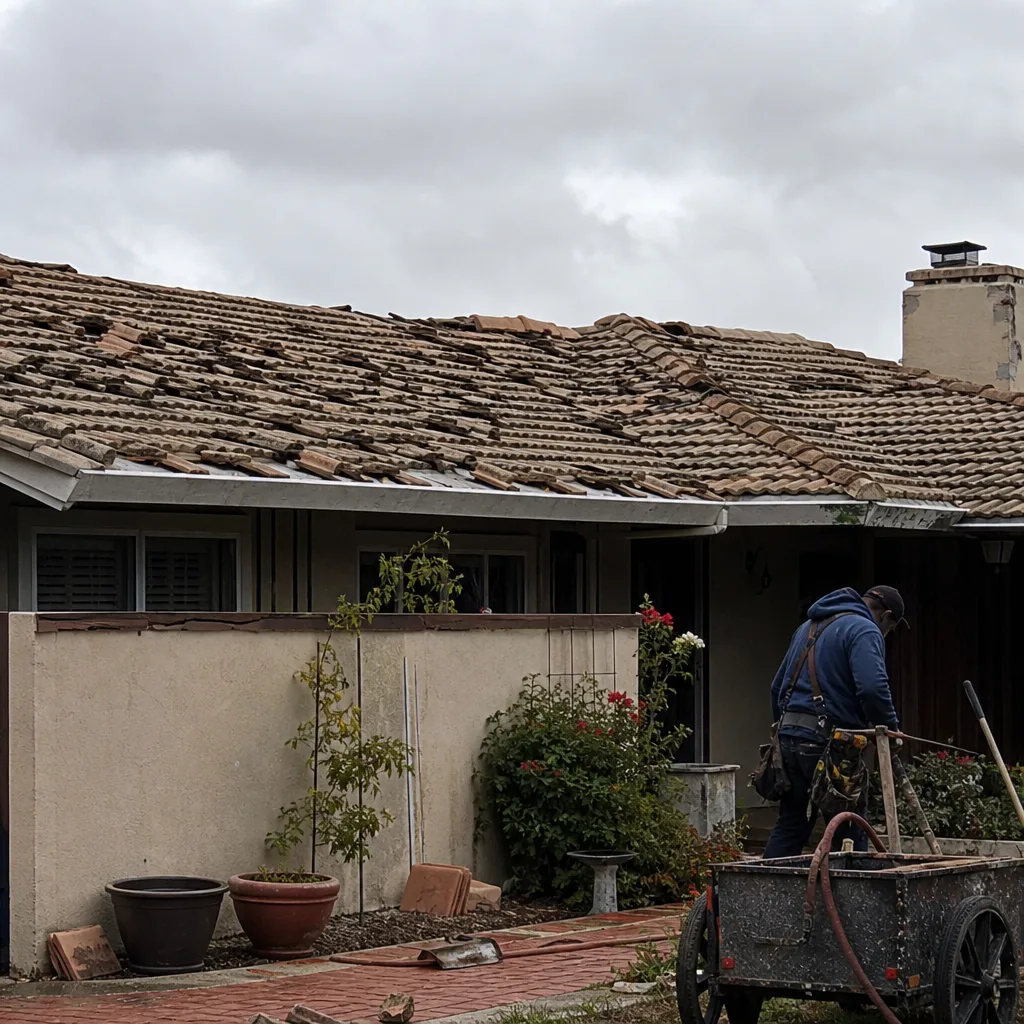
See the difference
 Before
 After
 Before
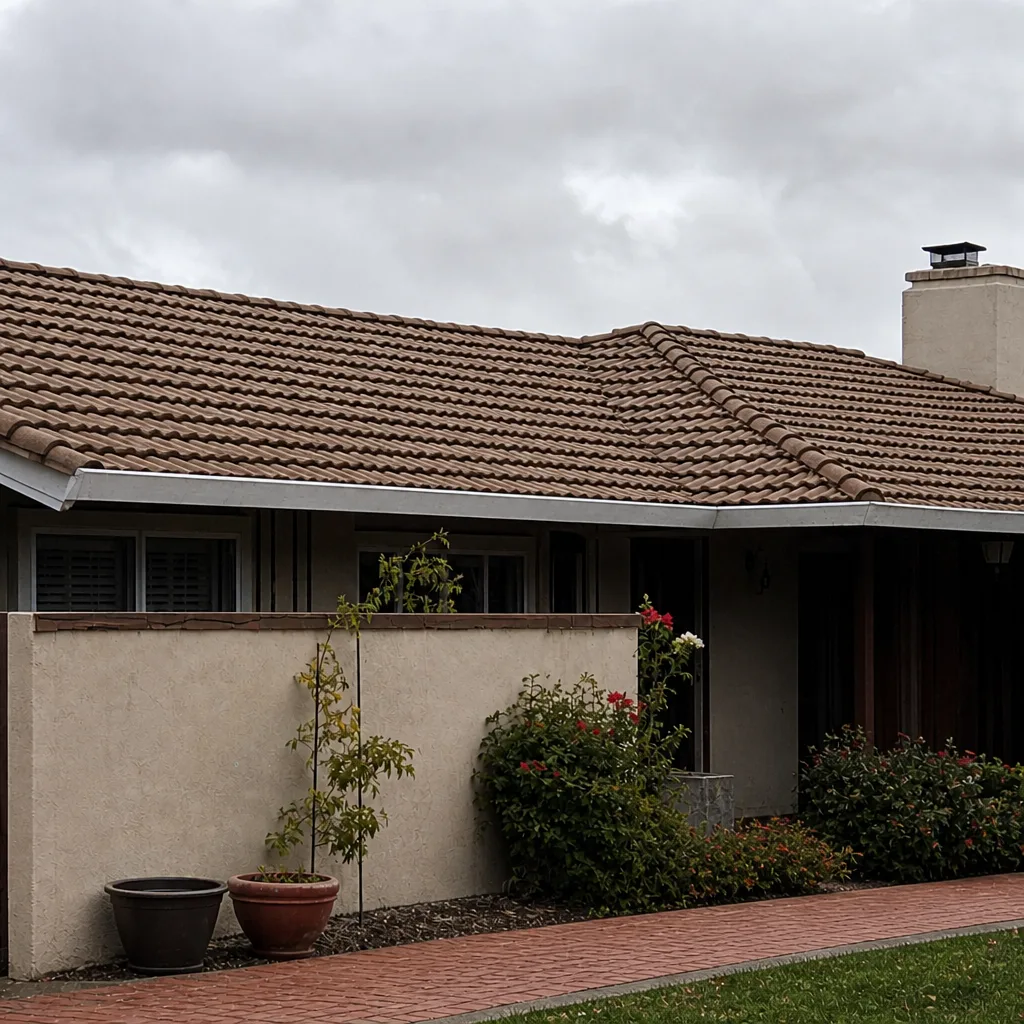 After
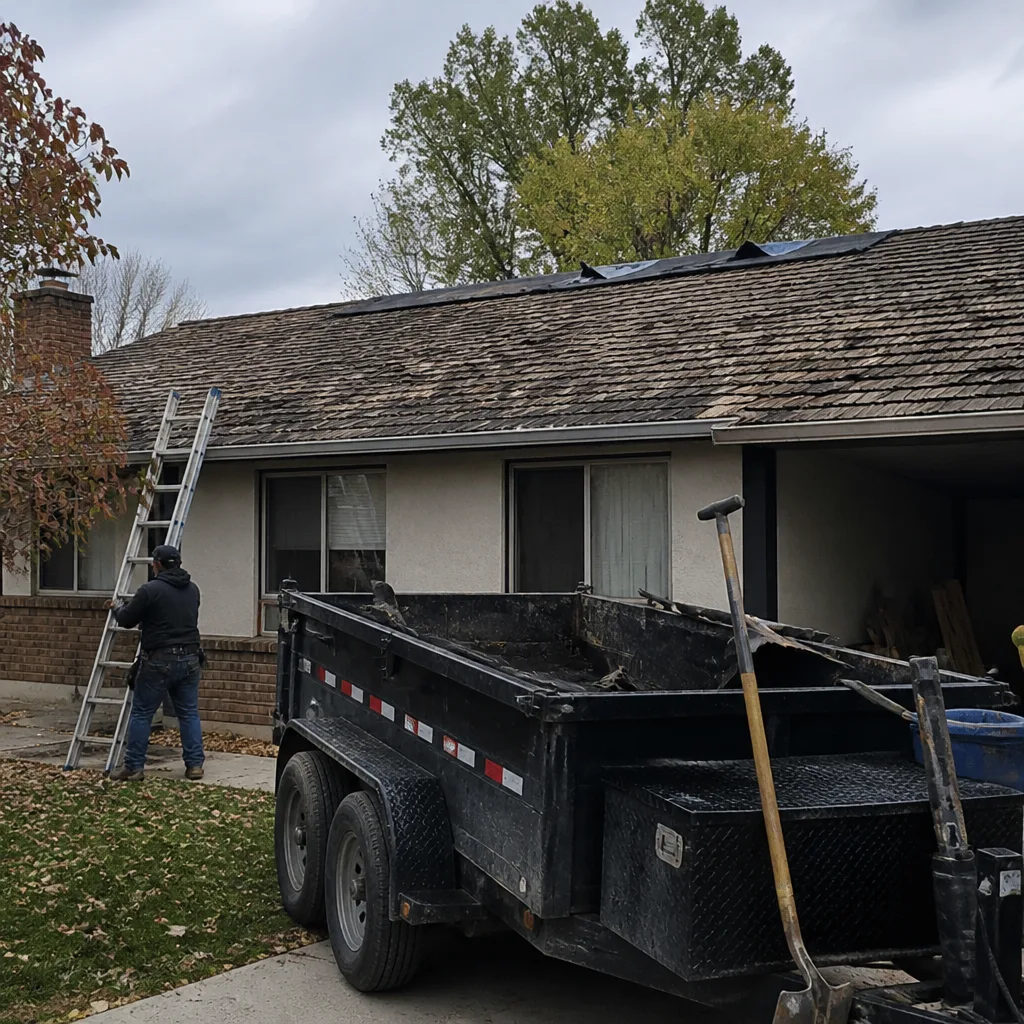 Before
 After
When to Call a Professional
Any water inside the house after a replacement is a call for a professional, not a patch. Same for a visible valley overflowing, a pipe boot or chimney flashing that’s separated, lifted shingles near the ridge or eave, or a roofer who’s stopped answering the phone. If you’re not sure whether what you’re seeing is normal settling, a free second opinion on your written estimate or install paperwork will settle it. And if you’re dealing with a storm-damaged or leaking roof in Winchester, don’t wait for a dry day to look at it; water gets into the framing fast, and the earlier it’s caught, the cheaper the fix. Shepherd & Sons Roofing Winchester offers free estimates in Winchester. We’ll come out, look at the actual deck and flashing, and tell you plainly what’s wrong before we talk money. Call (844) 797-8167.
Frequently Asked Questions
Most installation-related leaks show up within the first year, and many within the first few significant rains. Flashing and pipe boot failures often appear in the first six months, while starter strip and valley issues tend to show in the first windy or heavy-rain season. If your roof is past a year and leaking, that’s a different diagnosis and worth a fresh look.
Nearly always because of a detail around the roof, not the shingles themselves: unsealed pipe boot, shortcut step flashing at a wall, a valley cut wrong, or a starter course out of line. New shingles from GAF or CertainTeed don’t fail in a year; the work around them does. Call (844) 797-8167 and we’ll narrow it down.
Yes, and it should be free. A written second opinion on your estimate is the cheapest way to find out whether the scope, the squares and the flashing details are all covered. We give a free second opinion on any written estimate, and we tell you what we’d change and why.
It tells you where the water actually goes. Check inside for ceiling stains and attic drips, check outside for water running down the fascia or past the gutters, and check the valleys for overflow. A dry install looks identical to a wet one until it rains, so watch the first storm carefully.
Yes, for the first few rains. A new roof sheds some loose granules from handling and installation, and that’s expected. What’s not normal is standing water, water running behind the gutter, or granules still washing out months later.
Document everything in writing with photos and dates, send a written request for repair, and then escalate to the state licensing board and your local building department. That’s where a permit and inspection record earns its keep. A locally owned contractor answers their own phone and comes back; a storm chaser likely won’t.
The Bottom Line
A new roof that fails early is usually a flashing, penetration, starter strip or valley problem, not a shingle problem. The first rain is your free quality control test. A 30-day inspection with photos and dated notes is your best protection if a warranty claim ever comes up. And the single question that predicts how a callback gets handled is simple: can you find the contractor at the same address in a year? Ask for the license number, ask for the permit, and ask where their shop is. A roofer with a real local address will answer all three without flinching. If you have a new roof that’s acting up, or you’re about to replace one, call (844) 797-8167 for a free estimate.
Written by the team at Shepherd & Sons Roofing Winchester.