
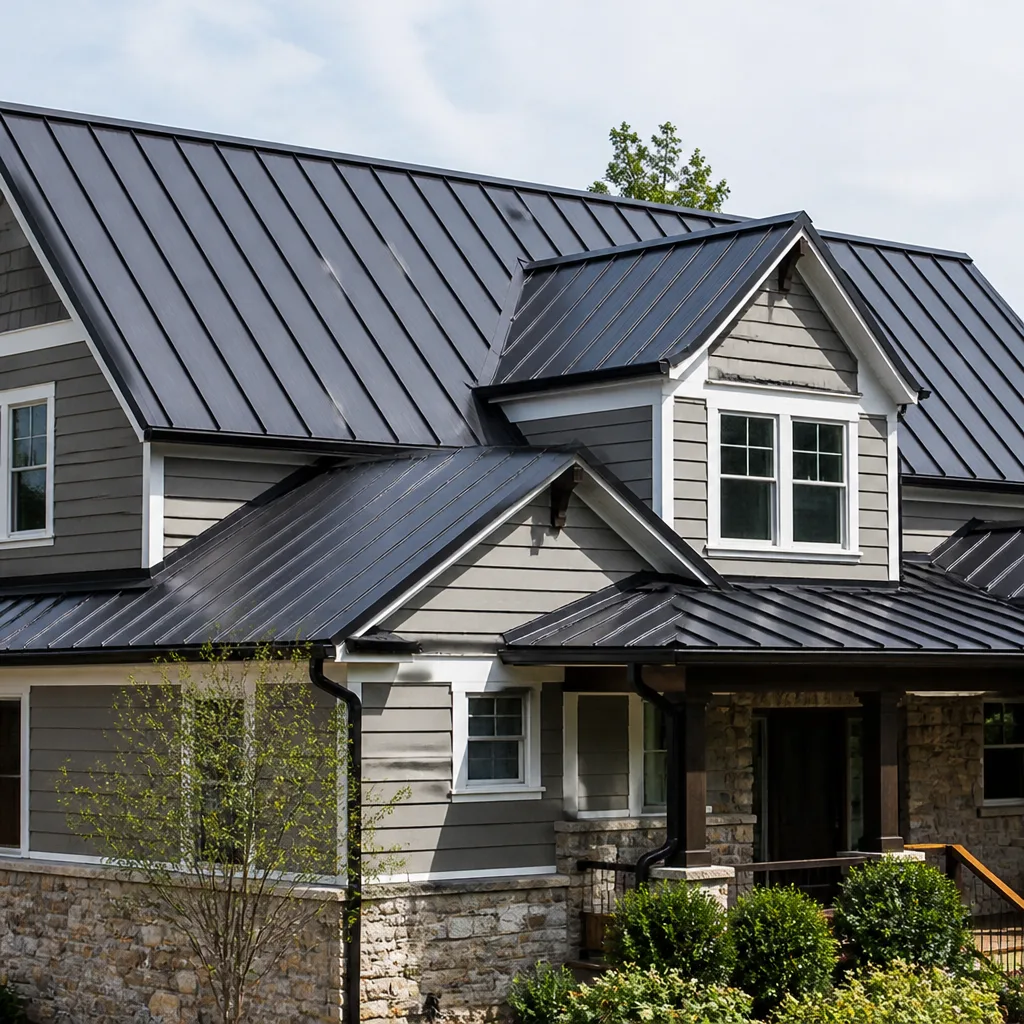
 Metal roofing
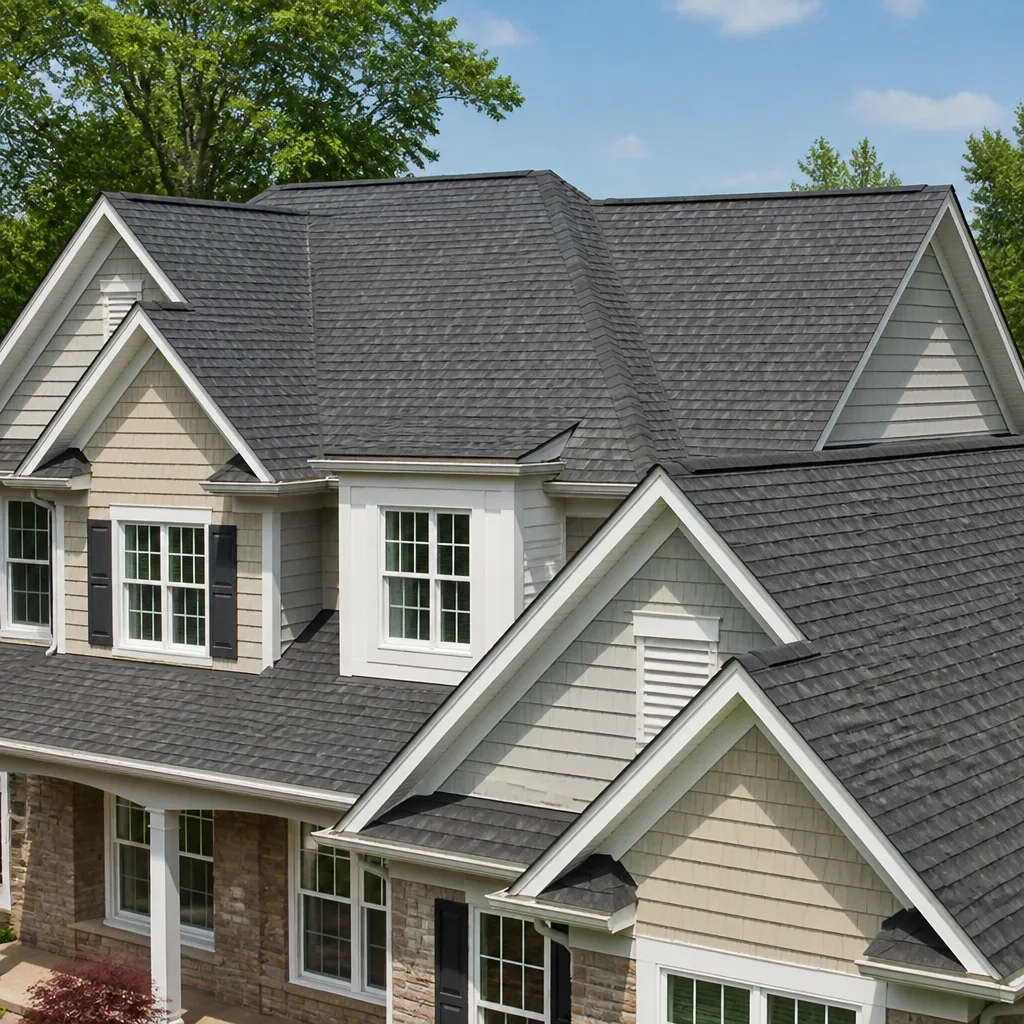 Architectural shingles
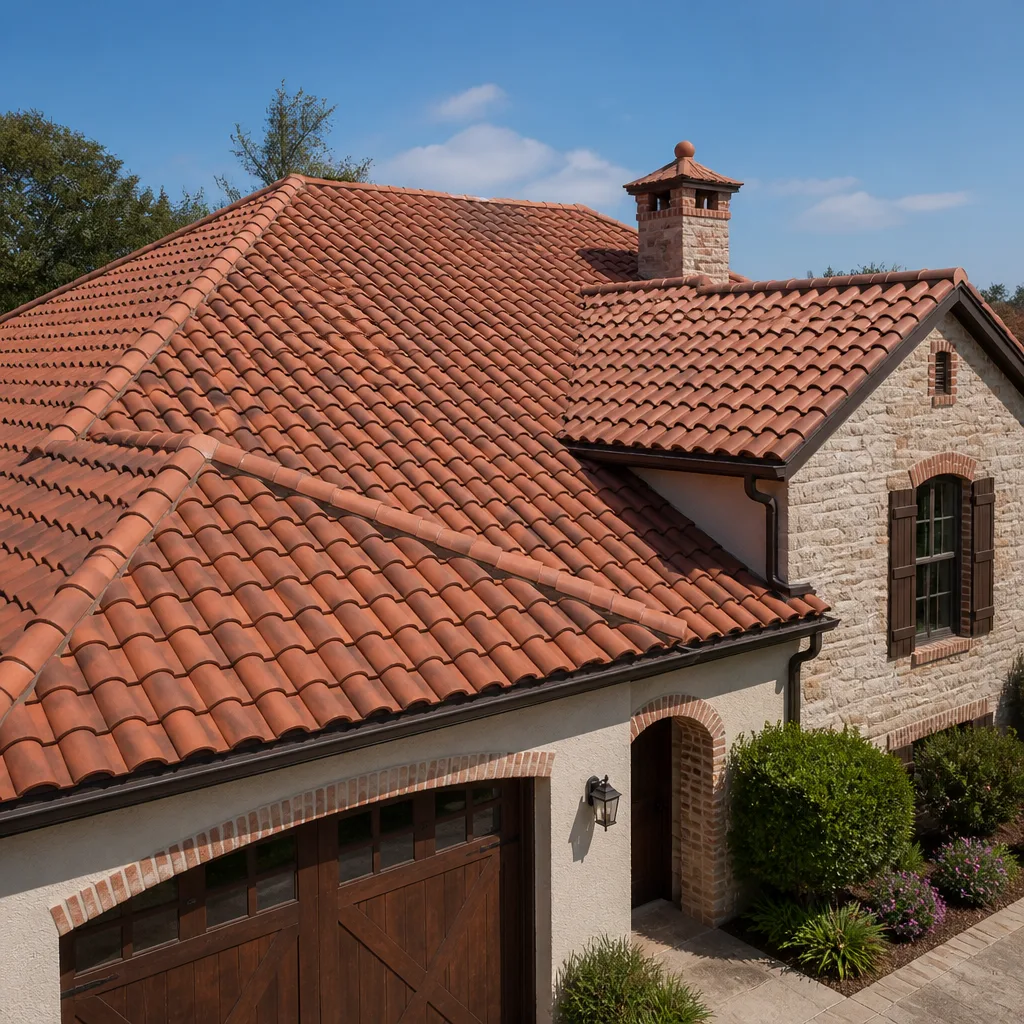 Tile roofing
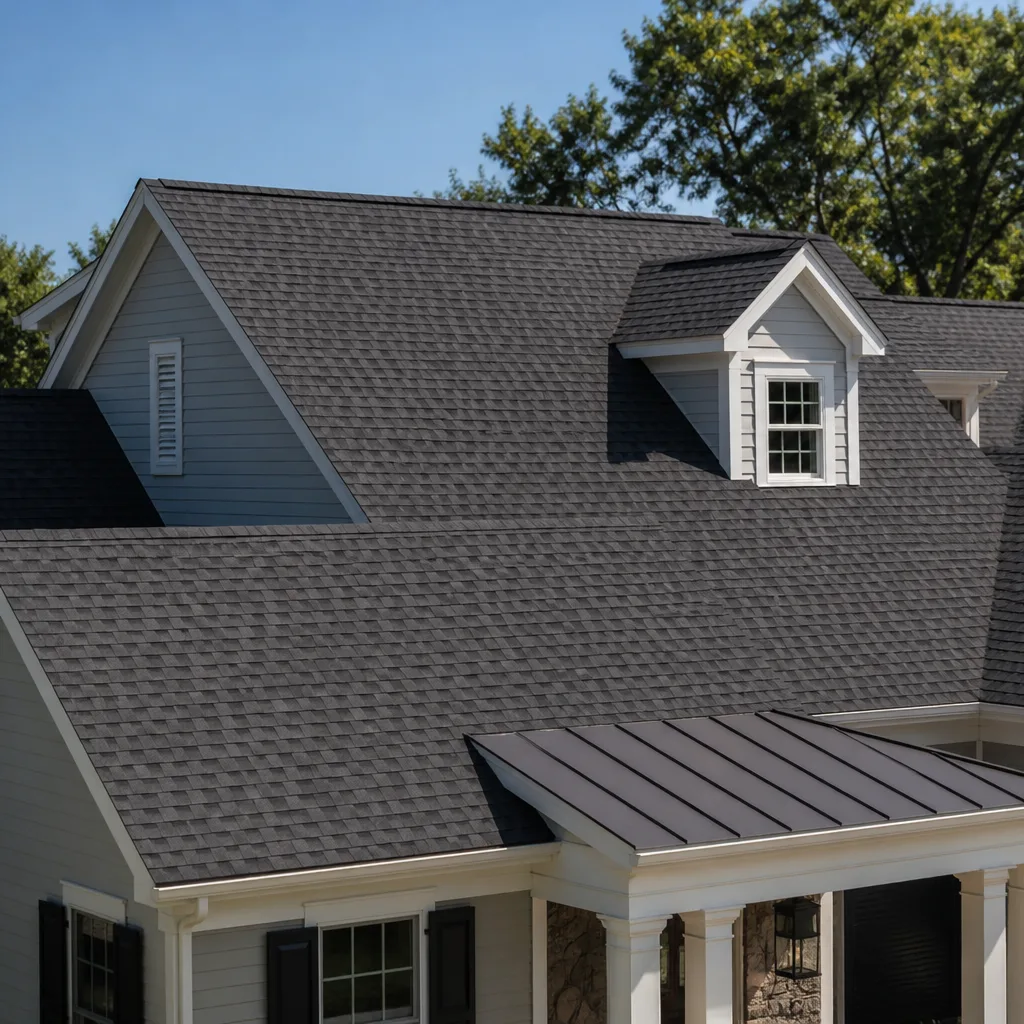 GAF
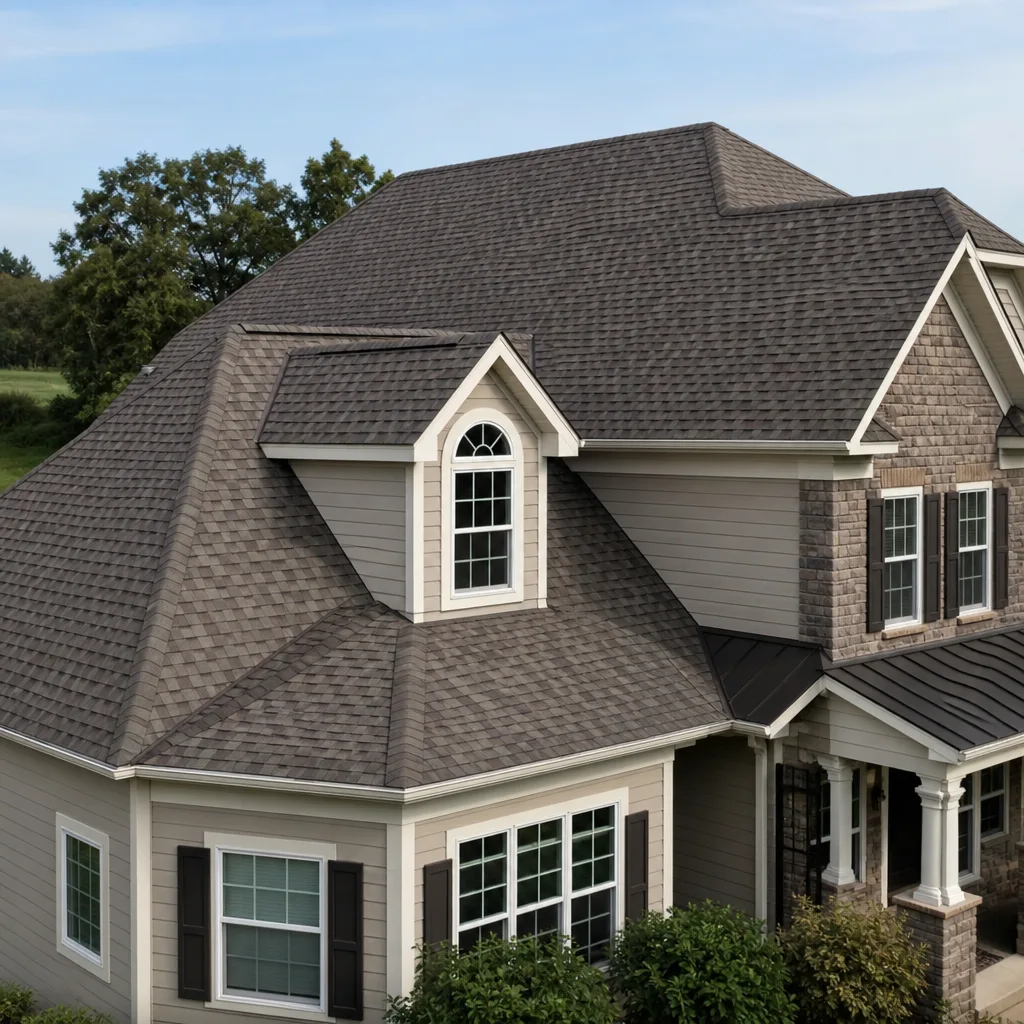 Owens Corning
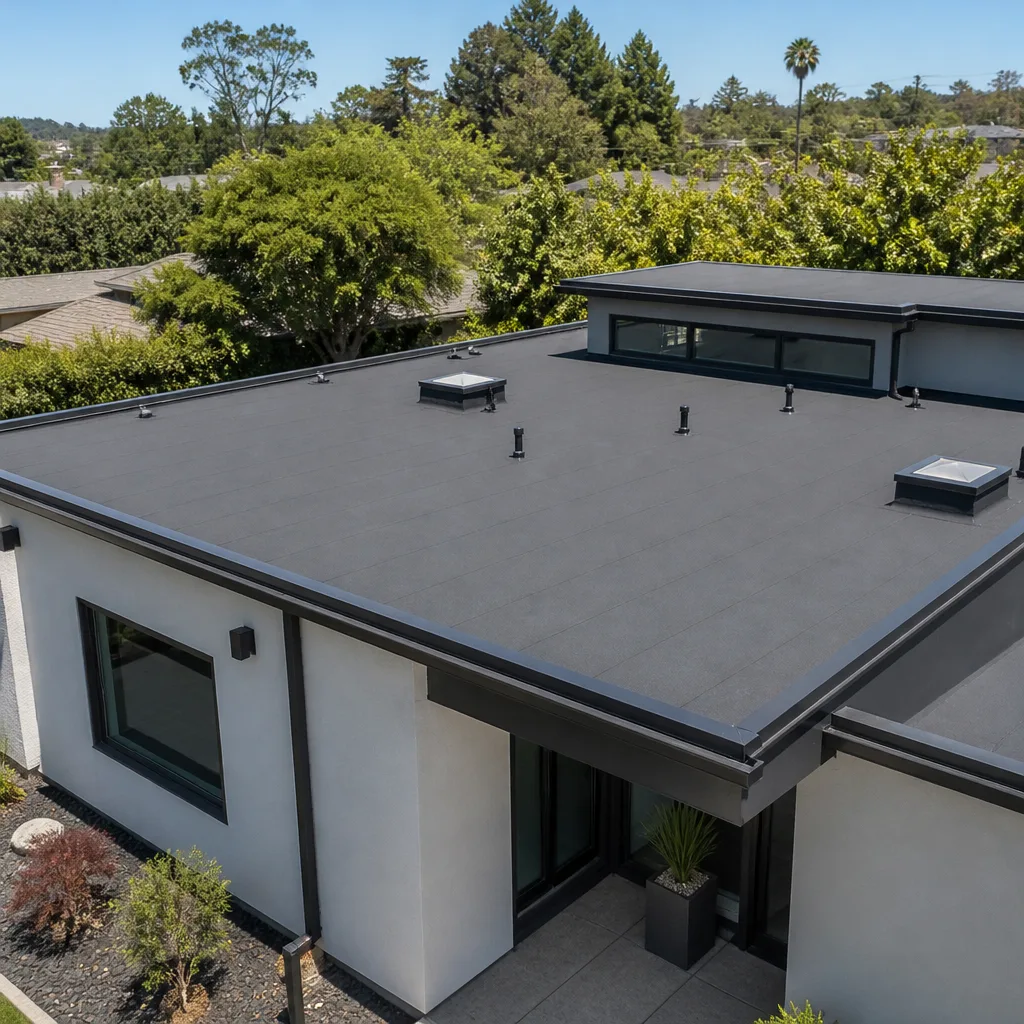 Flat & low-slope
Free roof inspection with deck photos before we talk money - GAF and Owens Corning certified installation
Styles & brands we work with
- Architectural shingles
- Metal roofing
- Tile roofing
- GAF
- Owens Corning
- Flat & low-slope
See the difference
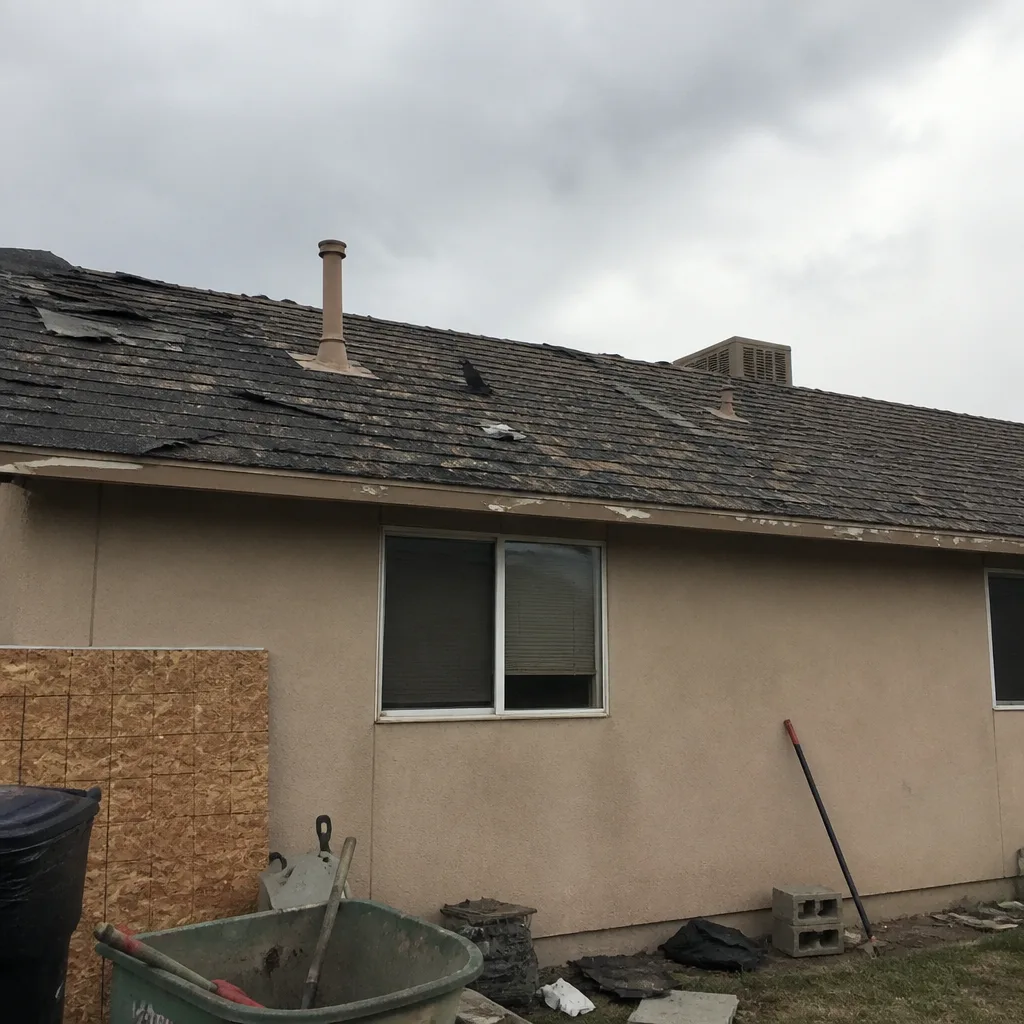 Before
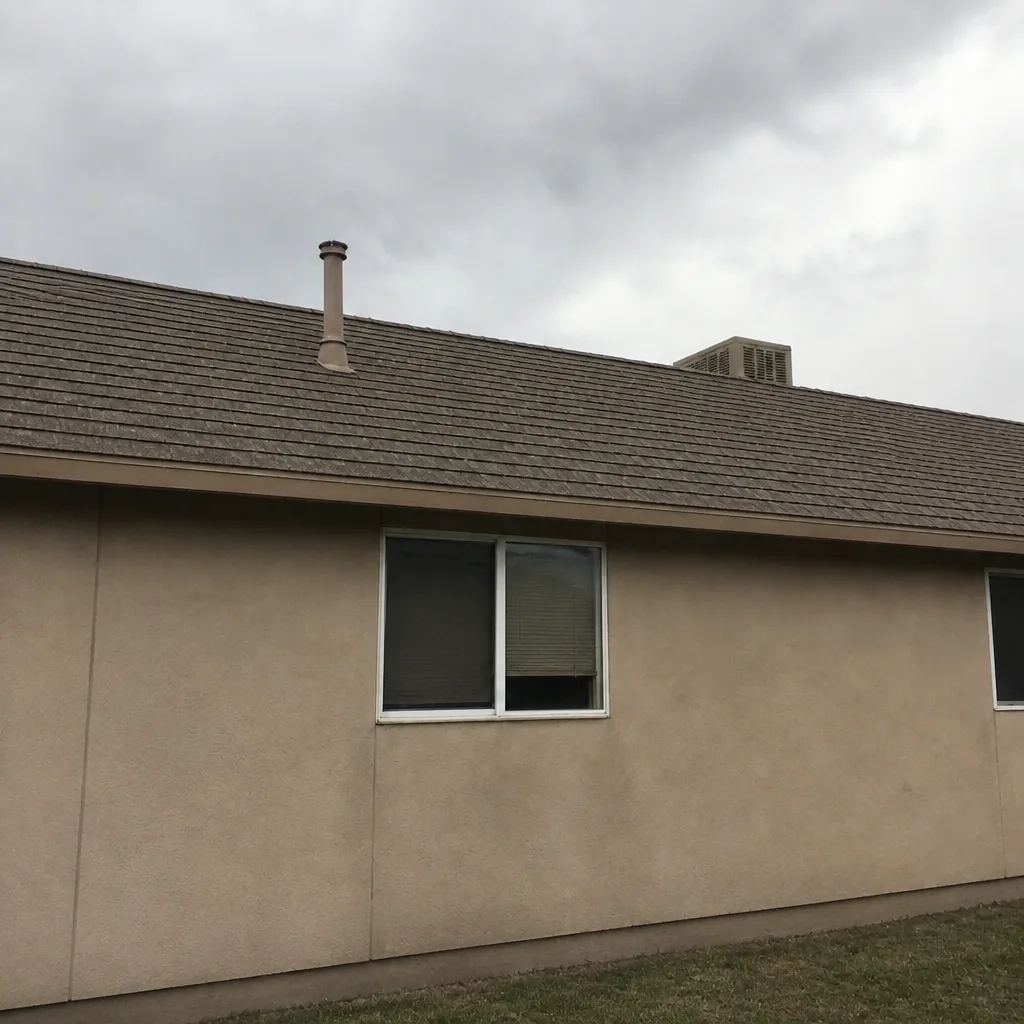 After
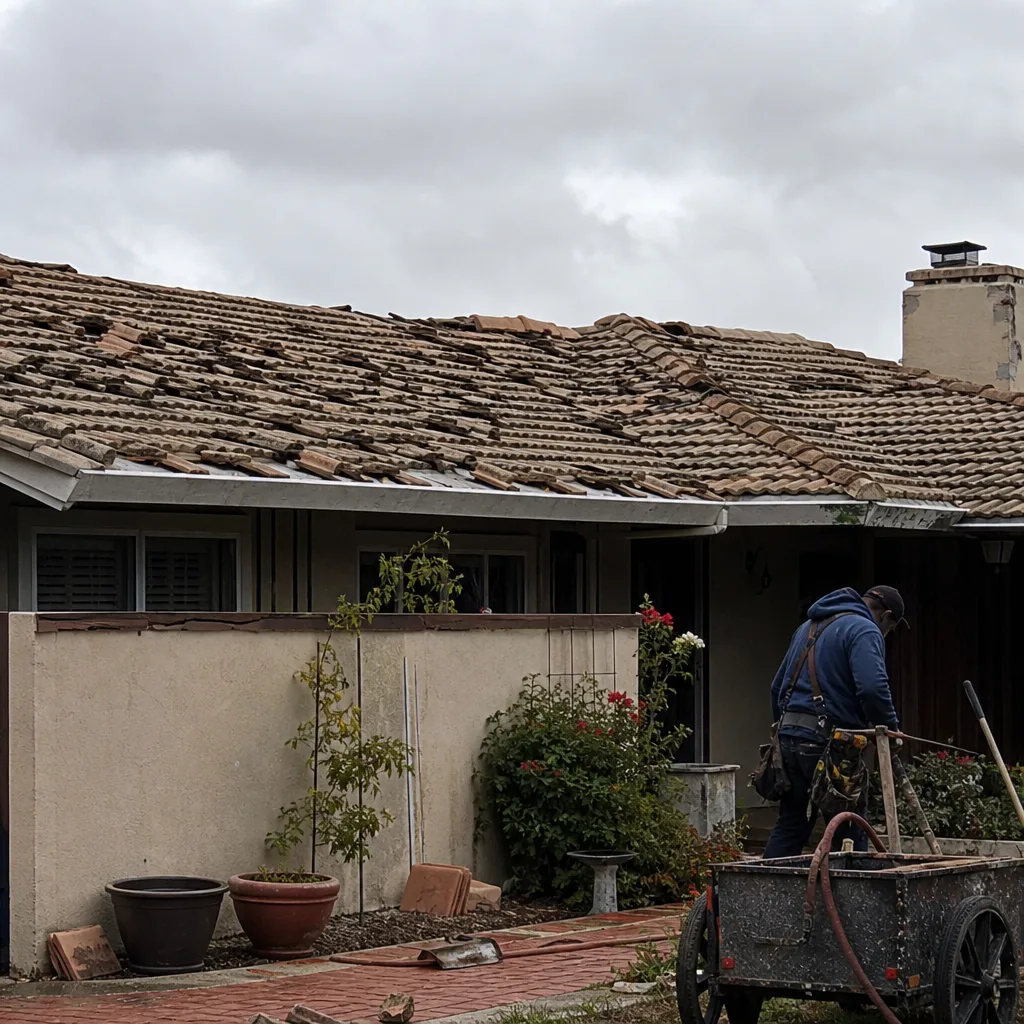 Before
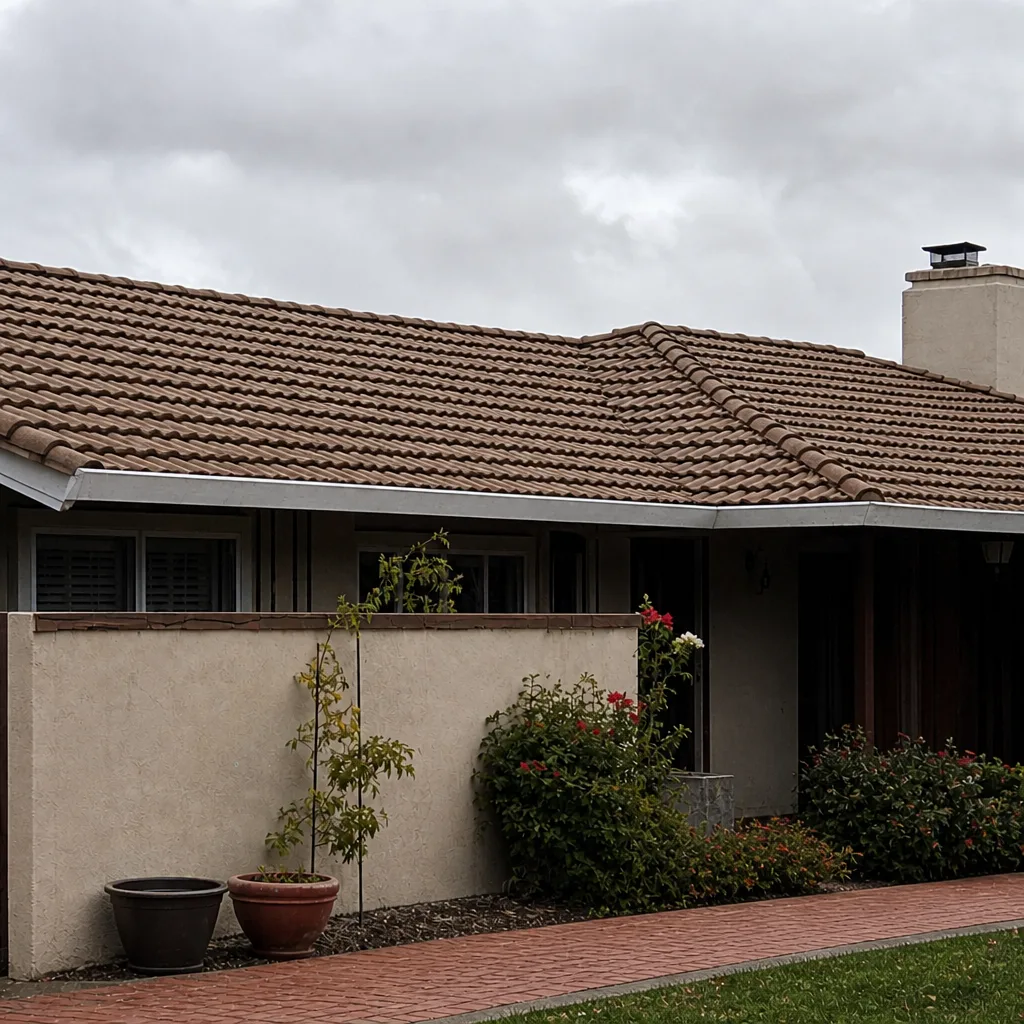 After
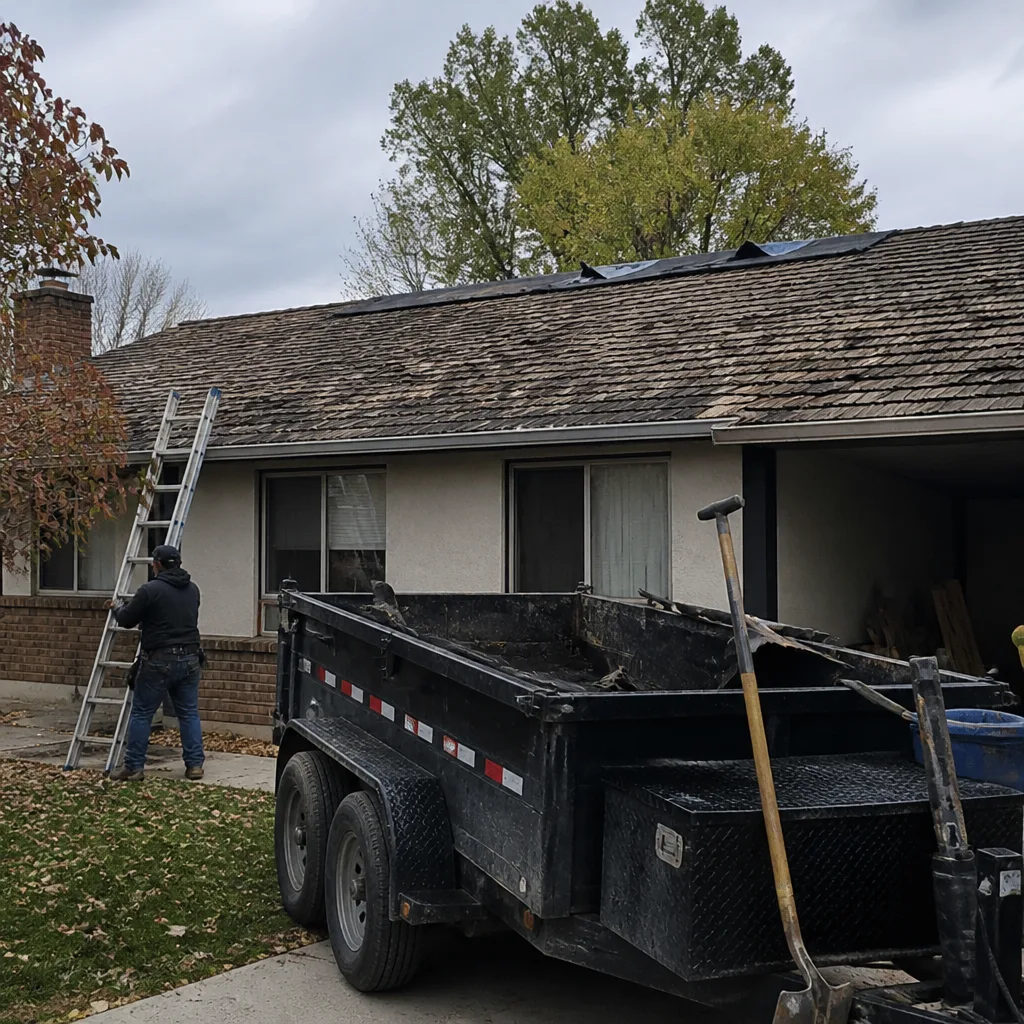 Before
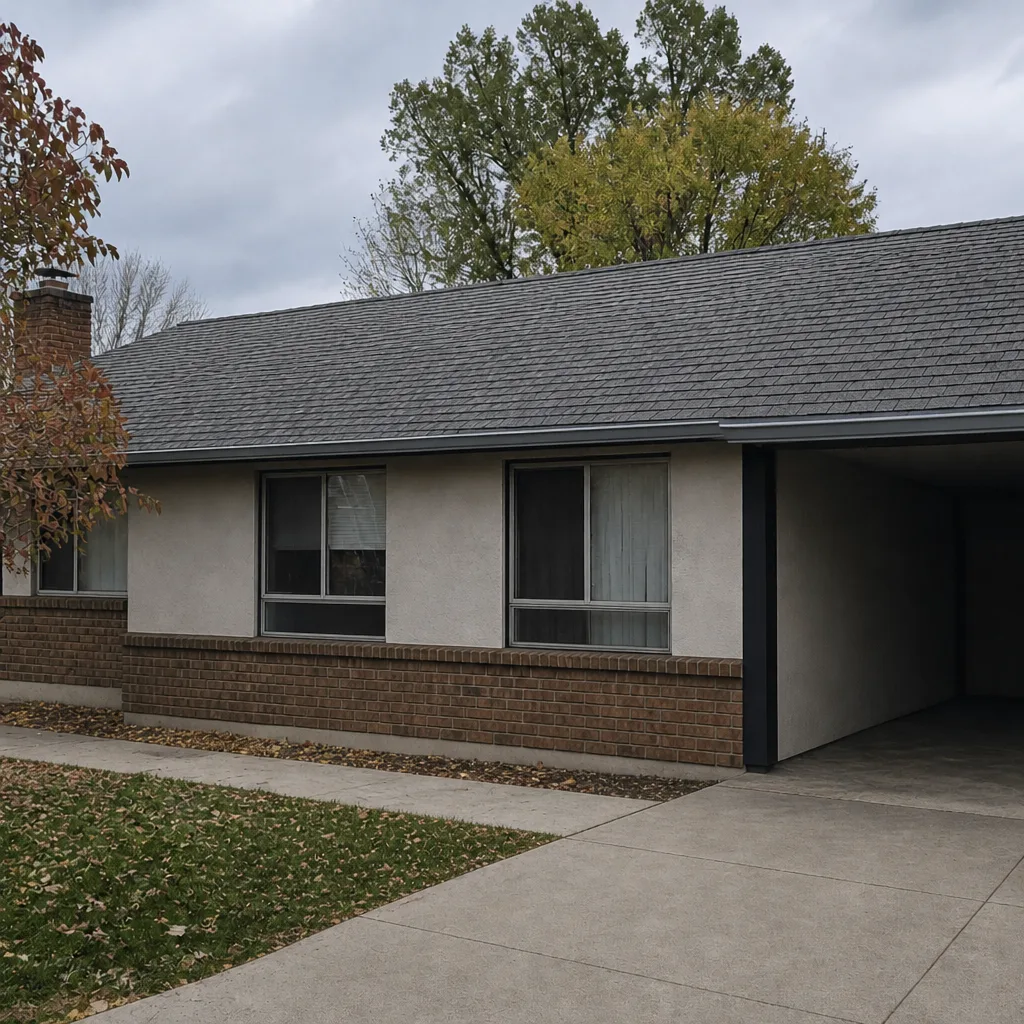 After
Signs You Need a New Roof in Winchester, NV: What Desert Heat and Wind Actually Tell You
If you’re waiting for a water stain on your ceiling to tell you your Winchester roof is failing, you’re waiting too long. The clearest signs you need a new roof in Winchester show up months before any water gets inside: fine cracks along shingle tab edges, granule piles in the gap between roof and stucco, cupped or curled shingle edges on west-facing slopes, and hairline stucco cracks near roofline corners. In a desert, roofs fail from the top down, and you can often see it from the street. If you’d rather have someone look, call Shepherd & Sons Roofing Winchester at (844) 797-8167.
Here’s why the national checklists don’t help you. Most “signs you need a new roof” advice is written for places where rain does the testing. Winchester’s roofs are almost never tested by water. They’re tested by 100°F summers and 40-60 mph gusts funneling off the Sheep Range. The damage is heat-driven and wind-driven, and it hides in plain sight until the first real storm finds an opening.
Why Winchester Roofs Fail Differently Than the Checklist Says
Walk any street in the 89110 or 89142 zips and you’re looking at the same story. Winchester is overwhelmingly 1980s and 1990s tract housing: single-story stucco-and-shingle homes on small lots, most of them wearing original builder-grade 3-tab asphalt shingles on low-pitch roof lines. Because the whole 1987-1997 boom aged on the same clock, these roofs are hitting the end of their service life in a concentrated wave. Roofers around here call it the Paradise Effect, and it means the house next door is probably in the same boat as yours.
The stucco-over-wood-frame construction matters too. Leaks in these homes often travel through the wall cavity before they ever show up on your ceiling. That’s why you have to learn to read the outside of the house, not the inside.
What to Look For: The Desert Failure Sequence
The real indicators in Winchester come in a rough order. Catch them early and you may be looking at repair. Miss the later ones and you’re pricing a tear-off.
- Fine cracks along shingle tab edges. Stand back from the house and look up. Hairline splits running along the edges of individual tabs are thermal cracking from years of afternoon heat, and they spread. Once several tabs on one slope are cracked through, that slope has lost its ability to shed the rare rain you do get.
- Granule piles in the gap between roof and stucco fascia. National checklists tell you to look in the gutters. Most Winchester homes don’t have long gutter runs, so the granules collect in that narrow shelf where the roof deck meets the stucco. A noticeable drift of grit there means the shingle surface is breaking down from UV exposure.
- Cupped or curled shingle edges on west-facing slopes. The west slope takes the full afternoon sun and the wind off the Sheep Range. When the shingle tabs start curling up at the corners, the seal is gone and the next gust gets underneath.
- Hairline stucco cracks near roofline corners and above window headers. Homeowners read these as foundation or settling problems. Usually they’re not. Water migrating from a wind-lifted shingle breach can travel the wall cavity and show up as a stucco crack at the point where the framing meets the wall. If the crack is high on the wall near a roof corner, suspect the roof before the slab.
- White mineral staining around the swamp cooler. This is the highest-risk zone on almost every Winchester roof. Evaporative cooler pads drip water all operating season, and the constant wet-dry cycling around the cooler penetration causes flashing failure and sheathing rot. If you see white mineral staining on the stucco below the cooler area, that flashing has probably been weeping for at least one full season.
- Lifted or missing shingles on the west-facing slope only. This is the wind-pattern tell. If the west slope is losing shingles and the east slope looks fine, the whole roof’s wind-uplift resistance is compromised, not just the missing pieces. The nailing pattern earns the wind rating, not the shingle wrapper, and once the fasteners on that slope start letting go, patching doesn’t fix the slope.
Two or three of these together usually means the roof is at the end of its life. One or two, caught early, might mean a targeted repair. Bill and his crew have been walking Winchester roofs since 1996 and will photograph the deck before anyone talks money, so you see what we see.
How Do I Know Whether It’s Repair or Full Replacement?
If your shingles are cracked across several tabs on one slope, granules are piling at the fascia, and the shingle field is original to a 1990s build, you’re looking at replacement, not repair. Patch jobs on a roof that far past its service life just buy you a season or two before the next slope fails.
Repair makes sense when the damage is isolated: a handful of wind-lifted shingles after a spring blow, a failed cooler flashing that hasn’t rotted the sheathing yet, or a single breached valley. Those are the jobs Bill’s crew handles as repairs every week. When you’re ready to price a full tear-off, our page on Roof Replacement & Installation walks through the process and what tear-offs involve in these HOAs. One thing specific to Winchester: many of these tracts are HOAs that require architectural approval for roof color and material changes, so the submittal packet has to go in before the first bundle comes off the truck. A roof is measured in squares, so ask any bidder how many they counted and get that number in writing.
What Does a Roof Assessment or Replacement Cost in Winchester?
A professional roof assessment should cost you nothing, and on these tract homes a full tear-off and replacement typically runs $9,000 to $18,000 depending on square count, pitch, and whether the deck needs sheathing repair around the cooler. Here’s roughly what each piece looks like:
| Job | Typical Range in Winchester |
|---|---|
| Roof assessment and written second opinion | Free |
| Minor repair (isolated shingles, one flashing) | $250 – $700 |
| Cooler area flashing rebuild and sheathing repair | $400 – $1,200 |
| Full tear-off and asphalt shingle replacement, single-story tract home | $9,000 – $18,000 |
| Deck sheathing replacement (per sheet, if rot is found) | $75 – $150 |
We run standing offers that apply on top of these ranges: $40 off any repair over $200, a free second opinion on any written estimate you’ve already received, and no trip charge inside our own county. Senior and veteran discounts are available too. When a roofer hands you a bid, ask them how they counted the squares, what brand of shingle they’re setting, and whether the deck repair is included or billed after. We install GAF, CertainTeed, Owens Corning, IKO, Atlas, Tamko, and Boral, so name the shingle and we’ve likely set it.
Do I Need to Replace My Whole Roof at Once?
Not always, but more often in Winchester than in wetter climates. When one slope fails, it’s usually the west slope, and the other three slopes on a 1990s tract roof are aging at nearly the same rate. Replacing one slope on a 25-year-old roof leaves you with a patchwork that’s hard to warranty and harder to match when the rest goes. Most Winchester homeowners are better off replacing the whole roof and getting the wind-uplift protection right in one pass. If your budget can’t cover that, a repair that reseals the cooler flashing and replaces the failed slope is an honest short-term move.
Whatever route you take, get the deck inspected before you commit. A shingle field that looks intact from the street can hide sheathing rot around the cooler penetration that only shows up when a roofer pulls a panel. Bill shows those photos before he talks price, and every roofing job is backed by the written 90-Day Done Right Promise. If it’s not done right, we make it right, and one call brings Bill back. Same address since 1996, and the name on the truck is the name on the license.
Frequently Asked Questions
The first sign is usually thermal cracking along shingle tab edges, visible as fine lines from the street, followed by granules piling in the gap between roof and stucco fascia. In Winchester’s heat, these show up years before any leak reaches your ceiling. If you see both on the same slope, call (844) 797-8167 and we’ll take a look.
Yes. UV heat breaks down shingle surfaces and wind gusts break the seals, so the roof fails from the top down long before rain tests it. That means a small wind-created breach can sit open for months until a rare monsoon storm pushes water inside. A free second opinion on any estimate you’ve got is the fastest way to know what stage your roof is at: call (844) 797-8167.
Usually a roof problem. Water from a lifted shingle breach travels through the wall cavity and shows up as a hairline crack where the framing meets the stucco, especially near roof corners and above window headers. If the crack is high on the wall, get the roof inspected before you call anyone about the slab. Live person answers the phone at (844) 797-8167.
Yes, in most Winchester homes it is. Evaporative cooler pads and lines drip water all operating season, and the repeated wet-dry cycling around the cooler penetration causes flashing failure and sheathing rot. White mineral staining on the stucco below the cooler area means that flashing has probably been weeping for at least a full season. Call (844) 797-8167 for a free assessment of the cooler area before it rots into the deck.
Key Takeaways
- Winchester roofs fail from heat and wind, not rain. Read the outside of the house, not your ceiling.
- Watch for thermal cracks along tab edges, granules at the stucco fascia, and curled edges on west-facing slopes.
- Stucco cracks near roofline corners usually signal a roof breach, not a foundation problem.
- The swamp cooler area is the highest-risk penetration on most Winchester roofs.
- Replacement on 1990s tract homes in the 89110 and 89142 zips typically runs $9,000 – $18,000, and assessments are free.
If you’d rather have it looked at, Shepherd & Sons Roofing Winchester offers a no-pressure assessment in Winchester. Bill photographs the deck before he says a word about price, and you’ll get a straight answer about repair or replacement with no trip charge inside our own county. Call (844) 797-8167 for a free estimate, or check our home page for everything else we handle.
Written by the team at Shepherd & Sons Roofing Winchester, serving Winchester, NV.