
Last updated November 17, 2026
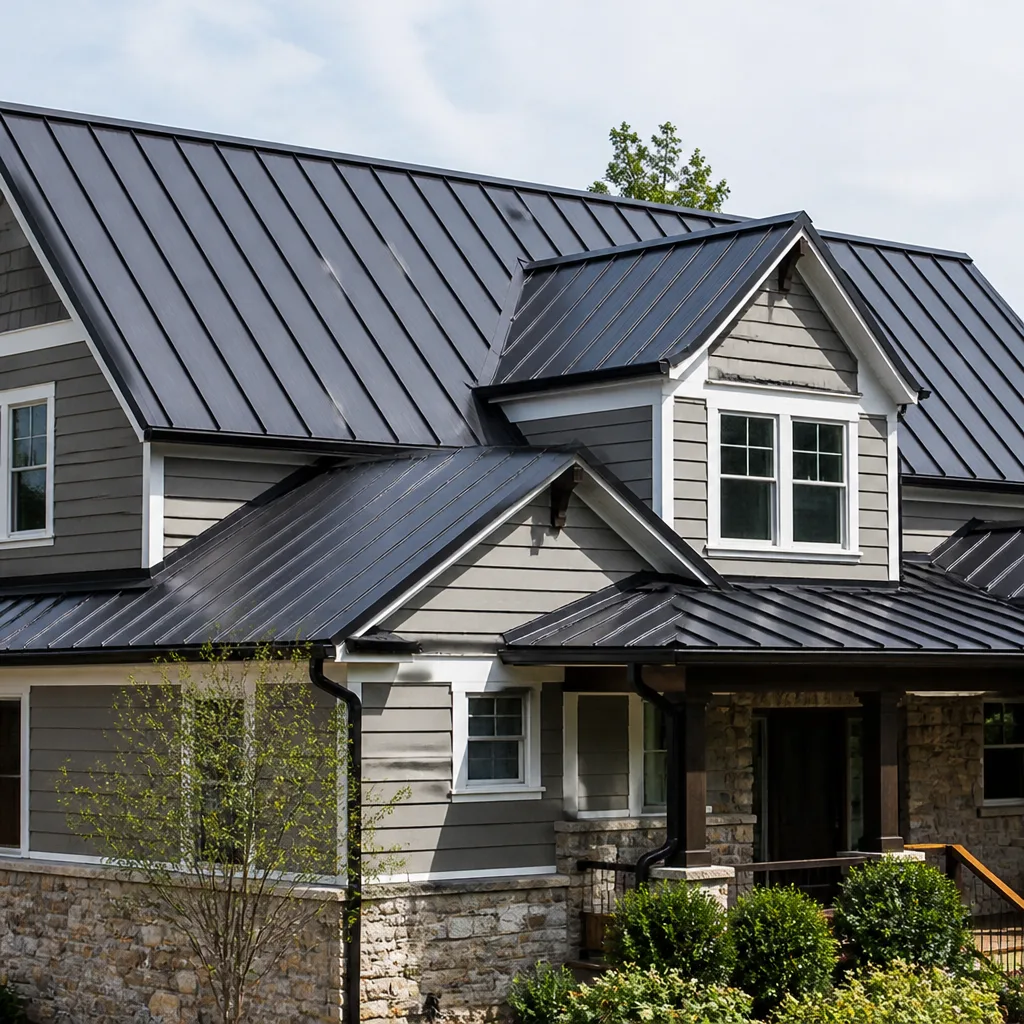 Metal roofing
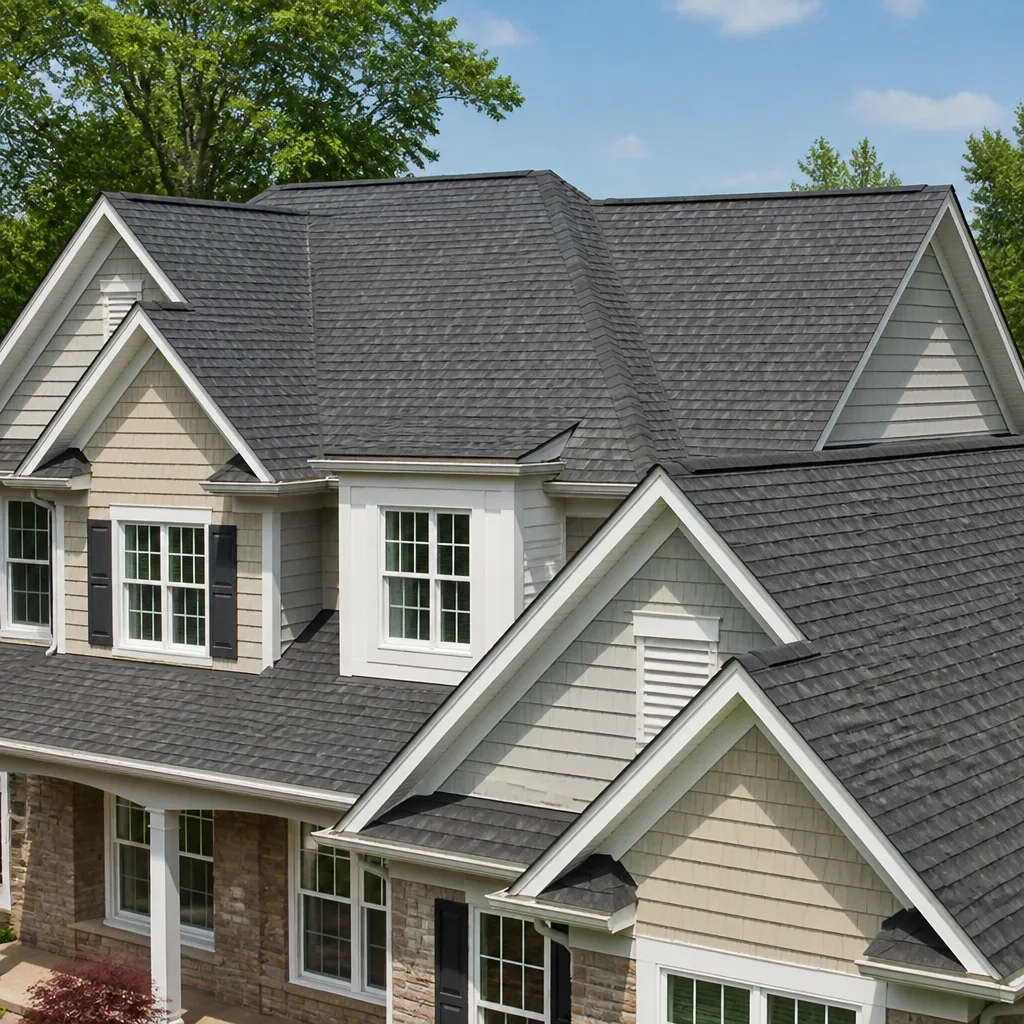 Architectural shingles
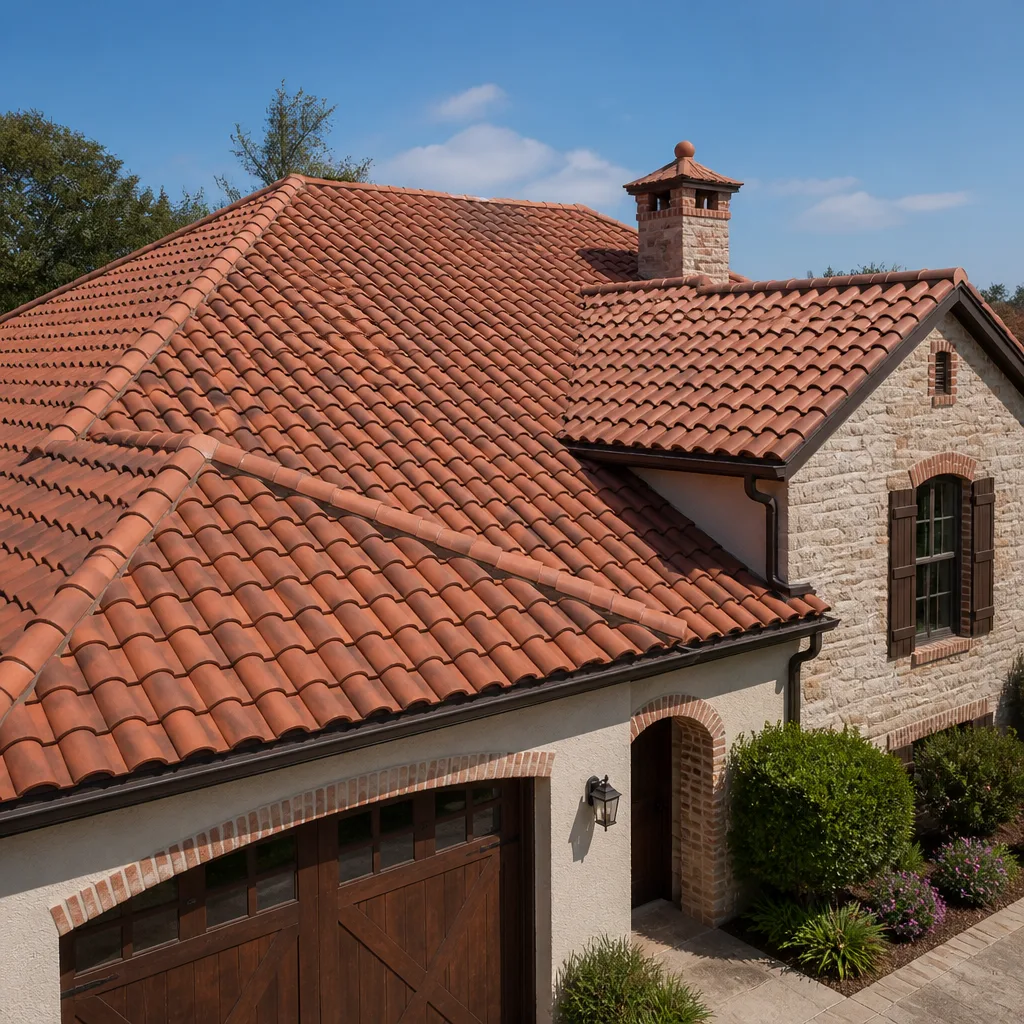 Tile roofing
 GAF
 Owens Corning
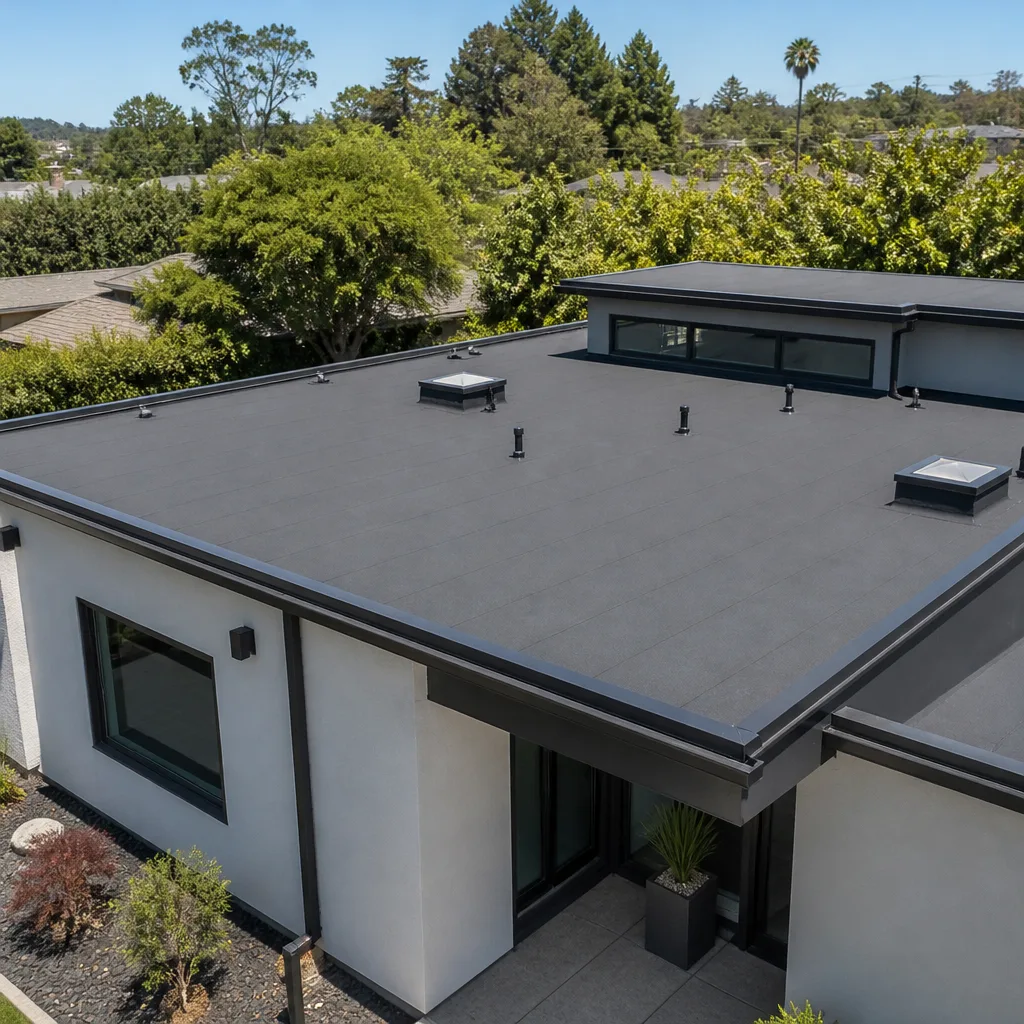 Flat & low-slope
Free roof inspection with deck photos before we talk money - GAF and Owens Corning certified installation
DIY vs Professional Specialty Roofing: What’s Safe to Do Yourself
A $200 tube of foam coating applied by a homeowner has a good chance of voiding a $12,000 warranty. That’s not a scare tactic. It’s a clause buried in most specialty roofing manufacturer agreements that almost nobody reads before they climb the ladder. Specialty systems – spray foam, standing-seam metal, tile, membrane flat roofs – are where the DIY savings look biggest and the DIY mistakes cost the most, because the money at risk isn’t just the repair. It’s the whole system warranty. Here’s what a homeowner in Winchester can safely handle, what voids coverage, and how to check before you touch anything.
Quick Answer
Safe DIY on specialty roofing is limited to non-invasive work: clearing drains and scuppers, removing debris, and photographing damage for documentation. Anything that touches the roofing system itself – resealing penetrations, adding coating, tightening metal fasteners, replacing tile or membrane – can void manufacturer warranties on foam, metal, and membrane systems, because those warranties typically only remain valid when repairs are done by an approved or certified installer. If you’re unsure of your warranty type, call for a free second opinion before you spend a dollar on materials. It’s the cheapest move on the table.
Styles & brands we work with
- Architectural shingles
- Metal roofing
- Tile roofing
- GAF
- Owens Corning
- Flat & low-slope
Table of Contents
- The Warranty Math: Why the Savings Rarely Survive
- What You Can Safely Do Yourself
- The “Low-Risk” DIY That Creates Warranty Exposure
- Registered Installer Warranty vs. Materials-Only: How to Tell
- Specialty Systems in Winchester: Foam, Metal, Tile, Membrane
- How to Document Damage Before Anyone Touches the Roof
- The Second Opinion Is Cheaper Than the Mistake
The Warranty Math: Why the Savings Rarely Survive
A specialty roof is priced around its system warranty. A spray polyurethane foam roof with a coating system carries coverage that can run well into five figures over its lifespan. A standing-seam metal roof installed with a registered installer warranty covers far more than the panels themselves – it covers the seams, the fasteners, and the finish. When an uncertified person repairs or alters that system, most manufacturers reserve the right to consider the warranty void from that point forward, regardless of whether the repair itself was done well.
We’ve seen this play out in Winchester more than once. A homeowner patches a coating blister on a foam roof with an over-the-counter product. Two summers later, the coating fails across a 400-square-foot section. The manufacturer’s adjuster inspects, finds the non-approved patch, and declines the claim. The homeowner saved $300 on the patch and lost coverage on a roof section worth five figures. The math almost never works in the homeowner’s favor once a warranty is involved.
Compare that to what a professional repair actually costs. On a foam roof, a localized recoat with the manufacturer’s approved coating might run $400-$900 for a small area. On metal, resealing a penetration might run $150-$350 per location. Those numbers look bigger than a tube of caulk. They’re also the numbers that keep the warranty intact.
What You Can Safely Do Yourself
There’s a real list here, and it’s worth knowing because it’s genuinely useful. None of these tasks touch the roof surface or alter the system in any way:
- Clear drains and scuppers. On flat and low-slope specialty roofs, a clogged drain is the number one cause of ponding and eventual membrane failure. Clearing leaves and debris from the drain basket is safe, free, and prevents real damage.
- Remove debris from valleys and behind chimneys. Pine needles and leaf litter trap moisture and accelerate wear. Sweeping them off with a soft broom – from a ladder, not by walking the roof – is safe on most systems.
- Photograph everything. Every crack, blister, lifted seam, dented panel, or cracked tile. Date-stamped photos are the single most valuable thing you can hand a roofer or an insurance adjuster.
- Note the location of leaks. When water appears inside, mark the ceiling and write down the date, weather conditions, and where the water entered. That pattern helps a roofer trace the source fast.
- Check gutters and downspouts from the ground. A garden hose run into a downspout tells you whether it’s flowing. You don’t need to be on the roof to know a downspout is clogged.
None of that requires climbing onto a pitched specialty roof. On metal, in particular, walking the surface in Winchester’s summer heat is genuinely dangerous – panels get hot enough to burn skin, and a wet morning makes them slick. In our experience, most homeowner injuries on metal roofs happen on a “quick look,” not on a planned project.
The “Low-Risk” DIY That Creates Warranty Exposure
This is where homeowners get hurt, and it’s almost always the same three tasks. They feel like minor maintenance. They’re not, from a warranty standpoint.
- Resealing penetrations. Running a bead of caulk around a vent pipe or chimney boot feels low-risk. On a registered-installer warranty, that’s a repair to the system, and it needs to be done with the manufacturer’s specified sealant in the specified manner. A $12 tube of hardware-store caulk can be the reason a warranty claim gets denied two years later.
- Adding coating. This is the big one on foam roofs. Foam coatings and topcoats are engineered as part of a system. The wrong product, the wrong thickness, or the wrong surface prep breaks the coating bond and creates blistering. Manufacturers specify which coatings are approved and who is permitted to apply them. Anybody can buy a tube. Only certified installers keep the warranty valid.
- Tightening fasteners on metal panels. A loose screw looks like a five-minute job. Over-torque it and you crush the washer, breaking the seal. Torque it too little and the panel walks under thermal movement. On a metal roof with exposed fasteners, the fasteners are part of the wind rating and the warranty. A roofer with a torque setting and the right replacement washer gets it right in one trip.
We’ve seen homeowners in Winchester who did a beautiful job on a reseal – honestly, better than some contractors – and still lost coverage because the manufacturer required an approved installer. The workmanship wasn’t the issue. The paperwork was.
Registered Installer Warranty vs. Materials-Only: How to Tell
Before you touch anything, find out which warranty you have. The rules are completely different, and this is the piece most homeowners never check.
- Materials-only warranty: The manufacturer warrants that the product itself is free of defects. It typically doesn’t cover labor, installation errors, or alterations. Under this type, a homeowner repair may not void the material warranty outright, but it can give the manufacturer a reason to deny a claim if the failure traces back to the repair.
- Registered installer warranty (sometimes called a system warranty or a Golden Pledge-style warranty): The manufacturer covers the whole system – materials, labor, and certain installation-related failures – on the condition that the roof was installed by a certified or registered contractor and repairs are made by an approved installer. This is the more valuable warranty and the more fragile one. Non-approved repairs typically void it.
How to tell which one you have: find the warranty certificate. It’s usually a separate document from the original contract, often mailed to the homeowner after installation. Look for the words “registered,” “certified installer,” “system warranty,” or a named warranty program. If you can’t find it, call the manufacturer’s customer service line with the property address. They keep registration records. On a metal or foam roof installed in the last fifteen years in Winchester, there’s a good chance a registered warranty exists – and there’s a good chance it’s the reason to keep your hands off the seams.
Specialty Systems in Winchester: Foam, Metal, Tile, Membrane
Winchester sits in a high-desert climate with intense UV, wide temperature swings, and monsoon-season blowing dust and rain. That combination is hard on specialty systems, and it’s also why those systems are popular here – they handle the climate better than standard asphalt when they’re installed and maintained correctly. Each one has its own DIY rules.
Spray foam roofs. Excellent UV and insulation performance in Winchester heat, but the coating is the wear layer, and coating failures are the number one repair call we get. DIY coating repairs are the highest-warranty-risk task on this list. Leave them to an approved applicator.
Metal roofs. Standing-seam and exposed-fastener metal both handle the desert sun well. The wind rating on metal lives in the nailing pattern or the clip spacing and the fastener torque – not the panel. Walking a metal roof in Winchester’s summer heat is both a burn risk and a warranty risk. Keep it to inspection from a ladder and let the pros handle any fastener or seam work.
Tile roofs. Common on Spanish-style homes. Tile is brittle and walking it wrong cracks tiles and breaks the underlayment. A single cracked tile lets water in, and the underlayment below is what actually keeps the house dry. Tile repairs are a professional job.
Membrane flat roofs. TPO and modified bitumen flat systems on additions and low-slope sections. Ponding is the enemy, and it’s usually a drain problem, not a membrane problem. Clearing the drain is safe DIY. Patching a seam is not – the seam is where the warranty lives.
If you’ve got specialty roofing on your home and want to know what’s safe to touch, roof repair in Winchester for a specialty system is worth a call before you buy a single tube of anything.
How to Document Damage Before Anyone Touches the Roof
This is the one DIY job that pays for itself every time. If you suspect a problem, document it before you do anything else. A good photo record serves three purposes: it helps a roofer diagnose fast, it helps an insurance claim, and it protects the warranty record by showing the system was unaltered before the repair.
- Photograph the interior first. Water stains, drips, and bubbling paint. Use a tape measure in the frame to show scale, and shoot with a date stamp turned on.
- Photograph the suspected exterior area from the ground or a ladder – not by walking the roof. A phone with a zoom lens from a ladder gets a usable image of most penetrations and seams.
- Write down the conditions. Date, time, weather, and what was happening when the leak appeared. A leak that shows up in a wind-driven rain is different from a leak that shows up on a still morning.
- Pull the warranty paperwork together. Find the certificate before a roofer arrives. This is the document that decides which repairs are allowed.
- Keep the receipts and photos together. If a warranty claim ever gets filed, the paper trail is what gets it paid.
This is the documentation habit that separates a paid claim from a denied one. If a storm hits Winchester and you’re filing, photos taken before any repair work is the strongest evidence you’ll have.
The Second Opinion Is Cheaper Than the Mistake
Here’s the move most homeowners skip. Before you buy materials, before you climb the ladder, call a roofer for a free second opinion. Not to do the repair for you. To tell you what your warranty allows and what it doesn’t.
We’ve seen a homeowner spend $600 on coating and tools for a foam roof repair that would have voided a $10,000-plus system warranty. One phone call would have told them to leave it alone and let an approved applicator handle a repair that ran $700. That’s the entire story of DIY specialty roofing: the savings look real until you count what you’re risking.
If you’re deciding between a professional reroof and a repair on a specialty system, our roof replacement & installation in Winchester page walks through the decision from the other side. For metal specifically, metal roofing in Winchester covers what a standing-seam system requires from a certified installer and why the wind rating is set at install.
Common Mistakes to Avoid
- Applying non-approved coating to a foam roof. It’s the fastest way to void a system warranty. The coating bond depends on the right product on a prepared surface. Hardware-store products usually aren’t on the manufacturer’s approved list.
- Resealing a penetration with the wrong sealant. A $12 tube of caulk can undo a registered warranty. On metal and membrane systems, the sealant type and application method are specified in the warranty fine print.
- Walking a metal roof in summer heat. Panels climb well past 140°F in Winchester’s sun, and morning dew makes them slick. This is a real injury risk, not a theoretical one.
- Over-torquing fasteners. A crushed washer breaks the seal and voids the coverage on that penetration. Under-torquing lets the panel walk. The correct torque is in the installation manual.
- Patching a membrane seam without knowing the warranty terms. The seam is the most warranty-regulated part of a flat system. A homeowner patch there is usually the wrong move.
- Spending money before finding the warranty certificate. Call the manufacturer with the property address first. It’s free, and it decides everything else.
- Ignoring a clogged flat-roof drain. A blocked scupper that ponds water for weeks will find a seam eventually. Clearing drains is the one task you should absolutely do, and most homeowners don’t.
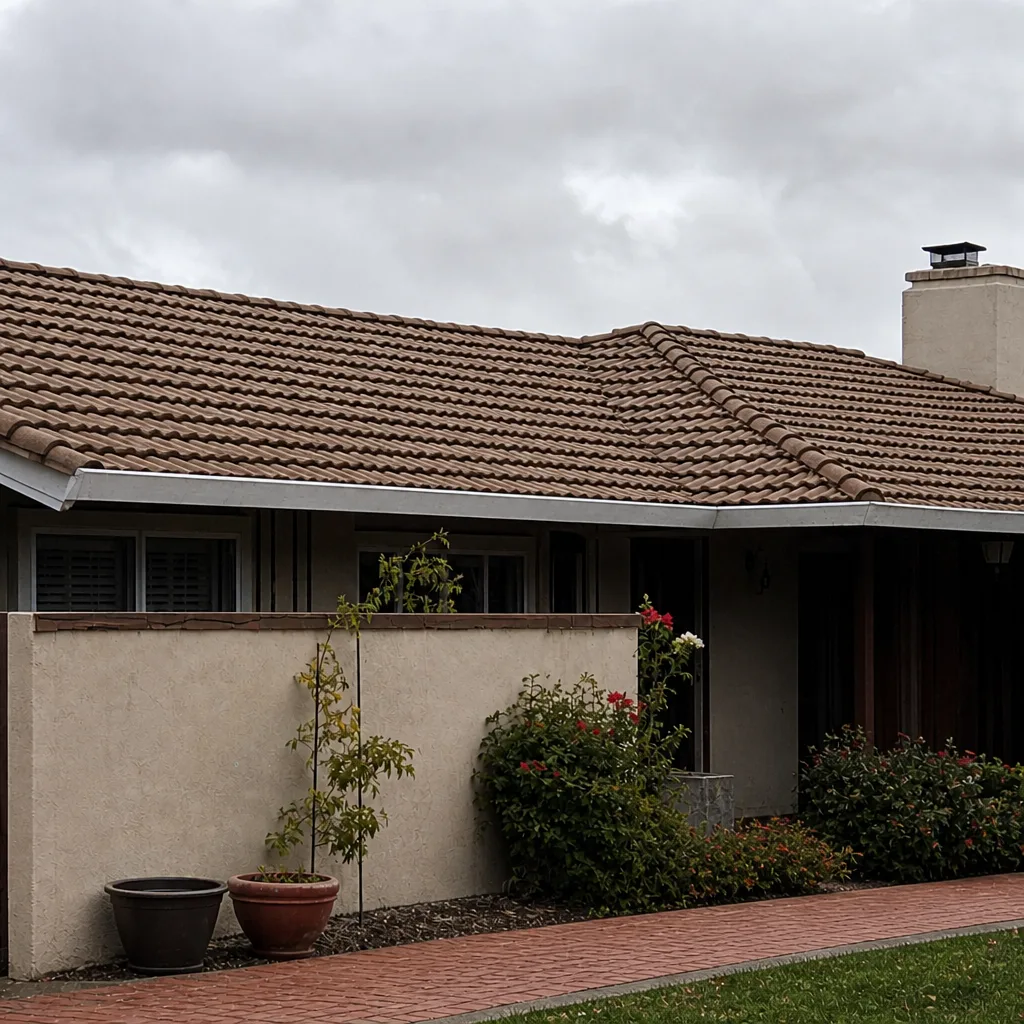
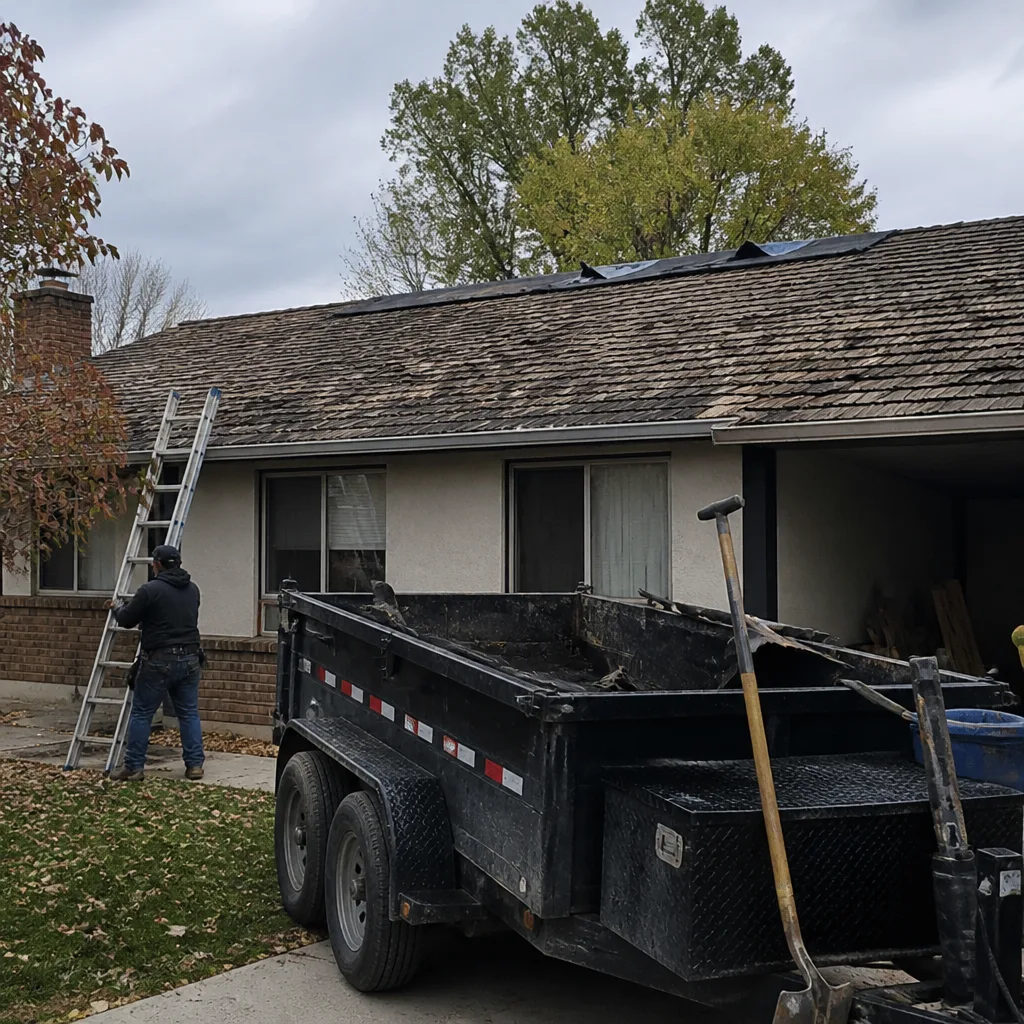
See the difference
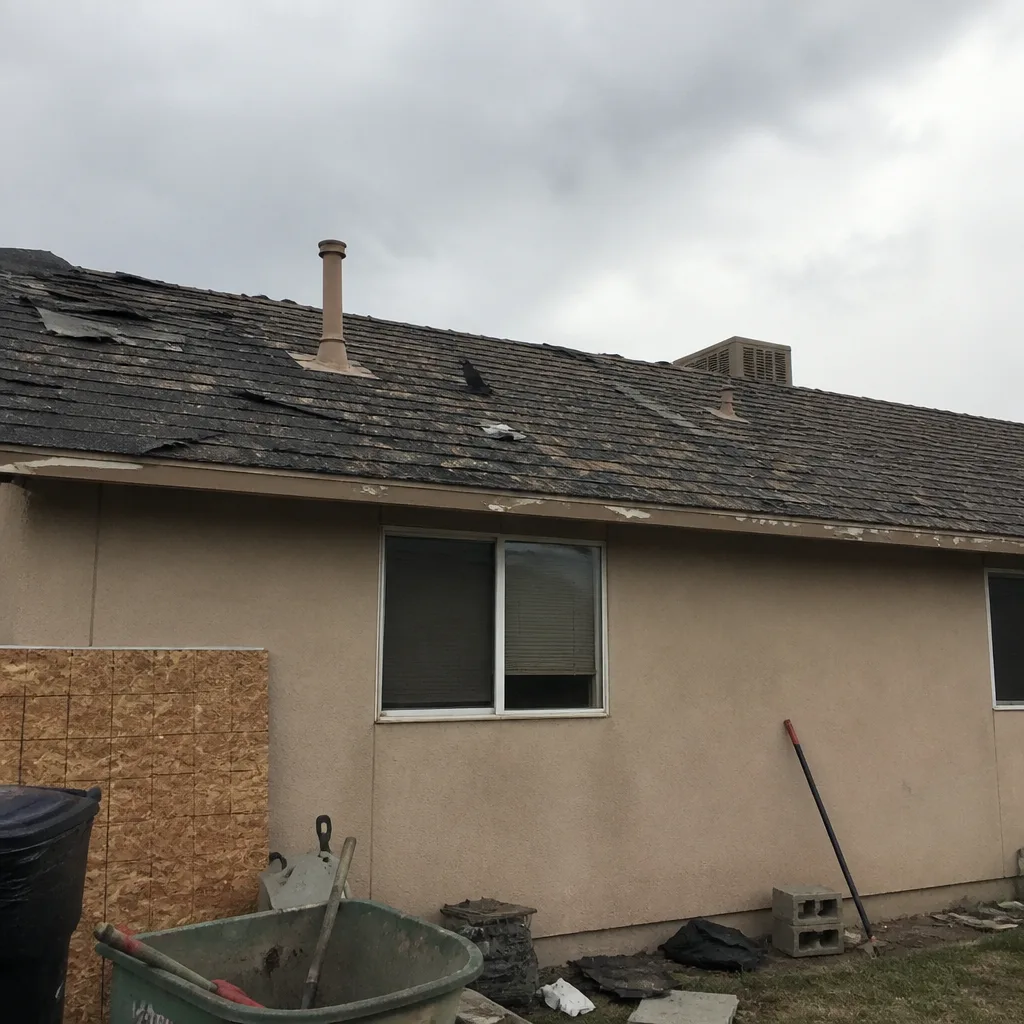 Before
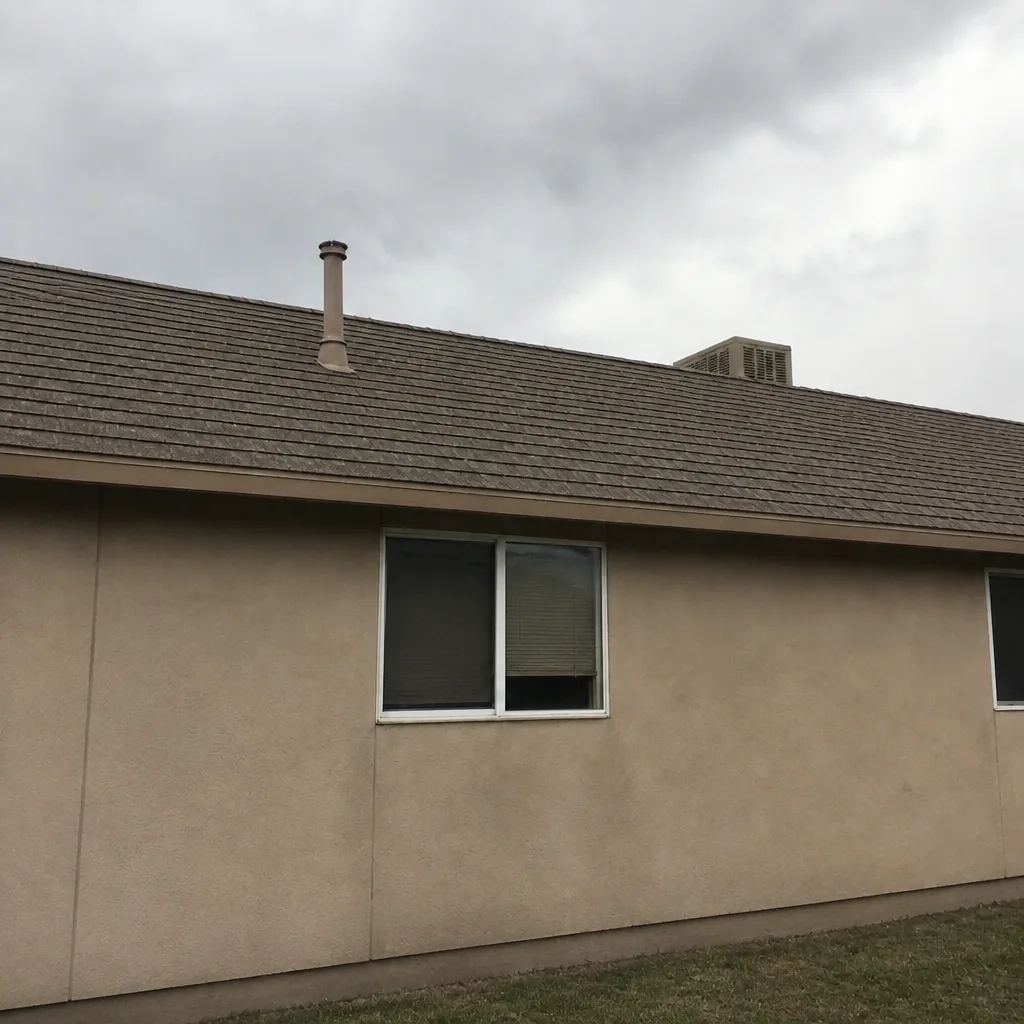 After
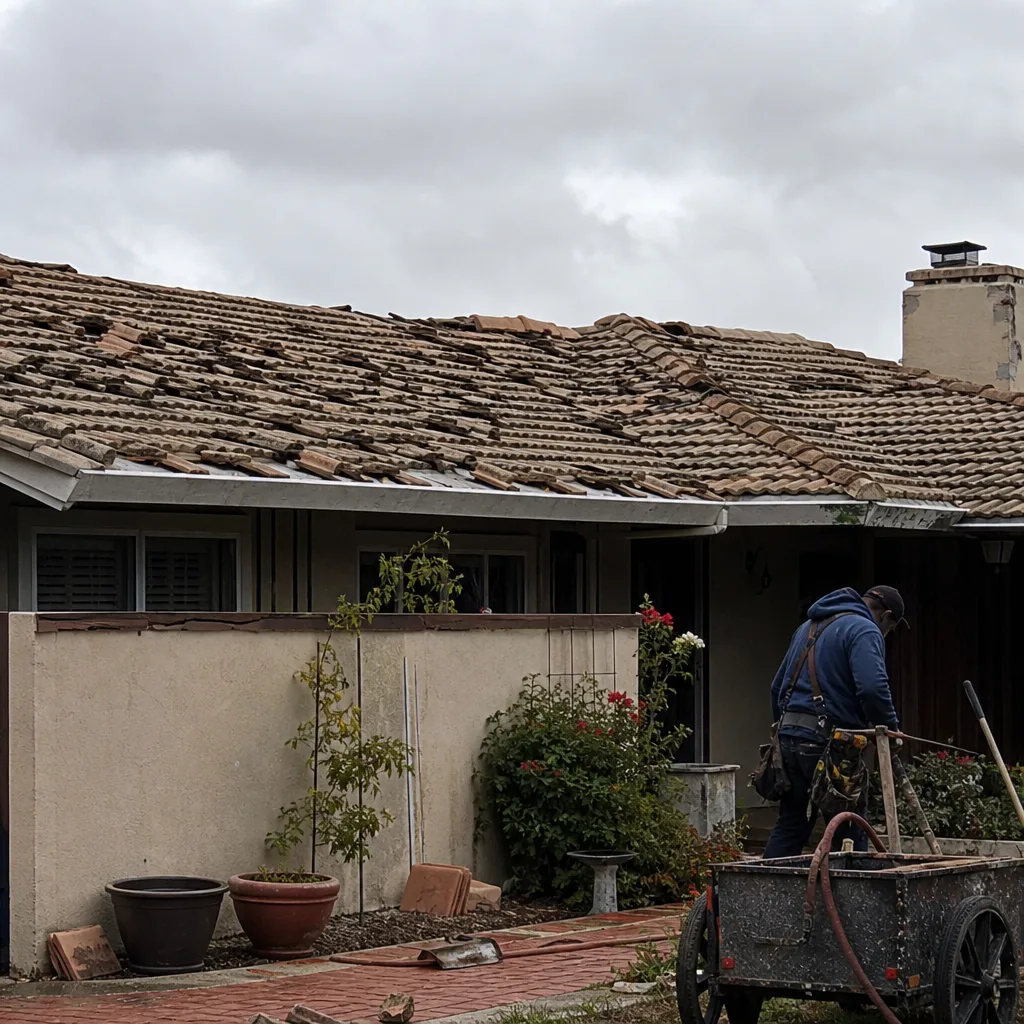 Before
 After
 Before
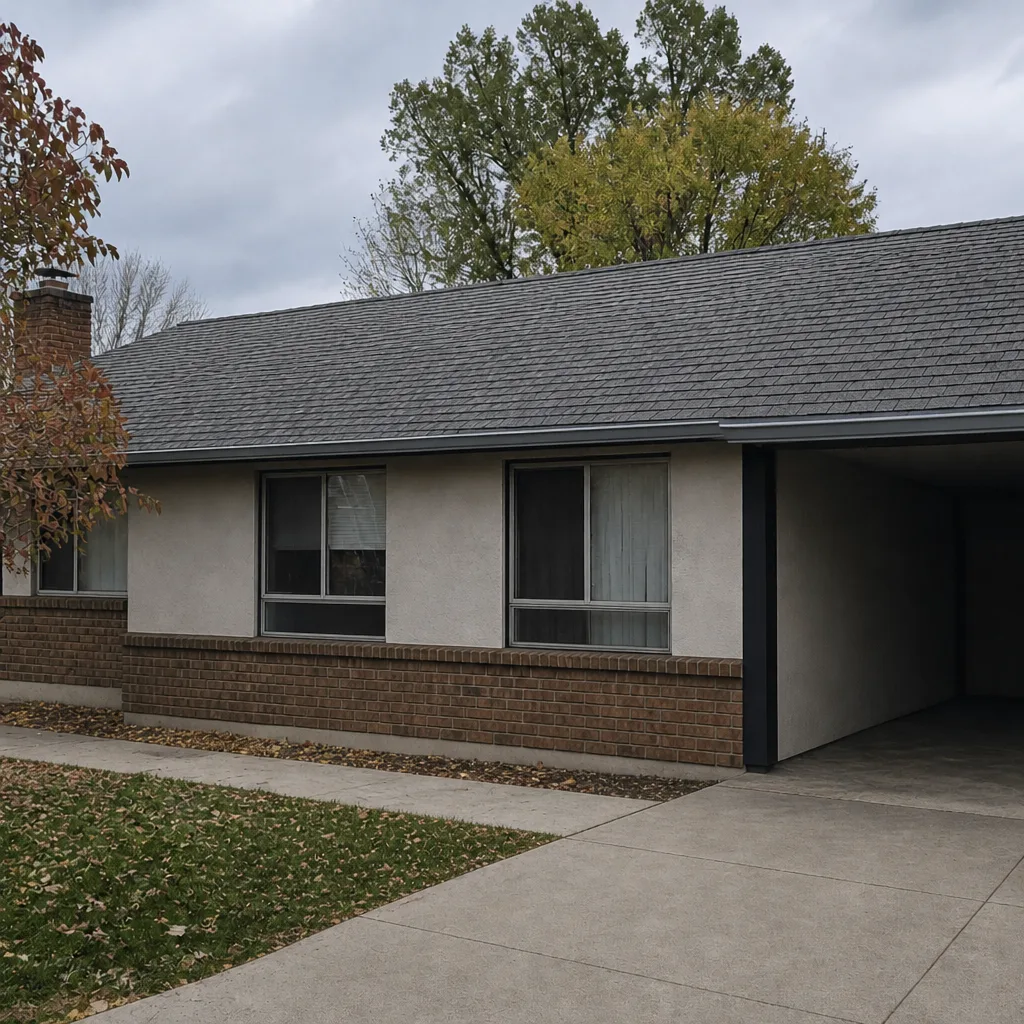 After
When to Call a Professional
Call a professional any time the repair touches the roofing system itself: coating, seams, penetrations, fasteners, tile, or membrane. Call when a roof has a registered installer warranty, when a leak has moved past a single spot, when there’s ponding water, when a panel is lifted or a tile is cracked. Call when you can’t find the warranty paperwork – a licensed roofer can usually help you track it down faster than you can on your own. Shepherd & Sons Roofing Winchester offers free estimates in Winchester with no trip charge inside the county, and Bill will come out and look before anyone talks money. One call brings him back if the work needs a second look – that’s the 90-Day Done Right Promise in writing on every job.
Frequently Asked Questions
Only if the work doesn’t touch the roofing system – clearing drains, removing debris, and photographing damage are safe. Any repair that alters the coating, seam, penetration, or fastener on a foam, metal, tile, or membrane roof risks voiding the manufacturer’s warranty if you’re not an approved installer. Call us for a free second opinion before you buy materials.
On most registered foam system warranties, yes. The warranty typically requires repairs to be performed by an approved or certified applicator, and a homeowner repair – even a good one – can give the manufacturer grounds to deny a future claim. The exact language varies by manufacturer, so ask for the certificate before you assume you’re covered.
Look for the warranty certificate, which is usually a separate document mailed after installation. If you can’t find it, call the manufacturer with your property address – they keep registration records. The words “registered,” “certified installer,” or “system warranty” tell you it’s the more valuable, more restrictive type.
No. On metal systems, the penetration seal is part of the wind rating and the warranty. The right repair uses the manufacturer’s specified sealant or replacement boot, applied correctly. Our technicians have up to 30 years of experience with metal systems from GAF, CertainTeed, Owens Corning, IKO and others, and we’ll tell you straight what your warranty allows.
Localized foam recoat runs roughly $400-$900 for a small area; a metal penetration reseal runs $150-$350 per location; a tile repair is often $250-$600 depending on access and tile match. You’ll get a written line-item quote with no change orders, and free estimates are always free.
Yes – date-stamped photos of the interior damage and the suspected exterior area are the single most useful thing you can hand a roofer or an insurance adjuster. Shoot from the ground or a ladder, never by walking a metal or tile roof. Photos taken before any repair are the strongest warranty and claim evidence you’ll have.
The Bottom Line
Specialty roofing DIY comes down to one question: does the repair touch the system? Drains, debris, and documentation are safe and worth doing. Coating, seams, penetrations, and fasteners are not – and on a registered installer warranty, a homeowner repair can void coverage that runs into five figures. Find the warranty certificate first. Then decide. If you’re not sure, a free second opinion is the cheapest insurance you can buy. Shepherd & Sons Roofing Winchester has been at the same address since 1996 with the same name on the truck and the same owner on the roof – ask the storm chasers where theirs is. Call (844) 797-8167 for a free estimate, and start with our Shepherd & Sons Roofing Winchester home page if you want the full picture of what we do.
Written by the team at Shepherd & Sons Roofing Winchester.