
Last updated November 17, 2026
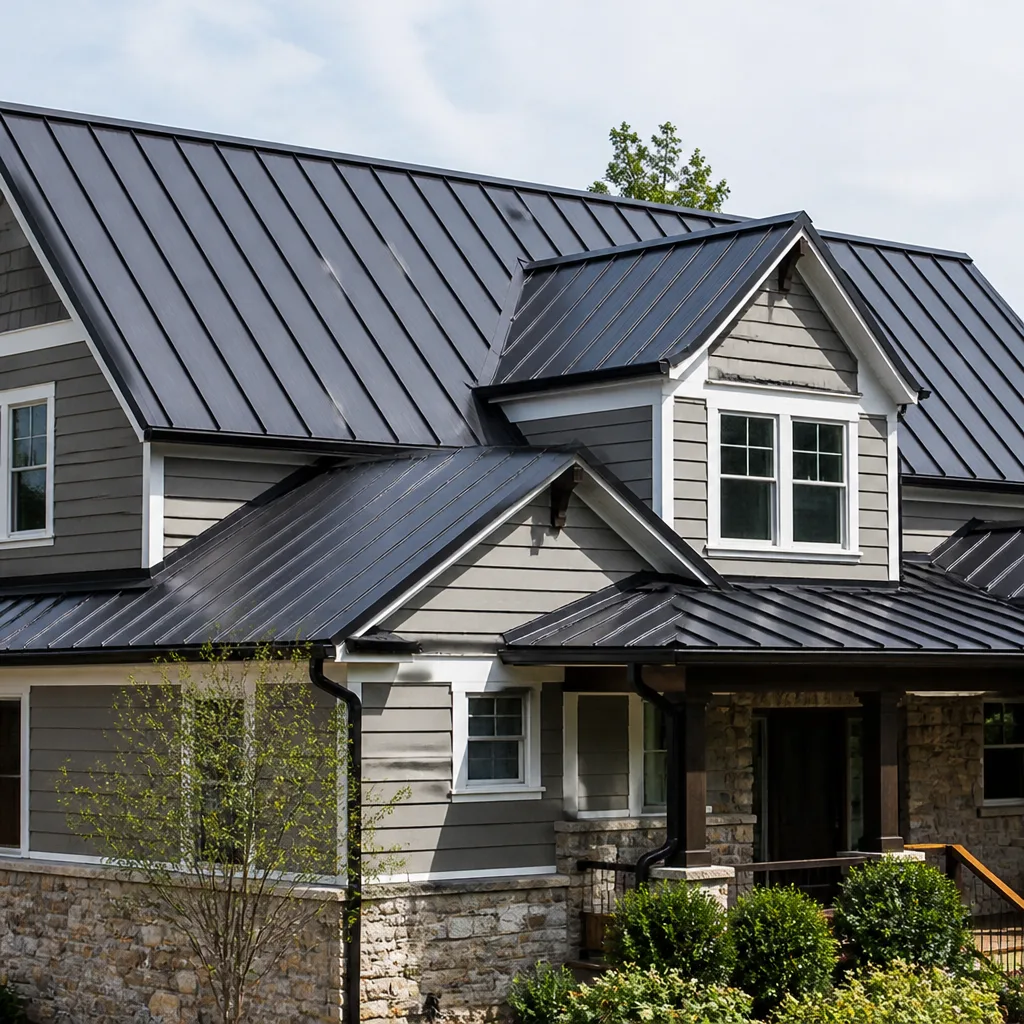 Metal roofing
 Architectural shingles
 Tile roofing
 GAF
 Owens Corning
 Flat & low-slope
Free roof inspection with deck photos before we talk money - GAF and Owens Corning certified installation
How Long Does Metal Roofing Take? Timelines and What to Expect
A metal re-roof on a comparable house runs 20 to 40 percent longer than an asphalt shingle job. That’s the honest number, and it surprises people. The crew that quotes you the same timeline for both is either using a different definition of “done” or skipping steps you’ll only find out about when the first hard rain hits. Metal isn’t harder to install. The sequencing is just unforgiving. Here in Winchester, where the wind comes across the valley and the sun bakes panels from May through September, that sequencing matters more than most homeowners realize. What follows is a phase-by-phase look at where the time actually goes, what it buys you, and how to read a timeline that sounds too good.
Quick Answer
A typical single-story residential metal roof install runs 3 to 6 days on site, with standing seam landing toward the longer end and exposed-fastener panels toward the shorter. Add 1 to 2 days for tear-off and deck prep if the old roof comes off. Weather and temperature can stretch that to 7 to 10 days, and a complex roofline with multiple valleys and dormers adds a day or two on its own. A metal roof on a house in Winchester is usually a one-week project, not a one-day one.
Styles & brands we work with
- Architectural shingles
- Metal roofing
- Tile roofing
- GAF
- Owens Corning
- Flat & low-slope
Table of Contents
- The Full Timeline, Phase by Phase
- Why the Layout Phase Eats the Time
- Nevada Weather Windows: It’s Not the Rain
- Standing Seam vs. Exposed Fastener Timelines
- “We’ll Be Done in a Day” – When That’s True and When It’s a Red Flag
- Deck Prep and What Happens Underneath
- How to Get Your Winchester Home Ready
- Common Mistakes to Avoid
The Full Timeline, Phase by Phase
On a straightforward single-story home in Winchester, here’s how the days usually break down. These are working days, and your contractor should walk you through each one before you sign anything.
- Tear-off and inspection (1 day): The old roofing comes off down to the deck. This is where we find soft sheathing, old leaks, or a deck that needs re-nailing. You see deck photos before we talk money on repairs.
- Deck prep (half to 1 day): Replacing rotten sheathing, hammering down popped nails, adding ice-and-water underlayment at the eaves and valleys.
- Underlayment (half day): The synthetic or peel-and-stick membrane goes down. This is the waterproofing that actually keeps water out; the metal is the armor on top of it.
- Panel layout and staging (1 full day): Chalk lines get snapped, panels get staged and lifted. This is where most of the extra time lives on a metal job versus asphalt.
- Panel installation (1 to 2 days): Panels go up and get fastened per the manufacturer’s nailing pattern.
- Trim, ridges, and flashing (1 day): Ridge caps, rake trim, drip edge, and all the transitions around skylights and vents.
- Cleanup and final walk (half day): Magnetic sweep for metal shavings, gutter check, and a walk-through with you.
That’s 5 to 6 working days on a plain single-story. A two-story with a cut-up roofline in the older parts of Winchester pushes toward 7 to 8. If you want to compare options before committing, our guide to Metal Roofing in Winchester covers the material choices in more depth.
Why the Layout Phase Eats the Time
Ask any roofer to describe the difference between an asphalt day and a metal day and you’ll hear the same answer: asphalt is unrolling bundles, metal is measuring and snapping lines. On an asphalt job, a shingle bundle comes out of the wrapper and gets nailed. There’s a rhythm to it. On a metal job, every panel run starts with a chalk line, a measurement against the previous panel, and a check that the lap alignment is square to the ridge. Get that wrong on day one and you don’t find out until the first hard rain, when water runs sideways under a seam six feet away from where the problem started.
Here’s what the layout phase actually looks like:
- Lasering the ridge to find the true center line and confirming the square
- Snapping chalk lines down the length of every panel run, at the eave, at mid-slope, and at the ridge
- Pre-drilling or pre-cutting panels to accommodate hips, valleys, and penetrations
- Staging panels on the ground or on a lift rather than carrying them up the ladder
- Dry-fitting the first few runs to confirm trim alignment before the install goes wide
On a typical Winchester single-story, that layout day is 6 to 8 hours that don’t exist on an asphalt schedule. It’s not padding. It’s the difference between a roof that sheds water for 40 years and one that develops a leak at the second winter. Your contractor should be able to tell you the panel count and the linear feet of trim before they swing a hammer; a roof is measured in squares, so ask any bidder how many they counted.
Nevada Weather Windows: It’s Not the Rain
Most metal roofing guides written on the coasts worry about rain. Here in Winchester, the thing that stretches timelines most is temperature, not precipitation. Certain sealants and butyl tapes on metal systems have a temperature floor, usually somewhere between 35 and 40 degrees Fahrenheit, below which they don’t cure correctly. A panel installed over cold sealant looks fine on day one and fails to bond by the end of summer. That’s the failure you don’t want.
Three things actually control the calendar on a Winchester metal job:
- The morning temperature floor: Winter installs sometimes wait until mid-morning for the deck and panels to warm above the sealant minimum. That can add an hour or two per working day.
- Wind above roughly 20 to 25 mph: Long metal panels become sails. Crews stop and secure when the wind picks up, which can cost part of a day here and there.
- Monsoon-season afternoon storms (July through September): Even a fast-moving cell shuts down a metal install, because open panels can’t be left half-fastened overnight. The crew either finishes the run or secures it, and either option costs time.
Spring and fall in Winchester are the friendliest windows. Summer works, but plan on losing occasional afternoons to heat and storms. Winter is doable, just slower. A locally owned shop has done installs through every month of the year and will tell you honestly if your target date is risky. If you’re deciding between metal and shingle, our Roof Replacement & Installation in Winchester page lays out both schedules side by side.
Standing Seam vs. Exposed Fastener Timelines
Standing seam is the premium system: long panels with raised seams folded together, no exposed fasteners, and a cleaner look. Exposed-fastener panels are shorter sheets screwed directly through the metal at regular intervals. Both are good roofs. The timelines differ for honest reasons.
Standing seam (5 to 7 working days typical)
Standing seam panels are usually formed on site or cut to length off-site, arriving as long single pieces per slope. Every panel gets mechanically seamed to its neighbor, and the seaming tool runs the full length of the panel. On a typical Winchester house you’re talking 15 to 25 panels per slope depending on width. The panel length itself means the crew has to lift and align each full piece carefully, and any adjustment to one panel affects the next. The extra half day to a day over exposed fastener is the seaming and alignment labor, and it’s the reason a standing seam roof is worth the premium to a lot of homeowners.
Exposed fastener (3 to 5 working days typical)
The panels are shorter and lighter. Two crew members can carry and set one without a lift. Fasteners go in through the flat of the panel with a gasketed screw at the manufacturer’s specified intervals. Placement matters, but there’s less precision in the alignment. The trade-off is that exposed fasteners need inspection every few years as the gaskets age, and around here, sun exposure shortens that interval.
Neither timeline is inflated. If a bidder quotes you 2 days for a standing seam job on a 30-square house, ask how many crew members and how long the working day. If the math doesn’t work, it doesn’t work.
“We’ll Be Done in a Day” – When That’s True and When It’s a Red Flag
There’s exactly one scenario where a metal roof gets done in a day: it’s a small outbuilding, a shed, or a single small porch roof where the panel count is under about 10 squares and the roofline is a simple gable. Even then, “done” means panels and seams, not trim and cleanup, which typically still take a following day.
On a residential house, a one-day metal install is a red flag, and the question to ask is simple: crew size versus job scope. A 30-square Winchester home needs roughly 100 to 130 linear feet of panels per slope depending on pitch and hips. A crew of six working a 10-hour day could theoretically stack up the panels. But that leaves no time for deck inspection, no time for underlayment details at the valleys, no time for trim and flashing. What got skipped shows up in year three, not day one.
What to actually ask when you get a bid:
- How many working days on site, and how many crew members per day?
- What’s the panel count and how did you measure it?
- Is there a separate day for deck prep?
- When does the final walk-through happen?
A roofer who can answer those in plain numbers beats one who says “couple days, no problem, we do it all the time.” Every job at Shepherd & Sons Roofing Winchester home gets a written schedule before we start, and if weather pulls a day, we tell you that day, not the night before the final walk.
Deck Prep and What Happens Underneath
The deck is where metal installs live or die over the long run. A standing seam panel screwed into a rotten deck will eventually find its way down. The deck phase is the least glamorous part of the schedule and the part that saves the most money in the long run.
On a typical Winchester re-roof, we spend half a day to a full day on deck prep. That includes:
- Pulling failed sheathing and replacing it with like-for-like thickness (usually 7/16 or 15/32 OSB depending on what’s there)
- Re-nailing the existing sheathing to code if it’s loose
- Adding ice-and-water shield at the eaves and in every valley
- Installing a high-temp synthetic underlayment across the field of the roof
If a contractor’s schedule is too short to include a deck day, the deck didn’t get inspected. It got covered. That’s a quiet kind of problem, and it’s the one that costs the most to fix later. For repair work on an existing metal roof, our Roof Repair in Winchester crew handles panel replacement, fastener refresh, and leak isolation without tearing into healthy sections.
How to Get Your Winchester Home Ready
Five minutes of prep on your side saves half a day on the crew’s side. Worth doing before the truck shows up.
- Clear the driveway and the ground under the eaves. Panels get staged on the ground; a car in the way adds an hour of shuffling.
- Move anything fragile out of the garage or patio underneath the drop zone. Tear-off comes down fast.
- Trim back tree branches within about 3 feet of the roof edge. Otherwise the crew stops to deal with them.
- Confirm parking for the crew trucks and any lift or dumpster. Narrow driveways on some of the older Winchester streets need a heads-up.
- Plan for noise and roof access throughout the working days. Kids and pets settle better if they know the day’s coming.
One more door-to-door note: ask every bidder for the license number and where their shop is. Same address since 1996 matters when you need someone to come back in the spring. That’s also why we offer a Free Second Opinion on any written estimate: it costs you nothing to confirm the number you were quoted, and a second opinion is often what saves a homeowner from a lowball with a change order baked in.
Common Mistakes to Avoid
- Comparing a metal timeline to an asphalt timeline as if they’re the same project. They aren’t. Twenty to forty percent longer is normal and expected; if a bidder promised otherwise, ask the questions above.
- Skipping the deck day to save time. A covered-up rotten deck is the worst kind of shortcut, and it doesn’t show up until year two or three when water finds the soft spot.
- Not asking about the temperature floor for sealants on a Winchester winter install. A January install is fine if the schedule accounts for colder mornings; it’s not fine if the crew is trying to beat a deadline.
- Assuming “done” means the same thing to every contractor. Get the walk-through day in writing. Panels-and-seams done is not the same as roof done, cleaned up, and inspected.
- Hiring an out-of-town crew in the middle of storm season. Timelines that get interrupted by another storm three counties over aren’t real timelines.
- Forgetting the permit and inspection steps in the schedule. A metal re-roof in Winchester needs permits and an inspection; those are calendar days, not same-day events.
- Ignoring the manufacturer’s nailing pattern on the bid. The nailing pattern earns the wind rating, not the shingle wrapper, and installing to that pattern takes the time it takes.
See the difference
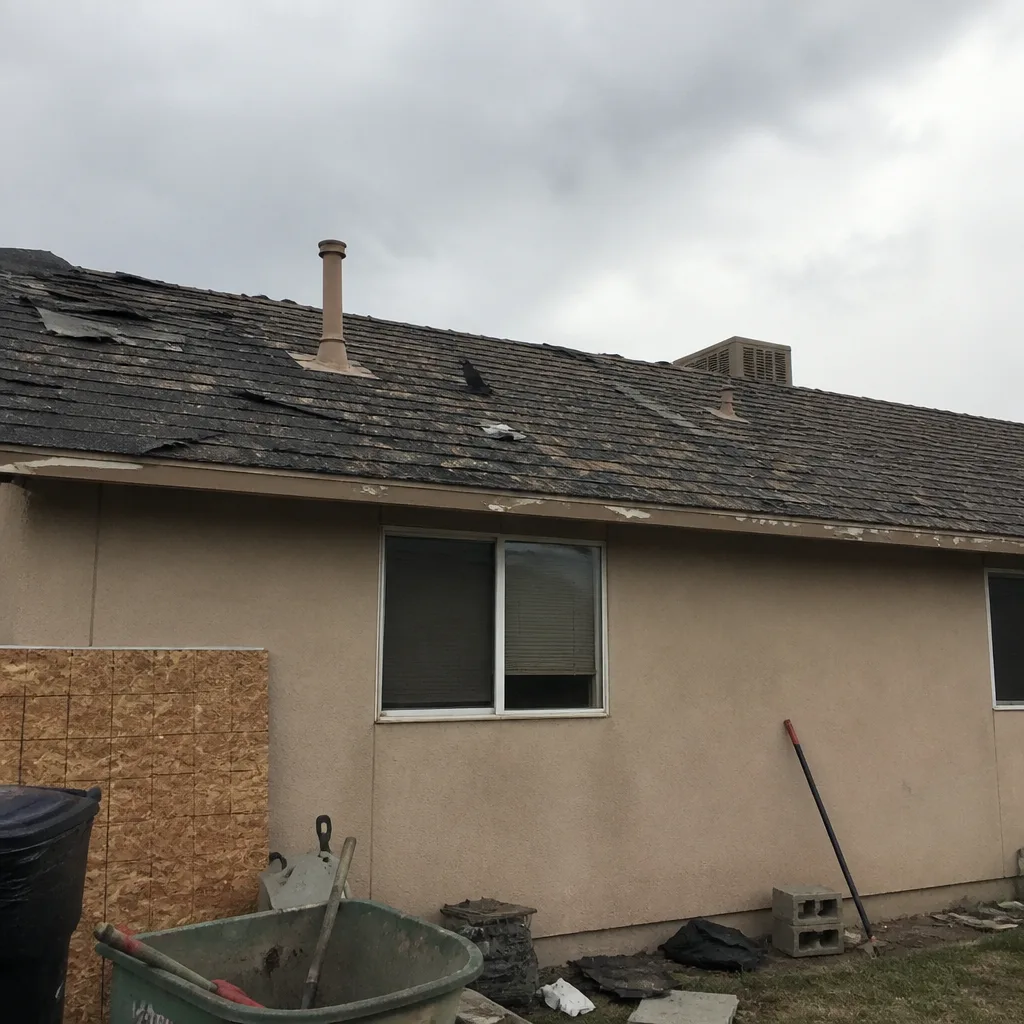 Before
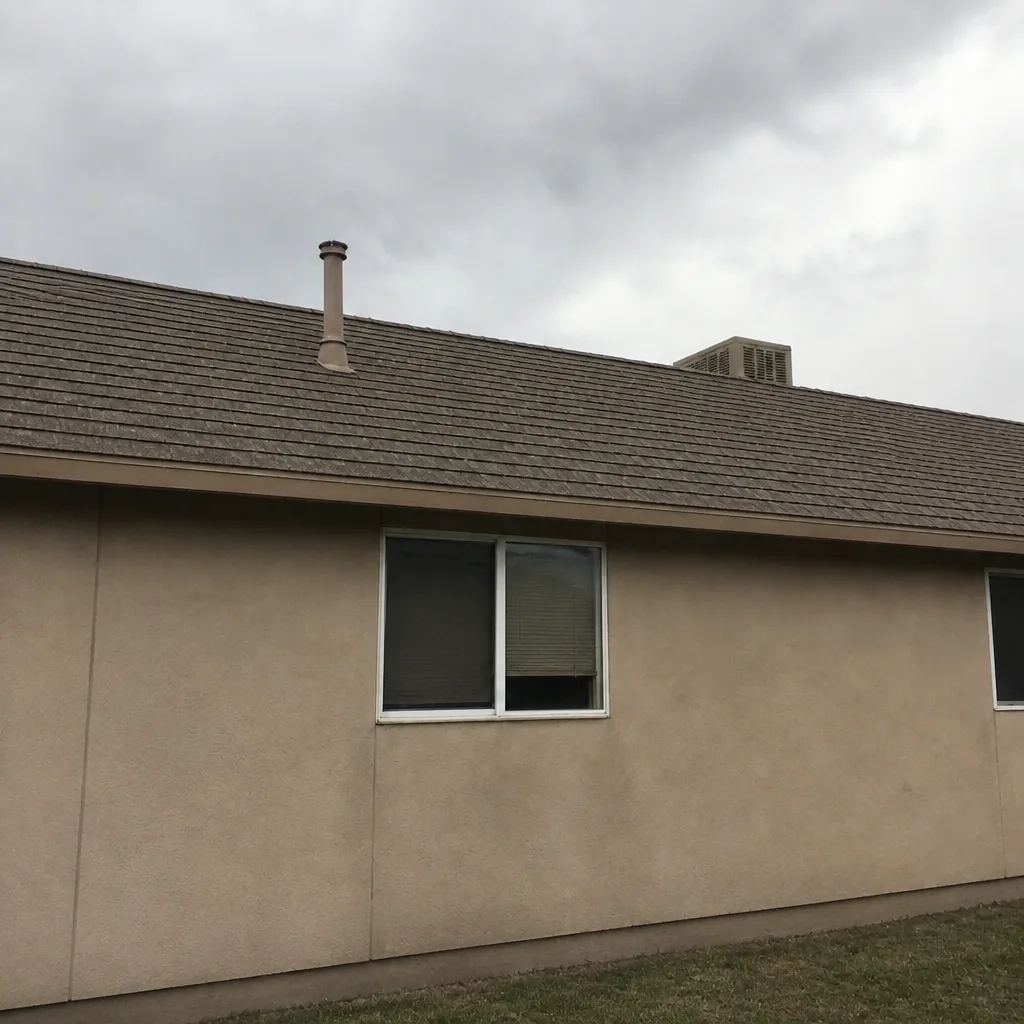 After
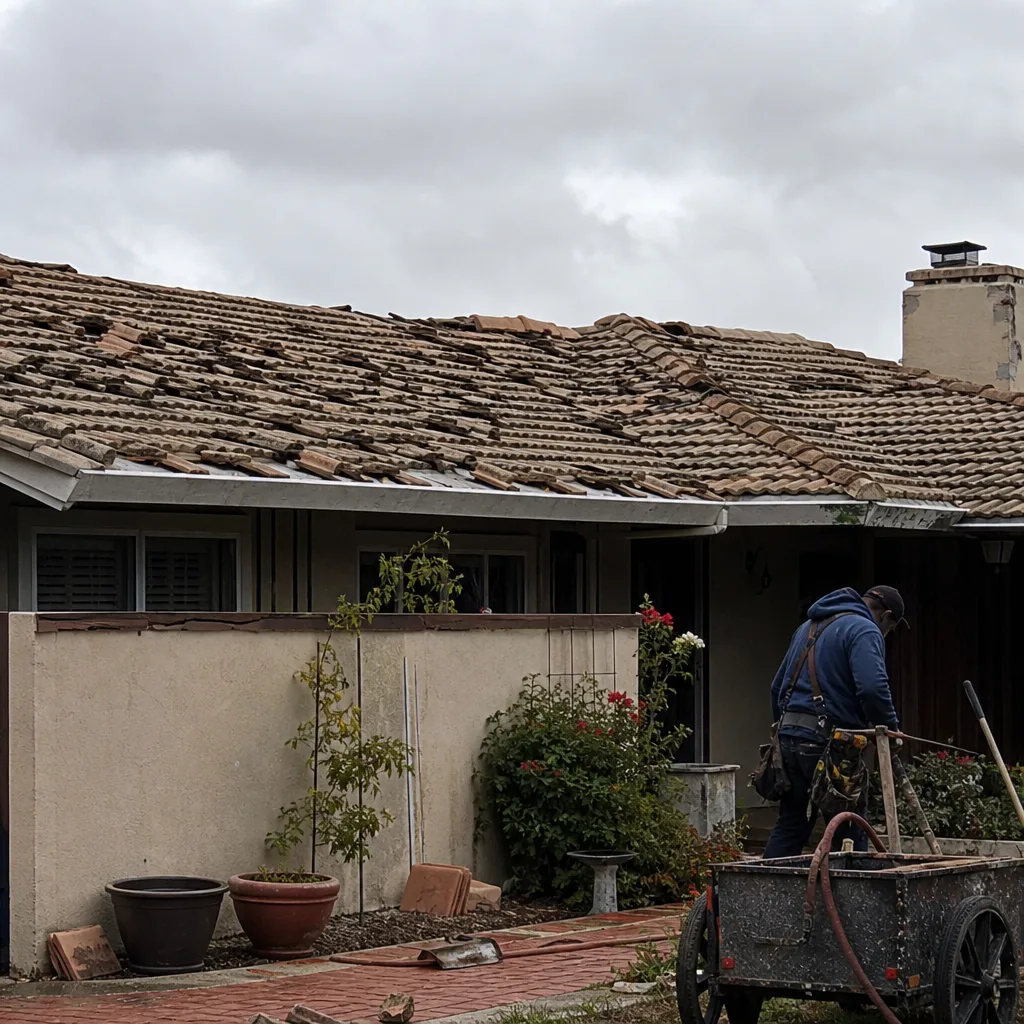 Before
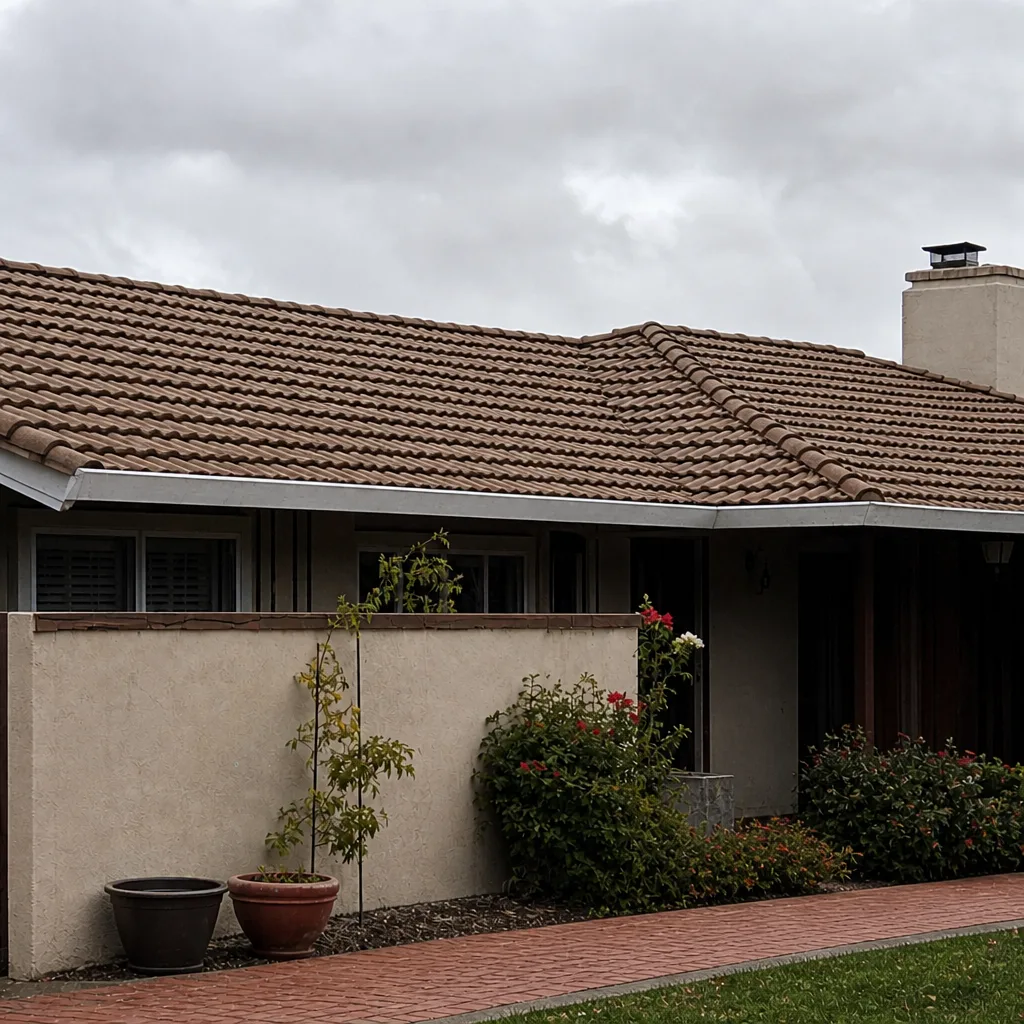 After
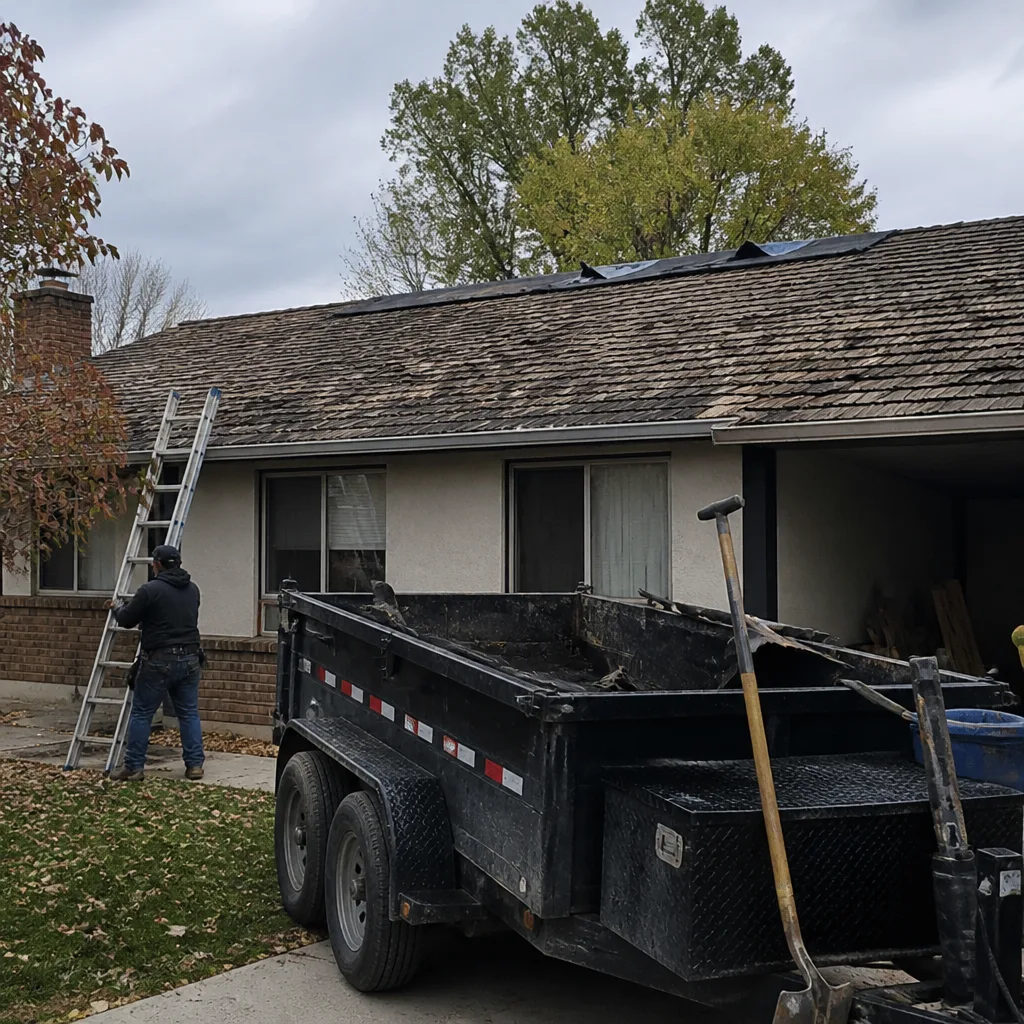 Before
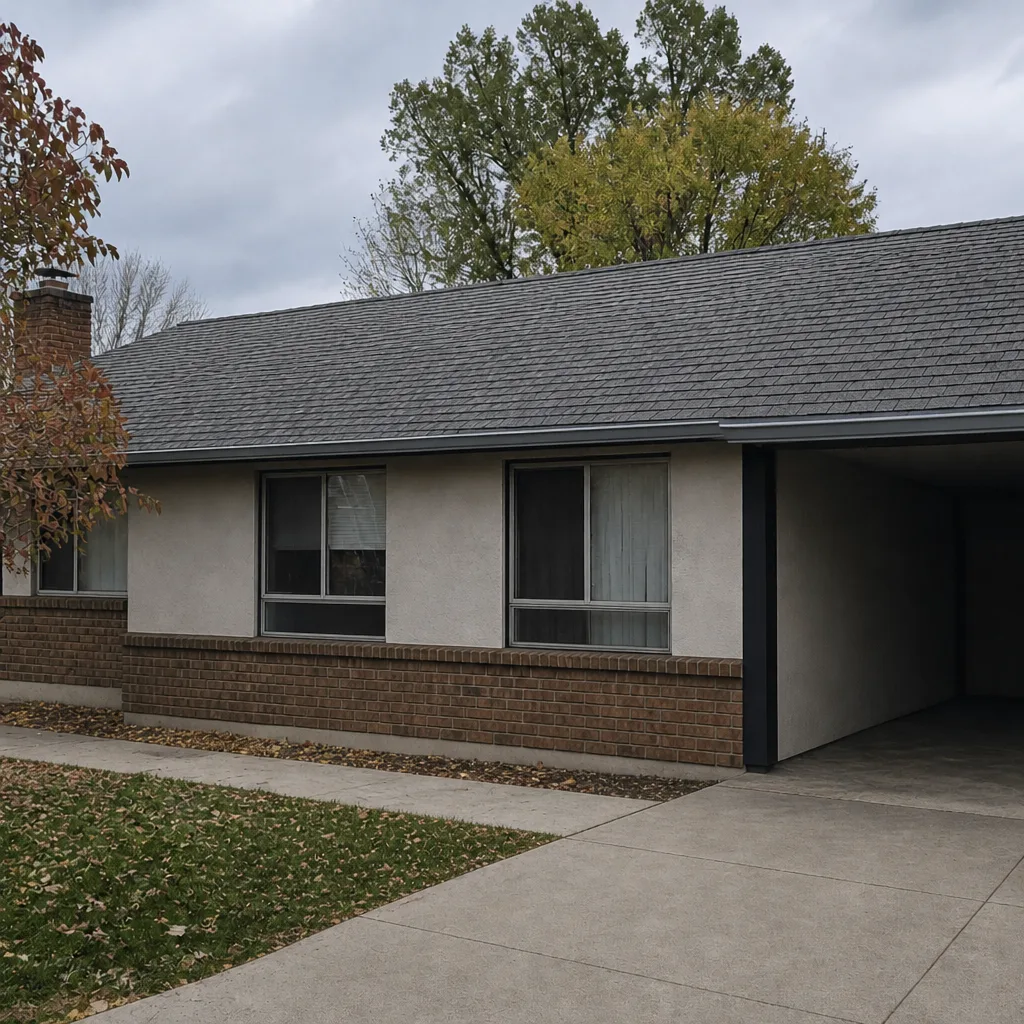 After
When to Call a Professional
Metal roofing is genuinely dangerous work. Long metal panels become sails in a gust, tall finished roofs are slick underfoot, and one misstep at the eave can be serious. We’re not going to walk anybody through their own metal install, and you shouldn’t want us to. Call a pro when any of these are true: your roof pitch is steeper than about 6/12; you’re replacing panels or flashing around penetrations like chimneys or skylights; you suspect water has gotten under the existing panels; or your existing roof is old enough that you don’t know what’s under it. Shepherd & Sons Roofing Winchester offers free estimates in Winchester, and someone answers the phone every hour of every day, including after a storm. Call (844) 797-8167 and we’ll set a time to walk the roof together.
Frequently Asked Questions
Usually 3 to 6 working days on site for a single-story home, plus 1 to 2 days for tear-off and deck prep if the old roof is being removed. Standing seam trends toward 5 to 7 days; exposed fastener toward 3 to 5. Add a day or two for a complicated roofline with multiple valleys and dormers. Call (844) 797-8167 for a ballpark on your specific Winchester address – estimates are free.
Yes, roughly 20 to 40 percent slower on a comparable house. The difference lives in the layout and alignment phase, where every panel run gets measured against a chalk line before fastening, plus the trim and seam work at ridges and valleys. The extra time isn’t padding; it’s what keeps water out of the seams over the long haul.
Both work, though both have limits. Summer installs lose the occasional afternoon to monsoon storms and extreme heat, and winter installs sometimes wait until mid-morning for panel and deck temperatures to clear the sealant minimum. Spring and fall are the smoothest windows. A local crew will tell you honestly if your target dates land in a risky stretch.
Done means panels and seams are complete, all trim and flashing are installed, the roof has passed inspection, and the site is cleaned up and swept for metal shavings. Ask the contractor to put the final walk-through on the schedule, because on a metal job that walk-through is often on a following day, not the same afternoon the last panel goes up.
Because standing seam panels are longer, heavier, and mechanically seamed along the full length, which requires a dedicated seaming tool and careful panel-to-panel alignment. That typically adds half a day to a full day on a residential job over exposed-fastener sheets. The timeline is legitimate, and the extra time buys you the cleaner look and the longer service life.
No, but you’ll want to be reachable. The crew may need access to power, a driveway, or a section of the yard on short notice, and the walk-through at the end needs you (or someone who can sign off). Plan to be available by phone during the working days and on site for the final walk. Call (844) 797-8167 if you want to schedule a pre-work walk so we can flag anything on your property ahead of time.
The Bottom Line
A metal roof on a Winchester home is a one-week project, not a one-day one. Budget 3 to 6 working days on site for a single-story, plus 1 to 2 days for tear-off and deck prep, with standing seam at the longer end and exposed fastener at the shorter. The extra time over asphalt isn’t inflated labor: it’s the layout and alignment work that keeps the seams sealed for the long run, plus the deck prep that keeps the whole system sound. Read any timeline that comes in under those numbers as a question to ask, not a deal to take. And when you’re ready to price it, get a written estimate and a free second opinion on it. That’s how you buy a metal roof you can live under for 40 years.
Call (844) 797-8167 to schedule your free estimate. We’ll show you the deck, count the squares out loud, and put the working days on paper before you sign anything.
Written by the team at Shepherd & Sons Roofing Winchester.