
Last updated November 17, 2026
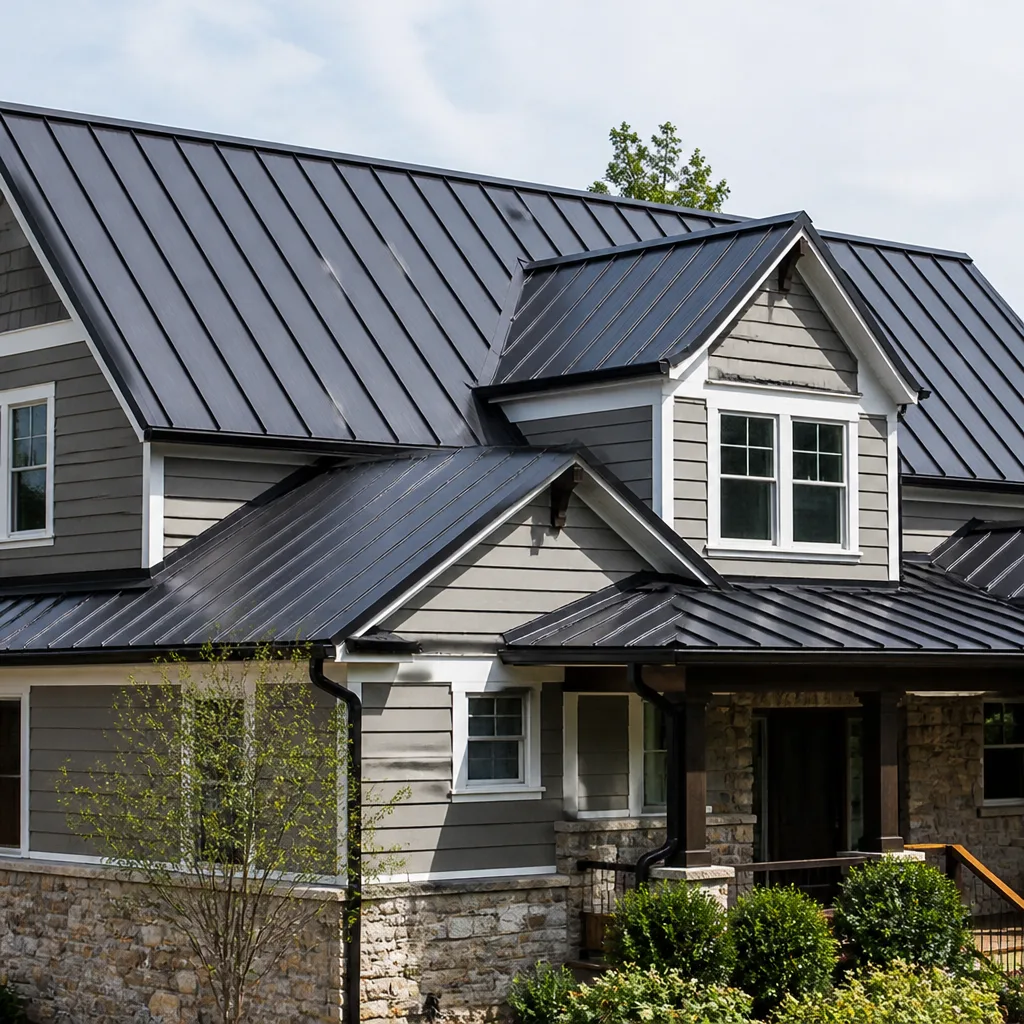 Metal roofing
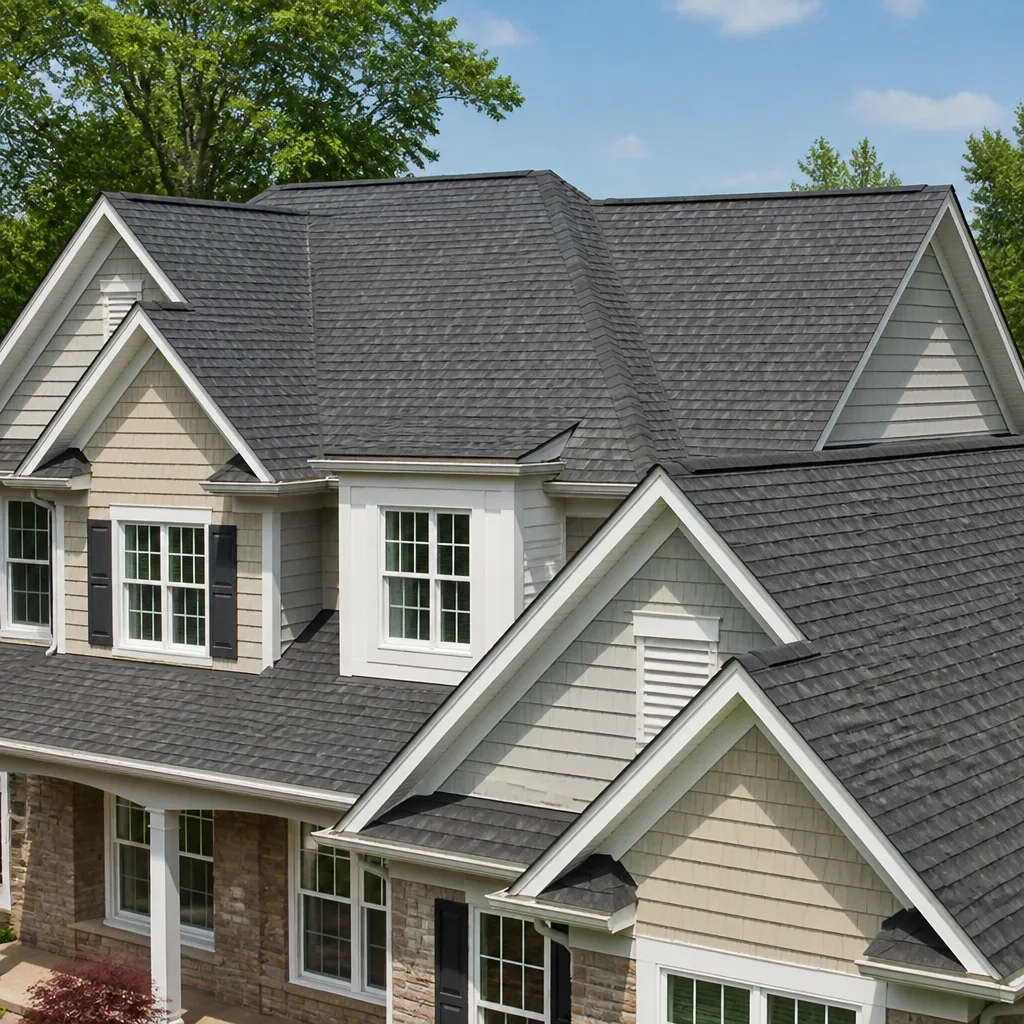 Architectural shingles
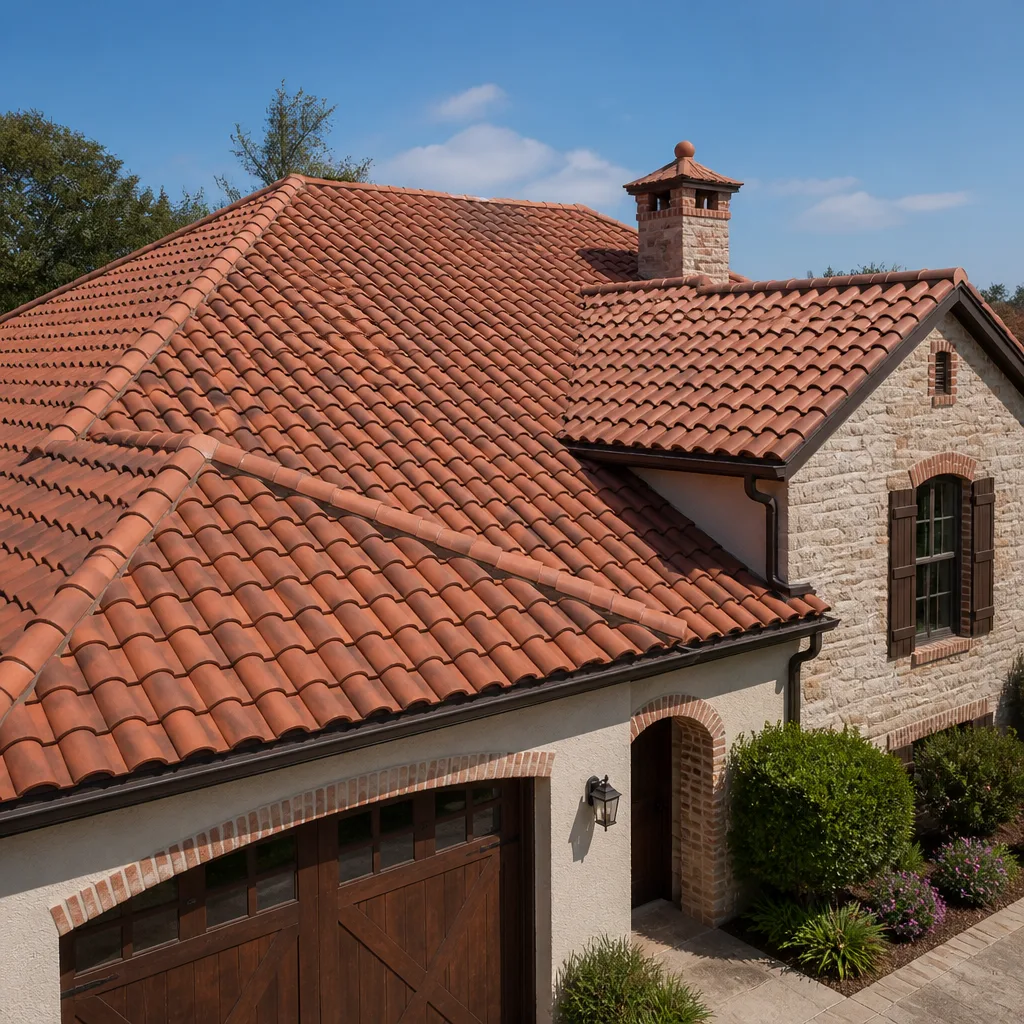 Tile roofing
 GAF
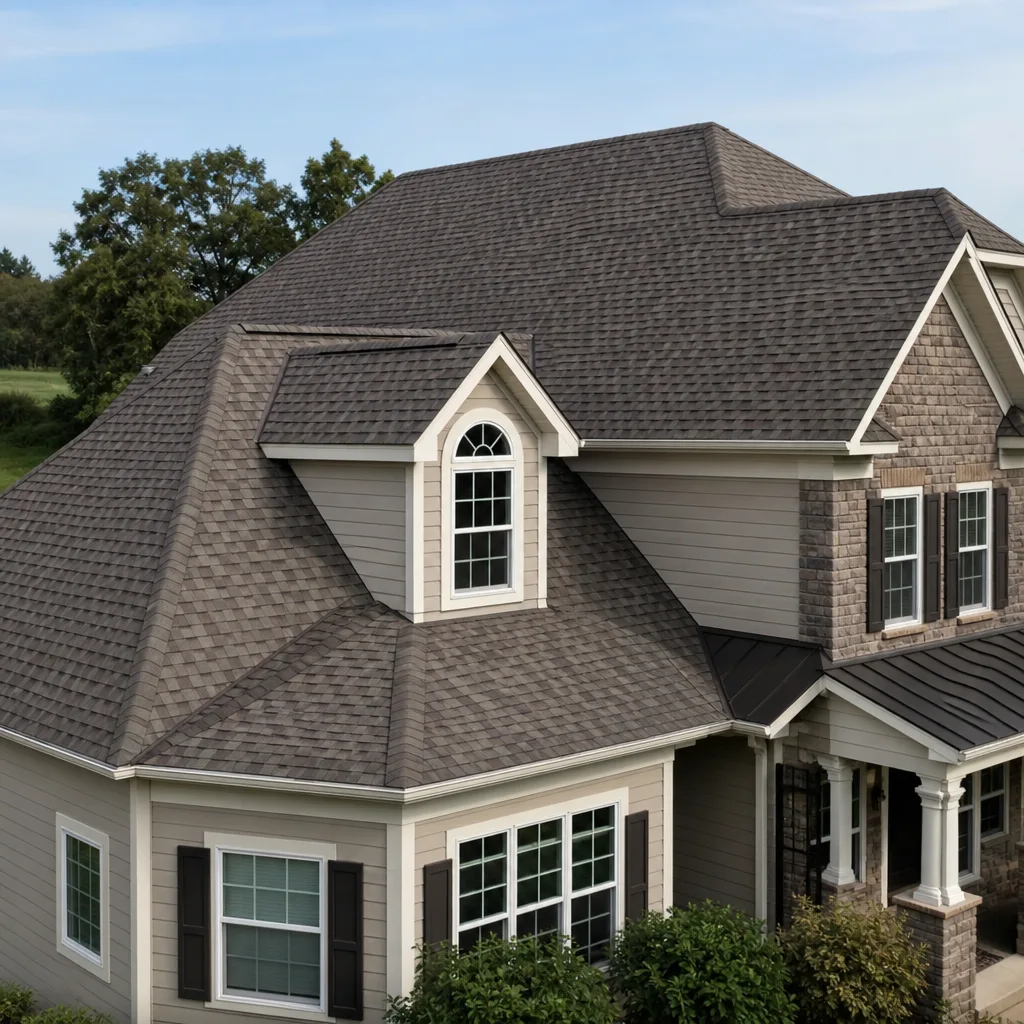 Owens Corning
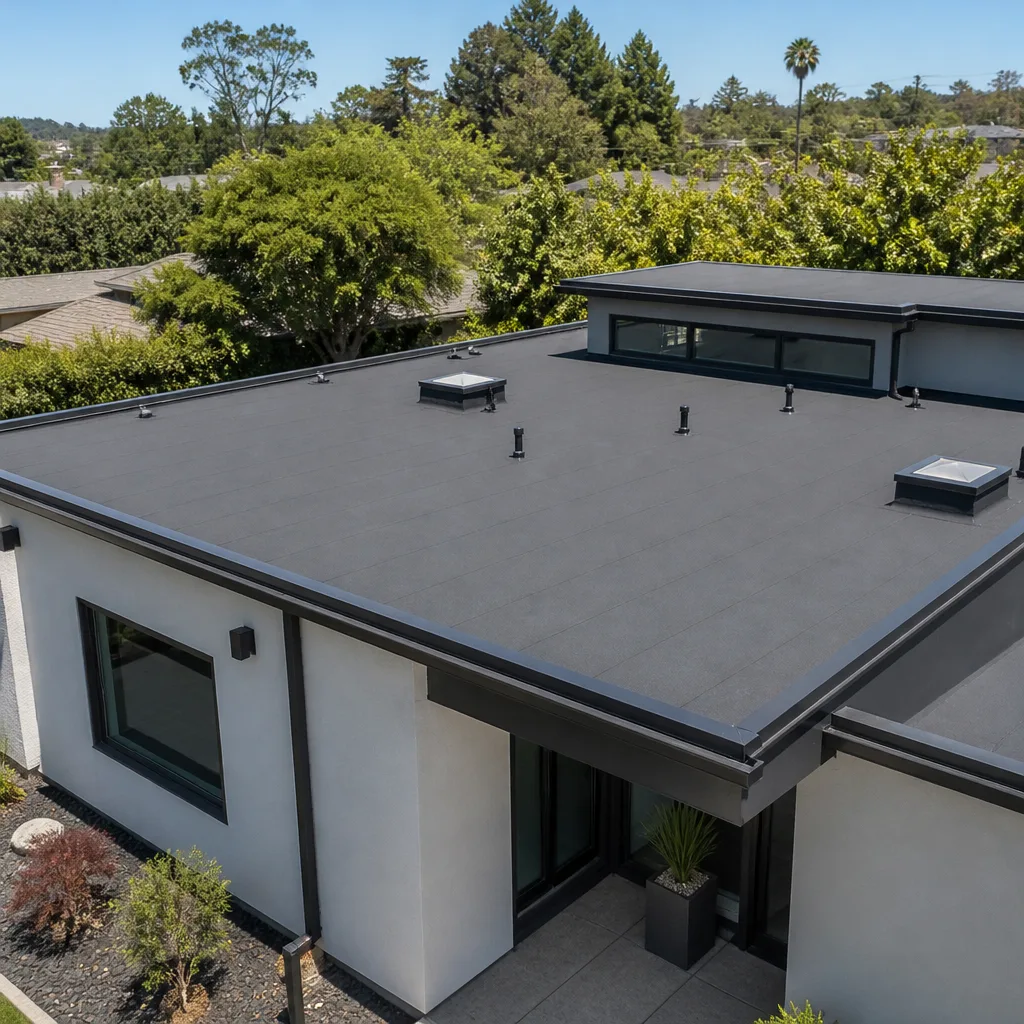 Flat & low-slope
Free roof inspection with deck photos before we talk money - GAF and Owens Corning certified installation
How Long Does Specialty Roofing Take? Timelines and What to Expect
Storm chasers love quoting specialty roofing jobs fast because a fast quote closes the sale faster. What they don’t tell you is that a proper foam removal and recoat on a flat roof here in Winchester involves moisture testing, substrate repair, and multiple coating passes, and cutting corners on drying time is exactly how you get delamination in year two. That’s the whole problem with specialty roofing timelines: the scope isn’t standardized, so the schedule can’t be either. A foam recoat on a flat roof can wrap in a single day, while a full standing seam metal installation on a complicated slope can stretch two weeks. This guide breaks down what each system actually takes, where the hidden delays live, and what to ask before you sign.
Styles & brands we work with
- Architectural shingles
- Metal roofing
- Tile roofing
- GAF
- Owens Corning
- Flat & low-slope
Quick Answer
Specialty roofing takes anywhere from one day to roughly three weeks depending on the system. A foam recoat on a flat roof runs about one to two days, a modified bitumen flat roof takes two to four days, and a full standing seam metal panel installation usually lands between one and two weeks. The biggest timeline variable isn’t labor, it’s the substrate inspection and cure time between phases, which is where most homeowners get surprised.
Table of Contents
- Realistic Timelines by Specialty System
- Foam Recoat vs. Full Foam Tear-and-Replace
- Why Weather Windows Matter Differently for Specialty Systems
- The Substrate Inspection Phase Most Estimates Skip
- How Custom Fabrication Adds Lead Time Before Work Starts
- What to Ask About Drying and Cure Time
- Common Mistakes to Avoid
- Frequently Asked Questions
Realistic Timelines by Specialty System
Specialty roofing covers a wide range of systems, and each one has its own construction rhythm. What works as a four-day schedule for a flat roof built on modified bitumen has nothing in common with the schedule for a metal panel install, because the two systems cure, fasten, and weather-seal in completely different ways. Here’s how the timelines break down in our experience across Winchester.
- Foam recoat (single pass): about one to two days on a clean, dry roof. Add a day if there’s minor substrate prep.
- Foam recoat with substrate repair: two to four days, because moisture testing and patching affect drying windows.
- Full foam tear-and-replace: four to seven days, sometimes longer if the old foam reveals rot underneath.
- Modified bitumen flat roof: two to four days for a typical single-story residential flat or low-slope roof.
- Standing seam metal panel installation: seven to fourteen days on a simple slope, twelve to eighteen days on complex hips, valleys, and dormers.
- Metal over existing substrate (retrofit): five to nine days, with fabrication lead time often longer than the install itself.
Notice how wide the range gets on metal. That’s not because metal work is slow. It’s because panel layout, custom cutting, and trim fabrication all have to happen in a precise sequence, and every complication on the roof adds to that sequence. On a plain gable in the older neighborhoods around Winchester, a metal job can feel almost orderly. On a roof with multiple valleys and oddball dimensions, it becomes a genuine project. Our Metal Roofing in Winchester crews know this pattern well, and we’d rather tell you up front that the job is a twelve-day build than promise seven and quietly disappear for two weeks.
Foam Recoat vs. Full Foam Tear-and-Replace
This is the single most common source of timeline confusion we see. A homeowner gets quoted a two-day foam recoat, then the contractor shows up, finds saturation under the existing foam, and suddenly the job becomes a full tear-and-replace that stretches a week. The number they were given matched the system they thought they were buying, not the system they actually needed.
Foam recoat is exactly what it sounds like. The existing foam is cleaned, moisture-tested, and coated with a fresh protective layer that extends its life and weatherproofing. When the underlying foam is sound and dry, this is a fast, affordable job. Two days, sometimes one if the roof is small and the weather holds.
Full tear-and-replace is a different animal. The old foam has to come off, the substrate has to be inspected and possibly rebuilt, new foam gets sprayed, and then the coating goes on in multiple passes with cure time between them. Four to seven days is realistic. If the substrate shows rot or the deck has to be replaced in sections, add two or three days.
- Step 1: Moisture-test the existing foam. This detects saturation before any money is committed.
- Step 2: Determine whether recoat or replacement is the right call based on the test results.
- Step 3: If recoat, clean and prep. If replacement, remove old foam and inspect substrate.
- Step 4: Repair or rebuild substrate as needed.
- Step 5: Spray new foam or apply base coating, then allow to dry.
- Step 6: Apply topcoat in one or more passes, allowing cure time between each.
That last step is where the shortcuts happen. Rushing the cure time between coating passes is one of the fastest ways to end up with a roof that fails in year two. We’ve been called to inspect commercial-style flats in Winchester where the coating was sprayed on back-to-back, and the bubbling tells the whole story.
Why Weather Windows Matter Differently for Specialty Systems
Every roofer watches the weather. But specialty systems have very specific weather requirements that don’t always match what a homeowner would assume. Foam, in particular, is far pickier than shingles about conditions.
Foam can’t be sprayed in wind above a certain threshold because the spray pattern drifts and the foam won’t adhere evenly. It can’t be sprayed in high humidity because the moisture interferes with the chemical reaction that turns liquid into cured foam. It can’t be applied when surface temperatures drop below the manufacturer’s spec, or the coating won’t cure properly. These thresholds differ by product and manufacturer, so the installer is watching the spec sheet as closely as the sky.
In Winchester we see this play out most often in the shoulder seasons, when mornings are cool and the afternoon warms up. A crew that knows the local pattern will start spraying later in the morning, whereas an out-of-town crew on a fast schedule will try to start early and end up with a coating that doesn’t bond. That’s exactly the kind of detail that separates a solid install from a callback.
- Foam: needs wind below spec, humidity within range, and surface temperature within the manufacturer’s window. Rain within a few hours of application is a no-go.
- Modified bitumen: needs a dry substrate and working temperatures above freezing, but tolerates wind better than foam.
- Metal: most flexible, but high winds make panel handling dangerous, so installation pauses in gusty conditions for safety.
When we schedule a specialty job in Winchester, we build in weather buffer. It’s not padding. It’s how you avoid the situation where a crew sprays foam in marginal conditions and crosses their fingers.
The Substrate Inspection Phase Most Estimates Skip
Here’s a truth every honest roofer knows: the substrate tells you the real timeline, and the estimator who never got on the roof and inspected the deck is guessing. Substrate inspection is the phase that determines whether your job runs four days or two weeks, and it’s the phase that gets entirely skipped in fast quotes.
Substrate means what’s underneath the roof surface. On a foam flat roof, it’s the deck and any underlying insulation. On a metal install, it’s the sheathing and framing. On a modified bitumen job, it’s whatever layer the membrane is bonding to. If the substrate is dry, sound, and dimensionally correct, the schedule moves smoothly. If it isn’t, everything downstream gets pushed.
- Step 1: Physical walk of the roof. Not a drive-by, not a quick look from a ladder. An actual walk.
- Step 2: Moisture reading of the substrate and any existing foam or membrane.
- Step 3: Deck integrity check for rot, sagging, and past repairs.
- Step 4: Check the framing where visible, especially around penetrations and skylights.
- Step 5: Document everything with photos so the homeowner sees what the roofer saw before a scope is written.
When we’re asked for our Roof Repair in Winchester approach for specialty systems, we show the deck photos before we talk money. It’s not a sales tactic. It’s the only way to build a schedule that actually holds. An estimate written without a substrate inspection is a wish, not a plan.
How Custom Fabrication Adds Lead Time Before Work Starts
On metal systems, the actual installation is only part of the story. Custom fabrication of panels and trim usually adds one to three weeks of lead time before a single installer touches the roof. That’s a detail that gets left out of most timelines, and it’s a big reason homeowners feel like their metal roof job is dragging.
Why custom? Because metal roofing isn’t a stock product. Each panel has to be cut to the exact length and shape of your specific roof geometry. Valleys, hips, dormers, and ridge transitions all need custom-formed trim. On a simple gable roof, the fabrication list is short. On a complex Winchester roof with multiple slopes and odd dimensions, the fabrication list can run long enough to require a second order or a reshoot of a bent piece.
Systems like standing seam from manufacturers such as CertainTeed or a stone-coated steel setup from Boral both require this fabrication pass. The panel length is often measured on-site by hand, then fabricated in a shop, then delivered back for install. Every measurement matters. A panel that’s off by half an inch on a valley return is a wasted panel with a wasted lead time.
- Simple roof, standard lengths: typically one to two weeks lead time.
- Complex roof, multiple slopes, custom trim: two to four weeks.
- Custom color or profile not stocked locally: add an additional week to two weeks.
Ask your contractor directly whether they’ve accounted for fabrication lead time in the schedule they handed you. If the number feels fast on a metal job, this is usually why. Our own crew measures on-site and orders panels after the measurement, so the timeline we give includes that fabrication window from the start.
What to Ask About Drying and Cure Time
This is the question most homeowners never ask, and it’s the one that separates a schedule that holds from one that collapses. If a contractor has scheduled four back-to-back phases with no curing gap between them, they’ve scheduled a job that will fail.
Drying and cure time are not optional. Foam coating between passes needs to cure before the next layer goes on. Substrate repairs need to dry before new foam goes down. Metal installation doesn’t require much cure time, but trim sealants and touch-up coatings do. Every specialty system has at least one phase that needs breathing room.
- “How much cure time is built into the schedule between coating passes?” Ask for a number of hours or days.
- “What’s the plan if we get rain the day after spraying?” A real answer, not a shrug.
- “How long does the substrate inspection take, and is it included in the timeline?” If it’s not included, the timeline is fiction.
- “What’s the fabrication lead time on the metal panels and trim?” If they can’t say, they haven’t ordered yet.
- “What’s the longest you’ve seen this system take, and why?” A willingness to talk about worst-case scenarios is a sign of experience.
- “Will you walk me through the daily schedule before work starts?” A day-by-day plan shows they’ve thought it through.
A professional roofer will answer all of these without annoyance. A storm chaser will deflect. And that deflection is useful information. As we like to say at our shop in Winchester, same address since 1996. Ask the storm chasers where theirs is.
Common Mistakes to Avoid
- Accepting a timeline without a substrate inspection. Two sentences and a handshake don’t substitute for seeing what’s under the roof. If nobody walked it, the schedule is a guess.
- Comparing timelines across different specialty systems. A foam recoat estimate and a standing seam metal estimate aren’t comparable. Different systems, different physics, different schedules. Homeowners who compare timelines blindly end up frustrated.
- Believing a two-day metal installation is possible on a complex roof. It isn’t, unless the panel was pre-fabricated to perfect dimensions and the roof is a simple gable. Cutting corners on complex metal work always shows up in the first wet season.
- Hiring someone who quotes past the fabrication lead time. If they say two weeks and the metal hasn’t been ordered, they’ll make up the time somewhere else. That somewhere else is almost always the safety margin on the install.
- Ignoring the weather buffer in the schedule. A schedule with zero weather buffer in Winchester’s front-range climate is a schedule built to be broken.
- Paying in full before cure time is complete. Final payment should follow the last coating pass and a proper cure window, not the moment the crew drives away. The 90-Day Done Right Promise exists for exactly this reason; if a coating bubbles or a panel lifts, we come back and make it right.
- Skipping the free second opinion. If a bidder’s timeline feels tight, a second read on the same scope is the cheapest protection you have. Our shop offers a Free Second Opinion on any written estimate, and we’ll tell you plainly if the other guy’s schedule looks reasonable.
When to Call a Professional
Specialty roofing is not a weekend DIY category. Foam application, modified bitumen membrane work, and metal panel installation all require specialized equipment, chemical handling, and heated tools that a homeowner won’t have. Worse, misuse of these systems can create a roof that looks finished and fails within one season. If you’re seeing ponding water on your flat roof, bubbling or delamination in the foam, lifted metal panels after a windstorm, or a membrane that’s pulling at the seams, that’s a call-a-professional situation. If your roof is over 20 years old and you’re planning a replacement in the next year or two, a free estimate now protects you from making a costly decision under pressure later. Shepherd & Sons Roofing Winchester offers free estimates in Winchester, and calls are answered by a live person 24/7. Call (844) 797-8167 to schedule yours.
Frequently Asked Questions
A foam recoat on a standard flat roof in Winchester takes about one to two days when the existing foam is sound and dry. If moisture testing reveals saturated areas that need patching, add another one to three days for substrate repair and cure time between coating passes. Call (844) 797-8167 for a free estimate and a timeline built around your specific roof.
Metal installations run longer because of three factors: custom panel fabrication before the job starts, more careful handling and layout on the roof, and slower sequencing around valleys, hips, and trim. A typical standing seam metal install runs seven to fourteen days on a simple slope, versus one to three days for a standard shingle replacement. The extra time is real work, not padding.
Some specialty systems can and some can’t. Modified bitumen and metal work can usually proceed in cool weather with the right precautions, but foam spraying has temperature thresholds that rule out the coldest days. A specialty crew that knows the local climate will schedule foam work into the warmer windows and be honest about winter scheduling. Call (844) 797-8167 to talk through the timing of your specific job.
About 15% to 25% of the total job days, depending on the system. A ten-day metal installation typically needs one to two buffer days built in. A four-day foam job needs about a day. If your contractor’s schedule has zero buffer, ask why. In our experience, the answer usually isn’t a good one.
Only a moisture test tells you for sure. A froth or moisture reading of the existing foam reveals whether the substrate underneath is dry. If it is, recoat is usually viable. If the foam is saturated, full tear-and-replace is often the only right answer. Any contractor who quotes one or the other without a moisture test is guessing, and the guess gets expensive fast. A free second opinion on a written estimate from our shop is a good way to confirm what you’ve been told.
Yes. We install metal roofing, foam and flat roof systems, tile, and specialty systems from manufacturers including GAF, CertainTeed, Owens Corning, IKO, Atlas, Tamko, and Boral. We’ve been at the same Winchester address since 1996, and every specialty job carries our written 90-Day Done Right Promise. If it’s not done right, one call brings us back. To learn more about our service range, see the Shepherd & Sons Roofing Winchester home page or our Roof Replacement & Installation in Winchester page. Call (844) 797-8167 to schedule a free estimate.
The Bottom Line
Specialty roofing timelines run wider than any other roofing category because the systems themselves are so different. A foam recoat is a two-day job when the substrate is clean. A full metal installation on a complex Winchester roof is a two-week build with a fabricator involved. The homeowners who stay calm through the process are the ones who understood three things before work started: what system they bought, what the substrate inspection actually said, and how much cure time was built into the schedule. If a bidder can’t walk you through all three, keep asking questions or get a second opinion. Our shop is at the same address it’s been since 1996, calls are answered by a live person 24/7, and every specialty job is backed by the 90-Day Done Right Promise. Call (844) 797-8167 for a free estimate and a timeline you can actually hold someone to.
Written by the team at Shepherd & Sons Roofing Winchester.
See the difference
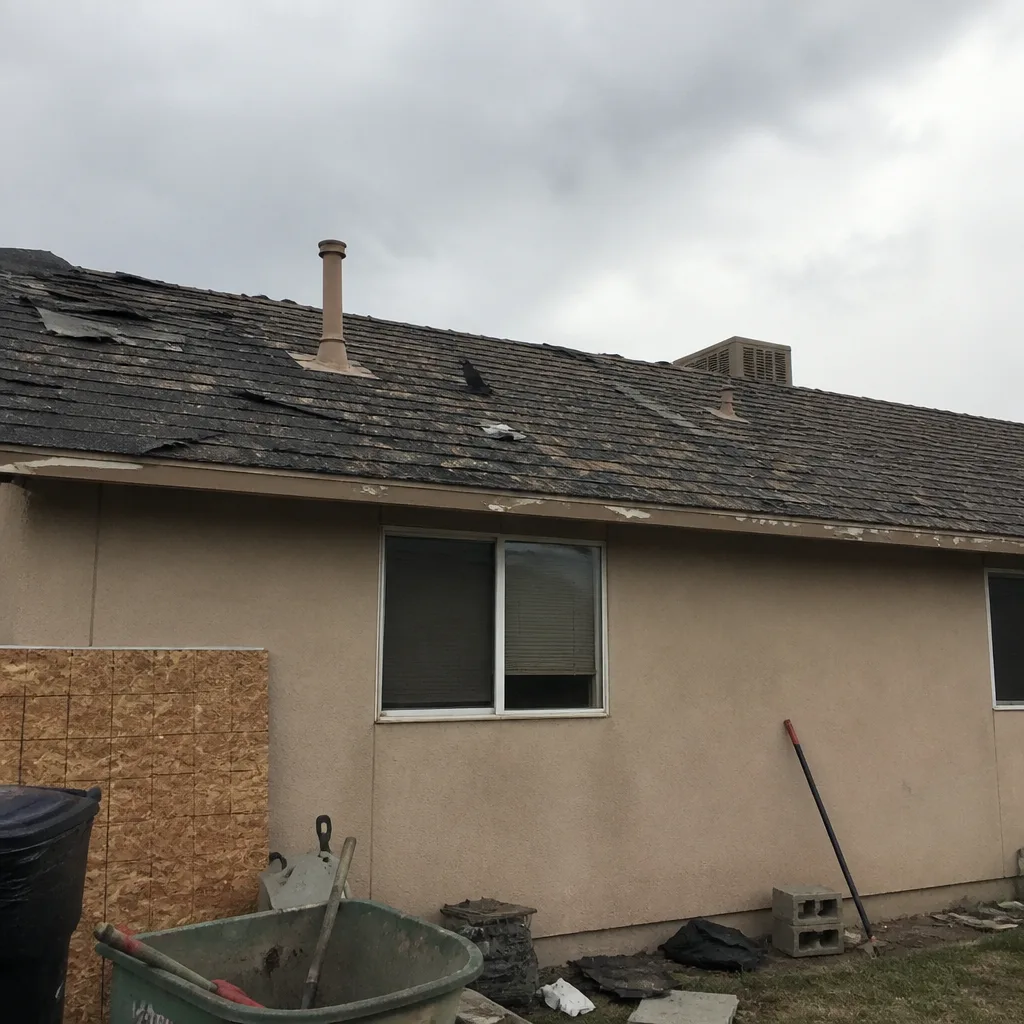 Before
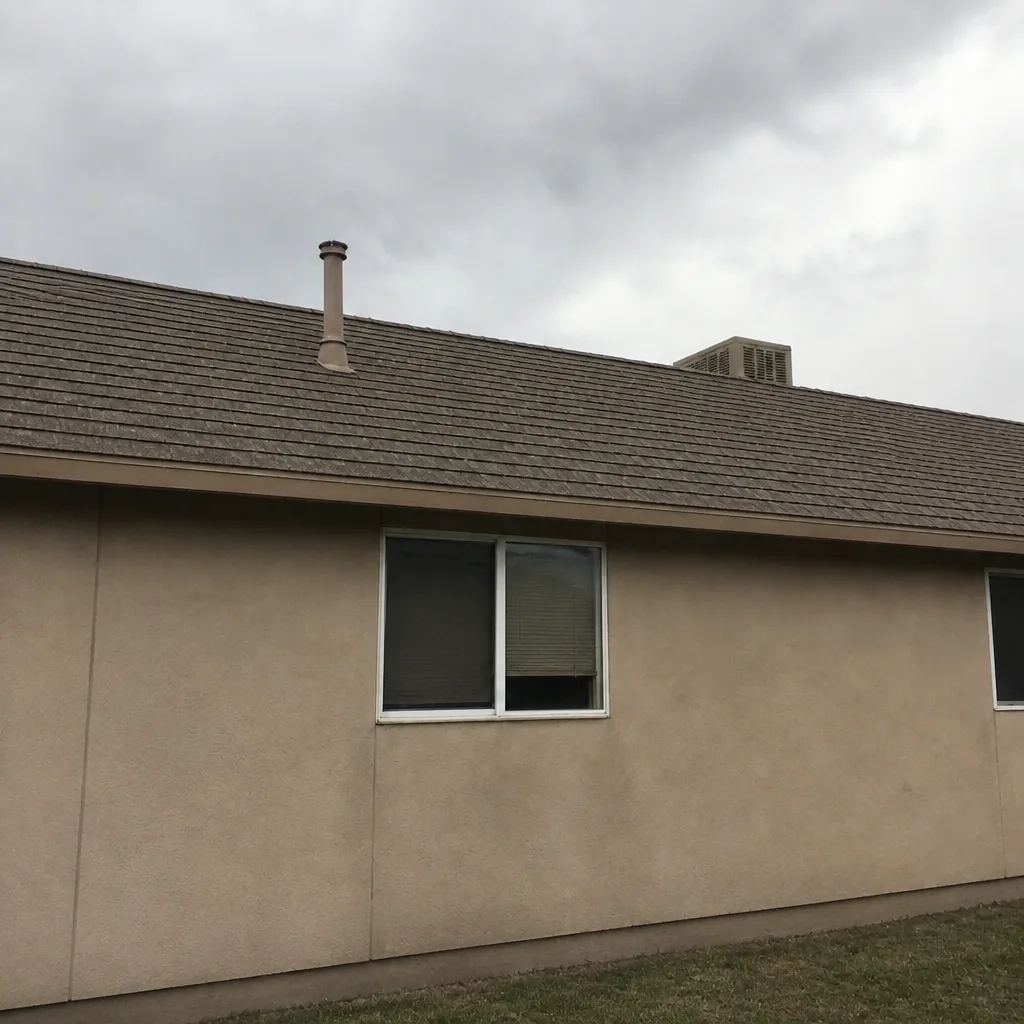 After
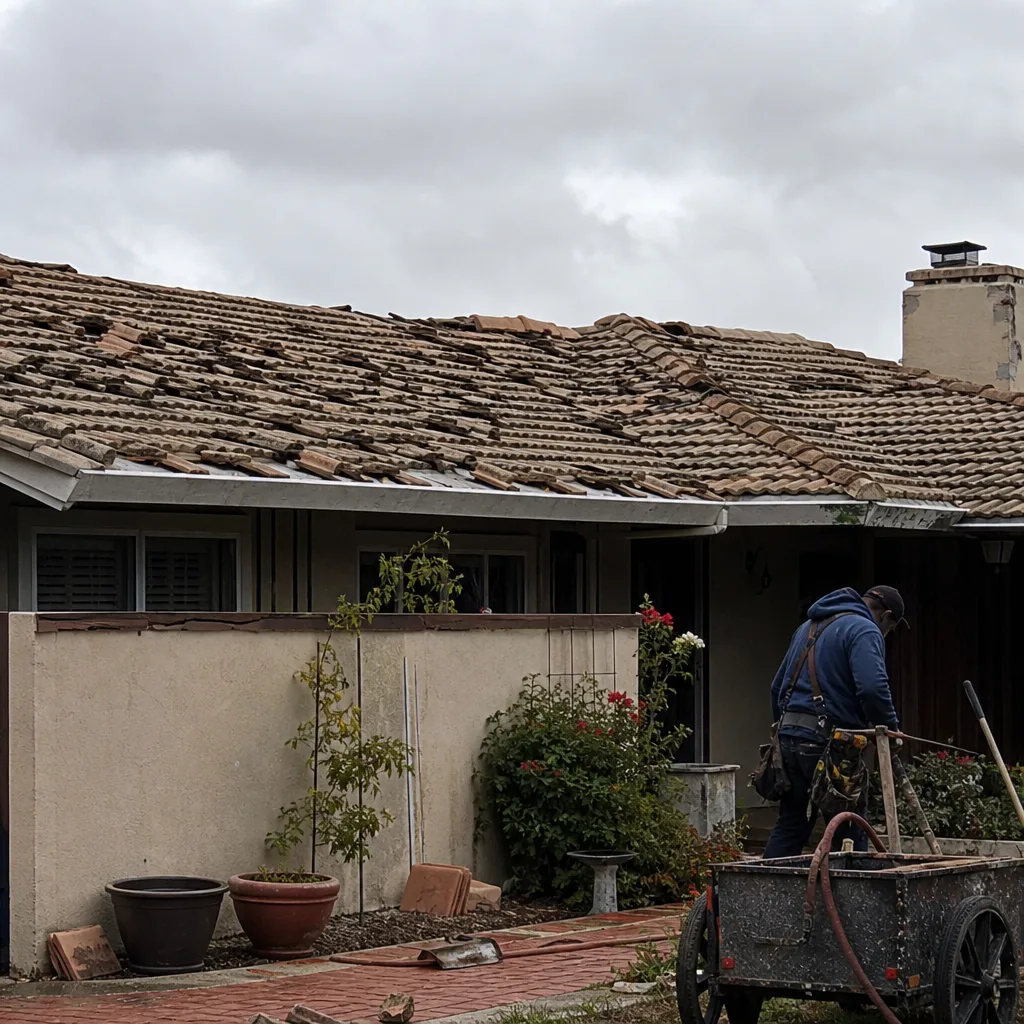 Before
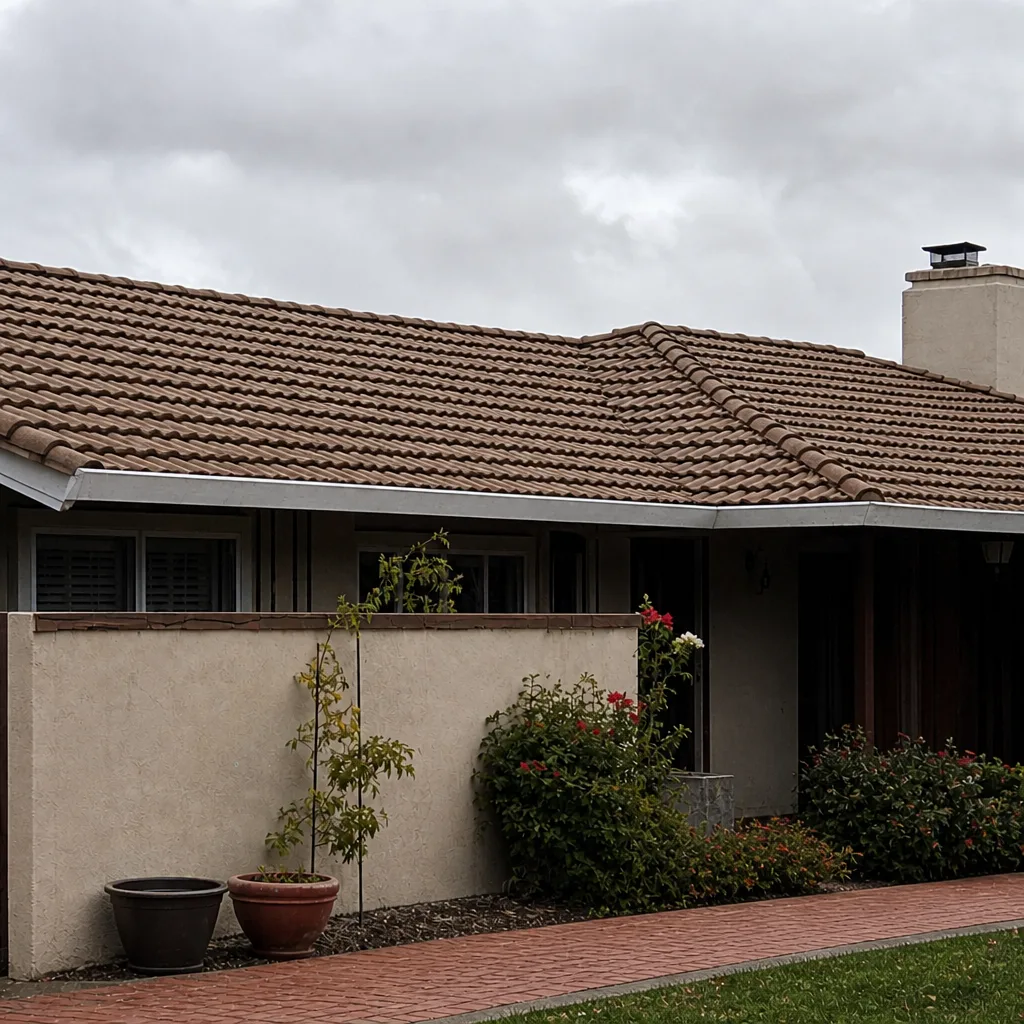 After
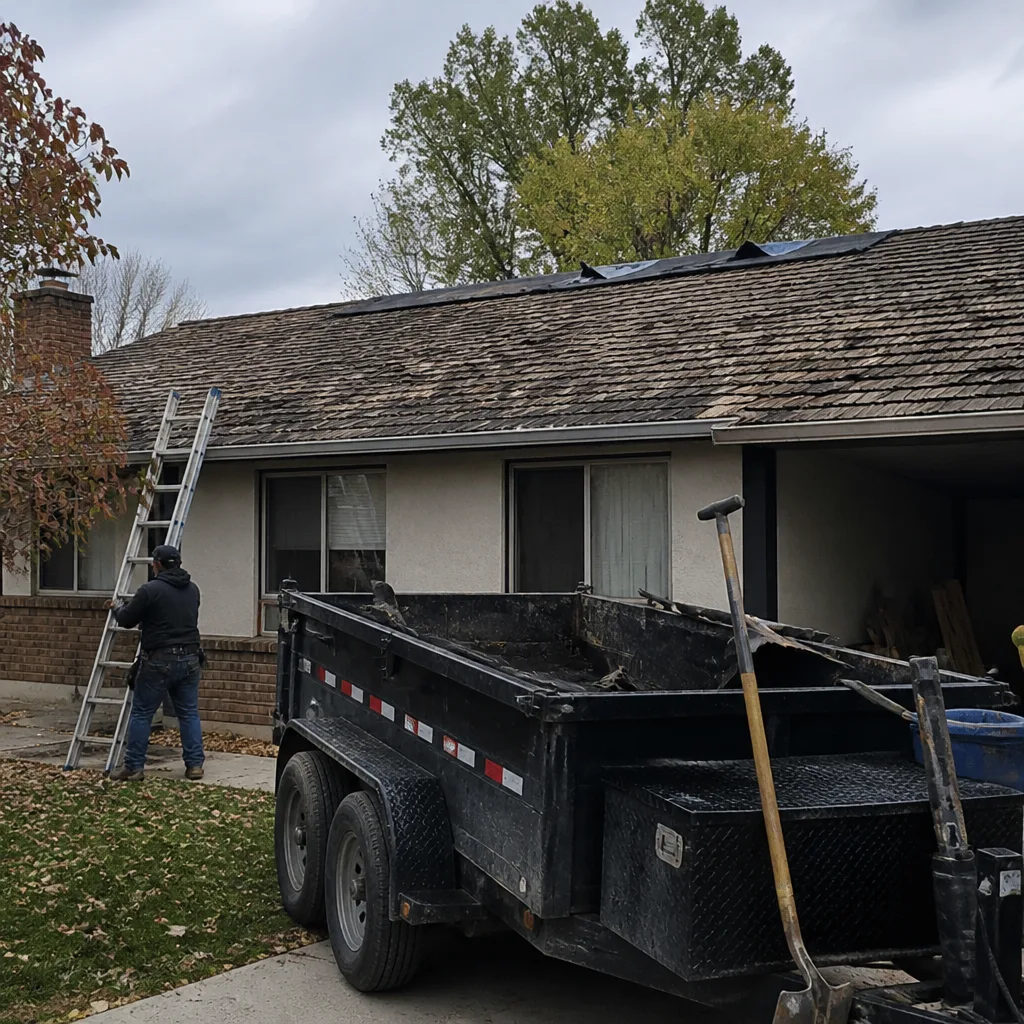 Before
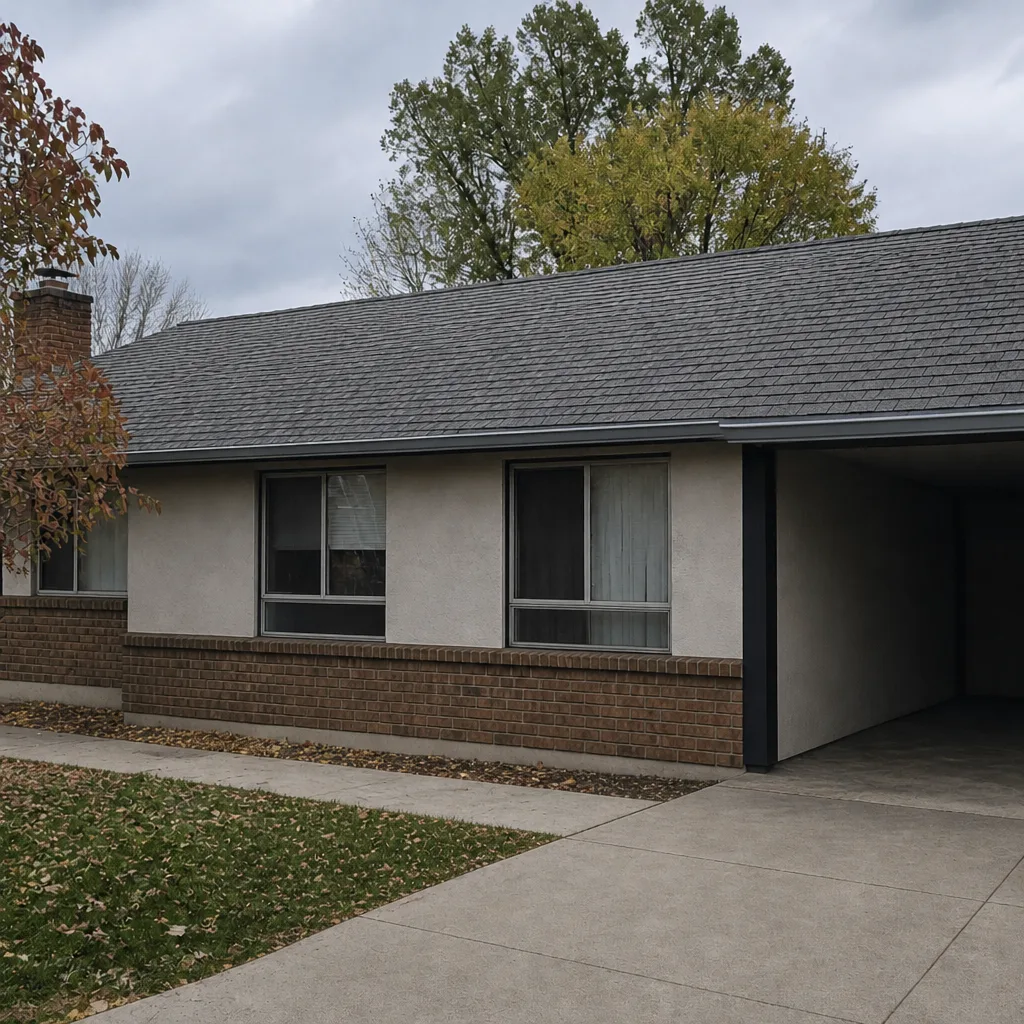 After