
Last updated November 17, 2026
 Architectural shingles
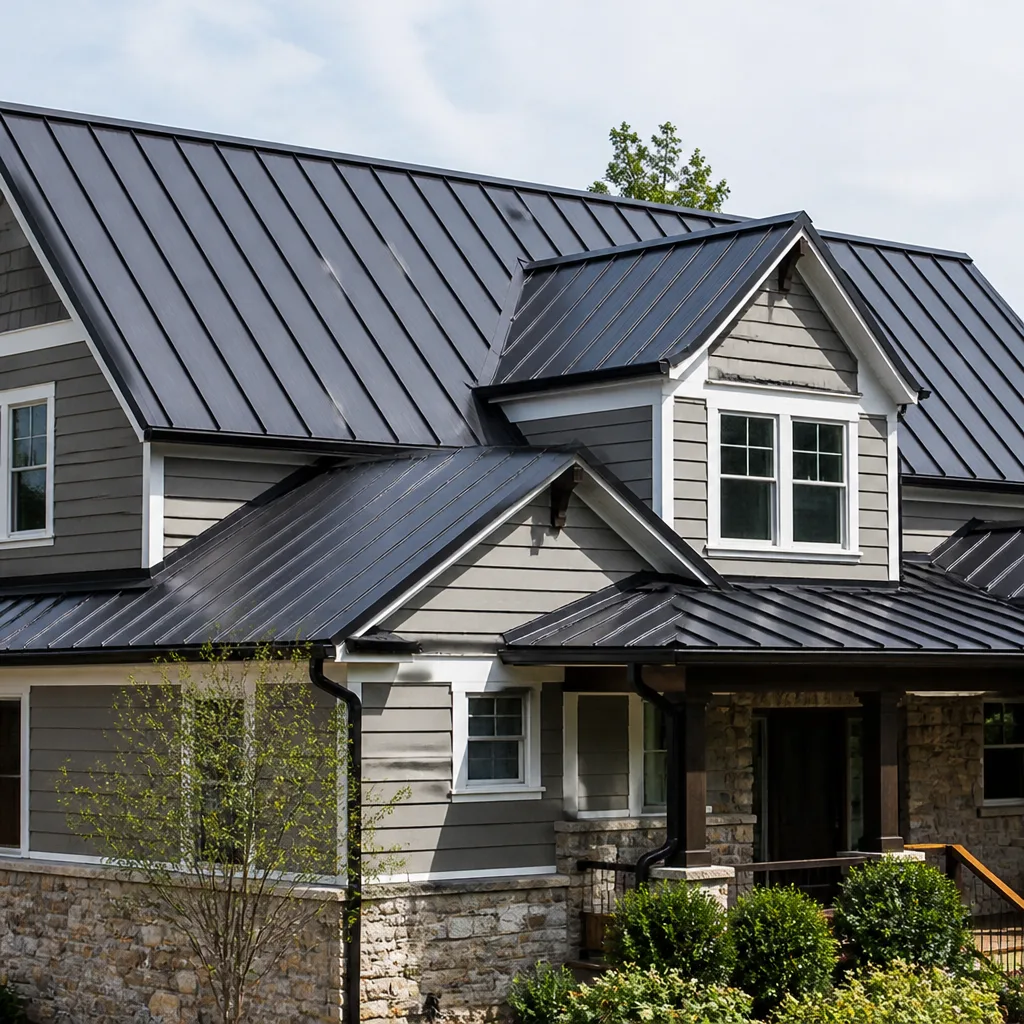 Metal roofing
 Tile roofing
 GAF
 Owens Corning
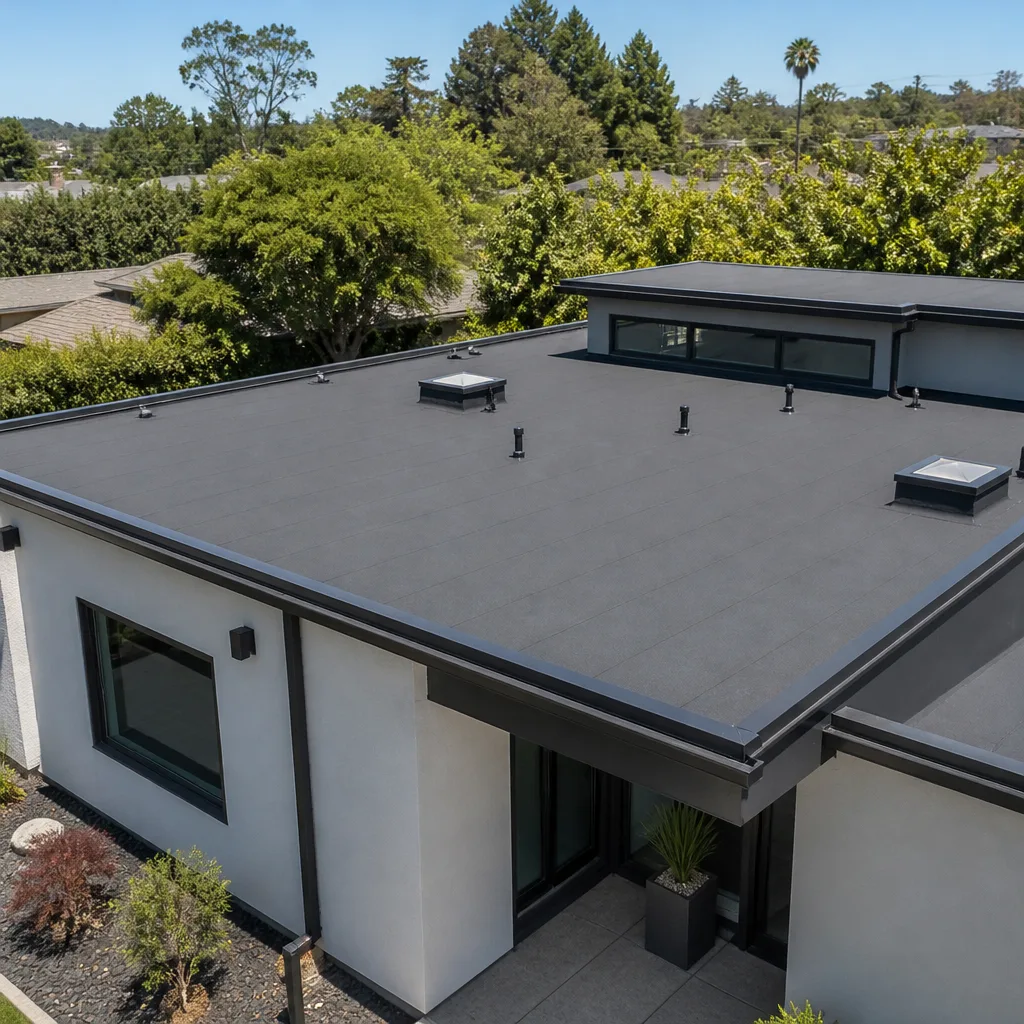 Flat & low-slope
Free roof inspection with deck photos before we talk money - GAF and Owens Corning certified installation
Roof Repair Warning Signs Every Homeowner Should Know
Granule buildup in your gutters sounds scary. It’s usually just normal aging. A sagging deck section is never normal, and it means you stop what you’re doing and make a call. Treating those two things the same way is how homeowners either waste money on a roof that had years left or let a real problem rot a rafter for a season. This guide sorts roof warning signs into three tiers: call today, schedule something in the next 30 days, and photograph it and check again in 90 days. It’s written from Winchester, where desert wind and UV do things to shingles that a Midwest roofing article won’t tell you about.
Quick Answer
The roof repair warning signs that matter most are: a sagging roofline or soft deck, daylight showing through the roof boards in the attic, active water staining spreading on a ceiling or wall, and missing or lifted flashing at chimneys and walls. Those are call-today signs. Granule loss, minor curling, and small moss patches are usually monitor-and-photograph signs. The trick is knowing which is which before you spend a dime.
Styles & brands we work with
- Architectural shingles
- Metal roofing
- Tile roofing
- GAF
- Owens Corning
- Flat & low-slope
Table of Contents
- The Three-Tier Triage: Urgent, Soon, and Monitor
- Interior Warning Signs That Show Up Before Exterior Damage
- Winchester Wind and UV: What Wind-Lifted Ridge Caps Look Like
- The Sign Homeowners Miss: Staining at the Wall, Not the Ceiling
- How to Photograph a Roof Problem So a Roofer Can Actually Read It
- Exterior Signs Worth Walking the Perimeter For
- How Long You Actually Have Before It Gets Worse
The Three-Tier Triage: Urgent, Soon, and Monitor
Every warning sign list you’ve read online is built to make you panic and dial a number. That’s not useful. What’s useful is a sorting system, because a roof problem at tier one and a roof problem at tier three look similar to an untrained eye but cost wildly different amounts to fix.
Tier 1 – Call today. These are the signs where waiting a week can turn a repair into a replacement:
- A visible sag in the roofline, or a deck that feels soft underfoot in the attic
- Daylight coming through the roof boards
- Water actively dripping or a ceiling bulge that’s growing
- Missing flashing at a chimney, skylight, or wall junction with staining below it
- Any sign of fire risk: a rusted-through metal flue or scorched caulk around a chimney
Tier 2 – Schedule something within 30 days. Real problems, not emergencies:
- Several cracked or curling shingles clustered in one area
- Granule loss that’s accelerating, not steady
- A ridge cap that’s lifted or loose but not gone
- Gutter seams pulling apart from ice or debris weight
- Any ceiling stain that’s dry but hasn’t been checked
Tier 3 – Monitor. Photograph it, note the date, and check again in 90 days:
- Steady granule loss in the gutters on a roof that’s 12+ years old
- A few small moss or lichen patches on north-facing slopes
- Minor staining that isn’t growing
- One loose shingle on a slope you can see from the ground
Here’s the part most lists skip: tier placement depends on the age of your roof and the climate it’s been sitting in. A 20-year-old three-tab roof here in Winchester with steady granule loss is closer to its end than a 12-year-old architectural shingle roof with the same symptom. If you’re not sure which tier you’re in, that alone is worth a free second opinion on any written estimate you’ve already collected.
Interior Warning Signs That Show Up Before Exterior Damage
Most homeowners check their roof from the driveway. That’s backwards. The earliest signs of a failing roof almost always show up inside the attic, three to six months before anything visible happens on the outside. We’ve walked hundreds of attics in Winchester, and the story is consistently in the same place: the wood, not the shingle.
Walk into your attic with a flashlight on a clear day and look for these:
- Rafter staining. Dark streaks or water rings on the underside of rafters and deck boards mean water got in and dried. Where the stain is tells you where the leak is – water runs downhill, so the actual entry point is usually uphill and to one side of the stain.
- Insulation compression. Look for insulation that’s been smashed flat in a particular band or channel. Water-soaked insulation compresses permanently, and a straight compressed line usually traces back to a leak that’s been running along a rafter for months.
- Attic humidity. Your attic should feel dry and should smell like wood, not like a basement. A persistent damp smell with no visible leak usually points to poor ventilation or a slow leak that’s been evaporating before it pooled.
- Frost or condensation on nail tips. On cold Winchester mornings, frost on the nail tips poking through the roof deck is normal. Frost on the deck boards themselves is not.
- Mold on the sheathing. Black or green speckling on the inside of the roof deck is a ventilation problem or a long-term moisture problem, and it’s always worth investigating.
If you find any of these, photograph it before you touch anything. If you find daylight through the boards or a soft spot in the deck, treat that as tier one and call today. The full scope of what we look at on a roof repair in Winchester visit is worth reading before your own walkthrough, so you know what to flag.
Winchester Wind and UV: What Wind-Lifted Ridge Caps Look Like
Winchester gets two kinds of roof wear that homeowners misread, and they look almost nothing alike once you know what you’re looking at.
The first is ordinary UV granule loss. Every asphalt shingle loses granules from day one. Sun bakes the surface, the granules loosen, and they wash down into the gutter. On a roof that’s been in the Nevada sun for a decade, granule buildup in the gutter is a sign of age, not a sign of failure. You can see the shingle mat starting to show through in the worst spots, and that’s when you schedule the next inspection, not when you panic.
The second is wind damage from a desert wind event. When a hard gust front rolls through, it doesn’t damage roofs evenly. It hits the upwind slope first and hardest, and it goes after the weakest edge: the ridge cap at the very top and the rake edge along the gable ends. A wind-lifted ridge cap doesn’t look like a missing shingle. It looks like:
- A ridge cap shingle that’s curled upward along one edge but still attached
- Caulk or sealant trails on the ridge that have pulled away from the cap
- A run of ridge caps that are all sitting slightly off-center from the run below them
- Nail heads popping up along the ridge or rake
That last one is the tell. Lifted nails show up on the ridge before anywhere else, and that’s a tier-two call. If a ridge cap is gone, or if you can see the underlayment showing through along the ridge, that’s tier one. We install from IKO, Atlas, Tamko, and Boral, and the wind rating on any of those comes from how it’s nailed and sealed – not from how thick the shingle is. If you’re weighing materials after a wind event, our page on metal roofing in Winchester is a good place to start.
The Sign Homeowners Miss: Staining at the Wall, Not the Ceiling
Here’s the one that gets missed more than any other warning sign, and it’s because everyone checks the ceiling. Water doesn’t travel the way you think it does. It follows the deck, gets to the edge, and runs down the back of a wall cavity – so the visible stain shows up on the wall, not the ceiling, and often a story below where the roof actually failed.
Look at the top 18 inches of every interior wall that sits directly under a roof-to-wall junction: the wall under a front porch roof, the wall under a garage roof, the wall next to any dormer or second-story bump-out. What you’re looking for is a faint brown ring or a paint bubble at the very top of the drywall, in a vertical strip.
That pattern almost always means step flashing has failed. Step flashing is the small L-shaped metal that sits under every course of shingles where the roof meets a wall, and it’s the single most common point of water entry on a residential roof. When it’s missing, rusted through, or bent out of place, water runs behind it, past the shingles, and straight into the wall cavity. On the exterior you’ll see:
- Caulk along the wall that’s cracked, peeling, or missing in segments
- Rust streaks running down the wall from under the counter-flashing
- Shingles that lift up away from the wall instead of sitting flush against it
- A visible gap between the roof line and the wall siding
Step flashing failure is always tier one or tier two – never monitor. It doesn’t get better on its own, and a slow drip into a wall cavity causes far more damage than a slow drip onto an attic floor.
How to Photograph a Roof Problem So a Roofer Can Actually Read It
The most useful thing you can do before calling anyone is get a good photograph. A blurry phone shot of a shingle from 40 feet away tells a roofer nothing. Here’s the sequence we recommend so your photos actually get you an accurate read:
- Shoot the wide context first. Stand far enough back to include the whole slope and the surrounding roof or wall lines. This tells us where the problem sits on the roof.
- Then shoot the close-up. Come in close on the specific damage – one photo per problem area, not one oversized shot of everything.
- Include something for scale. A shingle course, a vent pipe, or a gutter hanger in the frame lets anyone reading the photo judge the size of what they’re looking at.
- Shoot against even lighting. Overcast mornings or hours when the sun isn’t at your back are best. Direct sun on shingles blows out the detail.
- Get the interior shot too. If there’s a ceiling stain, a wall stain, or a rafter stain, photograph that from two angles: one showing the whole room so the location is clear, one close-up on the stain itself.
- Note the date. Send the date with the photos. A stain that’s a year old reads very differently than a stain that appeared last week.
Skip the drone. Skip standing on the roof. One of the most common injuries we hear about is a homeowner going up a ladder to photograph a problem, and no photo is worth that. The step flashing check can be done from the ground with a good zoom, and anything higher is what we’re for.
Exterior Signs Worth Walking the Perimeter For
Do this walk once a season, in the fall after the leaves drop and in the spring after the last wind event. It takes 10 minutes and catches most tier-two and tier-three signs before they climb to tier one.
- Roofline sag. Stand at the end of your driveway and look along the ridge line. A dip, a wave, or a low spot in the middle of a slope means the deck is compromised. That’s tier one.
- Popped or lifted shingles. Run your eye along every slope from the ground. A shingle that’s curled up on one corner is worth flagging even if it’s still attached.
- Granule accumulation. Look at the base of your downspouts and in the gutter valleys. A steady layer of granules on a young roof is an issue. On an older roof, it may just be the shingles aging out.
- Rusted or loose gutter seams. Gutters pulling away from the fascia are usually holding water, and water held against the fascia is water seeping into roof deck edges.
- Chimney flashing and caps. Caulk that’s cracked, flashing that’s pulled loose, or a chimney cap that’s visibly damaged. All worth photographing.
- Daylight in the soffit. Look up at the underside of your eaves. Fresh staining or daylight coming through is a sign the soffit or fascia has failed.
If you want a fuller walkthrough of what a proper outside-in inspection covers, our Shepherd & Sons Roofing Winchester home page has the overview, and the repair guide covers what we actually do with what we find.
How Long You Actually Have Before It Gets Worse
This is the question nobody answers honestly, so here’s the honest version.
A stained ceiling that appeared last week and isn’t growing: you have a few weeks to get eyes on it before a small repair becomes a drywall and framing job. Roughly, a slow leak into a warm attic dries in the sun and looks fine – until it doesn’t. The damage is happening quietly.
A missing shingle or an open flashing gap in Winchester in the summer: one good monsoon wind event turns that into an interior water problem inside a day. In the dry season, you might get a few weeks before the UV and wind start spreading the damage out to neighboring shingles.
A sagging roofline or a soft deck section: you have days, not weeks, and only if the weather holds. A sagging deck is structural, and it doesn’t stop sagging on its own.
Our rule of thumb for homeowners: if you can’t decide which tier a sign belongs to, treat it as a tier two and get it looked at within 30 days. Getting a look early is free. Getting a look late is a repair. Getting a look too late is a roof replacement in Winchester, and that’s a five-figure decision nobody makes comfortably.
Common Mistakes to Avoid
- Climbing onto the roof to “check it out.” The vast majority of serious roof injuries happen to homeowners, not roofers. Use binoculars from the ground and photograph from the ladder’s lowest safe rung.
- Caulking over a leak you haven’t diagnosed. Caulk over a gap you can’t see inside of is a temporary fix that hides an active leak. If the source isn’t found, the water goes into the wall instead of onto your floor.
- Treating one loose shingle as a full-roof problem. In Winchester, we regularly see homeowners sold a full replacement for a single missing ridge cap after a wind event. Ask any bidder to show you the deck photos and count the squares before you sign.
- Skipping the attic check. Interior signs show up months before exterior damage. Not walking your attic at least once a year means you’re missing the cheapest early warning you have.
- Assuming the ceiling stain is a roof problem. Sometimes it’s HVAC, a plumbing vent boot, or a condensation issue. Diagnose before you tear off.
- Waiting for the sign to get worse. Wait-and-see is a reasonable strategy for tier three. It is a bad strategy for tier one.
- Taking a phone quote as the final number. Get the written estimate with the line items and the deck photos attached. That’s the only number that means anything.
See the difference
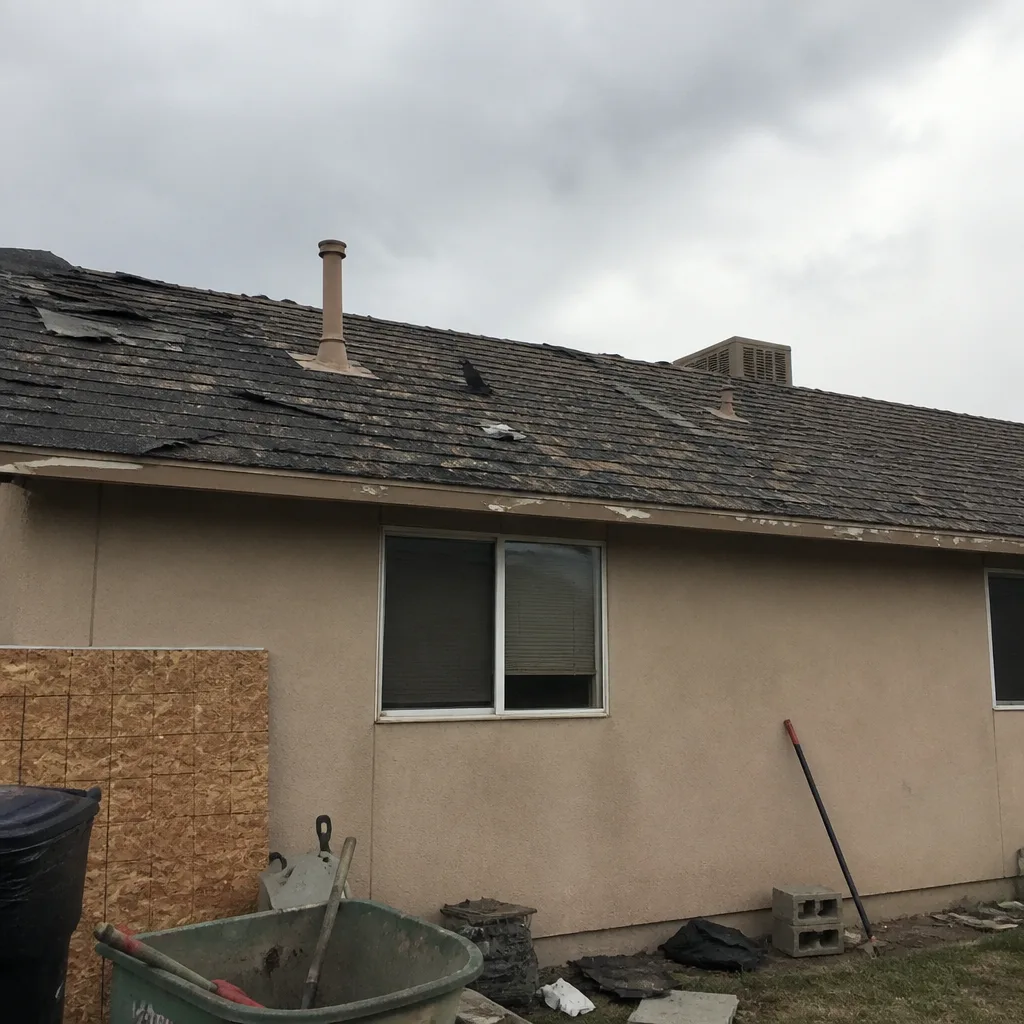 Before
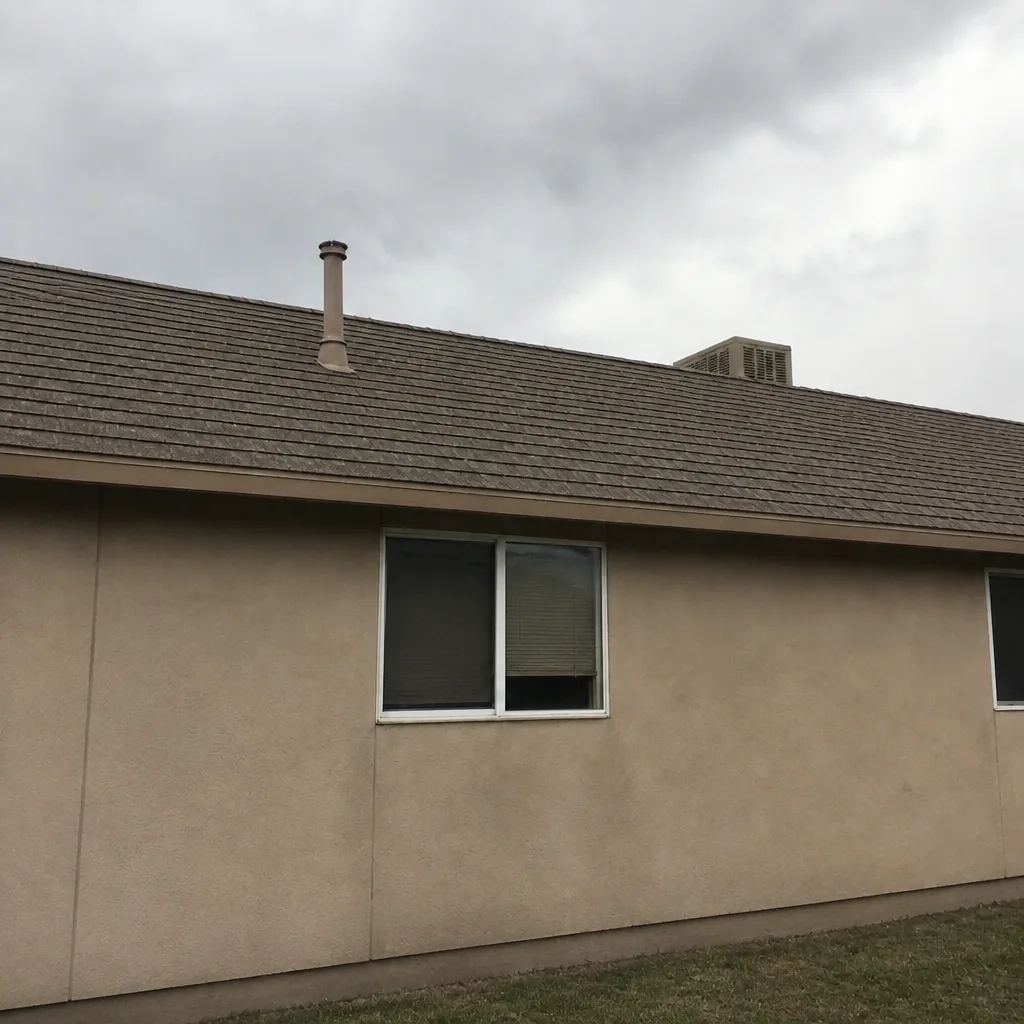 After
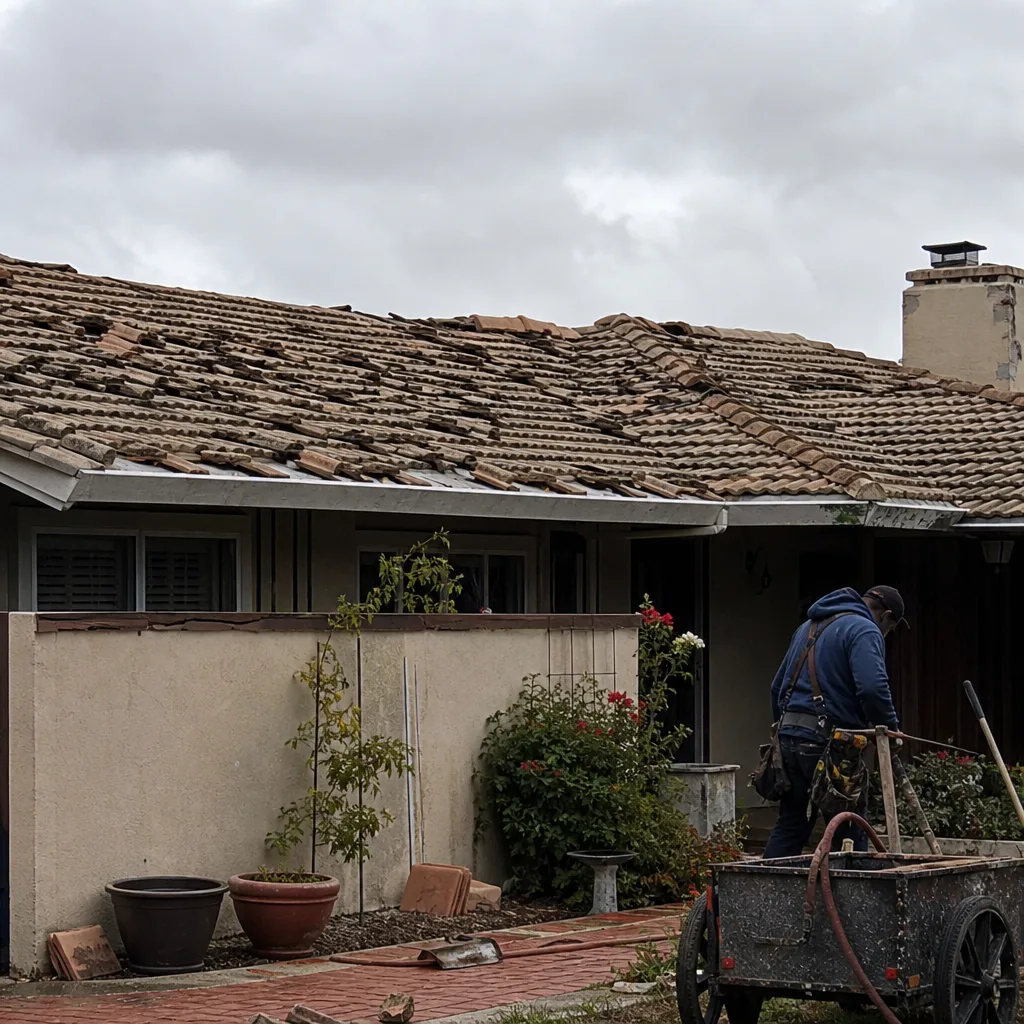 Before
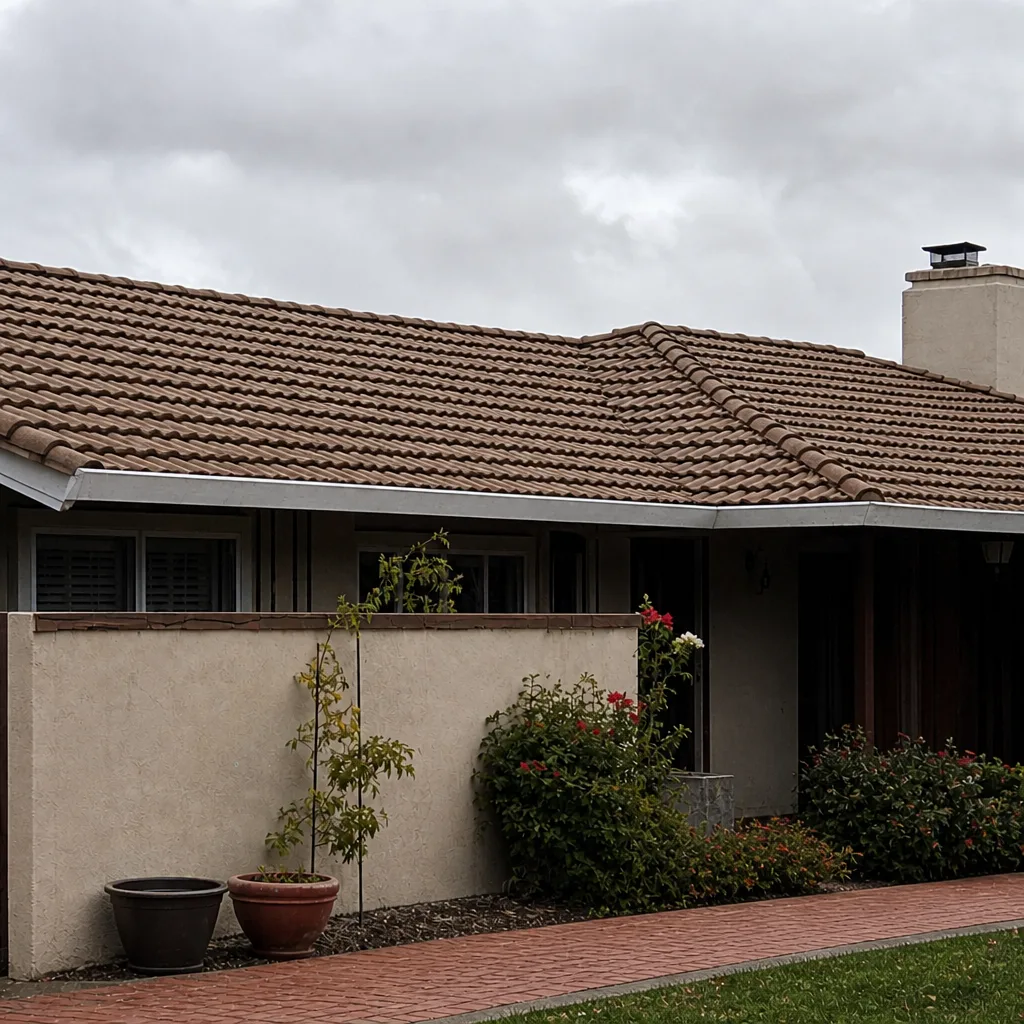 After
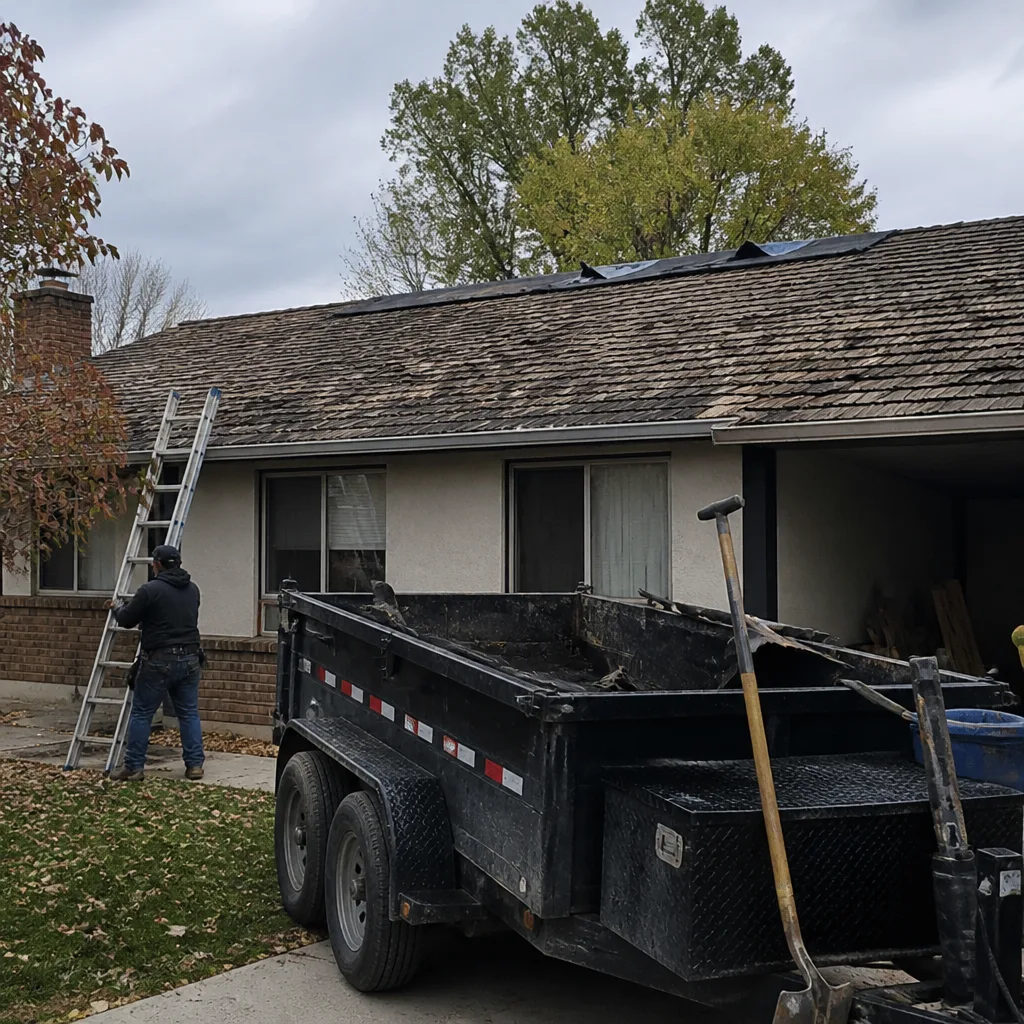 Before
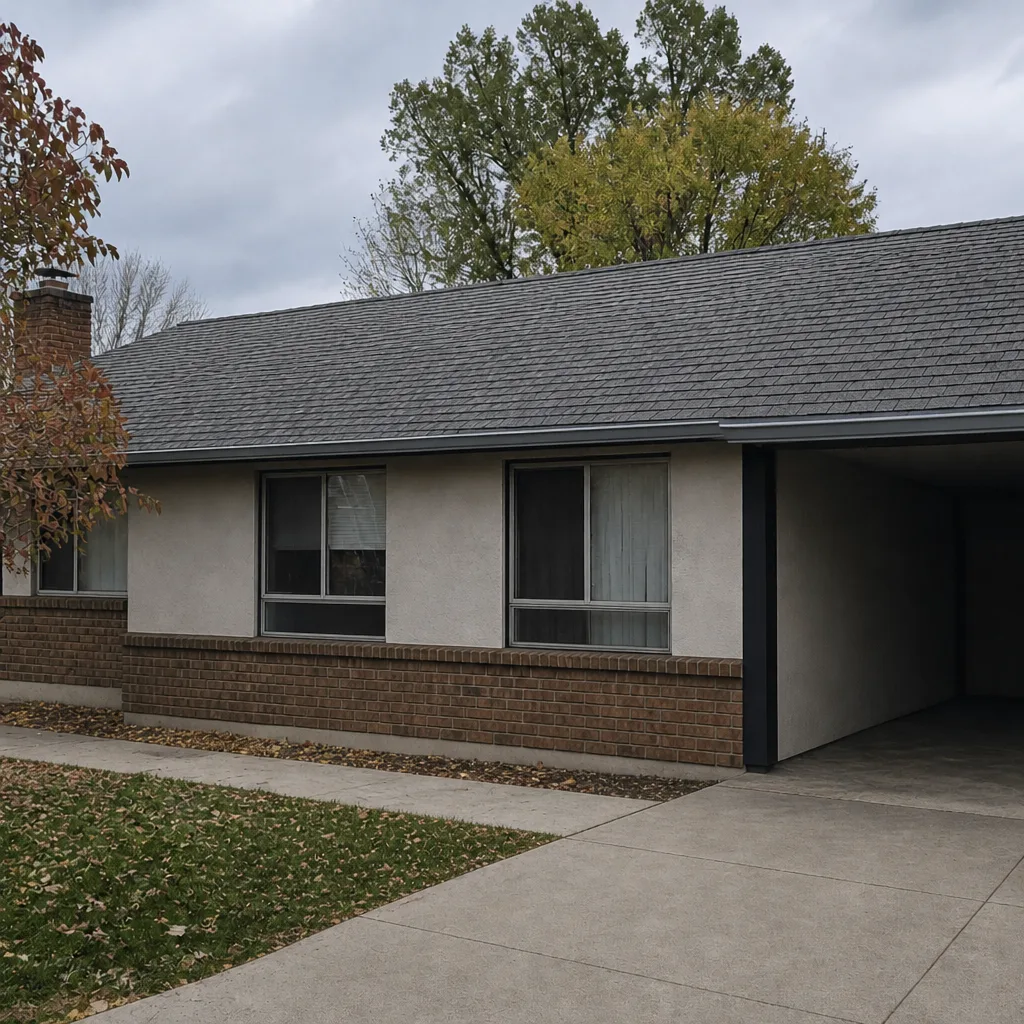 After
When to Call a Professional
Call today if you find a sag, daylight through the deck, an active ceiling leak, a wall stain with a paint bubble, or missing flashing at any roof-to-wall junction. Call within the week if a ridge cap lifted after a Winchester wind event, if your gutters are pulling away from the fascia, or if a single ceiling stain appeared and hasn’t grown. Keep an eye on granule loss, small moss patches, and steady aging – those get scheduled with your next regular inspection.
Shepherd & Sons Roofing Winchester offers free estimates in Winchester. A live person answers the phone 24/7, and we don’t charge a trip fee inside our own county. Our technicians bring up to 30 years of experience, we install products from IKO, Atlas, Tamko, and Boral, and every roofing job is backed by the written 90-Day Done Right Promise. Call (844) 797-8167 to schedule yours.
Frequently Asked Questions
A sagging roofline, daylight showing through the attic roof boards, active water dripping inside, and missing flashing with staining below it are the call-today signs. Everything else can usually wait for a scheduled visit. If you have any of those four, call (844) 797-8167 and we’ll get eyes on it.
No. Granule loss is normal aging, and it accelerates after roughly 10 years in the Winchester sun. It’s only a problem when the shingle mat is visibly showing through or the loss is accelerating faster than normal. If you’re not sure, photograph the gutters and send it over for a free read.
It depends entirely on the source, so any number given before an inspection is a guess. A single flashing repair, a short section of shingle, and a ridge cap run are all small jobs. A structural repair under a sagging deck is a much bigger conversation. We give written line-item estimates, and there’s a free second opinion on any written bid you’ve already collected – call (844) 797-8167.
Not on our jobs. The written estimate is the number we work from, and any change to scope requires a conversation before the work continues. We photograph the deck before we quote, so there are no surprises on either end.
A lifted ridge cap sits slightly off-center, with one edge curled up and the caulk along it pulled away. Nail heads popping above the ridge caps are the give-away. A lifted cap is a schedule-within-30-days repair. A missing one is a call-today repair.
Yes, and you should. Walk the perimeter from the ground with binoculars, photograph any damage in the wide-then-close sequence, and check the attic from inside with a flashlight. That’s plenty for a remote read. Anything that requires actually getting on the roof is what we’re for – call (844) 797-8167 for a free estimate.
The Bottom Line
Roof warning signs are not all the same, even though every online list treats them that way. Sort them into three tiers: sagging, daylight, active water, and missing flashing are call-today. Lifted ridge caps, active curling, and dry ceiling stains are schedule-within-30-days. Steady granule loss and small moss patches are photograph-and-monitor. Walk your attic and your perimeter once a season, shoot good photos, and know the one sign most homeowners miss – staining at the top of the wall where the roof meets it. Then call before the tier-two signs turn into tier-one costs. Estimates are free and we answer the phone in Winchester any hour of the day.
Written by the team at Shepherd & Sons Roofing Winchester.