
Last updated November 17, 2026
 Architectural shingles
 Metal roofing
 Tile roofing
 GAF
 Owens Corning
 Flat & low-slope
Free roof inspection with deck photos before we talk money - GAF and Owens Corning certified installation
Roof Repair Maintenance Schedule: What to Do and When
I’ve watched roofs that got “professionally maintained” every six months fail at year 12. I’ve also watched roofs checked twice a year by the homeowner still holding strong at year 22. The difference was never how often someone climbed up there. It was what actually got done. A roof maintenance schedule that works isn’t a monthly checklist. It’s the right three things done at the right two times of year, plus a whole lot of stuff you can skip. Below you’ll find the schedule we use on our own Winchester roofs, and the honest line between what you can check yourself and what you shouldn’t touch.
Quick Answer
Check your roof twice a year in Winchester: once in late spring before the summer heat peaks, and once right after the first real fall wind event blows through. Those two inspections plus a 20-minute debris and drainage check after any big storm catch most problems early. Everything else roofing companies put on a maintenance menu is usually padding.
Styles & brands we work with
- Architectural shingles
- Metal roofing
- Tile roofing
- GAF
- Owens Corning
- Flat & low-slope
Table of Contents
- The Two Inspection Windows That Actually Matter in Winchester
- What You Can Safely Check From a Ladder vs. What Needs the Deck
- The 20-Minute Debris and Drainage Check
- After a Storm: Your First 48 Hours
- Building a Roof Log That Pays Off Later
- Warranty Rules: What Voids Coverage and What Keeps It
- A Seasonal Calendar for Our Climate
The Two Inspection Windows That Actually Matter in Winchester
Winchester has two real seasonal pressure points, and that’s what sets your inspection calendar. The first is the ramp into summer, when afternoon temps climb into triple digits and a roof that’s already compromised starts to fail fast. The second is the first serious fall wind event, the kind that comes through the valley and strips loose shingles off ridges without much warning.
Late spring inspection (before the heat peaks):
- Grab a pair of binoculars from the driveway. You’re looking for lifted, cracked, or curling shingles.
- Check the granule pile-up at the bottom of your downspouts. A mound of granules means the shingle is aging out.
- Look at the flashing around the chimney and any skylights. Lifted or rusted flashing is the top source of leaks we find in Winchester.
- Scan the valleys and around pipe boots for anything discolored or stripped.
After the first fall wind event:
- Walk the yard and the perimeter after the wind. Any shingle tabs on the ground are a red flag.
- Look at the ridge caps. They take wind first, and a lifted ridge cap is easy to spot from the ground.
- Check gutters for fresh debris and the downspouts for anything that looks shifted.
- Walk the attic and look for daylight, water staining, or dampness on the sheathing.
The goal in both windows is the same: catch something small before it gets expensive. A lifted shingle in May is a $200 repair. A lifted shingle that sits all summer under 100-degree heat is a rotted deck and a much bigger bill.
What You Can Safely Check From a Ladder vs. What Needs the Deck
Here’s the line, and I’ll draw it clearly. From a stable ladder leaned against the eave, you can check gutters, downspout connections, the fascia boards, and the first row or two of shingles. That’s about it, and only if the ladder is on solid level ground and someone else is home. Walking a roof is not a homeowner job, especially on anything with a pitch steeper than a low-slope walkable roof.
Safe from a ladder:
- Gutter debris load and any sagging sections
- Downspout connection and angle
- Fascia and soffit for rot, peeling paint, or insect damage
- First two shingle rows for obvious damage
- Pipe boot collars near the edge (from a distance)
Needs the deck, so call a professional:
- Any repair that means getting up on the roof surface itself
- Checking pipe boots, boots on the back side, or anything past the first few rows
- Valley buildup
- Flashing around the chimney, skylights, and step-flashing on walls
- Ridge caps and hip caps
- Anything over a walkable pitch, and anything within 10 feet of the deck edge without fall protection
We’ve had homeowner calls where someone tried to get up on a second-story roof to check a pipe boot and slipped. It’s not worth it. The deck is where a trained pro with the right footing belongs. If you want a free second opinion on the condition of your roof, that’s what we’re here for. Same goes if you’re looking at Roof Repair in Winchester and want to know what’s actually needed before anyone touches anything.
The 20-Minute Debris and Drainage Check
This is the one that matters most and takes the least time. In our experience, the single biggest driver of premature repair calls in Winchester is water backing up because drainage got ignored. Twenty minutes in the spring and again after the fall wind event will save you thousands over the life of the roof.
- Clear the gutters. By hand or with a scoop, pull out the leaves, seed pods, and shingle grit. Do it from a ladder, not the roof. Wear gloves.
- Flush the downspouts. Run a hose down each one. If water backs up, the downspout is plugged. A plumber’s snake or a blast of water usually clears it.
- Check valley buildup. Valleys are the low point where two roof planes meet, and they’re where debris likes to pile up. From the ground, look for a dark line of leaves and grit sitting in the valley. If you can see buildup from the ground, it’s worth having a pro clear it.
- Inspect pipe boot collars. Those rubber or metal collars around the plumbing vents are a classic leak point, and the sun dries them out. From the ladder, look for any that are cracked, split, or missing the metal ring.
- Look at the drip edge and fascia. Water that runs behind a failing drip edge rots the fascia board, and that’s a repair that only gets more expensive with time.
- Check the ground. Wet spots near the foundation after a rain, or soil that’s been washed out under a downspout, both point to a drainage problem worth fixing.
That’s it. No fancy tools, no climbing, no service contract. Do this twice a year and you’ll catch most of what turns into an emergency later.
After a Storm: Your First 48 Hours
Hail and wind are the two things that actually break roofs in our part of the country, and the first 48 hours after a storm matter most for your insurance claim. What you do in those two days is your best shot at getting a fair settlement and keeping a small problem from becoming a big one.
- Walk the yard and photograph anything that fell. Shingle tabs, ridge cap pieces, and anything else from the roof, all on the ground, all photographed with the date on the photo.
- Look up from the ground. Check for missing shingles, dented gutters, and damaged vents. Hail shows up as dents in the soft metals first.
- Check the attic for water. Walk the attic if you can safely. Look for fresh stains on the sheathing and daylight coming through.
- Call your insurance company and report it. Don’t wait. Most policies have a time window for storm claims, and you want the claim opened while the damage is fresh.
- Get a second opinion before you sign anything. Storm chasers will be in the driveway before the rain stops. Get an independent look at the damage before you commit to anyone.
That last point is the one I’ll keep harping on. Every time a hailstorm comes through, out-of-state crews show up and knock doors. They’re gone in a week. The roof they shingled is still there, and so is the leak. A storm-damage claim is a lot easier to win when you have a local roofer with a fixed address and a real number to call. We answer the phone with a live person 24/7, including nights and weekends after a storm, and a free second opinion on a written estimate is always on the table.
Building a Roof Log That Pays Off Later
A roof log is a simple paper or digital record of everything that’s been done to your roof: inspections, repairs, replacements, and who did them. Ten years from now, when you file an insurance claim or sell the house, that log is the difference between “the roof was maintained” and a documented record of every repair.
What to put in it:
- Date of every inspection, with one line on what you saw
- Every repair, with the contractor name, license number, and a copy of the invoice
- Photos before and after each repair, dated
- The age and manufacturer of the shingles, plus any warranty paperwork
- Storm events that hit your neighborhood, with dates
- Any drainage or gutter work done
Keep it in a folder with your home’s other records. When an adjuster asks how old the roof is, you’ll have a document with the date on it. When a buyer’s inspector asks about maintenance, you’ll have a stack of invoices. This one habit has helped more of our Winchester customers than any single repair we’ve ever made.
Warranty Rules: What Voids Coverage and What Keeps It
This is where a lot of homeowners get tripped up. Most shingle warranties aren’t voided by neglect the way people think. They’re voided by improper installation, poor ventilation, or work that disturbs the product in a way the manufacturer never approved. Here’s the split that matters.
What can void coverage:
- Walking on the roof in a way that cracks or creases shingles
- Power-washing the roof, which strips granules and destroys the shingle surface
- Improper flashing repairs that let water behind the shingles
- Adding a second layer of shingles over the first without following the manufacturer’s specs
- Poor attic ventilation, which cooks the shingles from underneath and is one of the most common warranty-denial reasons we see
What actually protects your coverage:
- Keeping the maintenance record
- Fixing leaks promptly rather than patching over them
- Making sure your attic is properly ventilated
- Using a contractor who installs products from GAF, CertainTeed, Owens Corning, IKO, Atlas, Tamko, or Boral per spec, because the warranty assumes the installation matched the product
If you’re not sure whether your last repair voided something, it’s worth a quick read of your warranty paperwork. When it’s time to replace, matching a real spec installation with the right product makes all the difference. We install from a range of manufacturers, and we’ll tell you which shingle actually holds up in our climate and why. If you’re weighing a replacement against continuing repairs, our page on Roof Replacement & Installation in Winchester walks through the math.
A Seasonal Calendar for Our Climate
Here’s the whole schedule on one page. The two inspection windows plus the drainage check after any major storm covers 90% of what matters.
- March: Post-winter drain check. Clear the gutters. Look for any shingle damage from winter storms.
- April – May: Pre-summer inspection. Binoculars from the ground, then a ladder check of gutters and fascia. Photograph and log anything that looks worn.
- June – August: Watch the attic on the hottest days. Any moisture or daylight means a problem. Keep the gutters clear after any early monsoon debris.
- September – October: The first serious fall wind event is your prompt. Walk the yard, check the ridge, get on a ladder for the gutters. Clean the downspouts.
- November: Last chance to seal anything before winter. This is the month to schedule a professional inspection if you haven’t had one.
- December – February: No routine work needed. Handle any storm damage and keep the roof log current.
That’s the entire schedule. No monthly service contract, no weekly checklist, no “roof tune-up” upsell. The two windows and the storm check do the real work. If you want a pro’s eye on any of it, that’s a free estimate and we’re happy to look. Our Shepherd & Sons Roofing Winchester home page has the full picture of what we do, and our page on Metal Roofing in Winchester covers how a metal roof changes the maintenance schedule (it simplifies it).
Common Mistakes to Avoid
- Pressure-washing the roof. It strips the granules and can void a manufacturer warranty. If your roof needs cleaning, ask a pro. The granule layer is the shingle’s sun protection, and once it’s gone, it’s gone.
- Patching a leak from the inside. A stain on the ceiling is the symptom, not the source. Painting over it hides the evidence a roofer needs to find where the water is actually getting in, and the leak gets worse.
- Signing with the first storm chaser who knocks. Do your homework. Ask for a physical address, a license number, and a local reference. A crew that showed up this week will be gone next week, and the leak they “fixed” is your problem.
- Skipping the fall check because the summer check went fine. Our fall wind events break things the summer heat didn’t. Both windows exist for a reason.
- Letting valley debris sit through the rainy season. A plugged valley holds water against the shingles and eventually finds its way inside. It’s a 20-minute cleanup that prevents most of the repairs we get called for.
- Throwing out the receipts. Every repair and every invoice feeds the roof log. Without a paper trail, an insurance claim or a home sale gets a lot harder. Keep everything.
- Climbing on the roof alone. If you’re going up a ladder to check gutters, make sure someone else is home and the ladder is on solid ground. It’s not worth the risk to save a phone call.
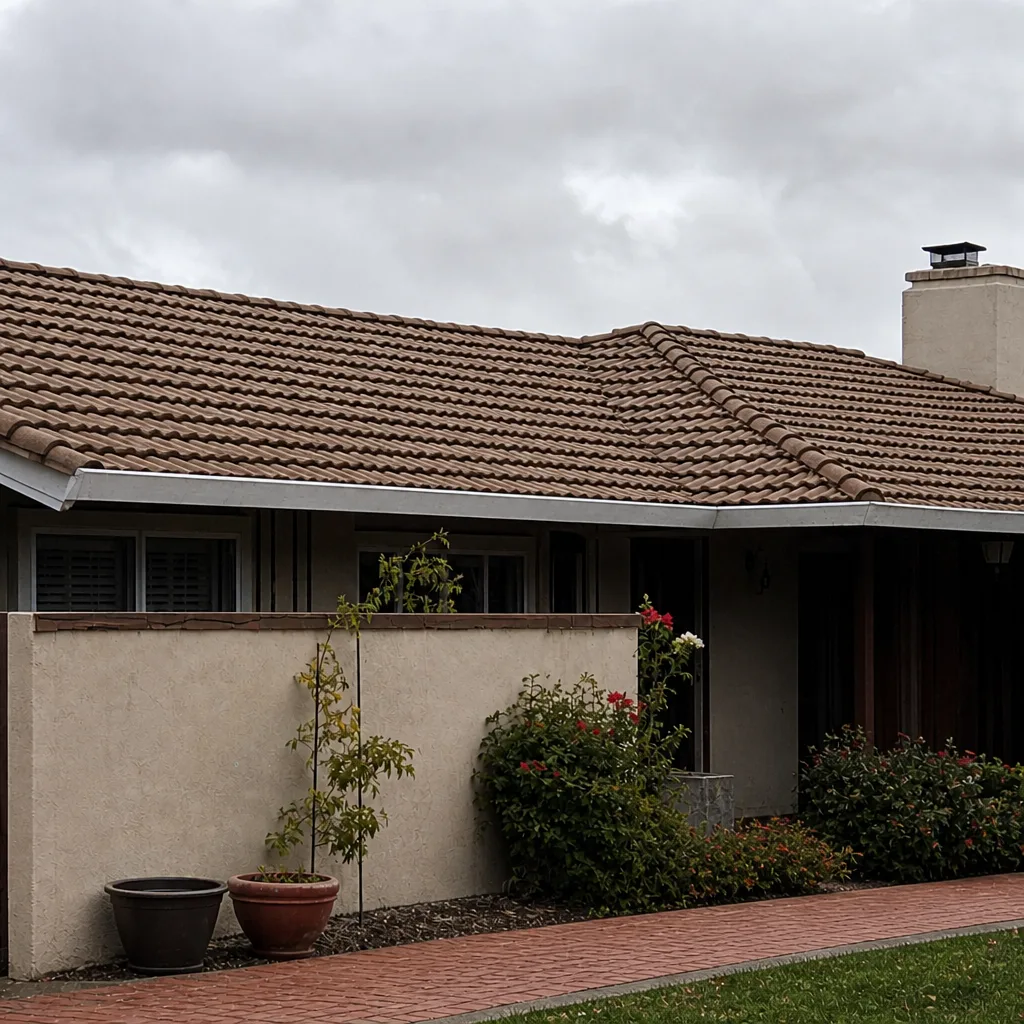
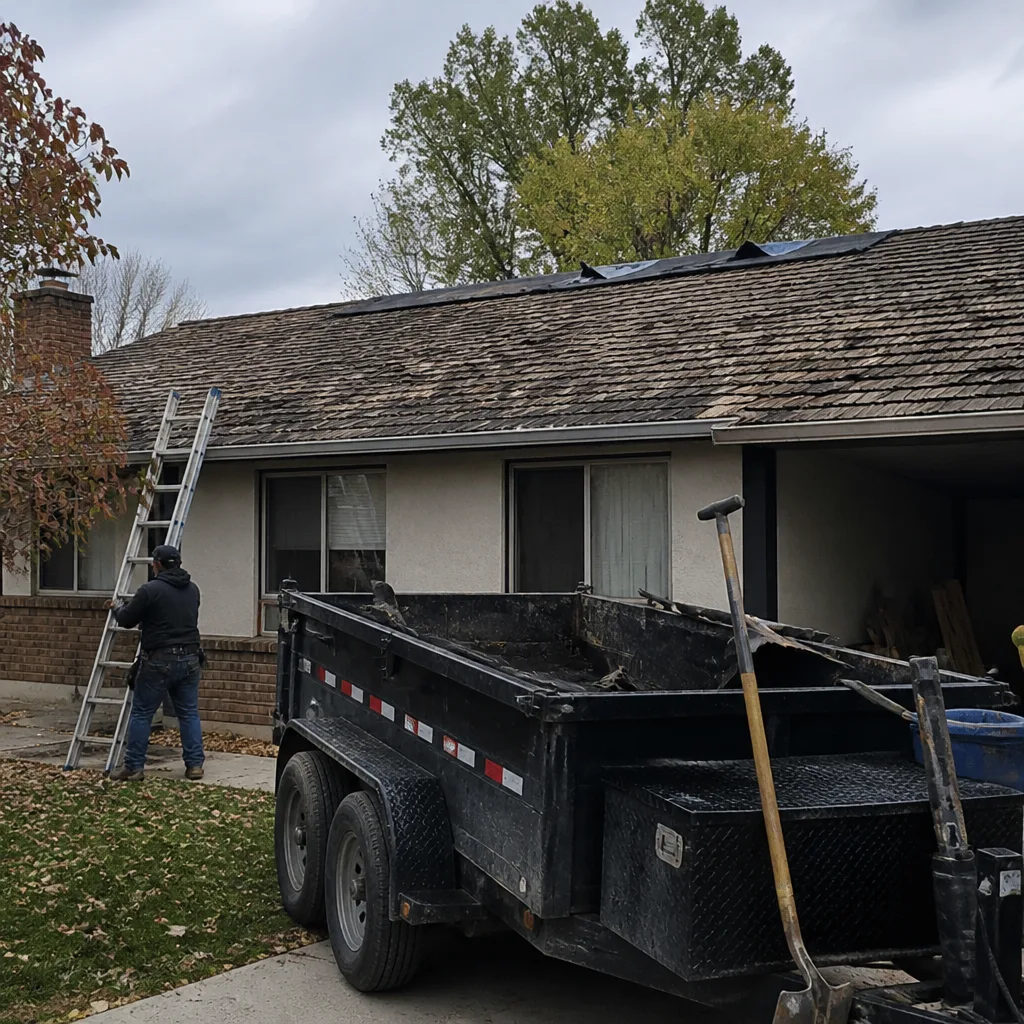
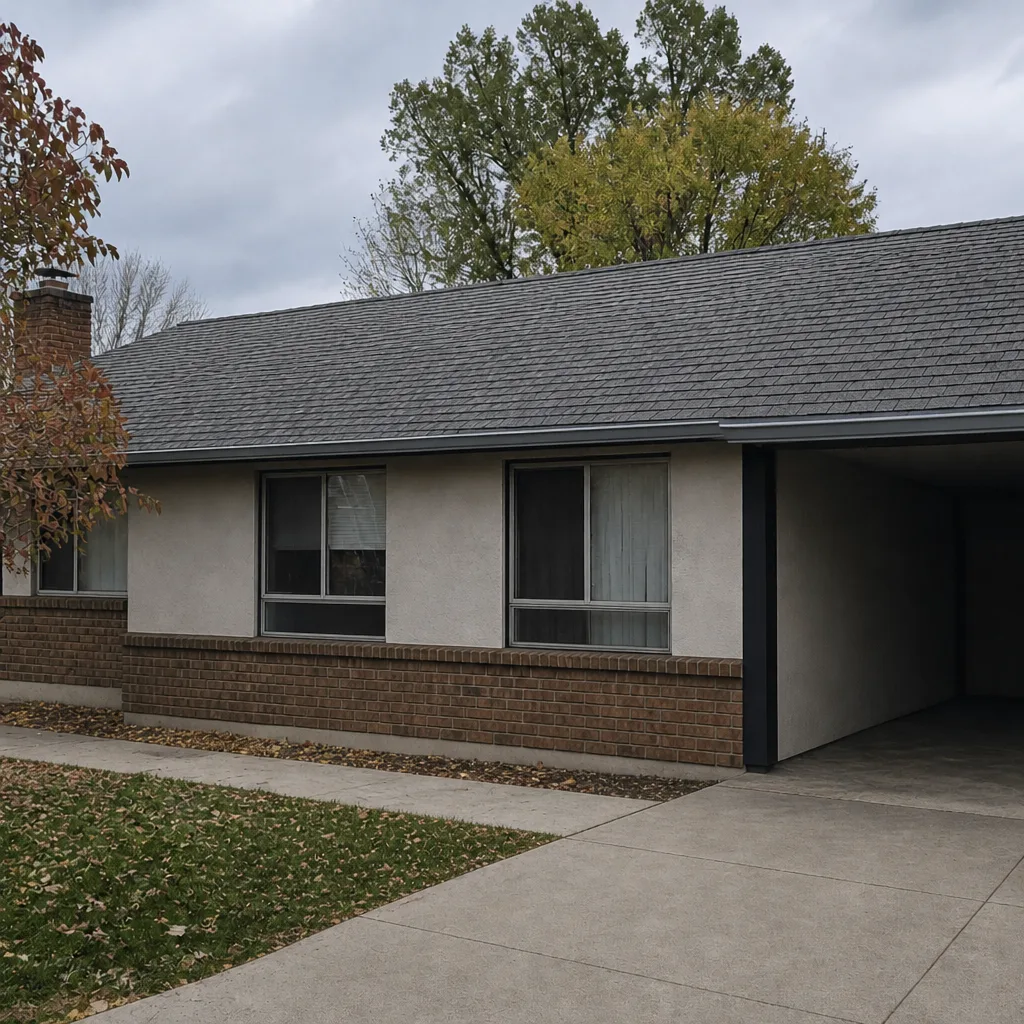
See the difference
 Before
 After
 Before
 After
 Before
 After
When to Call a Professional
Call a professional if you see water stains on the ceiling, daylight in the attic, missing or torn shingles after a storm, or a valley that’s clearly holding debris. Call if you’re not comfortable on a ladder, if your roof pitch is steeper than you’d want to crawl on, or if a repair requires getting up on the deck. Call before you file an insurance claim so you have an independent read on the damage. And call if the roof is over 20 years old and you’re unsure of its condition.
Shepherd & Sons Roofing offers free estimates in Winchester and the surrounding area. Call (844) 797-8167 any time, day or night, and a live person will pick up. We’ll come out, look at the roof, and give you the honest answer. If it’s something you can handle yourself, we’ll tell you that too. Every job we do is backed by the 90-Day Done Right Promise in writing, and we’ve been at the same address since 1996.
Frequently Asked Questions
Twice a year: once in late spring before the heat peaks, and once after the first fall wind event. Those two windows catch the problems our climate actually causes. A professional inspection is worth adding to the schedule every couple of years, and after any major storm.
From a stable ladder on level ground, you can check gutters, downspouts, fascia, first shingle rows, and pipe boot collars from a distance. Anything past the first few rows, any flashing work, and any repair on a pitched roof should go to a professional. Protect your footing first.
Yes, but not the way the service menus suggest. The two inspections and the 20-minute drainage check are what extend life. Monthly “tune-ups” mostly pad the invoice. The maintenance that matters is drainage and catching small damage early. Skipping that, in our experience, is what shortens a roof’s life the most.
No. Insurance covers damage from storms and other covered events, not routine maintenance. That’s why your roof log matters. A documented maintenance record supports a claim when damage happens, while skipped maintenance can weaken a claim the adjuster questions.
Water backing up from plugged gutters and valleys. It’s the number one cause of premature repair calls we get. Hail and wind damage come second. Both get caught early if you keep to the two-inspection schedule and clear the drainage after every storm.
If it’s not actively letting water in, a small shingle or flashing issue can often wait. But get eyes on it now to confirm it’s not bigger than it looks. A leak that’s wetting the deck is not a spring problem. Call (844) 797-8167 for a free estimate and we’ll tell you straight.
The Bottom Line
A roof maintenance schedule isn’t complicated. Two inspections a year, at the two windows our climate dictates, plus a 20-minute drainage check after every storm. Skip the monthly service menus and the tune-up upsells. Keep a simple roof log. Know the warranty rules. Stay off the roof yourself beyond the first few rows. Do those things and you’ll get more years out of your roof than any service contract will give you. If you’re in Winchester and want a free second opinion on any of it, call (844) 797-8167. A live person answers around the clock, and the estimate costs you nothing.
Written by the team at Shepherd & Sons Roofing Winchester.