
Last updated November 17, 2026
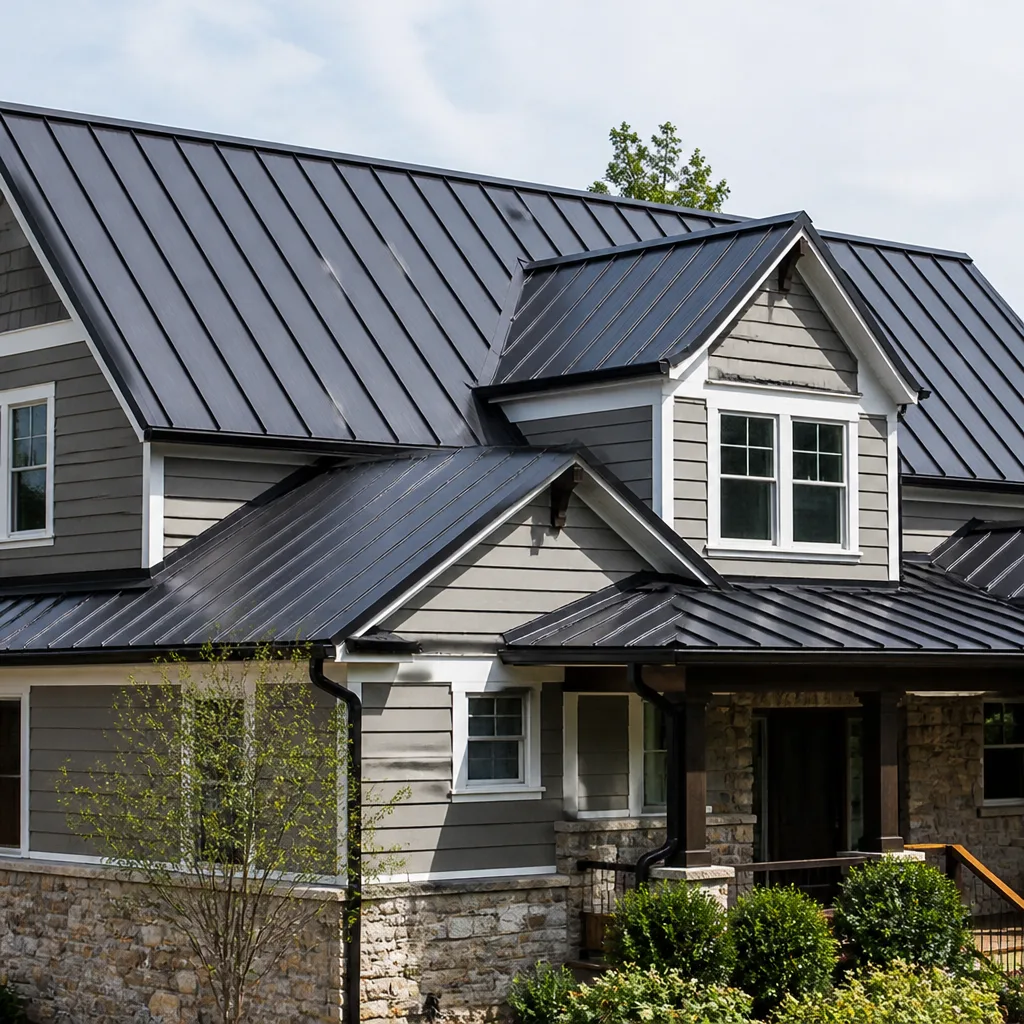 Metal roofing
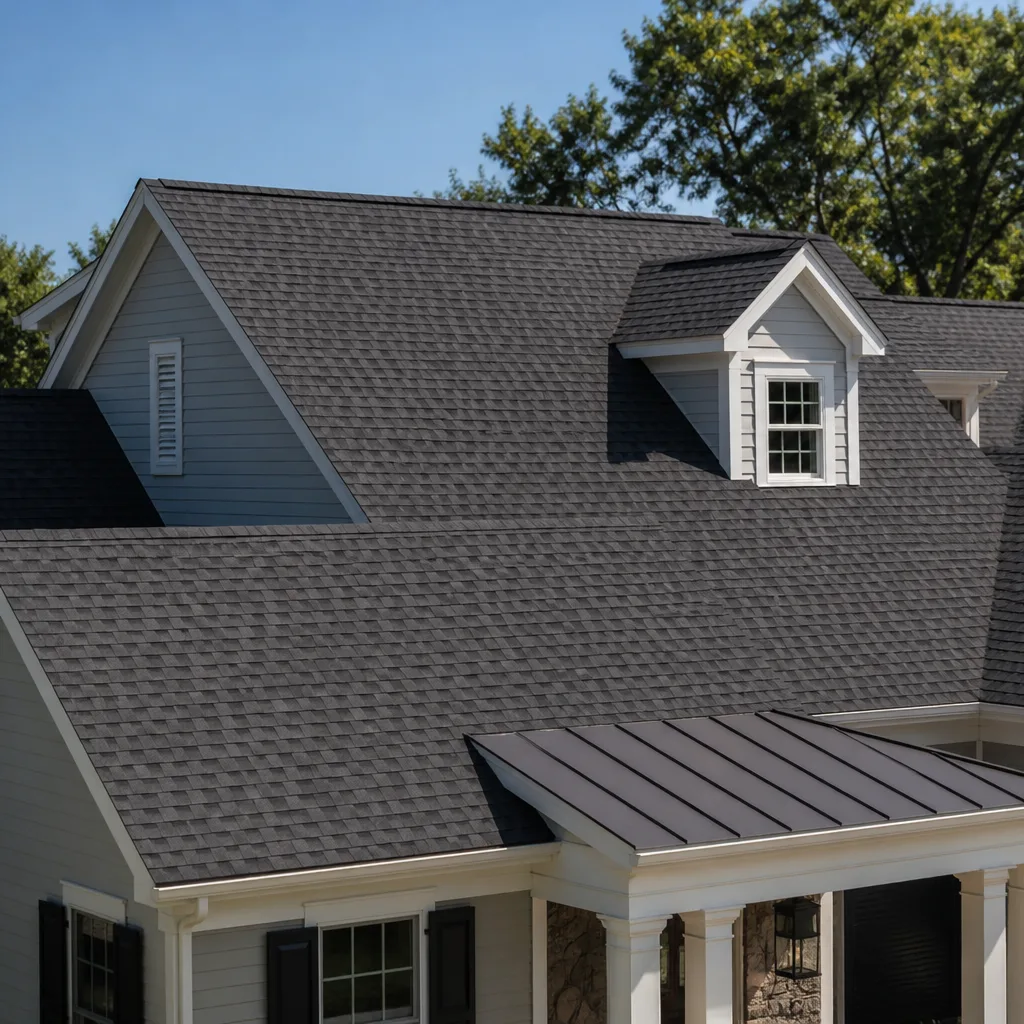
 Architectural shingles
 Tile roofing
 GAF
 Owens Corning
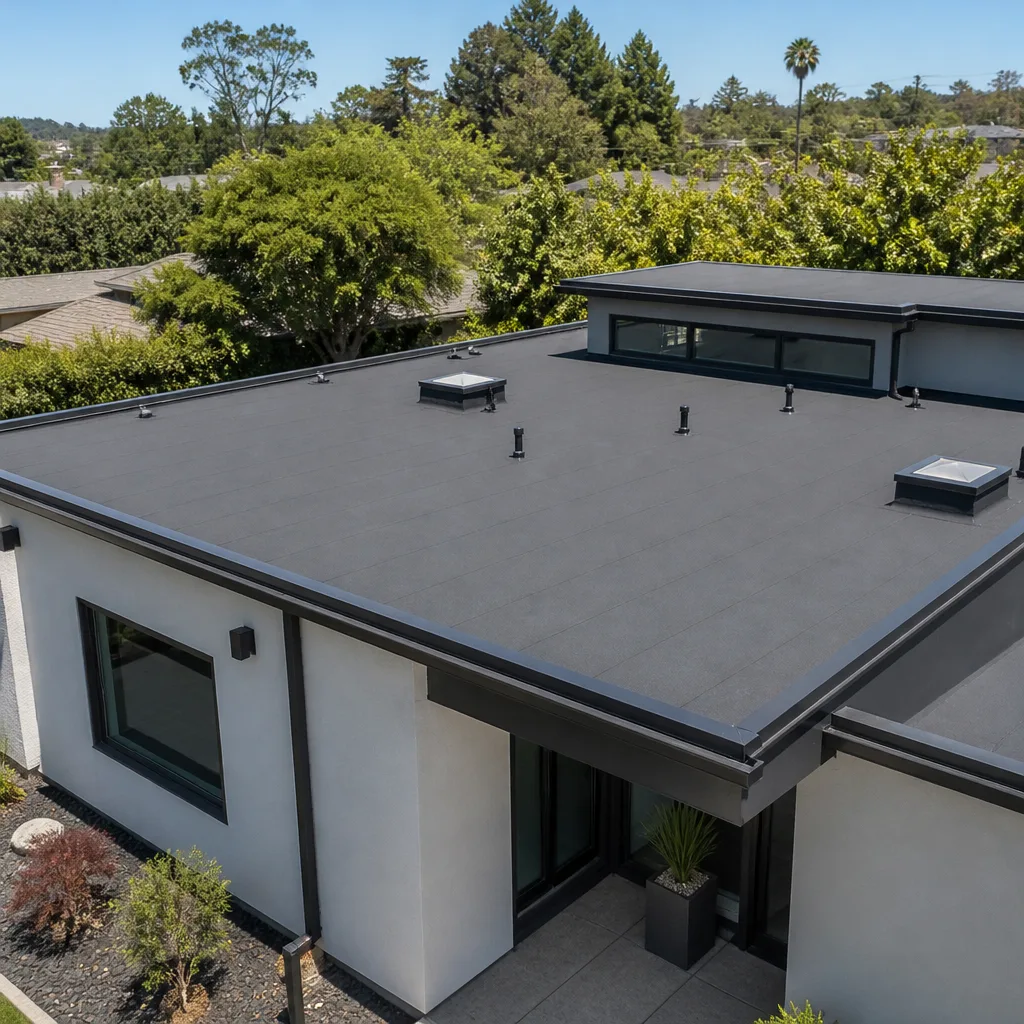 Flat & low-slope
Free roof inspection with deck photos before we talk money - GAF and Owens Corning certified installation
Seasonal Roofing Care for Winchester: Year-Round Homeowner’s Guide
The leak that shows up in January in Winchester almost never started in January. It started as a cracked lap seal in September that the monsoon opened up slowly over three months. By the time the stain shows on your ceiling, the water has been finding the same path for a season. Winchester’s roof calendar has four beats: UV abuse in summer, monsoon stress in late summer, a short but real freeze-thaw in winter, and the spring inspection window that decides whether you catch a problem or pay for it. Most homeowners only watch one of those four. This guide walks through all of them, with the specific tasks that matter for roofs here.
Quick Answer
Seasonal roof care in Winchester means checking your roof four times a year, not once. Clear valleys and downspouts before the July monsoon, inspect for UV cracking and granule loss in September, watch flashing and fasteners through the winter freeze-thaw cycle, and do a full walkthrough in spring with photos you can compare year to year. That rhythm catches most problems while they’re still a $200 repair instead of a deck replacement.
Styles & brands we work with
- Architectural shingles
- Metal roofing
- Tile roofing
- GAF
- Owens Corning
- Flat & low-slope
Table of Contents
- Why Winchester Roofs Age on a Different Clock
- Monsoon Prep: What Has to Happen Before July
- Summer UV and Asphalt Shingles: What the Warranty Doesn’t Cover
- The Real Winter Risk in Winchester: Thermal Cycling, Not Ice Dams
- The Spring Post-Winter Walkthrough
- Building a Phone Photo Log for Year-Over-Year Comparison
- The Winchester Roof Calendar at a Glance
- Common Mistakes to Avoid
- When to Call a Professional
- Frequently Asked Questions
Why Winchester Roofs Age on a Different Clock
Winchester sits where the Mojave influence meets the higher desert, and that combination is hard on a roof in ways a shingle wrapper doesn’t fully account for. Summer surface temperatures on a dark asphalt roof regularly climb well past ambient air temperature. Late summer brings the monsoon, when heavy rain arrives fast and finds every weak point. Winter isn’t the deep-freeze Northeast pattern, but the overnight dips below freezing and the daytime warm-up create a daily thermal cycle that works fasteners and flashing loose over years.
Put those three pressures together and you get accelerated wear spread across the wrong parts of the year for most homeowners to catch. They think about the roof in spring when they notice a problem, or in winter when they hear a drip. The damage that caused both got its start months earlier.
That’s why a Winchester roof needs a four-beat care rhythm, not the once-a-year check most national maintenance checklists suggest. The seasonal timing matters as much as the task. Clearing a valley in April does nothing for a monsoon that arrives in July. Checking a flashing joint in June misses the freeze-thaw movement that happens in January.
One more local angle: Winchester’s housing stock spans older construction with original decking alongside newer builds. Different roof ages need different care priorities. An older roof benefits most from a careful spring inspection because small failures compound. A newer roof benefits most from disciplined monsoon prep because the shingles are still doing their job and you’re protecting the investment. If your roof is older and you’re weighing repair against replacement, our guide to Roof Replacement & Installation in Winchester covers how to think about that decision.
Monsoon Prep: What Has to Happen Before July
Monsoon prep for a Winchester roof comes down to three things: water has to have a clear path off the roof, the places water collects have to be clear, and the flat sections have to drain. Most monsoon damage we see isn’t a shingle failing. It’s water backing up because a downspout or valley was clogged with debris from the dry months.
Here’s the pre-monsoon checklist. Plan to do it in late June, before the first real storm.
- Clear the valleys. Valleys are where two roof planes meet and where water concentrates. Desert dust, leaf litter, and small debris collect there through the dry season. A clogged valley turns into a water channel that pushes under shingles.
- Flush and check every downspout. Run water through each one and watch it come out the bottom. A downspout that’s blocked at the elbow sends water back up under the eave, and that’s where soffit rot starts.
- Walk the flat sections. Any flat or low-slope section needs a clear drain and no ponding spots. Standing water on a flat roof during a monsoon load is where leaks begin. Check the drain screens and clear them.
- Check the gutter pitch. Gutters that sag hold water instead of moving it. If water sits in a gutter after a rain, it needs re-pitching.
- Look at the seals around penetrations. Vents, pipes, and anything that comes through the roof has a seal. Those seals are the first thing the monsoon finds if they’re cracked.
If your gutters are sagging or pulling away at the fascia, that’s a job that pairs with a roof check. Our team handles gutters and accessories as part of the same visit, so you’re not chasing two contractors for one water problem.
Summer UV and Asphalt Shingles: What the Warranty Doesn’t Cover
A standard asphalt shingle warranty is written for a national average climate. Winchester’s summer UV load runs higher than that average, and the practical wear shows up as granule loss, surface cracking, and seal-strip failure faster than a homeowner expects. The warranty language still applies, but it doesn’t tell you what to look for on your specific roof at the end of a Winchester summer.
Granule loss is the first sign. Those granules are the shingle’s UV shield. When they wash into your gutters in noticeable amounts, the shingle underneath is starting to take direct UV. Surface cracking is the next step. A shingle that’s cracking in a visible pattern has lost flexibility and its ability to shed water at the edges.
Seal-strip failure is the one most homeowners miss because it’s invisible from the ground. The adhesive strip that holds each shingle tab down can lift under repeated heat cycles. A lifted tab is a wind entry point and a water entry point at the same time. That’s what you’re checking for in September, once the worst of the summer is behind you.
Brand matters less than installation here, but it’s worth knowing what you’re looking at. Quality shingles from manufacturers like GAF, CertainTeed, and Owens Corning are built to handle heat, but the nailing pattern and how they’re set is what earns the wind rating, not the wrapper. A premium shingle nailed wrong fails at the same time as a cheaper one. When we quote a roof, we walk the bidder’s square count and nailing pattern with you, because that’s where the difference lives.
The September check after a Winchester summer should cover:
- Granule accumulation in gutters and at the base of downspouts
- Visible surface cracking on south- and west-facing roof planes, which take the most sun
- Lifted or curled tabs, especially on the windward side
- Any shingle edges that look ragged or missing pieces
If you’re seeing widespread cracking or heavy granule loss across a large area, that’s the point where repair may not be the right answer. Our Roof Repair in Winchester page explains how to tell the difference between a spot repair and a roof near the end of its service life.
The Real Winter Risk in Winchester: Thermal Cycling, Not Ice Dams
Homeowners who moved to Winchester from the Northeast often watch their roof in winter looking for ice dams. Ice dams aren’t the main winter risk here. The real one is thermal cycling: overnight temperatures drop below freezing, the roof deck and fasteners contract, then the daytime sun warms everything and it expands again. Do that every day for a winter and the points that move the most start to work loose.
The places that move most are the flashing points and the fasteners. Flashing is the metal work around chimneys, vents, and roof edges. Each temperature swing nudges it a fraction. Over a winter, a flashing joint that looked tight in October can pull away enough to let water in the next rain. Fasteners, the nails and screws holding everything down, back out slightly with the same movement.
What to check through the winter, from the ground where you can and from a safe vantage point where you can’t:
- Flashing at the chimney and sidewalls. Look for a gap, a lifted edge, or a caulk line that’s cracked.
- Fastener heads. Any nail or screw sitting proud of the surface, or a small rust ring around a fastener head, is worth a closer look.
- Lifted shingle edges. Winter movement often shows first at the edges.
- Interior ceilings and attic. A faint stain or a soft spot in the attic sheathing is a winter warning sign worth chasing early.
Don’t get on the roof in winter to check this yourself. A frost-covered roof pitch is genuinely dangerous, and a fall is a worse problem than a flashing joint. Note what you see from the ground and call it in. Our guide on the Shepherd & Sons Roofing Winchester home page covers the full range of what we handle if you’re unsure whether a winter issue is a repair or something bigger.
The Spring Post-Winter Walkthrough
Spring in Winchester is the inspection window that matters most. Everything that moved over the winter is now visible, and you have months before the monsoon to fix it. This is the walkthrough that decides whether you catch a problem or pay for it later in the year.
Do it after the last hard freeze, once things have warmed up. Here’s the sequence:
- Start at the ground. Walk the perimeter and look up. Note any shingles that are out of line, sagging, or missing. Note any debris on the roof surface.
- Check the flashing points. Chimney, sidewalls, vents, and roof edges. This is where winter thermal cycling did its work.
- Check fasteners on any exposed areas. A backed-out fastener is a spring find that’s still a cheap fix.
- Look at the attic from inside. Any water staining on the sheathing, any daylight showing through, any soft spots. This is where you catch a slow leak before it becomes a ceiling problem.
- Check the gutters and downspouts. Winter debris and spring pollen both collect there.
- Photograph everything. Every problem spot and every area that looks fine. The photos are how you compare next spring.
A spring walkthrough catches far more than a fall one, because you’re seeing the winter’s effects before the year adds new ones. If the roof is metal, the priorities shift a little. Our Metal Roofing in Winchester page covers what to check on a metal roof specifically, where the fasteners and panel seams are the focus.
Building a Phone Photo Log for Year-Over-Year Comparison
The most useful roofing tool a Winchester homeowner has costs nothing: the phone in your pocket. A simple photo log makes a year-over-year comparison a five-minute task instead of a memory exercise. And it’s the thing that turns “I think the roof looks worse than last year” into something you can actually show a roofer.
Here’s how to build one that works:
- Pick consistent vantage points. The same spots every year: the four corners of the house, the chimney, any valley, the gutters, and one full roofline shot. Mark them in your head or on a note.
- Take the same shot each year. Same angle, same distance, same time of day. The comparison only works if the shots line up.
- Date every photo. Your phone does this automatically. Don’t delete the file names.
- Note what you did between shots. A repair, a clearing, a gutter fix. A log of actions plus a log of images tells the full story.
- Keep the photos all in one folder. Name it for the house, not the date. Every year’s set goes in the same folder.
Five years of a consistent photo log shows shingle wear as a curve, not a snapshot. It shows whether a flashing spot is stable or moving. It catches the slow drift a single look misses. And it makes the conversation with a roofer much faster, because we can see the history instead of guessing at it.
The Winchester Roof Calendar at a Glance
Here’s the four-beat rhythm laid out so you can plan around it. The tasks are short. The timing is what matters.
- Late June, before monsoon: Clear valleys and downspouts, check flat-section drains, look at gutter pitch and penetration seals. This is the prep that prevents most monsoon water damage.
- September, after UV season: Check for granule loss, surface cracking, and lifted tabs. This is the post-summer damage assessment.
- Through winter: Watch flashing points and fasteners from the ground. Note anything that looks off. Don’t climb a frost-covered roof.
- Spring, after the last freeze: Full walkthrough of flashing, fasteners, attic, and gutters, with photos at consistent vantage points.
That’s the whole system. Four touchpoints, each one short, each timed to catch what the previous season did. A homeowner who does all four spends far less over ten years than one who waits for a leak.
Common Mistakes to Avoid
- Only thinking about the roof in one season. The most common mistake we see in Winchester is homeowners who only check in spring or only after a storm. The other beats are where the cheap catches live.
- Skipping monsoon prep because it “didn’t rain much last year.” The monsoon that gets you is the one that finds the clogged valley you didn’t clear. Prep costs an hour. The repair costs far more.
- Treating granule loss as normal. A few granules in the gutter are normal. A handful after every rain is a sign the shingle’s UV shield is going. It’s worth a look, not a shrug.
- Climbing the roof in winter to “just check.” A frost-covered pitch in Winchester is genuinely slick. Note it from the ground and call it in. No flashing joint is worth a fall.
- Getting one photo and calling it a log. A single picture over time tells you nothing without a comparison. Set the vantage points and repeat them.
- Hiring whoever knocks on the door after a storm. Storm chasers do good work sometimes and disappear the rest of the time. Ask for a published address and a license number you can look up. Verify the address is real.
- Assuming the warranty covers wear. Warranties cover manufacturer defects. They don’t cover heat-driven granule loss or a lifted seal strip from thermal cycling. Those are your roof’s actual wear pattern, so check for them.
When to Call a Professional
Some tasks belong in your hands: clearing a valley, flushing a downspout, taking photos, checking an attic. Others are better handled by someone on the roof with the right footing and the right eye. Call a professional if you see any of these: a stain on an interior ceiling or attic sheathing, a flashing joint that’s visibly pulled away, multiple backed-out fasteners, widespread surface cracking across a roof plane, or a shingle area that’s lifted or missing after a storm. Also call if you’re not sure what you’re looking at. A trained eye on the roof for twenty minutes tells you more than a season of guessing from the driveway.
If you’re in Winchester and want a second look at what you’ve found, Shepherd & Sons Roofing offers free estimates and a free second opinion on any written estimate you have. Our technicians have up to 30 years of experience, and we’ll show you the deck photos before we talk money. Call (844) 797-8167 and a live person picks up.
Frequently Asked Questions
Four times a year, timed to the seasons: late June before the monsoon, September after UV season, a light winter watch, and a full spring walkthrough. Each check is short. The timing is what catches problems early, because each season stresses different parts of the roof.
Clearing the valleys, flushing and checking every downspout, clearing the drains on any flat sections, checking gutter pitch, and looking at the seals around roof penetrations. The goal is a clear path for water to leave the roof. Most monsoon damage here is water backing up behind a clog, not a shingle failing. Call (844) 797-8167 if you want a hand with the parts of the prep that need a ladder.
Winchester’s summer UV load runs higher than the national average the warranty is written for, so granules break down and wash away faster. When you see a noticeable amount in the gutters after a rain, the shingle’s UV shield is thinning and the surface is starting to take direct sun. It’s worth a look before it turns into surface cracking.
Usually not. The winter risk here is thermal cycling: overnight freezing and daytime warming that works flashing and fasteners loose over time. That’s what to watch for from the ground. Ice dams are a Northeast problem driven by heavy snow and heat loss. Winchester’s issue is the daily temperature swing, not a snow load.
You can do the ground-level checks, take the photos, and look at the attic from inside. A visible flashing gap, backed-out fasteners, or widespread cracking is where the ground-level check ends and a professional call begins. Stay off the roof itself, especially after frost. No inspection is worth a fall.
It depends on the material, the roof pitch, how much sun it takes, and how well it’s maintained through the four-beat seasonal cycle. A well-maintained asphalt roof in this climate has a real service life, but heat-driven wear is faster here than the national average. A photo log and a spring walkthrough tell you far more about your specific roof than a general lifespan figure. Call (844) 797-8167 for a free estimate and we’ll give you a straight answer on yours.
The Bottom Line
Winchester roofs age on four beats, not one. UV in summer, monsoon in late summer, thermal cycling in winter, and the spring inspection that catches the winter’s work. Most homeowners watch one and miss the other three. The fix is simple: clear your valleys before July, check for granule loss and lifted tabs in September, watch flashing and fasteners through winter from the ground, and do a full spring walkthrough with a phone photo log you can compare year over year. Four short checks a year, timed to the climate, keeps problems in the cheap-repair range far longer than a once-a-year look.
Call (844) 797-8167 for a free estimate. A live person answers, and we’ll show you the deck photos before we talk money.
Written by the team at Shepherd & Sons Roofing Winchester.
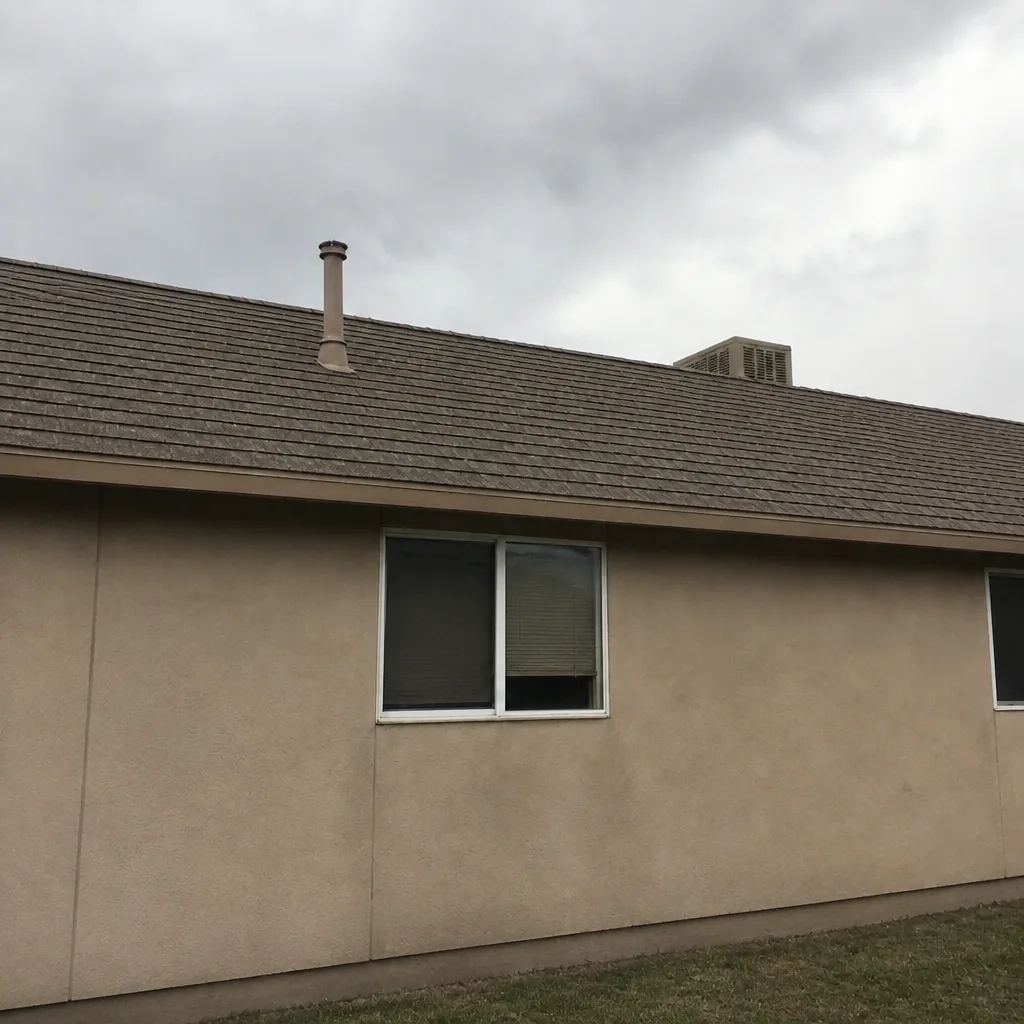
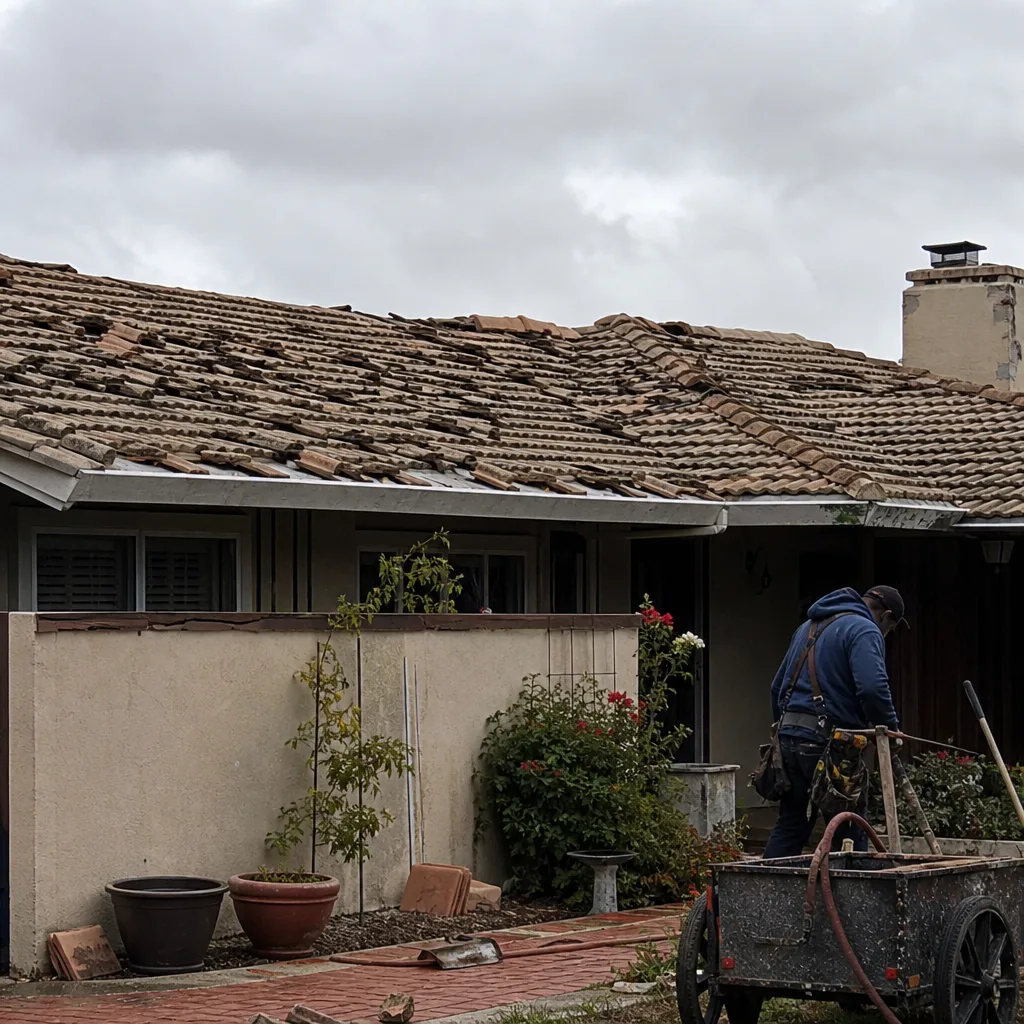
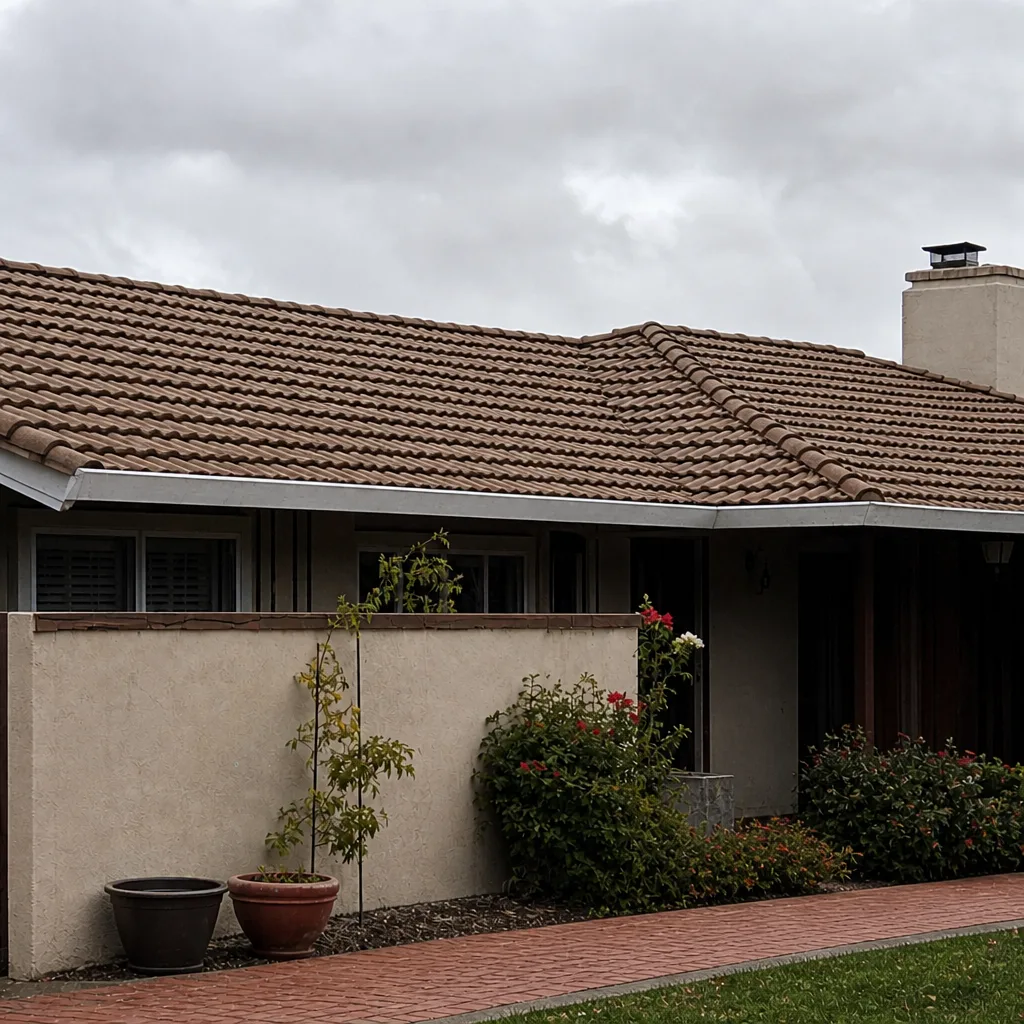
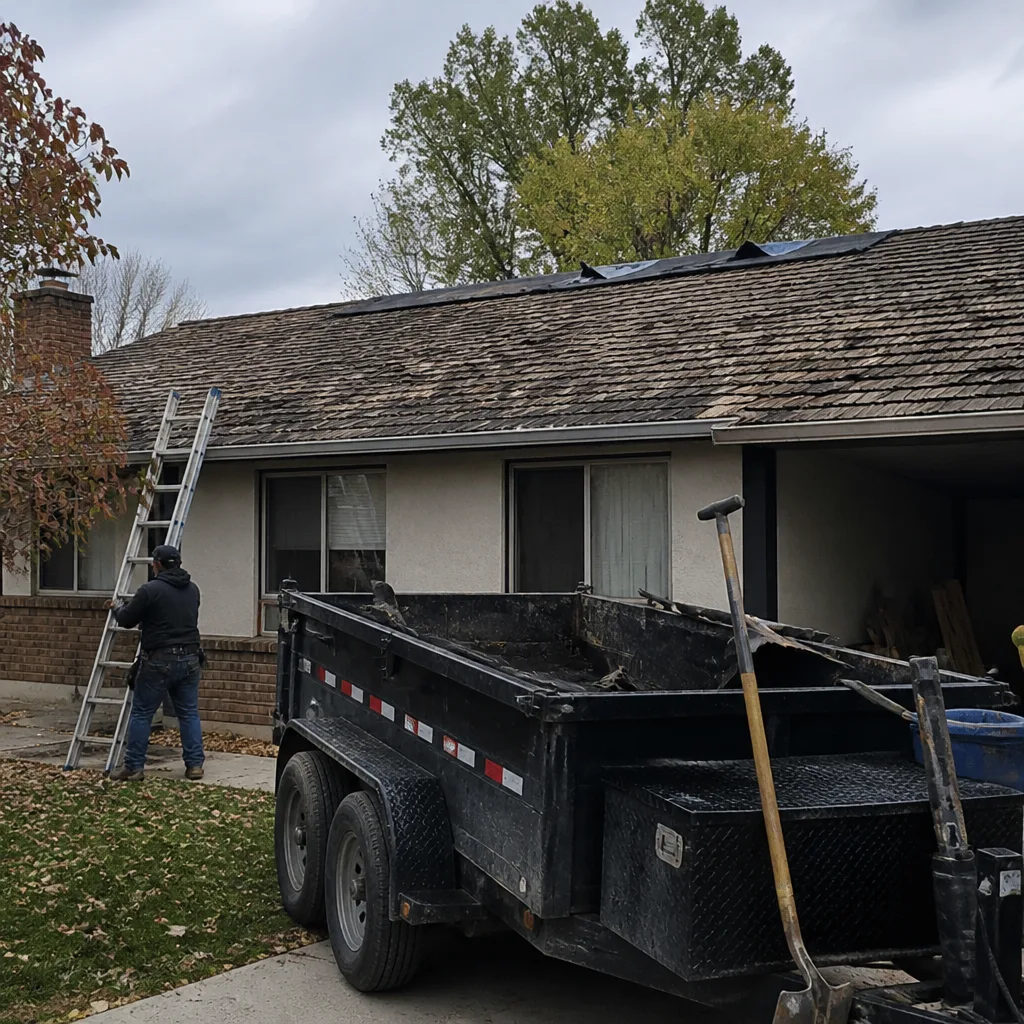
See the difference
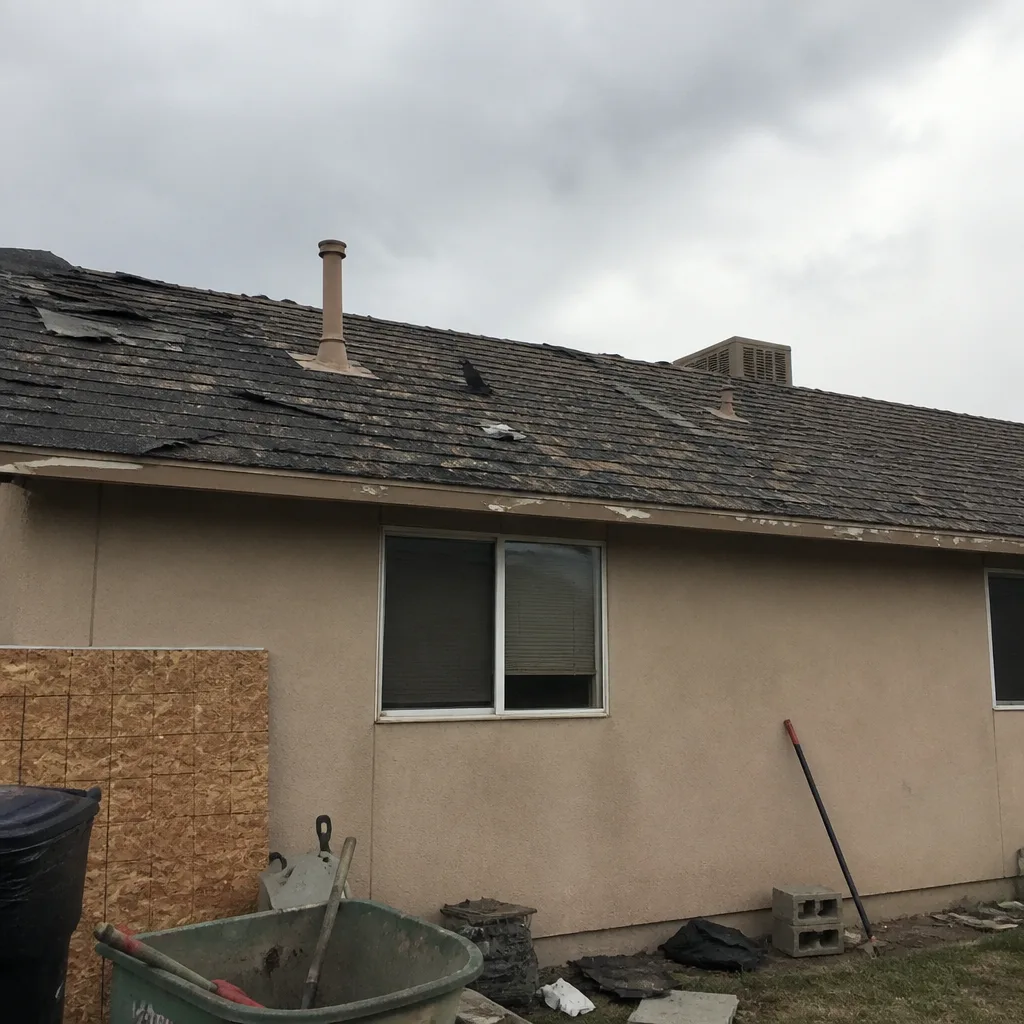 Before
 After
 Before
 After
 Before
 After