

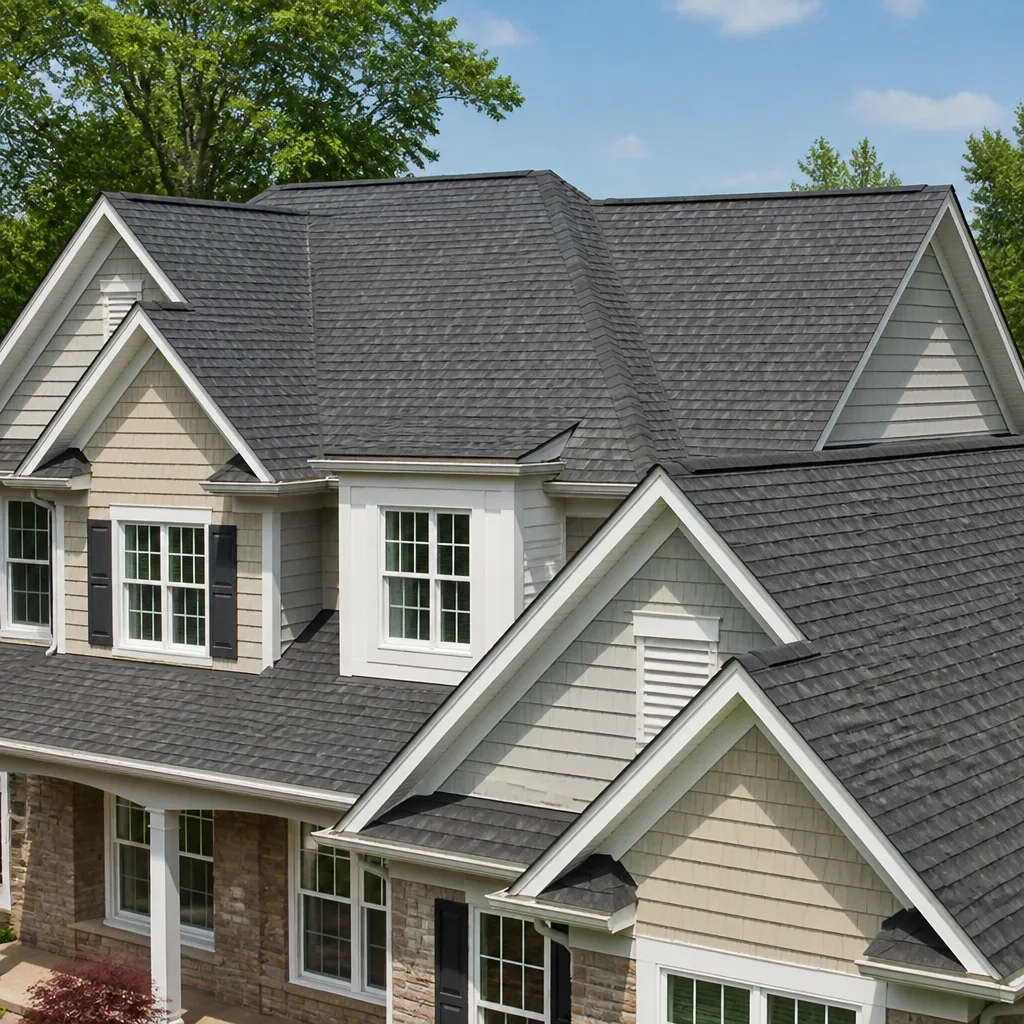
 Architectural shingles
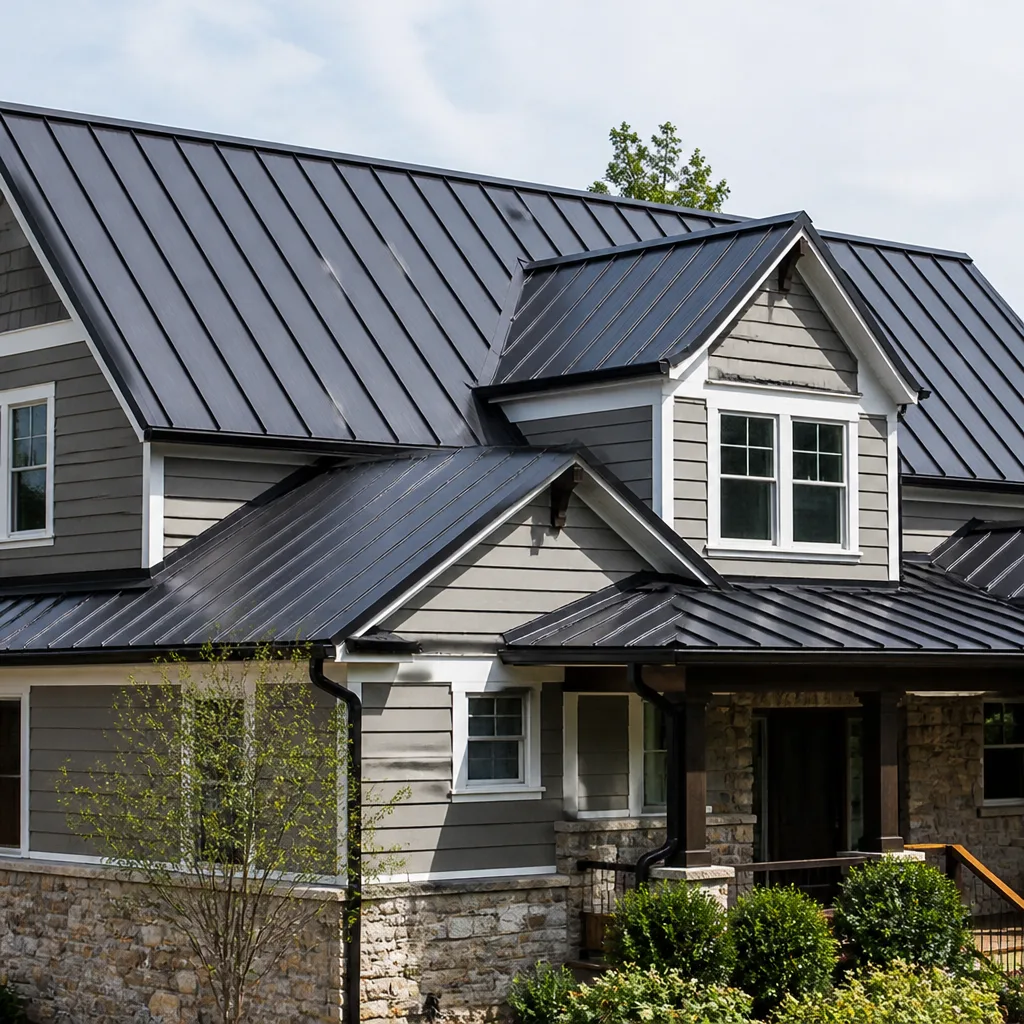 Metal roofing
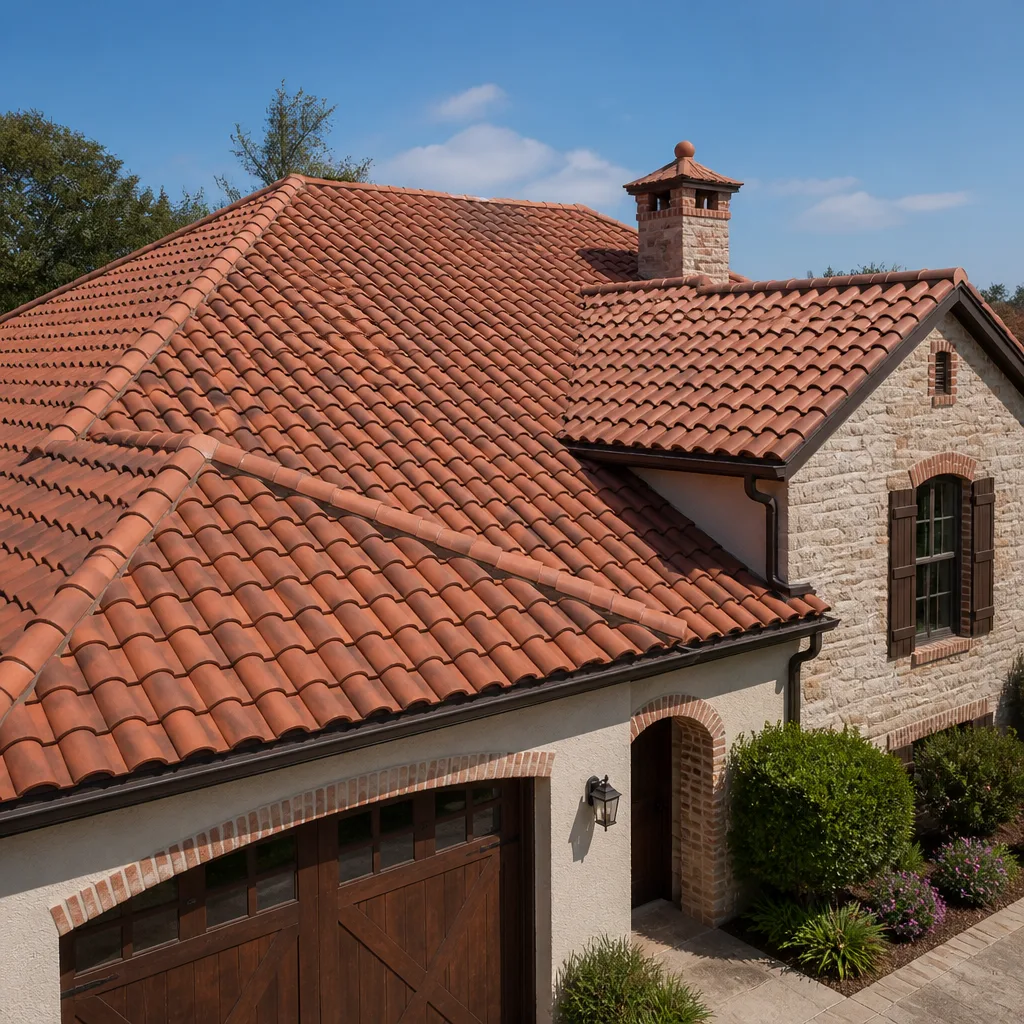 Tile roofing
 GAF
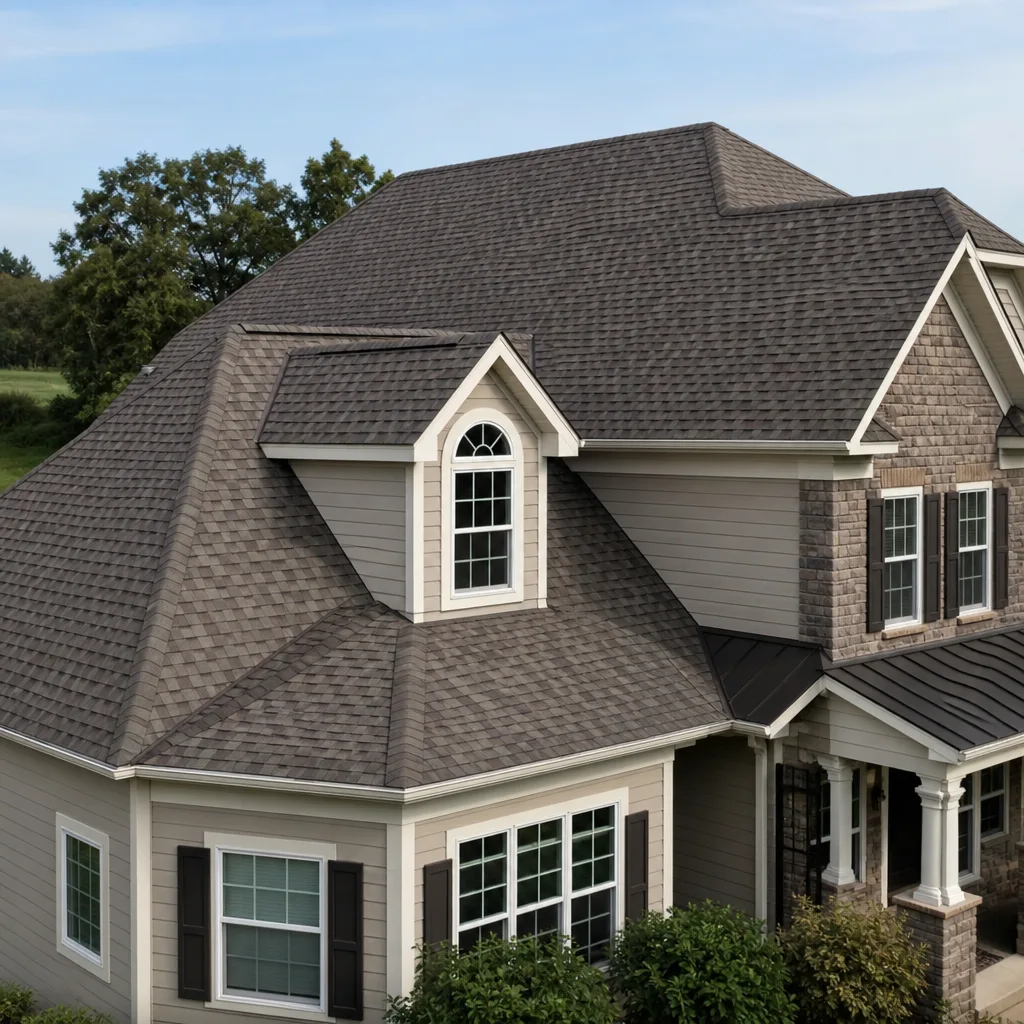 Owens Corning
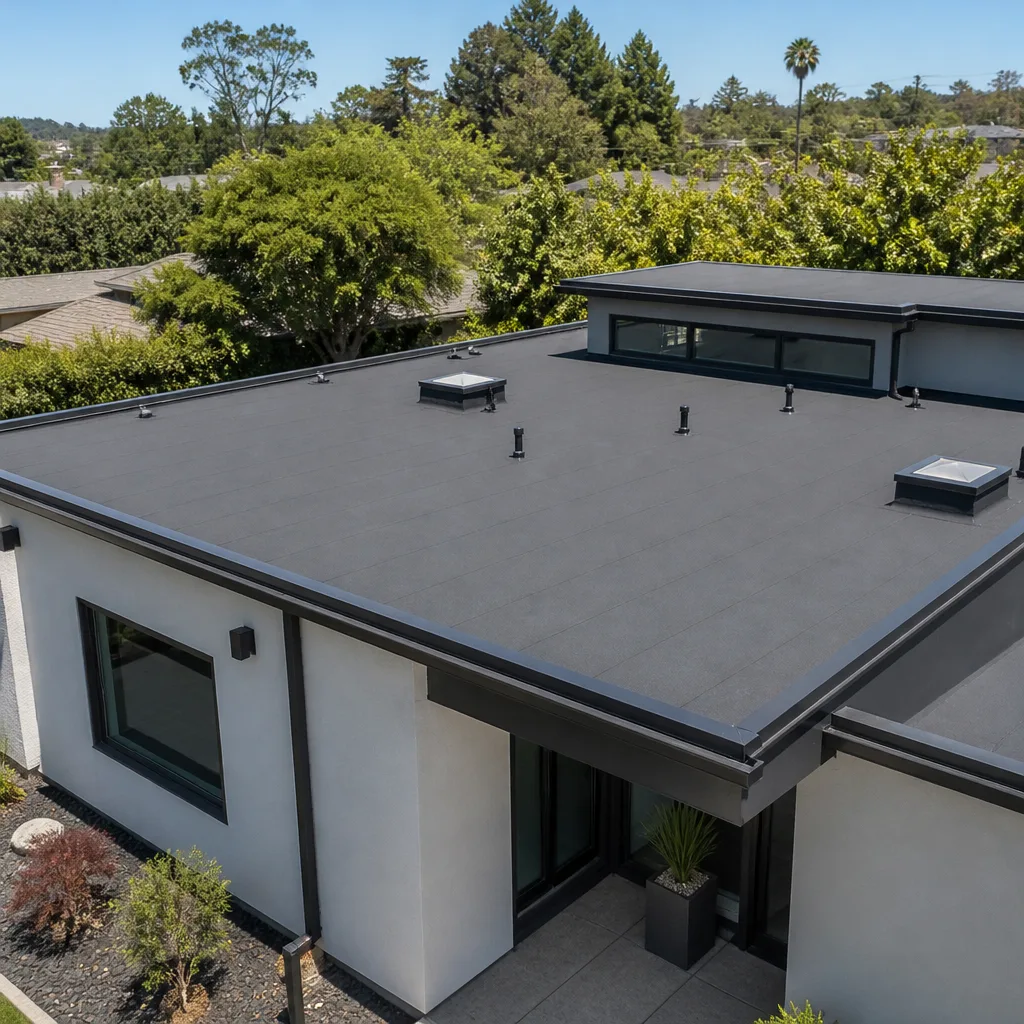 Flat & low-slope
Free roof inspection with deck photos before we talk money - GAF and Owens Corning certified installation
Atlas Ridge Vent Installation: The Winchester Owner’s Guide
Atlas ridge vent installation is the shingle-over vent line that Atlas profiles call for at the peak of the roof, and replacing a failed run typically lands between $18 and $32 per linear foot installed in Winchester, or roughly $650 to $1,450 for a standard 40-foot ridge; we schedule estimates within a few days, not weeks. There’s no same-day service on planned roofing work in Winchester and we won’t pretend otherwise.
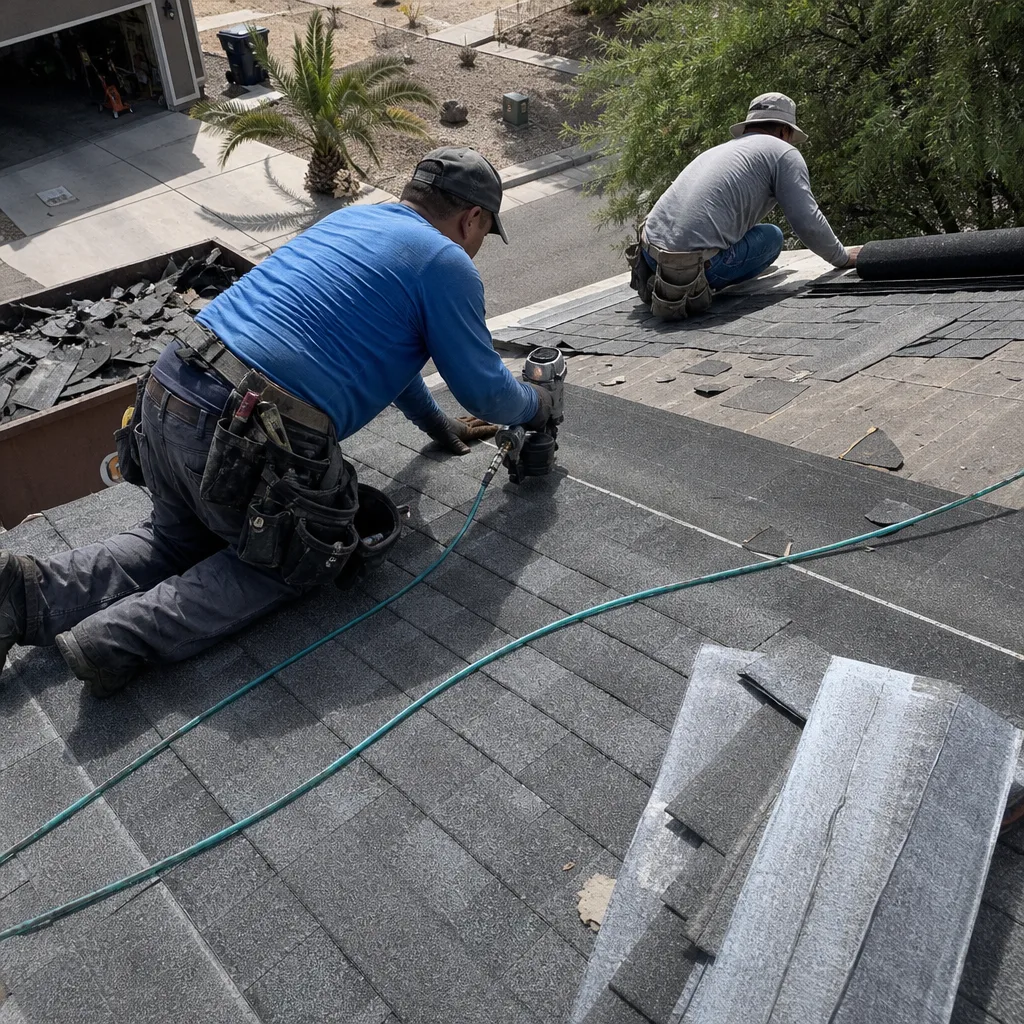
Most Winchester owners don’t go looking for a ridge vent. They find it. A dark streak shows up on the ceiling along the peak after a hot July, or the attic hits 140°F by early afternoon and the upstairs never cools off no matter what the thermostat says. Sometimes it’s simpler: a roofer is up there for something else and tells you the vent line is cracked, sagging, or was never cut through to the deck in the first place. Ridge vents are the most common ventilation upgrade in Winchester, and the most commonly botched.
Which Atlas Models This Applies To
Atlas makes ridge vent products that pair with its shingle lines, and the one most homeowners here have on the roof is the shingle-over vent matched to StormMaster Shake, StormMaster Slate, or Pinnacle Pristine. It’s a low-profile vent that gets shingled right over the top so it disappears into the ridge. The catch: Atlas lists compatibility by shingle profile and ridge width, not by a single universal part number. A vent built for a heavy shake profile sits differently than one cut for a standard three-tab ridge cap, and if you match the wrong one you get lift-off at the first 50 mph gust off the Spring Mountains.
Here’s how to know what you’ve got. Get in the attic with a flashlight and look at the underside of the ridge. The vent shows as a continuous slot cut through the deck sheathing, usually with a mesh or baffle screen. Measure that slot. Atlas installs are typically built around a slot in the neighborhood of 2 inches wide, and if your slot is narrower than the vent’s opening you’ve found your airflow problem without even climbing up top. Cross-check the shingle wrapper in the garage or the old bid paperwork for the Atlas line name.
The OEM-versus-aftermarket call matters here more than it does on some parts. An Atlas-specific vent matches the shingle thickness and the ridge-cap profile it’s designed to sit under, so the shingles lie flat and the vent reads as part of the roof. A generic aftermarket vent can work, but only if its profile is a true match. Ask any bidder to name the Atlas line on your roof before they quote the swap. If they can’t, they’re guessing.
Styles & brands we work with
- Architectural shingles
- Metal roofing
- Tile roofing
- GAF
- Owens Corning
- Flat & low-slope
Signs Your Atlas Ridge Vent Installation Is Failing
Ridge vents fail slowly, which is why they get missed. Watch for these:
- Heat and moisture streaking along the ceiling at the peak. Condensation has nowhere to go when the vent stops exhausting, so it condenses on the underside of the deck and works its way into the drywall. That stain is the vent telling you it’s blocked or undersized.
- An attic that won’t cool in summer. A vent that’s cracked or was blocked during a shingle job traps hot air under the roof. In Winchester, afternoon temps over 100°F turn a dead ridge vent into a slow bake for the whole house.
- Shingles lifting or curling at the peak. If the vent isn’t seated against the shingle profile, wind gets under the ridge cap. That’s the first spot to check after a windy spring.
- Visible cracks, gaps, or loose sections on the vent line. The vent is a plastic or composite strip and it takes decades of sun. UV breakdown here shows as hairline cracks and sag between the rafters.
- Snow or ice backing up at the ridge in winter. A vent that isn’t draining the way it should lets meltwater pool instead of shed off. If you’ve had an ice dam at the peak, the vent line is a suspect.
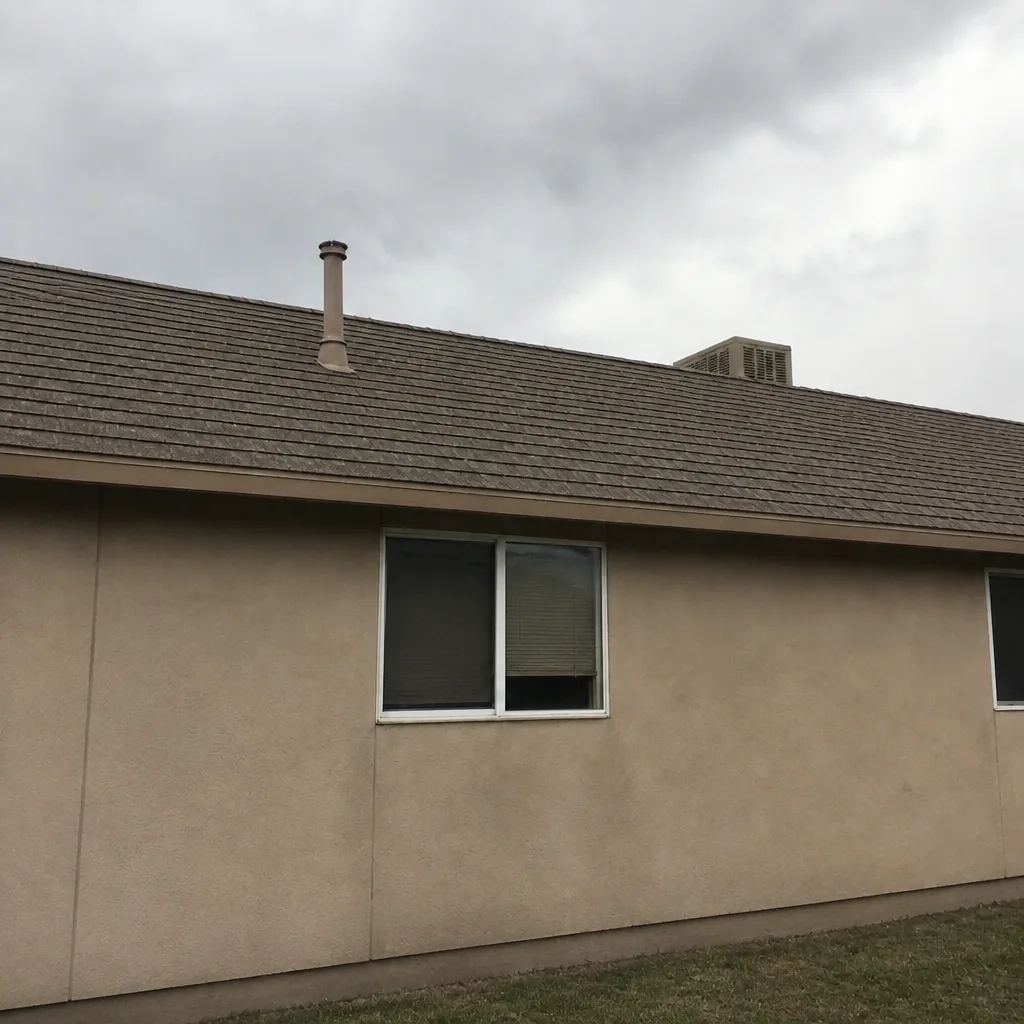
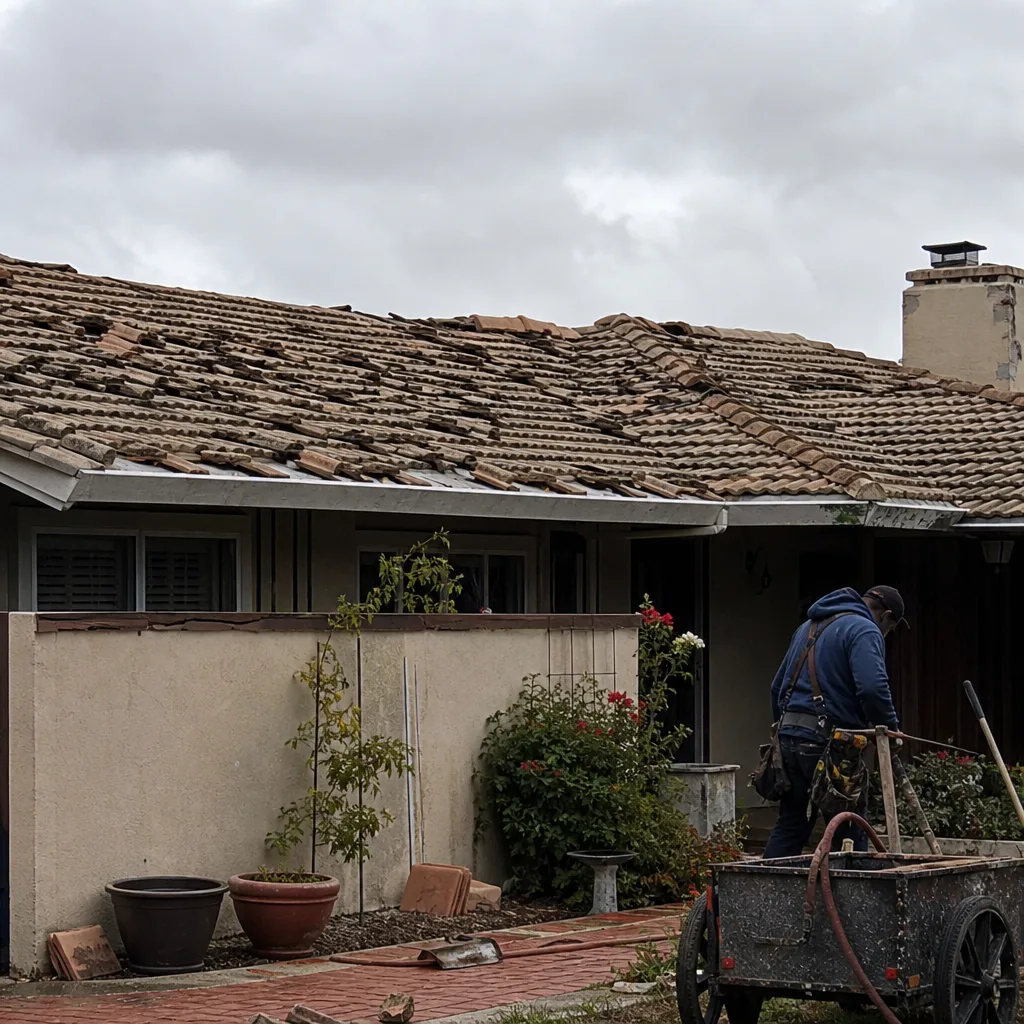
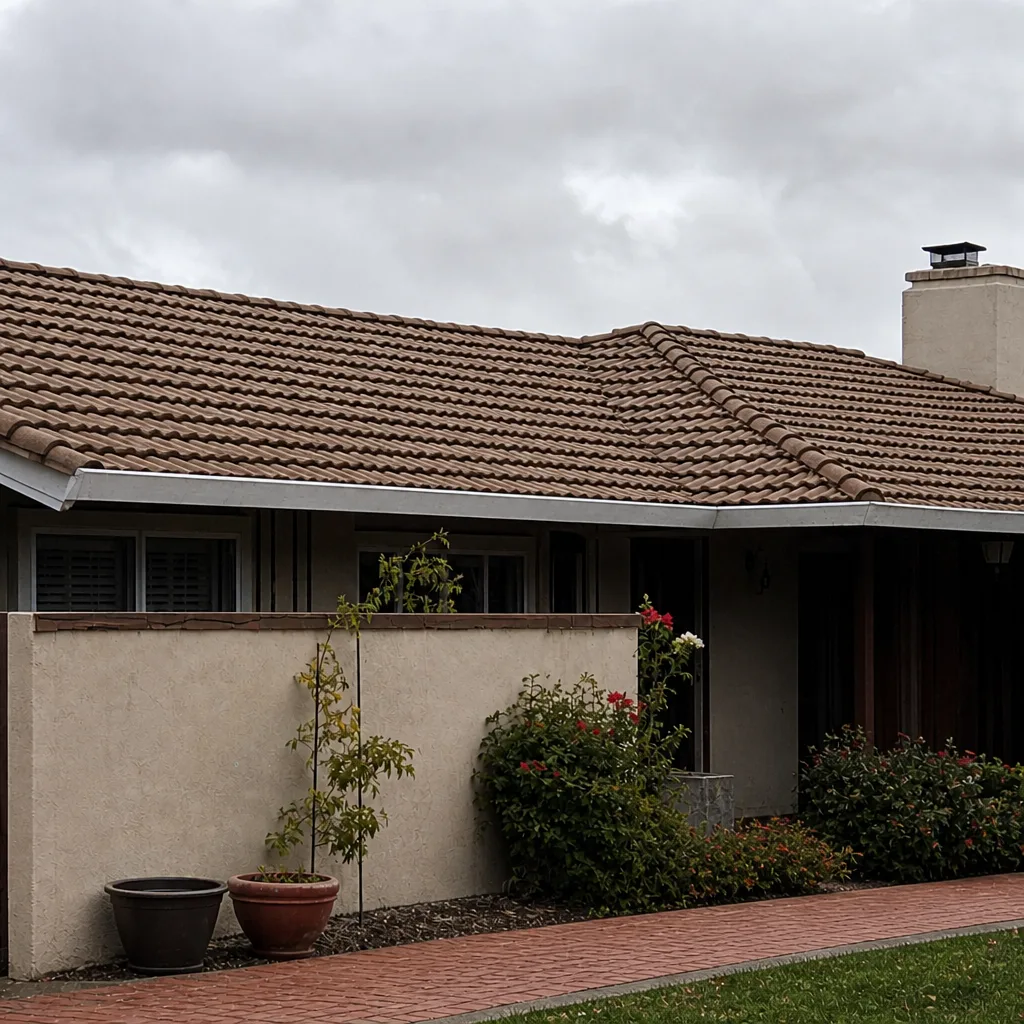
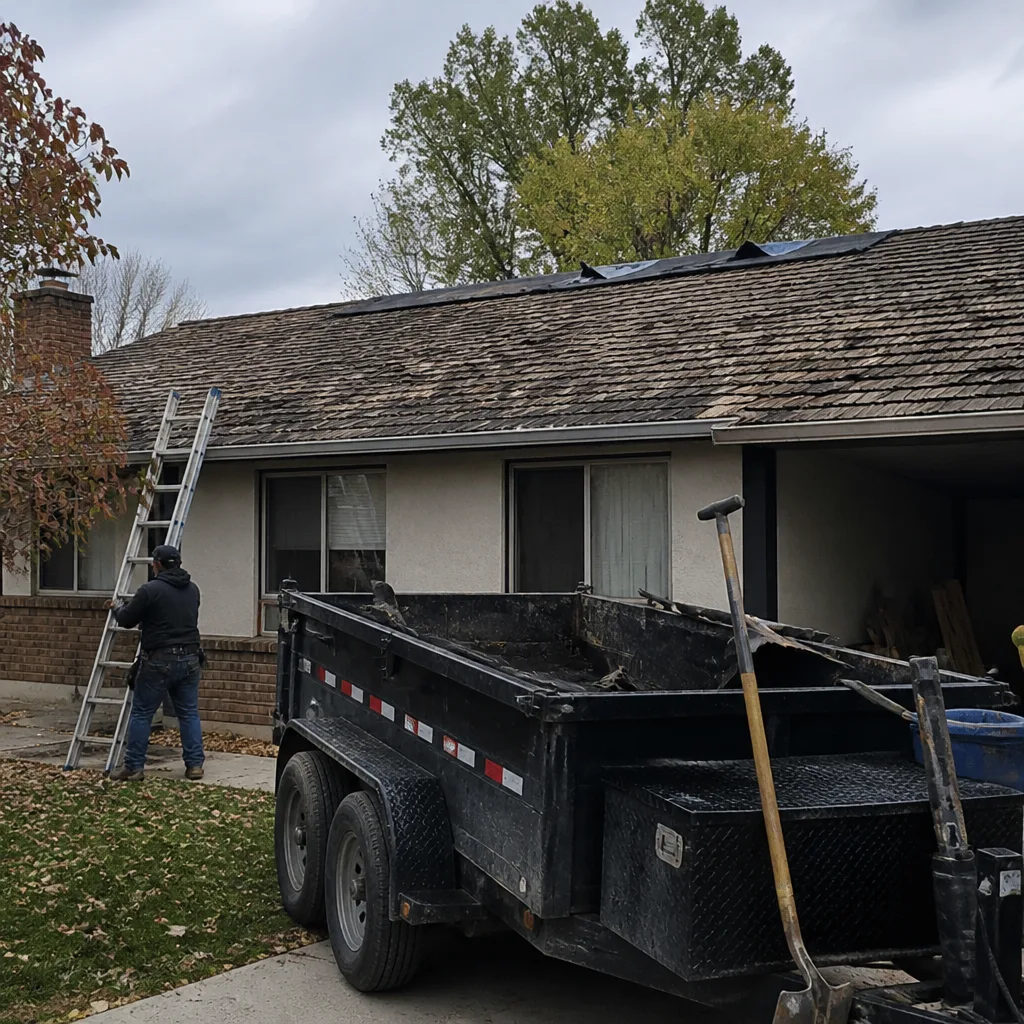
See the difference
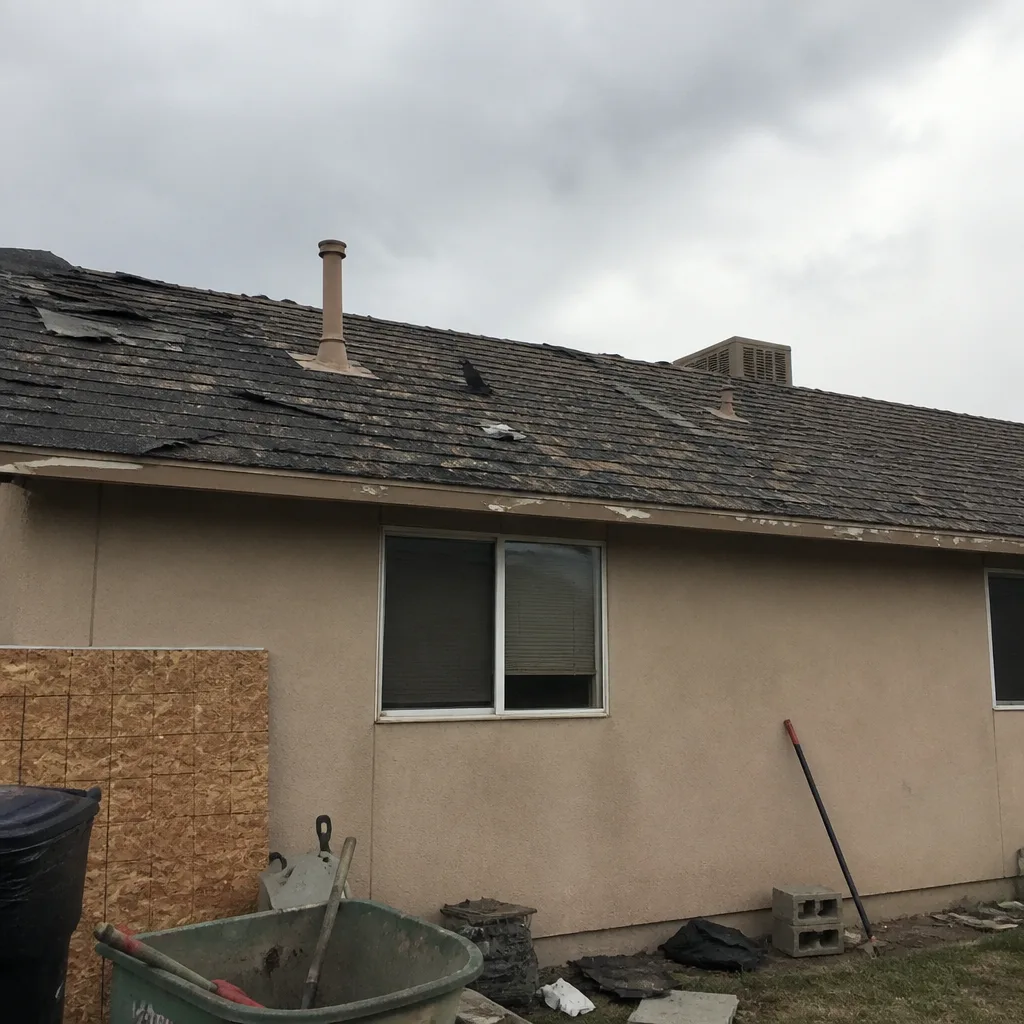 Before
 After
 Before
 After
 Before
 After
Replacement Cost & What’s Included
Replacing a failing Atlas ridge vent in Winchester runs roughly $18 to $32 per linear foot installed, all in. A 40-foot ridge comes in around $650 to $1,450. The range comes down to four things: the ridge length, the ventilation capacity you actually need for the square footage under it, whether the deck slot has to be cut wider, and how much shingle and ridge cap has to be pulled and re-set. We measure, show you the deck photos, and quote a number. No surprise add-ons later.
What’s included: the vent product, matching ridge cap shingles if the old ones break on removal, labor, and cleanup. We name the specific Atlas vent going up and show you the deck before the shingles go back down. Every job carries the 90-Day Done Right Promise in writing. The $40 Off Any Repair over $200 standing offer applies here, and there’s no trip charge inside our own county. If you’ve already got a written estimate from another roofer, bring it and we’ll give you a free second opinion before you commit.
DIY or Call Us?
Here’s the honest split. You can safely do the attic inspection yourself: look at the slot, measure it, photograph the vent with a light and send us the pictures. Then stop. Anything that involves getting on the roof is a fall-hazard job, and in Winchester the heat makes it worse. A ridge is the highest, most exposed part of the roof, and the shingles you’d be lifting are the ones that keep the rest of the roof tight.
The bigger risk is quieter than a fall. If you cut the deck slot too wide, you’ve opened the ridge to water intrusion and cut the structural bracing that holds the roof together. If you seat the vent off the shingle profile, you weaken the wind rating right where the roof takes the most wind. And if the old and new vents don’t line up, you’ve created an air leak that wasn’t there before. This is the kind of job where a badly done version looks fine until the first hard rain.
If your atlas ridge vent needs replacing, the simplest next step is a free estimate. Call (844) 797-8167 and Bill will come out, show you the deck photos, and quote you a flat number. No trip charge inside our county, and we answer the phone 24/7 – a real person, not a call center.
FAQs
A good ridge vent should last 20 to 25 years, but our high-desert sun is hard on the plastic, so plan on the lower end if the roof faces west and bakes every afternoon. Shingles and decking outlast the vent strip more often than not, which is why a ridge vent swap is common on a roof that’s still got life in it.
Sometimes, yes. A short cracked section or a vent that was blocked can often be opened up or patched, and we’ll tell you straight if repair will hold. Full-length cracking, sagging, or a vent that was undersized from the start means replacement. Call (844) 797-8167 and we’ll give you the honest read.
A typical Atlas ridge vent swap on a standard single ridge takes about half a day, including getting the shingles back down and cleaning up. Longer or multi-ridge roofs run into a full day. The deck photos and the estimate come first, so you know the number and the schedule before anyone touches the roof.
We measure your ridge and match the vent to your Atlas shingle line – StormMaster Shake, StormMaster Slate, or Pinnacle Pristine – and order the correct profile, including the right ridge width. If it’s a discontinued Atlas line, we identify the closest equivalent with the same profile so the shingles sit flat. We’ll tell you what part is going up before we start.
Need that ridge vent sorted before the next heat wave? Call (844) 797-8167 for a free estimate, or to book a free second opinion on a quote you already have. We answer 24/7, the name on the truck is the name on the license, and the 90-Day Done Right Promise is in writing on every job.
Written by the team at Shepherd & Sons Roofing Winchester, serving Winchester and nearby areas.