

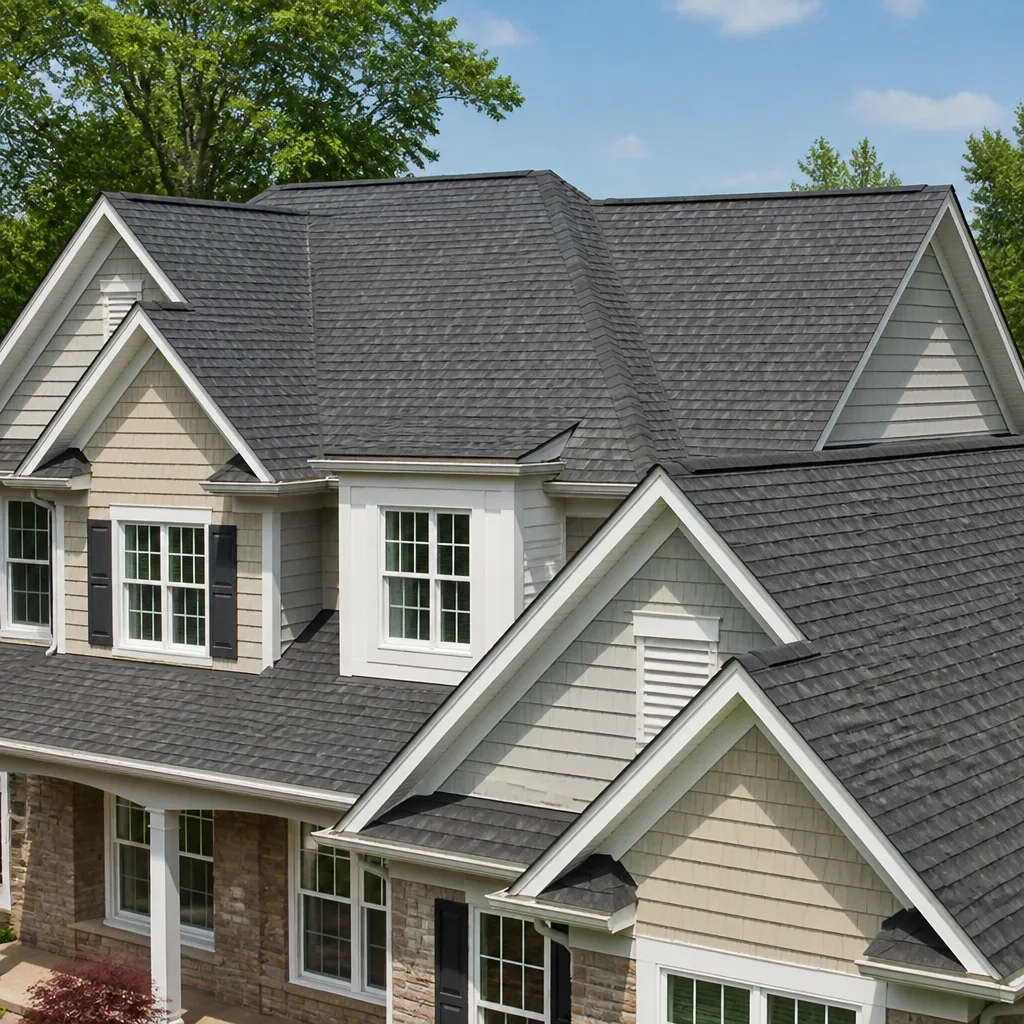
 Architectural shingles
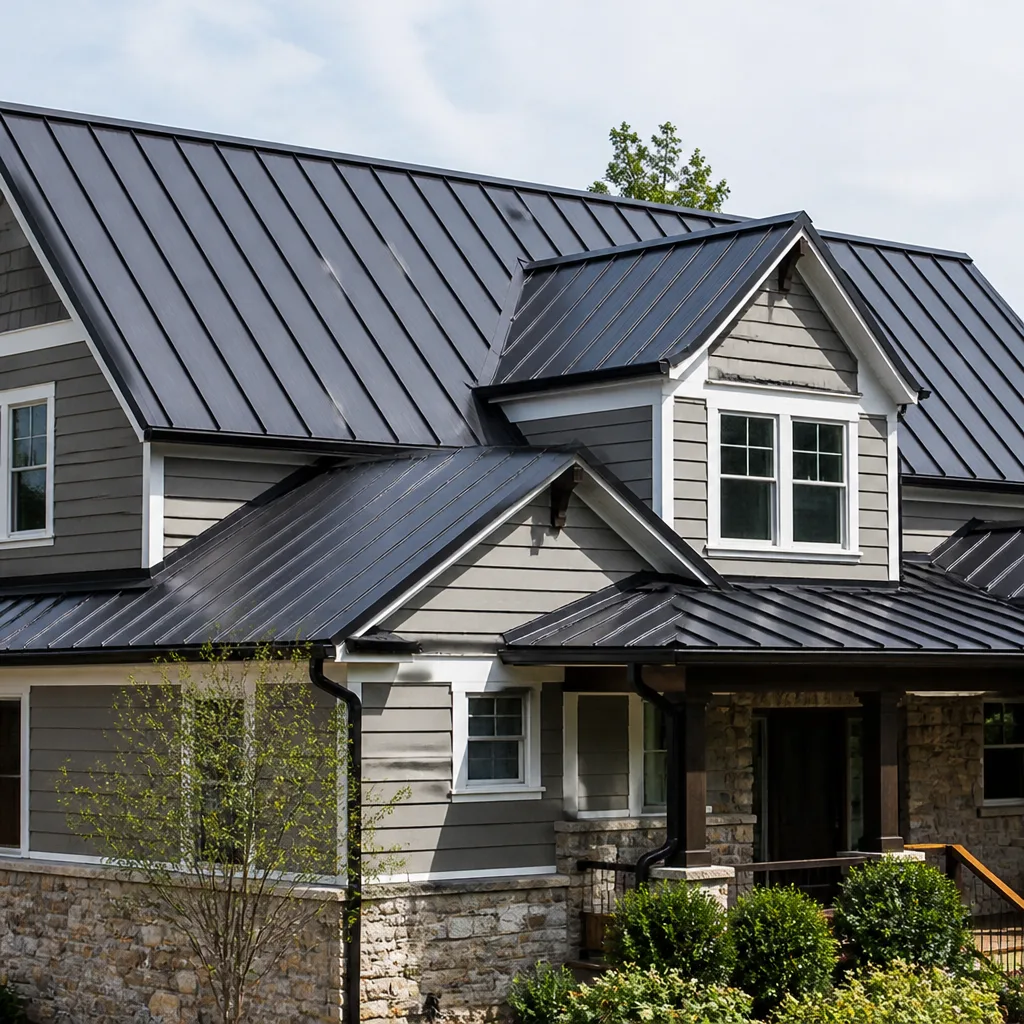 Metal roofing
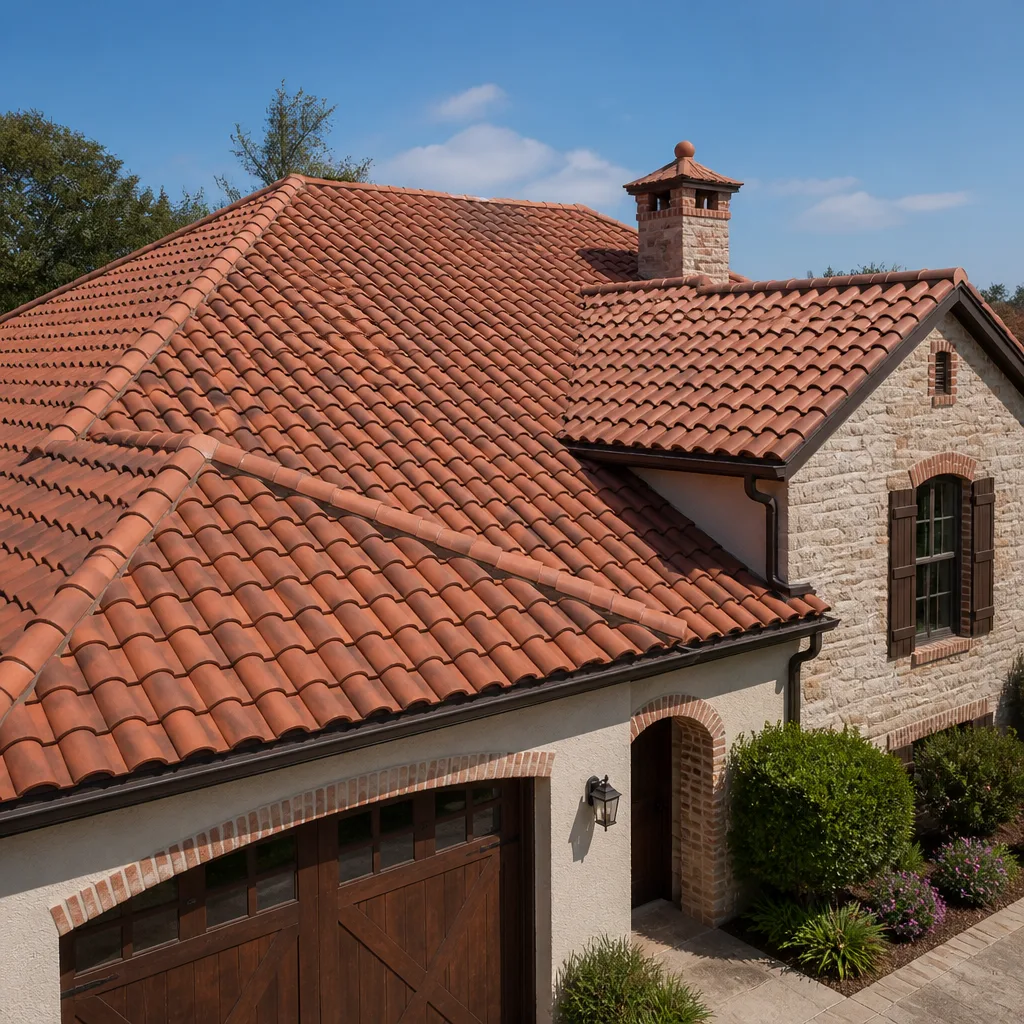 Tile roofing
 GAF
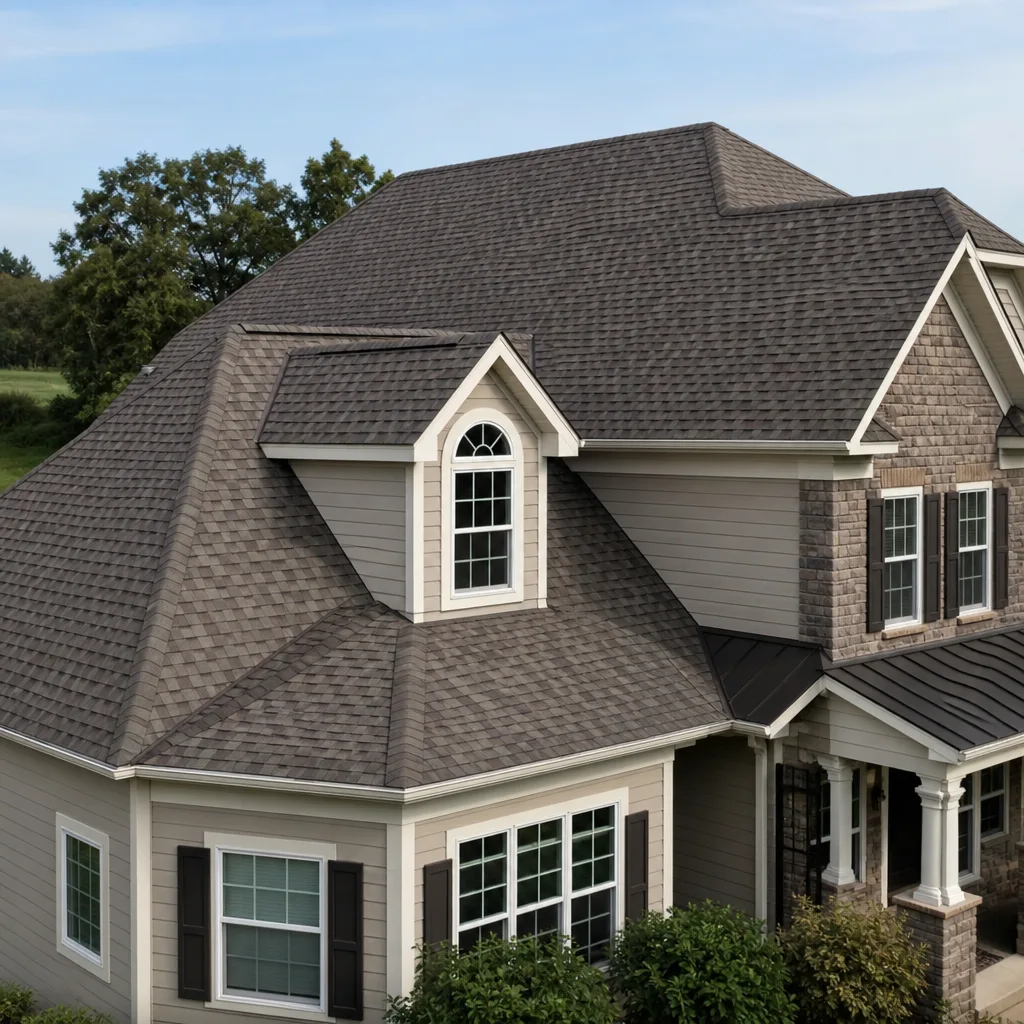 Owens Corning
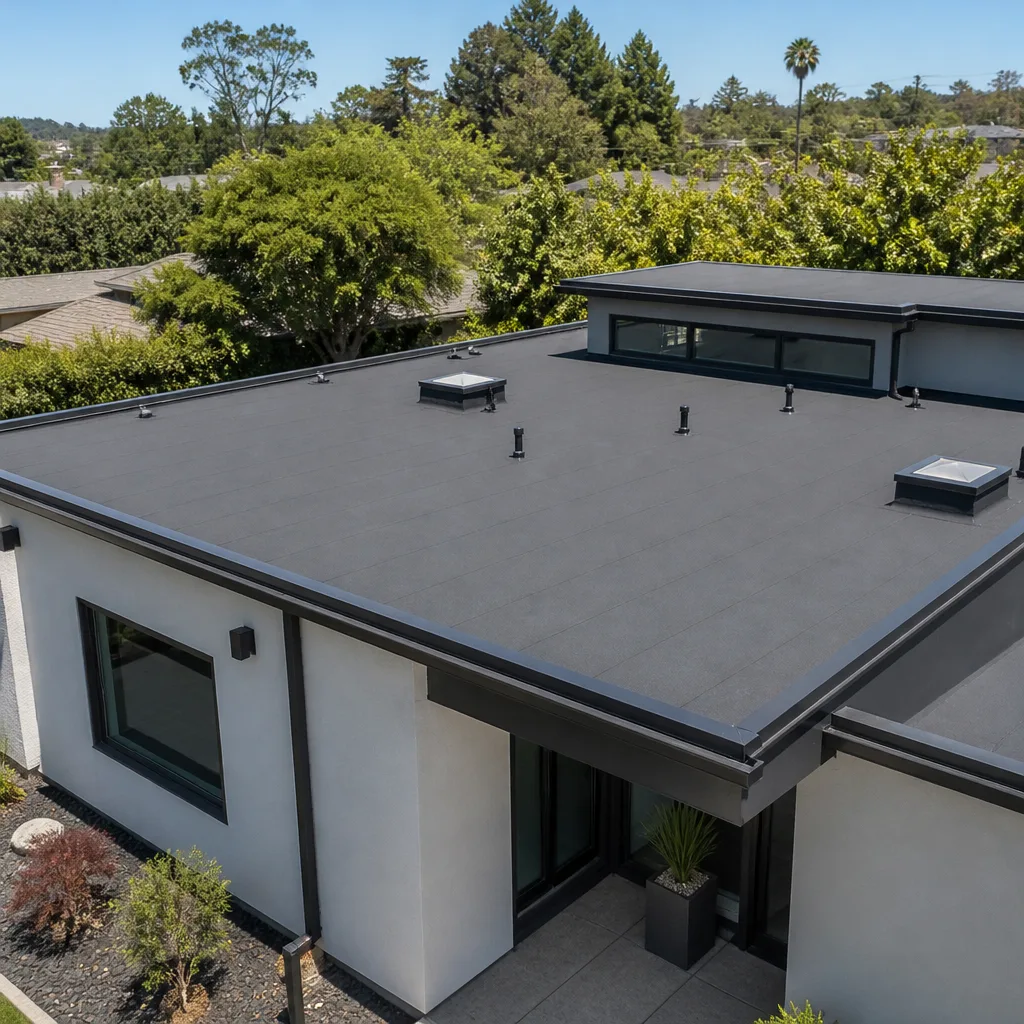 Flat & low-slope
Free roof inspection with deck photos before we talk money - GAF and Owens Corning certified installation
Atlas Underlayment & Deck Repair: The Winchester Owner’s Guide
Atlas underlayment replacement and deck repair in Winchester typically runs $650 to $2,400 for a single-family roof section, depending on whether we’re replacing failed underlayment alone or repairing rotted sheathing underneath it. Most of that work is scheduled within a few days of the estimate, not weeks. Owners usually find the problem the same way: a stain on the ceiling after a monsoon blows through, soft spots when they walk the roof edge, or a roofing contractor who pulls up a shingle and finds the felt underneath has turned to something closer to wet cardboard.
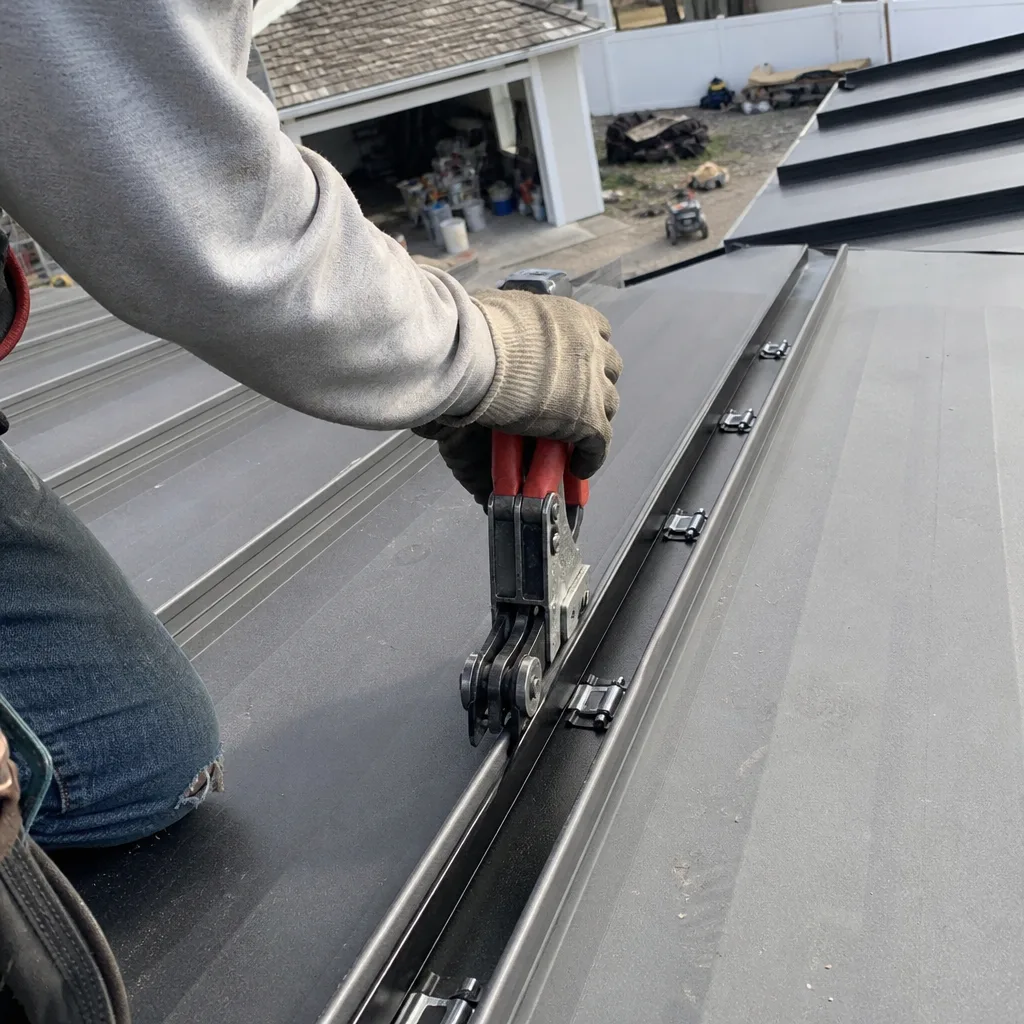
Atlas makes a handful of underlayment lines, and we’ve pulled all of them off Winchester roofs. What matters is matching the right product to your deck condition and your existing roof assembly, not just grabbing whatever roll is closest.
Which Atlas Models This Applies To
Atlas underlayment falls into two families you’ll run into on Winchester homes: the felt-based products (their standard and premium felt lines, typically sold in 15-lb and 30-lb weights) and the synthetic woven products (Summit and similar lines) that have largely replaced felt on new construction since the mid-2000s. The synthetic products run about 2 squares per roll and resist tearing far better than felt. If your roof was installed before roughly 2005, there’s a good chance you’re looking at felt underneath.
To identify what you have, check the edge of an existing roll in the garage if the previous installer left one, or look for the printed labeling along any exposed underlayment at a valley or ridge. If neither is visible, we measure the roof and match the product to your sheathing type and pitch. On the OEM-versus-aftermarket question: Atlas-brand underlayment is what we specify when the homeowner wants a matched system. A quality synthetic equivalent from another manufacturer performs just as well under most roof covers, and we’ll tell you plainly when the generic makes more sense for your budget.
One compatibility gotcha worth knowing: synthetic underlayment is not a one-for-one swap for felt on older Winchester homes with board sheathing rather than plywood. The synthetic needs a smoother, more continuous surface to seal properly, so those decks sometimes need an overlay before the new underlayment goes down. That’s an added cost, and we’ll show you why in photos before quoting it.
Styles & brands we work with
- Architectural shingles
- Metal roofing
- Tile roofing
- GAF
- Owens Corning
- Flat & low-slope
Signs Your Atlas Underlayment & Deck Repair Is Failing
Underlayment is the layer nobody sees until it’s already gone. Here’s what failure looks like from the homeowner’s side:
- Ceiling stains that appear after wind-driven rain, not steady rain. That pattern points to underlayment failure at a seam or penetration rather than a shingle problem. Shingles shed most water; the underlayment catches what gets past them, and when it’s torn or degraded, wind-driven rain finds the gap.
- Soft spots or a spongy feel underfoot near valleys and eaves. This usually means water has been reaching the deck for a while and the sheathing is starting to delaminate. By the time you feel it, the repair scope has grown beyond underlayment alone.
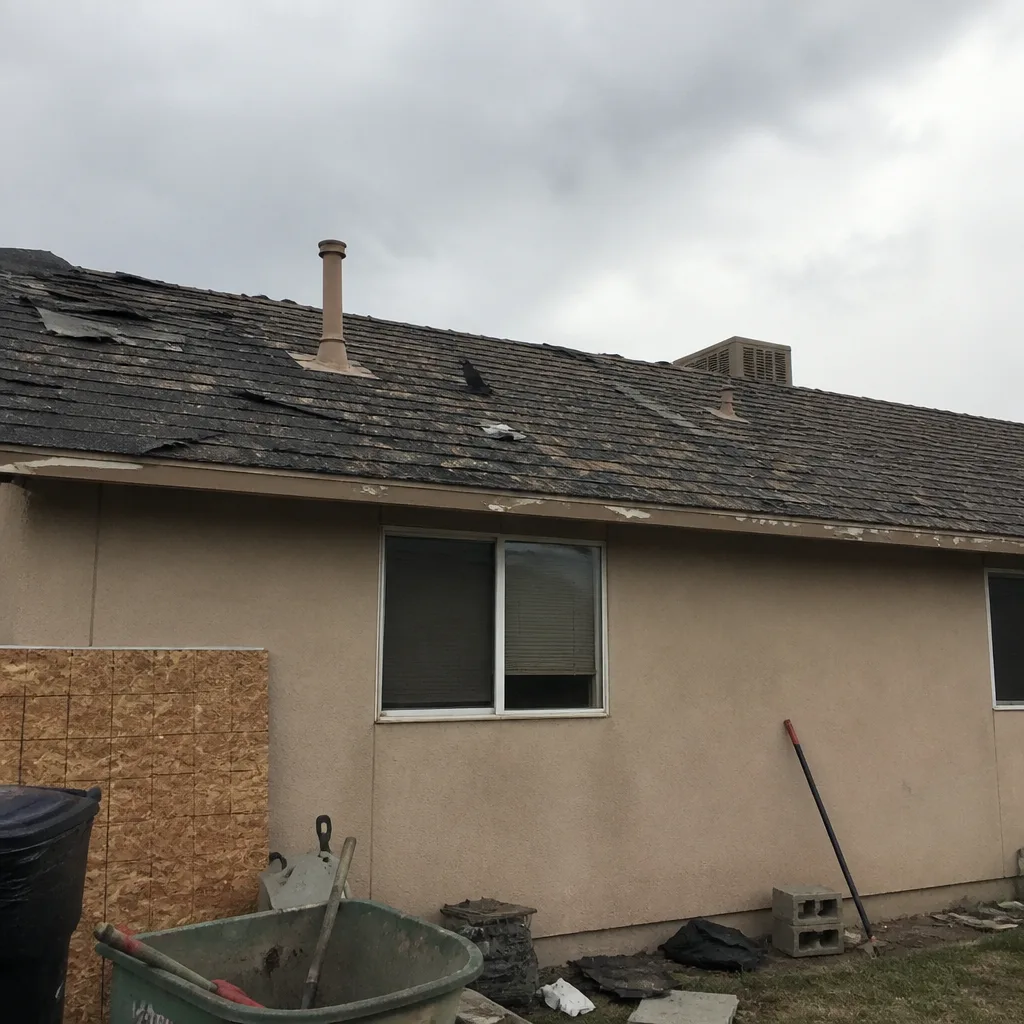
- Visible wrinkles, tears, or exposed fasteners where underlayment shows at a ridge or valley. Felt that’s been baked by Winchester summers for 15-plus years gets brittle and cracks at the fasteners. Woven synthetics hold up longer but can still tear where they were stretched too tight during install.
- Granule loss on the shingles above in a concentrated patch. Sometimes the shingle isn’t the problem; moisture wicking up from failed underlayment degrades the shingle mat from below. A patch of heavy granule loss with no obvious impact damage is worth a closer look.
- Musty smell in the attic or a damp sheathing surface you can see from inside. That’s the underlayment and deck already wet. In Winchester’s summer heat, that moisture doesn’t dry out fast; it cooks into the wood and starts the rot process within a season or two.
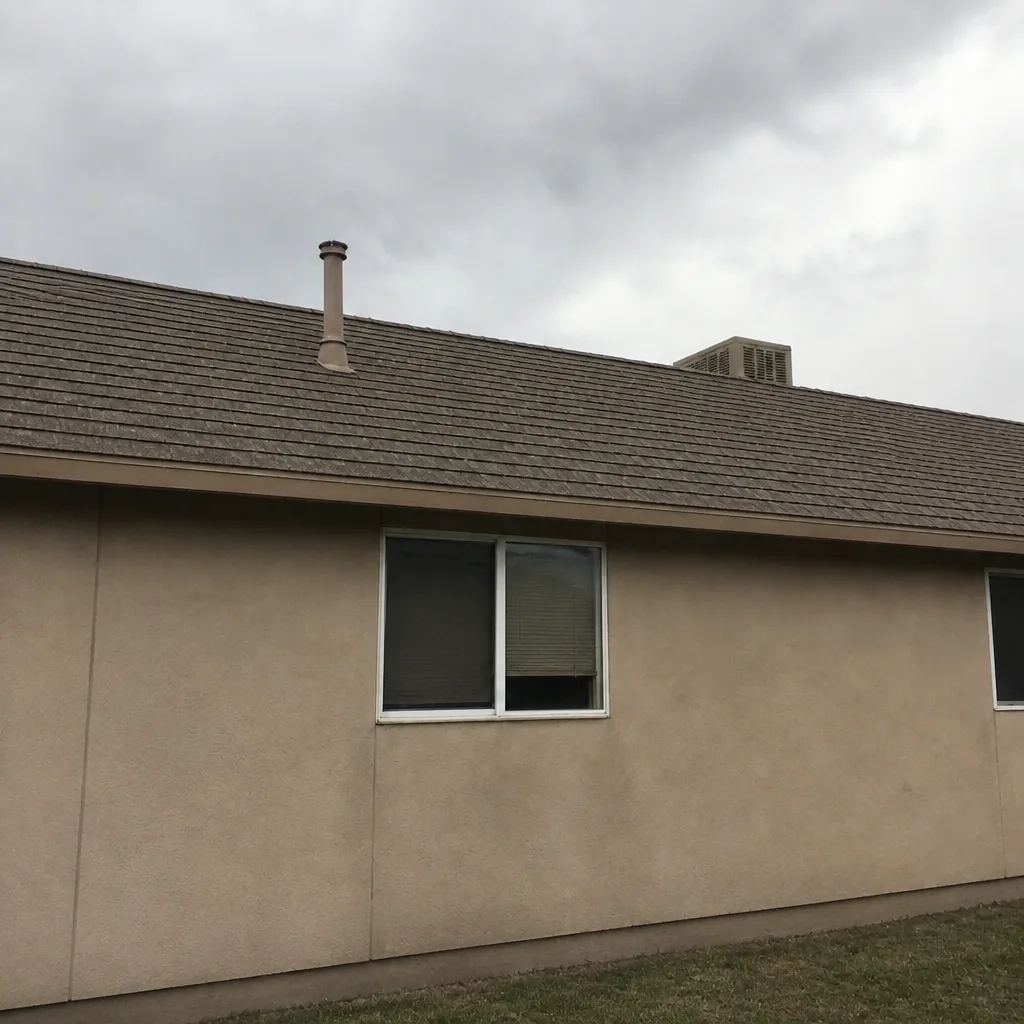
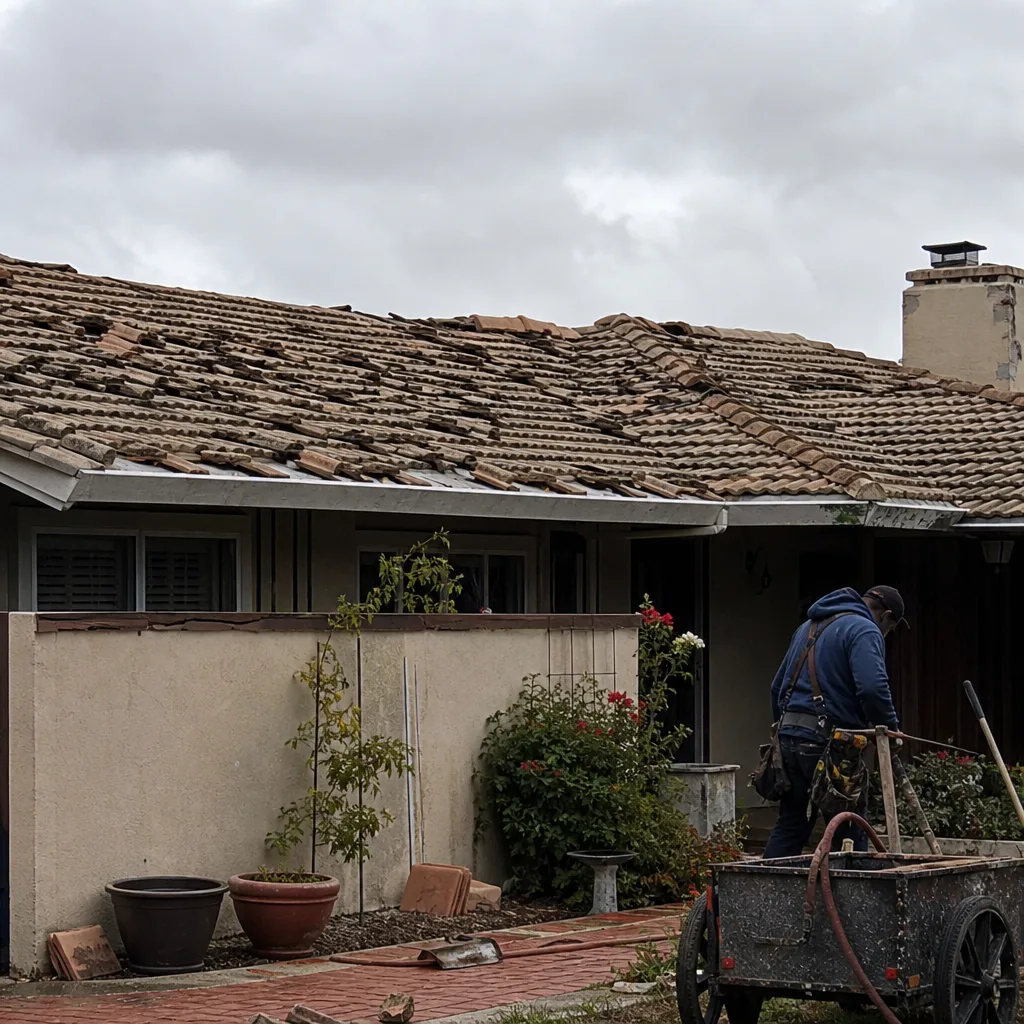
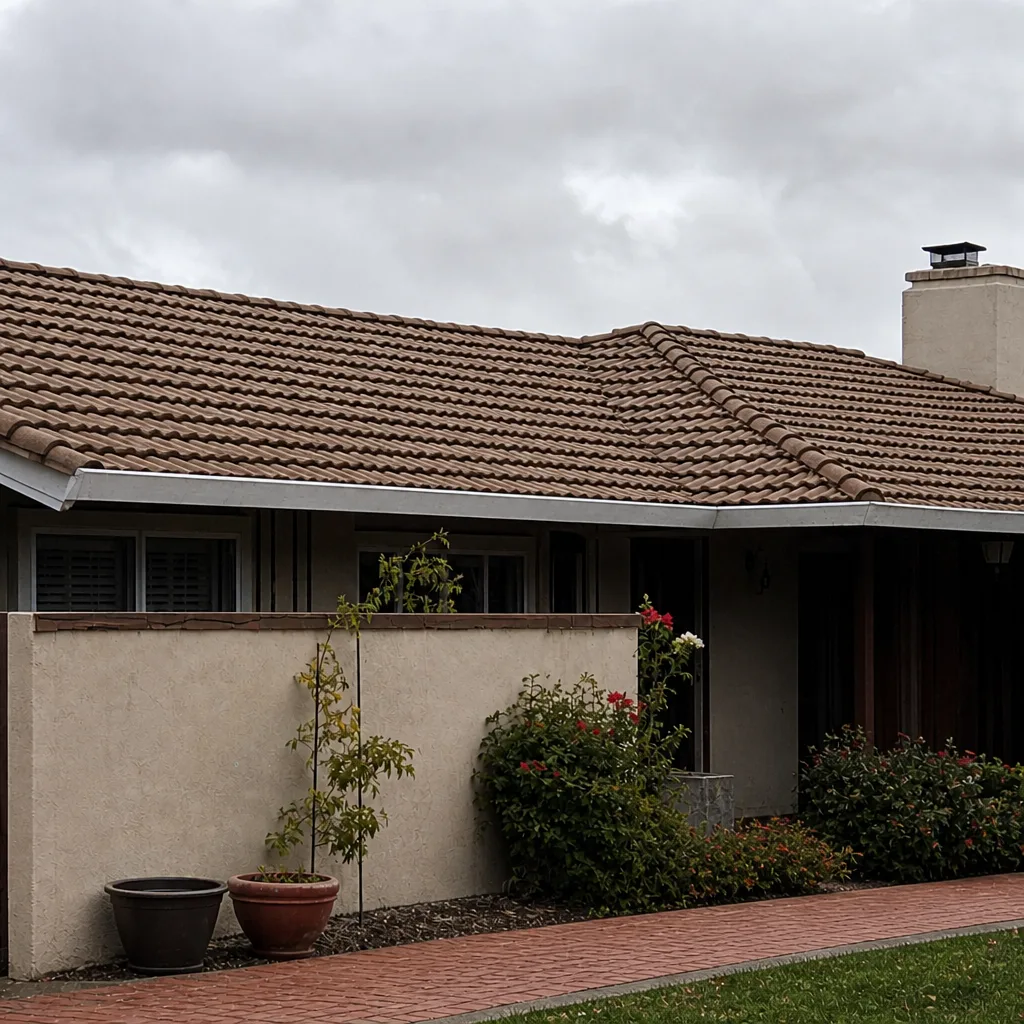
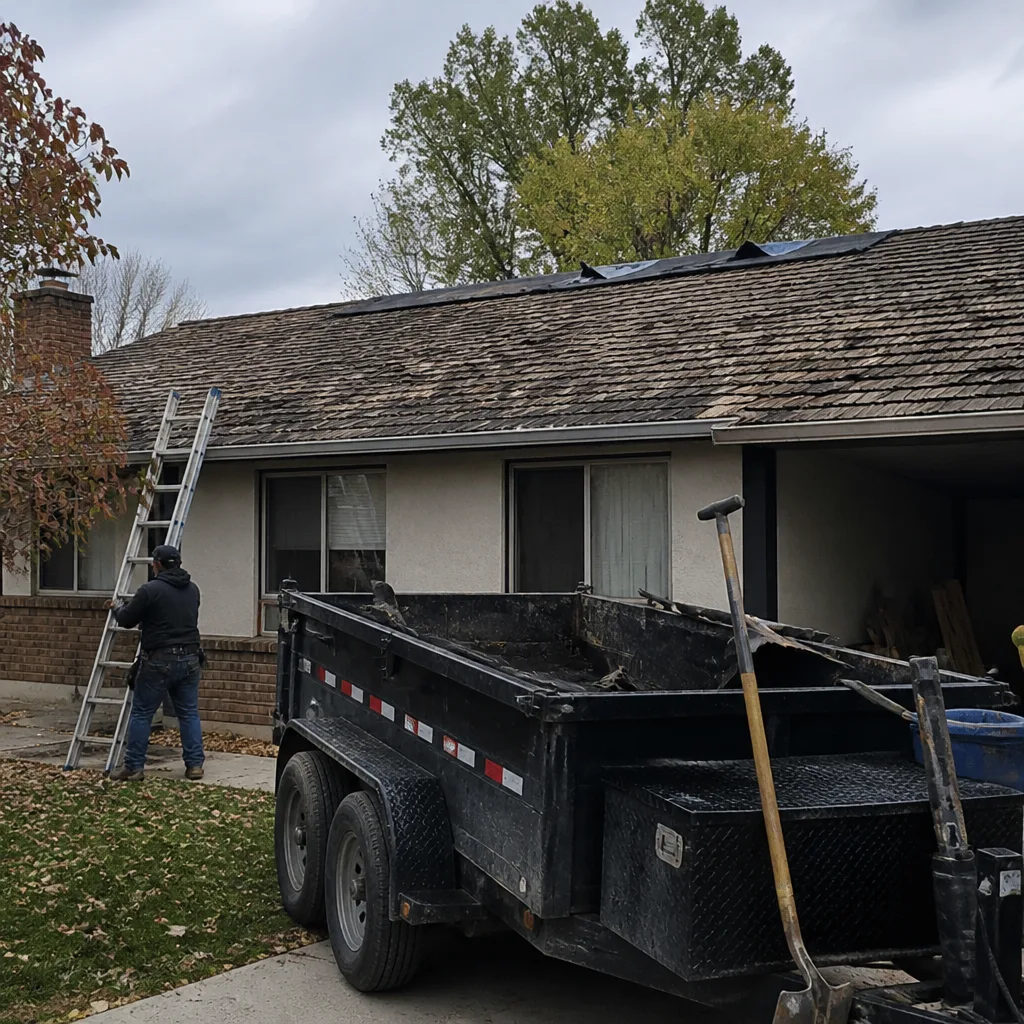
See the difference
 Before
 After
 Before
 After
 Before
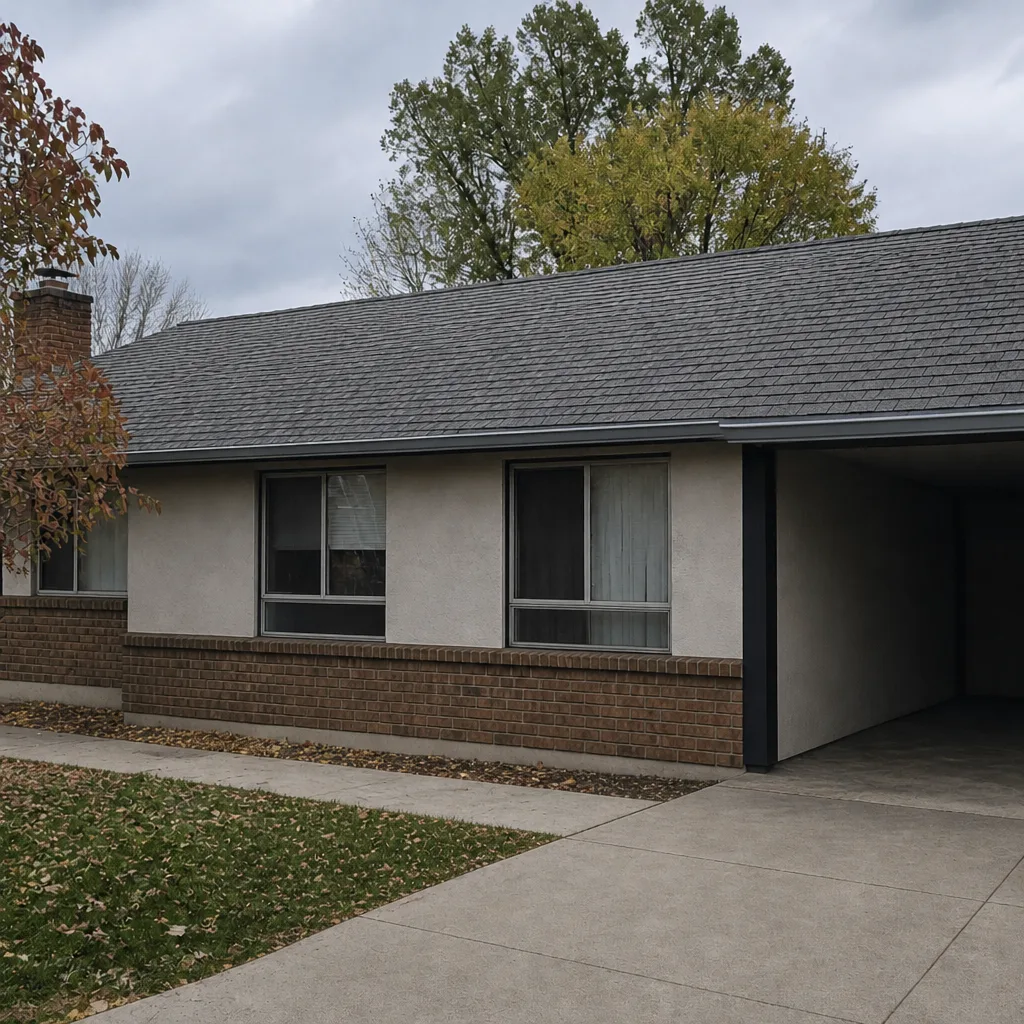 After
Replacement Cost & What’s Included
Here’s the honest range for Winchester. Underlayment replacement on an average roof section runs $650 to $1,400 installed, including tear-off of the old material, inspection of the sheathing, and new Atlas-compatible underlayment. If we find rotted decking, sheathing repair adds $75 to $150 per sheet, and most jobs need somewhere between two and eight sheets. Full deck repair where the damage extends across a larger area runs $1,400 to $2,400.
What drives the number: roof pitch (steeper is slower and costs more), how much sheathing needs replacing, whether the existing shingles have to come up to reach the underlayment, and whether we’re matching an existing Atlas system or switching products. We quote parts and labor as separate line items so you can see exactly where the money goes. Every job carries our written 90-Day Done Right Promise, and if something’s not right, one call brings Bill back.
DIY or Call Us?
You can safely check a few things yourself: look in the attic with a flashlight after a rain for staining on the underside of the sheathing, note where the stains are, and photograph any soft spots you find walking the roof edge from a ladder. Do not climb onto a wet or steep roof to investigate. Falls are the real danger here, not the repair cost, and Winchester roofs get slick fast after a storm.
Where DIY goes wrong: underlayment installation requires the right overlap pattern, proper fastening schedule, and correct handling at valleys and penetrations. Get any of those wrong and you’ve spent a weekend creating the same leak you started with, now hidden under new shingles. Pulling up shingles to reach the underlayment also risks cracking them if the sealant has set, which means a repair turns into a partial replacement. Call (844) 797-8167 and we’ll take a look before you tear anything up.
FAQs
Most Atlas synthetic underlayment carries a manufacturer lifespan in the 20-to-30-year range under normal conditions, and felt runs closer to 10 to 15 years. In Winchester’s heat, expect the lower end of those ranges if the attic isn’t well ventilated. Call (844) 797-8167 for an inspection and we’ll tell you what shape yours is in.
Sometimes yes. A small tear or a single failed seam can be patched if the surrounding material is still sound and the deck underneath is dry. Once the underlayment has degraded across a wider area or the sheathing has started to soften, replacement is the only repair that holds. We’ll tell you which situation you’re in before quoting.
Underlayment replacement on a typical Winchester roof section takes one to three days, depending on square footage, pitch, and how much sheathing repair is needed. Full deck repair across a larger area can run three to five days. We schedule around weather and give you a realistic window, not an optimistic one.
We order Atlas underlayment through the same supplier channels we use for every roofing product we install, and we’ll show you the product label and spec sheet before it goes on your roof. If a comparable synthetic from another manufacturer makes better sense for your deck, we’ll say so. Ask about the source and we’ll walk you through it.
Written by the team at Shepherd & Sons Roofing Winchester, serving Winchester and nearby areas.